Commentary
Its reinstatement should be celebrated, but it retains some major shortcomings.
Leonardo Martinez-Diaz
Source: Getty
The U.S. election was not merely a local affair as the world awaited its outcome with great intensity. The current U.S. election opened our eyes to the merits of American democracy in particular and those of Western democracy in general.
The U.S. election was not merely a local affair as the world awaited its outcome with great intensity. I had never been interested in the U.S. presidential election until this year and the reason for my interest is Barack Obama. My feelings are not influenced by his African roots or his middle name (Hussein), as I do not form my opinions on the basis of anyone’s religion, whatever it may be. Even in the United States, those who pointed to Obama’s roots or religion met with disapproval. Most notable was the position taken by Colin Powell—a high profile figure in the Republican Party—who correctly asked “so what if Obama were a Muslim?” underlining that the nature of the question ran contrary to the spirit of the United States. He then announced his support for Obama despite his party affiliation.
Gamal Al-Ghitany
Carnegie does not take institutional positions on public policy issues; the views represented herein are those of the author(s) and do not necessarily reflect the views of Carnegie, its staff, or its trustees.
Its reinstatement should be celebrated, but it retains some major shortcomings.
Leonardo Martinez-Diaz
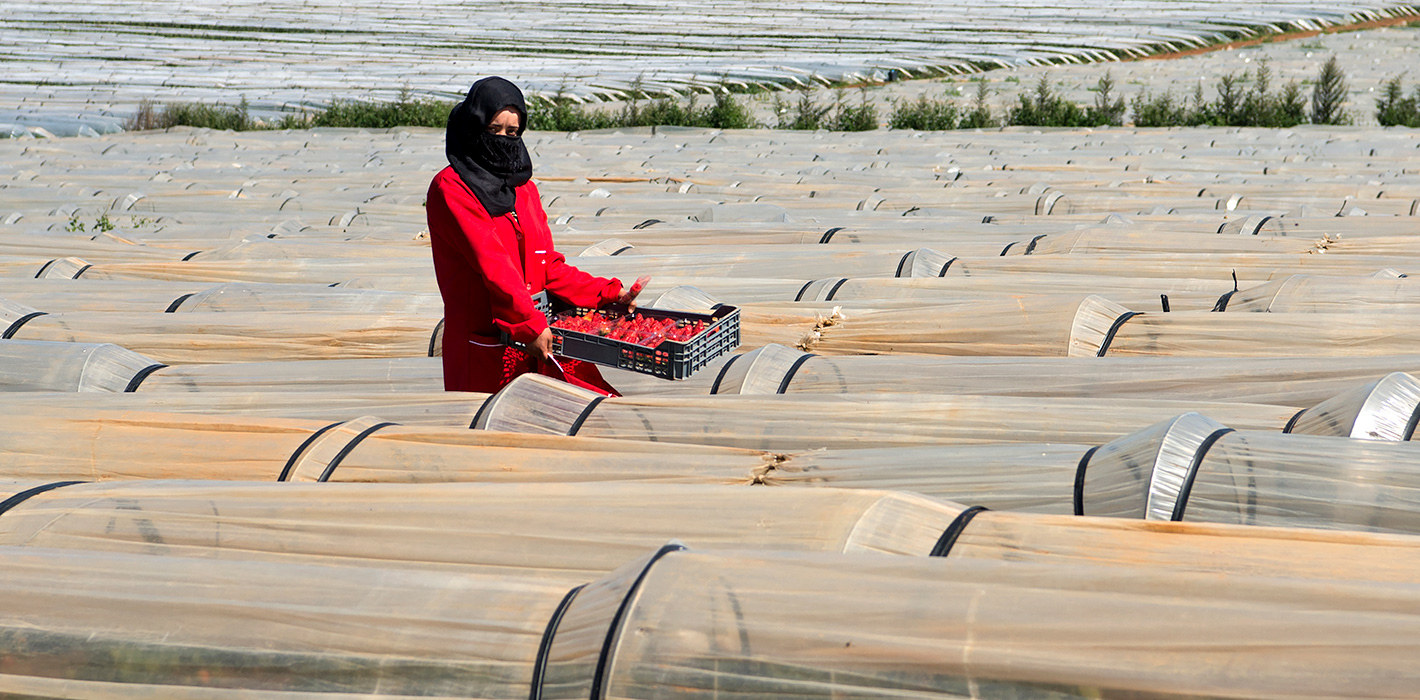
For Morocco, integrating gender into climate governance is not simply a matter of social justice. It is a strategic imperative for effective adaptation.
Fadwa Rajoauni
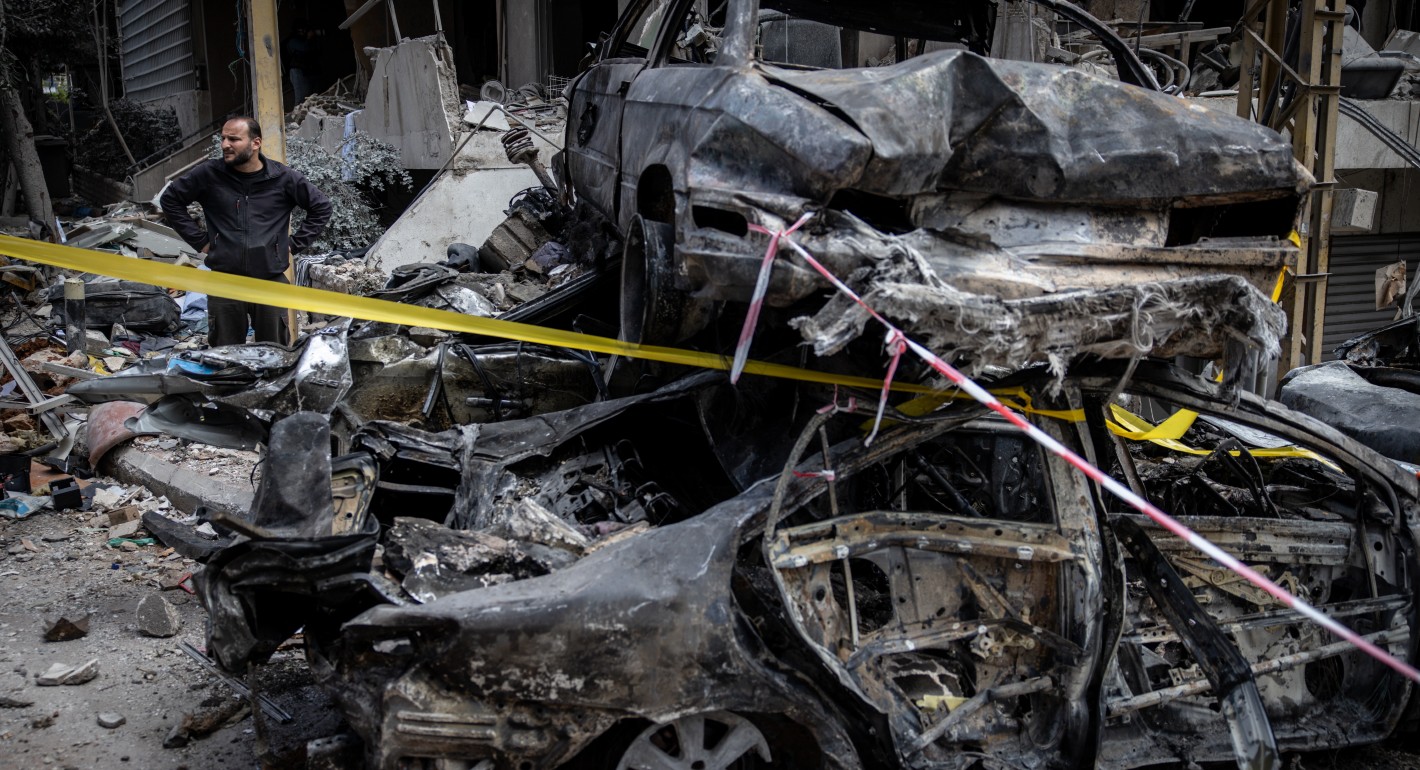
Four Middle East experts analyze the region’s reactions and next steps.



Amr Hamzawy, Andrew Leber, Eric Lob, …
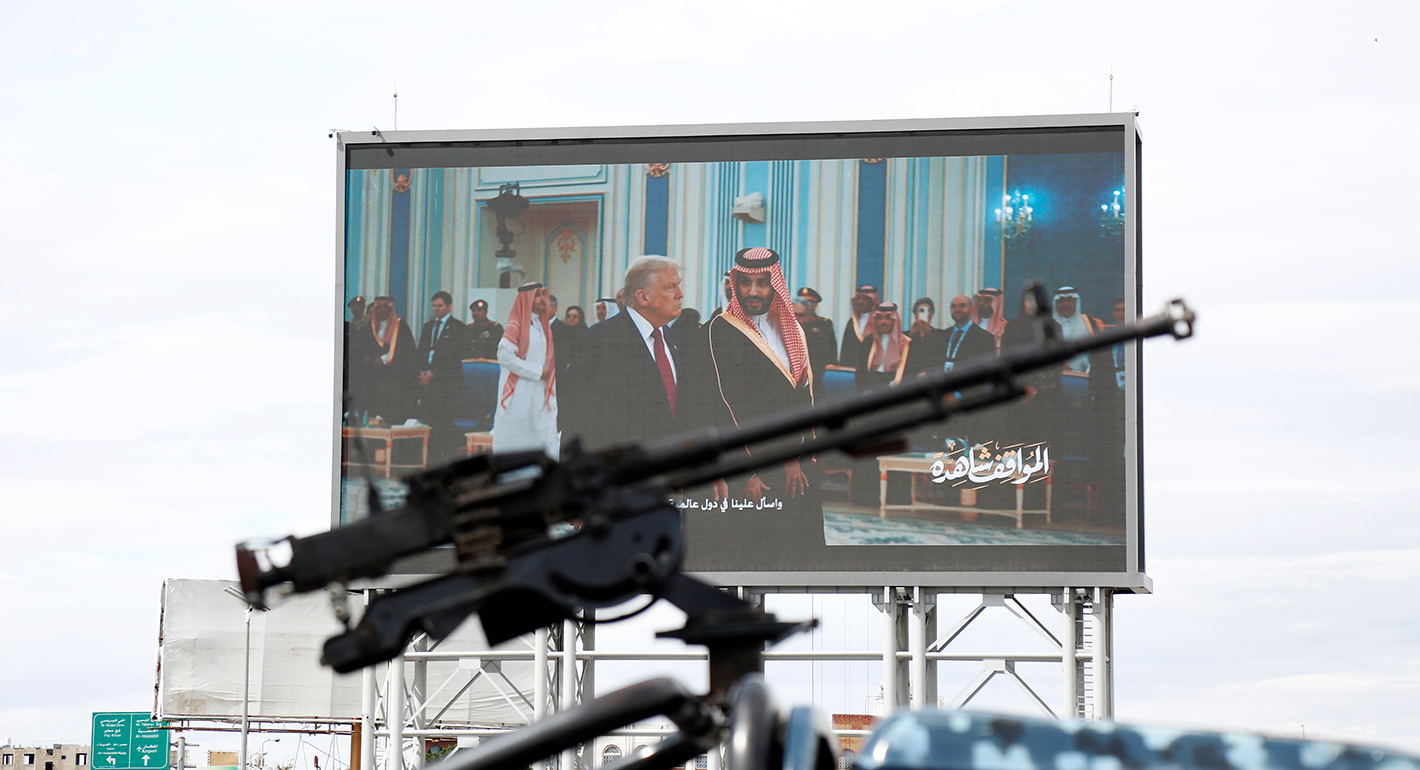
As the war between the United States, Israel, and Iran continues, Carnegie scholars contribute cutting-edge analysis on the events of the war and their wide-reaching implications. From the impact on Iran and its immediate neighbors to the responses from Gulf states to fuel and fertilizer shortages caused by the effective shutdown of the Strait of Hormuz, the war is reshaping Middle East alliances and creating shockwaves around the world. Carnegie experts analyze it all.
The return of war as the organizing factor in Middle Eastern politics has predictable consequences: governments are prioritizing regime stability and becoming averse to political and social reform.

Sarah Yerkes, Amr Hamzawy