

In The Media
John Judis
{
  "authors": [
    "John Judis"
  ],
  "type": "legacyinthemedia",
  "centerAffiliationAll": "",
  "centers": [
    "Carnegie Endowment for International Peace"
  ],
  "collections": [],
  "englishNewsletterAll": "",
  "nonEnglishNewsletterAll": "",
  "primaryCenter": "Carnegie Endowment for International Peace",
  "programAffiliation": "",
  "programs": [],
  "projects": [],
  "regions": [
    "North America",
    "United States"
  ],
  "topics": [
    "Security",
    "Military",
    "Foreign Policy"
  ]
}
Source: Getty
Despite his campaign promises, Obama’s initial foreign policy might not differ dramatically from Bush’s policies of the last two years. After failures during his first six years in office, Bush has struck a more diplomatic tone in recent years. Obama, who has tapped several Bush administration veterans for his own national security team, is likely to continue on this increasingly diplomatic path.
Source: The New Republic

Obama appears likely to continue on this path of gradually increasing diplomacy, particularly in light of the fact that he has tapped Bush veterans Robert Gates and James Jones for his national security team. While these appointments do indeed represent some departure from Obama’s campaign rhetoric, they will bring important continuity to U.S. foreign policy, which will turn out to be good for the country as a whole.
Click here to watch the full interview on The New Republic's TNRtv.

Former Visiting Scholar
As a visiting scholar at Carnegie, Judis wrote The Folly of Empire: What George W. Bush Could Learn from Theodore Roosevelt and Woodrow Wilson.
Recent Work
John Judis
John Judis
Carnegie does not take institutional positions on public policy issues; the views represented herein are those of the author(s) and do not necessarily reflect the views of Carnegie, its staff, or its trustees.
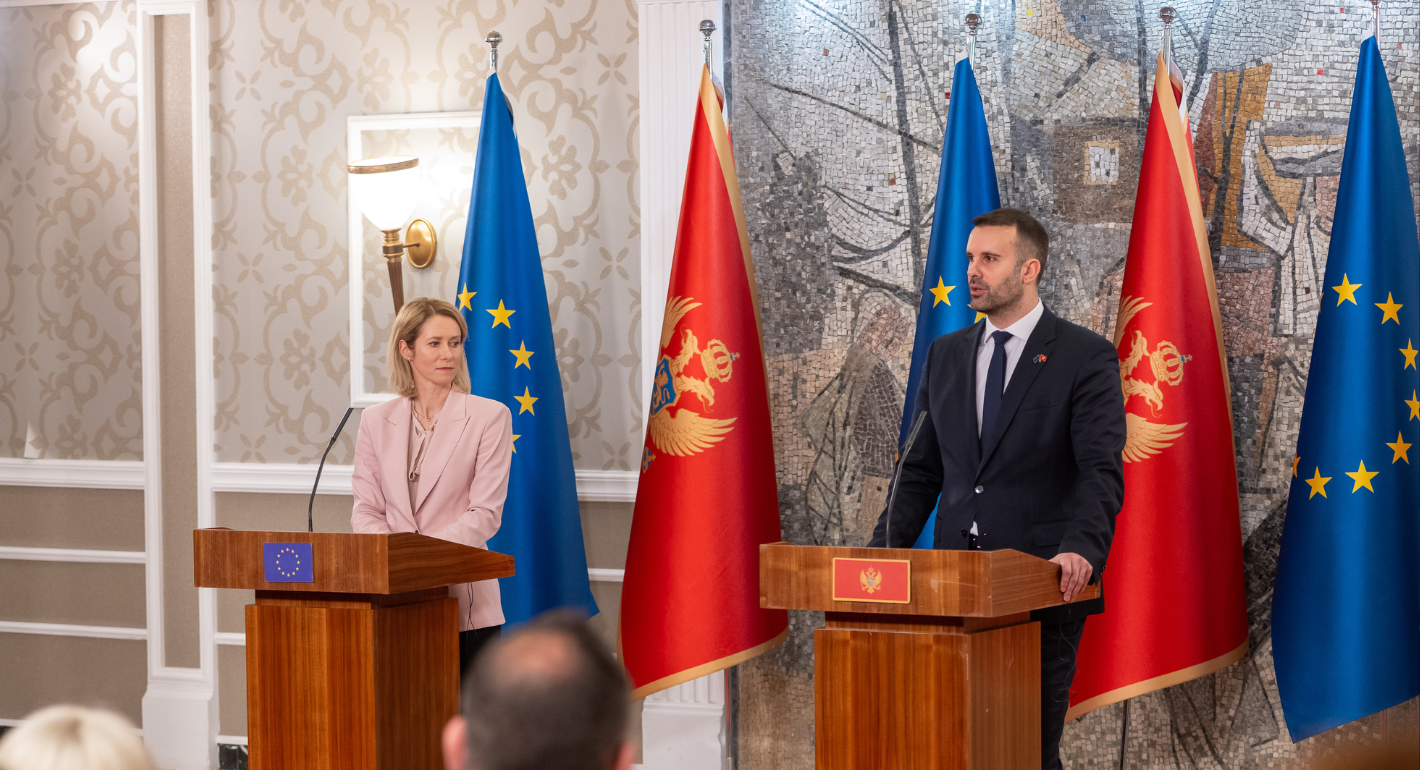
Montenegro and Albania are frontrunners for EU enlargement in the Western Balkans, but they can’t just sit back and wait. To meet their 2030 accession ambitions, they must make a strong positive case.


Dimitar Bechev, Iliriana Gjoni

This piece argues that the present Indian strategy, based on opportunistic diversification and utilization of limited strategic reserves, remains inadequate when confronting supply disruptions. It evaluates India’s options in the short, medium, and long terms.

Vrinda Sahai

Its reinstatement should be celebrated, but it retains some major shortcomings.

Leonardo Martinez-Diaz

Despite long-standing differences, China and Vietnam are reinforcing common ground for collaboration, especially in public security. This internal security–centered diplomacy offers a strengthened road map for how China moves forward with Southeast Asia.
Sophie Zhuang
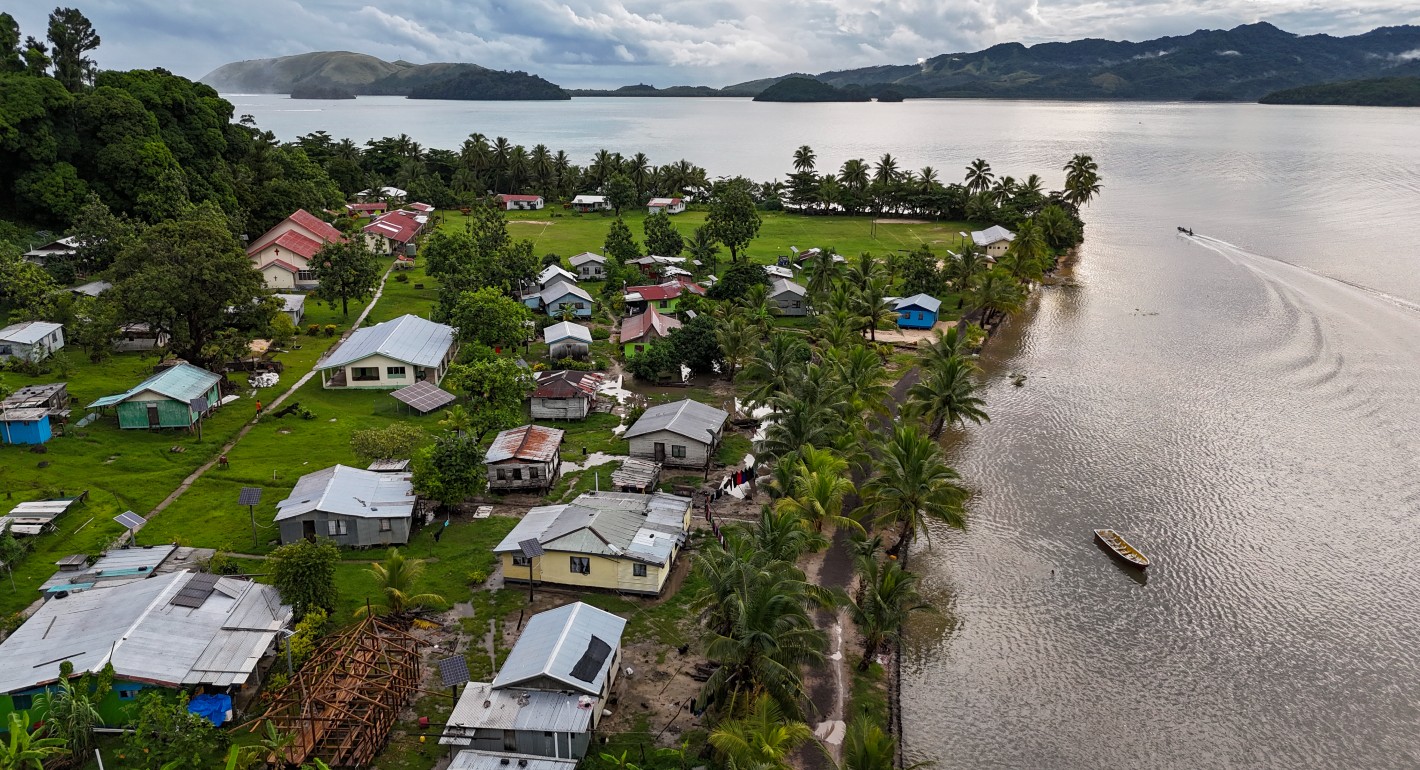
Climate mobility interventions can vary, but they all present opportunities to unlock transformative results that mitigate costs associated with inaction.

Alejandro Martin Rodriguez