

Commentary
It should address the shortcomings of previous crisis communication efforts and adapt to the demands of frontier AI.
Lucy Luo
{
  "authors": [],
  "type": "pressRelease",
  "centerAffiliationAll": "dc",
  "centers": [
    "Carnegie Endowment for International Peace"
  ],
  "collections": [],
  "englishNewsletterAll": "asia",
  "nonEnglishNewsletterAll": "",
  "primaryCenter": "Carnegie Endowment for International Peace",
  "programAffiliation": "AP",
  "programs": [
    "Asia"
  ],
  "projects": [],
  "regions": [
    "North America",
    "United States",
    "East Asia",
    "China"
  ],
  "topics": [
    "Foreign Policy"
  ]
}
REQUIRED IMAGE
While President Obama inherits a cordial and generally stable relationship with China, building goodwill early on and cultivating direct personal ties with Chinese leaders will be the best way to continue the largely productive relations of the last eight years.
WASHINGTON, Feb 12—Secretary of State Hillary Clinton’s trip to Asia next week recognizes the need for productive U.S.–China relations to make progress on a number of critical issues, including climate change, the global economic crisis, and the six-party talks on North Korea’s nuclear program. While President Obama inherits a cordial and generally stable relationship with China, building goodwill early on and cultivating direct personal ties with Chinese leaders will be the best way to continue the largely productive relations of the last eight years, according to a group of leading Chinese scholars.
The scholars, convened by Carnegie’s Beijing operation, offer unique perspectives from the region for the Obama administration, and include political scientists from Peking University’s School of International Relations, the Center for American Studies, and Shanghai’s Fudan University.
Key conclusions:
Tianjian Shi, director of Carnegie’s Beijing office, concludes:
“Confronting China publicly may score points in U.S. domestic politics, but to achieve positive results, officials at the highest level must engage each other and attempt to stay above the domestic fray. Political posturing by both sides has undoubtedly damaged relations between the United States and China in the past and has made measured response by China difficult. Chinese leaders will be more open to concessions when their legitimacy at home is not at stake.”
###
NOTES
Carnegie does not take institutional positions on public policy issues; the views represented herein are those of the author(s) and do not necessarily reflect the views of Carnegie, its staff, or its trustees.
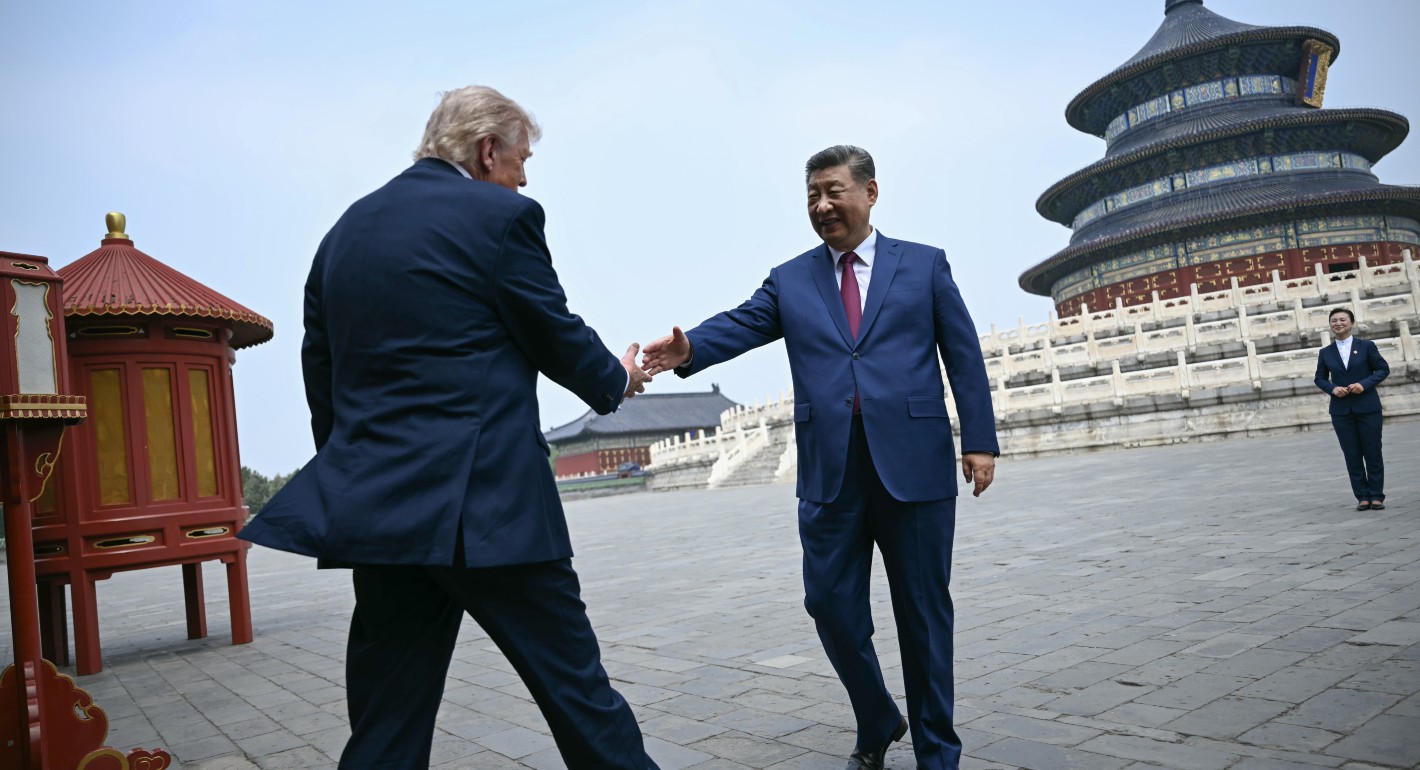
It should address the shortcomings of previous crisis communication efforts and adapt to the demands of frontier AI.

Lucy Luo
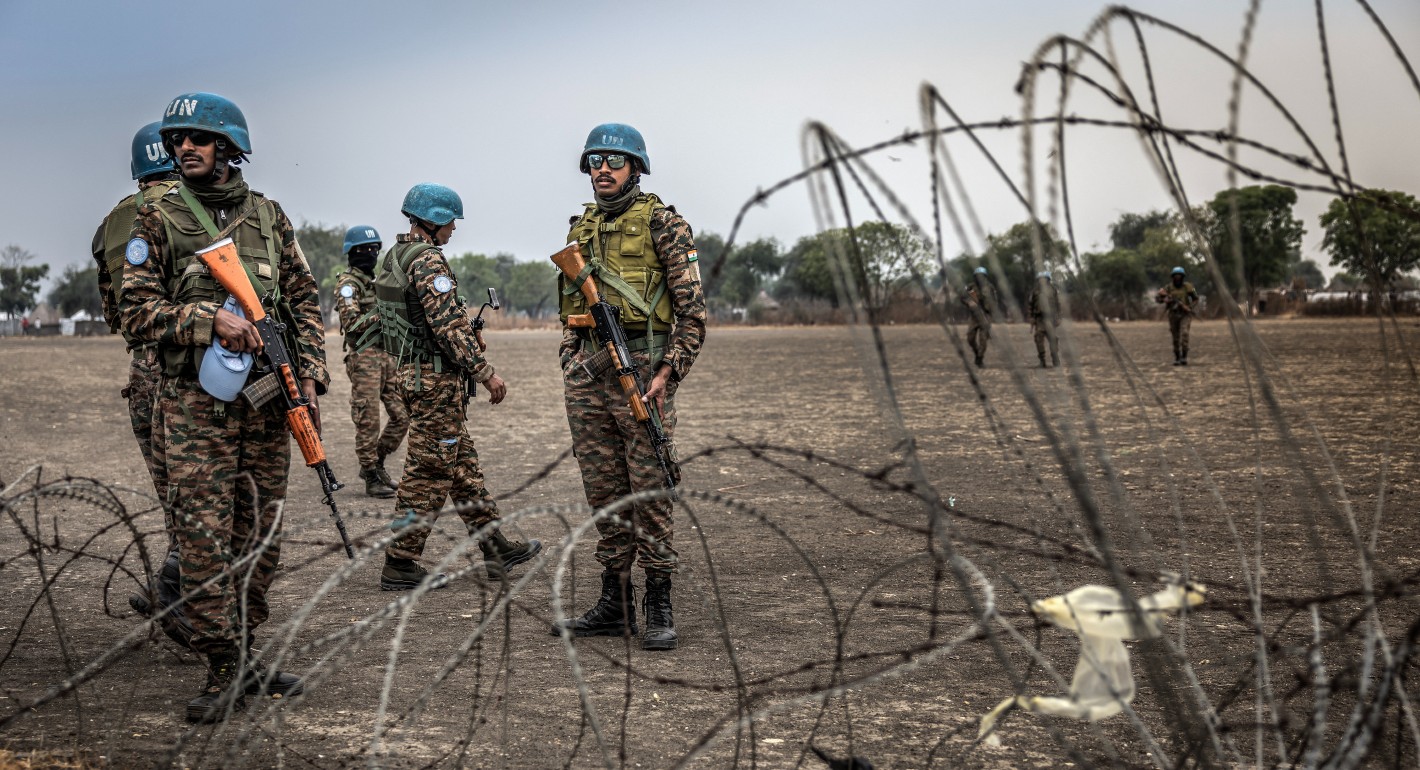
Washington’s decision to support some UN functions while letting others wither is pulling the organization apart at the seams.

Stewart Patrick, Theodore Zaritsky

While there are notable demographic, economic, and geographic divides over AI, there is also substantial alignment between Republicans and Democrats.



Ian Klaus, Mark Baldassare, Rachel George, …

Are Germany’s economic, industrial, and political struggles becoming a liability for the EU’s ability to rise to the geopolitical moment?

Rym Momtaz, ed.

China’s police training infrastructure construction projects provide benefits to recipient countries, promote China’s image as a major global security provider, and are likely to reinforce alignment between Beijing’s security priorities and those of countries in the Global South.


Cameron Waltz, Sheena Chestnut Greitens, Kim Nguyen, …