Other
- +18
James M. Acton, Saskia Brechenmacher, Cecily Brewer, …
{
  "authors": [
    "James M. Acton"
  ],
  "type": "other",
  "centerAffiliationAll": "dc",
  "centers": [
    "Carnegie Endowment for International Peace"
  ],
  "collections": [
    "U.S. Nuclear Policy",
    "Korean Peninsula"
  ],
  "englishNewsletterAll": "ctw",
  "nonEnglishNewsletterAll": "",
  "primaryCenter": "Carnegie Endowment for International Peace",
  "programAffiliation": "NPP",
  "programs": [
    "Nuclear Policy"
  ],
  "projects": [],
  "regions": [
    "North America",
    "United States",
    "Middle East",
    "Iran",
    "East Asia",
    "Western Europe",
    "United Kingdom",
    "North Korea"
  ],
  "topics": [
    "Nuclear Policy"
  ]
}
Source: Getty
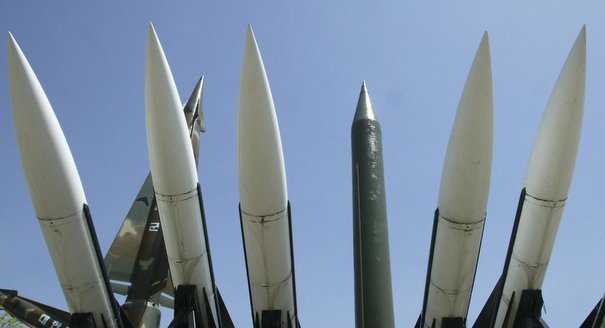
Responding to non-compliance is a promising area for progress at the 2010 Non-Proliferation Treaty Review Conference, because it imposes no additional burden on states that are playing by the rules.
The principal weakness of today's nonproliferation regime is enforcement—building a consensus in the UN Security Council that robust action is needed when a state is found in non-compliance with its nonproliferation obligations. Responding to non-compliance is a promising subject to tackle at the 2010 Review Conference for the Non-Proliferation Treaty (NPT) because it would impose no further constraints on non-nuclear-weapon states that are abiding by their obligations; on the contrary, it would enhance their security.
Summary
About the Author
James M. Acton is an associate in the Nonproliferation Program at the Carnegie Endowment for International Peace.

Jessica T. Mathews Chair, Co-director, Nuclear Policy Program
Acton holds the Jessica T. Mathews Chair and is co-director of the Nuclear Policy Program at the Carnegie Endowment for International Peace.
Recent Work


James M. Acton, Saskia Brechenmacher, Cecily Brewer, …
James M. Acton
Carnegie does not take institutional positions on public policy issues; the views represented herein are those of the author(s) and do not necessarily reflect the views of Carnegie, its staff, or its trustees.

Its reinstatement should be celebrated, but it retains some major shortcomings.

Leonardo Martinez-Diaz

Despite long-standing differences, China and Vietnam are reinforcing common ground for collaboration, especially in public security. This internal security–centered diplomacy offers a strengthened road map for how China moves forward with Southeast Asia.
Sophie Zhuang
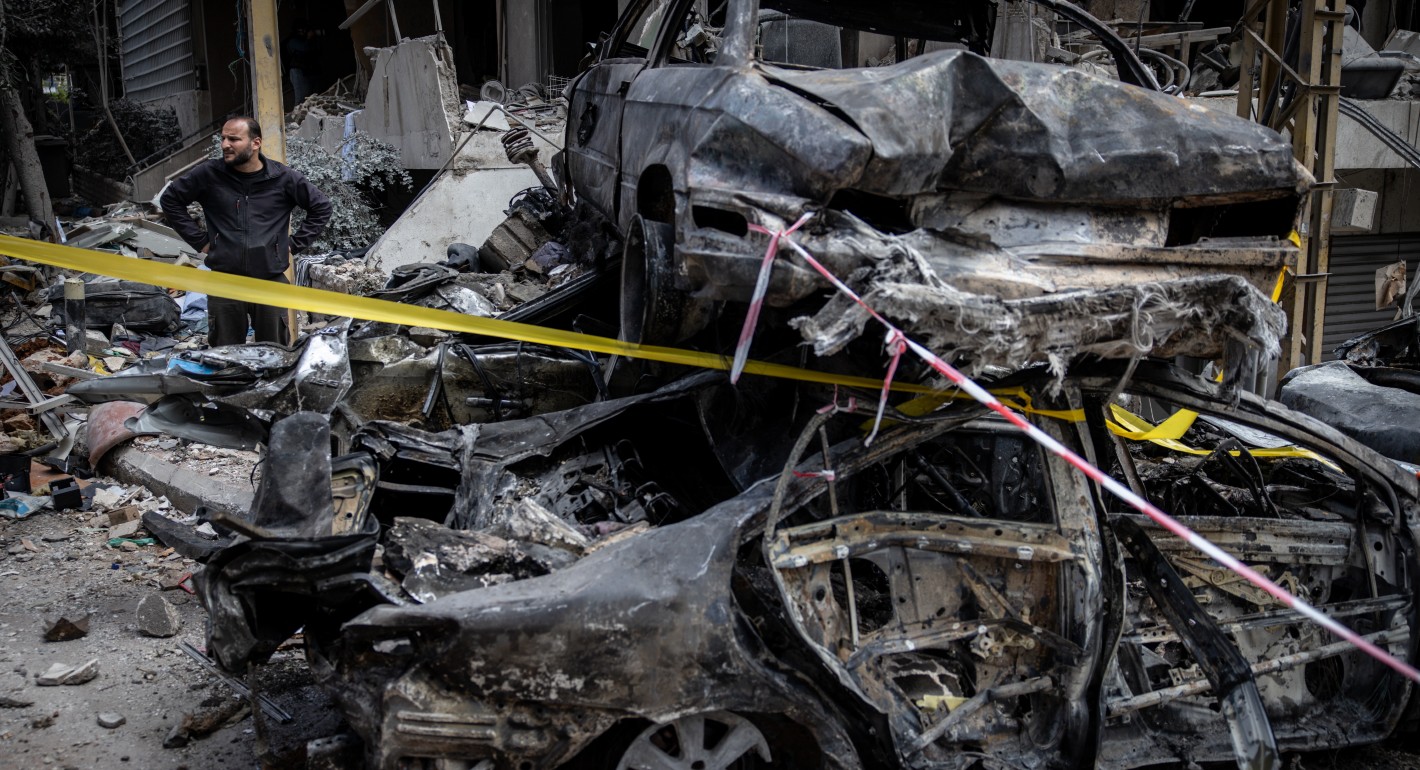
Four Middle East experts analyze the region’s reactions and next steps.



Amr Hamzawy, Andrew Leber, Eric Lob, …

As the war between the United States, Israel, and Iran continues, Carnegie scholars contribute cutting-edge analysis on the events of the war and their wide-reaching implications. From the impact on Iran and its immediate neighbors to the responses from Gulf states to fuel and fertilizer shortages caused by the effective shutdown of the Strait of Hormuz, the war is reshaping Middle East alliances and creating shockwaves around the world. Carnegie experts analyze it all.
The return of war as the organizing factor in Middle Eastern politics has predictable consequences: governments are prioritizing regime stability and becoming averse to political and social reform.

Sarah Yerkes, Amr Hamzawy