Commentary
Uri Dadush
{
  "authors": [
    "Uri Dadush"
  ],
  "type": "other",
  "centerAffiliationAll": "",
  "centers": [
    "Carnegie Endowment for International Peace"
  ],
  "collections": [],
  "englishNewsletterAll": "",
  "nonEnglishNewsletterAll": "",
  "primaryCenter": "Carnegie Endowment for International Peace",
  "programAffiliation": "",
  "programs": [],
  "projects": [],
  "regions": [
    "North America"
  ],
  "topics": [
    "Economy",
    "Trade"
  ]
}
Source: Getty
As economic crisis and burgeoning protectionist pressures demonstrate the urgency of strengthening trade rules, questions arise about the limitations of the World Trade Organization. The WTO needs to be reformed to be effective and remain relevant.
The languishing Doha Round of global trade talks elicits questions about the limitations of the World Trade Organization, just as economic crisis and burgeoning protectionist pressures demonstrate the urgency of strengthening trade rules. In a new policy brief, Uri Dadush explains why the WTO needs to be reformed to be effective and to remain relevant.
The WTO is increasingly bypassed in trade reform by unilateral, bilateral, and regional processes, and no new liberalization of trade in goods has come from multilateral negotiations since the institution was founded in 1995. Dadush examines the calls for change and outlines the questions that must be resolved for a successful reform process that will safeguard world trade.
Key Conclusions
“Since its inception in 1995, the World Trade Organization has been the guardian of stability and predictability in world trade, but it has failed to fulfill its promise as a source of new trade rules and liberalization,” writes Dadush. “Urgent issues have come to the fore with the crisis, including government procurement and financial regulation, and these are issues on which the WTO could be making major contributions. However, it is unrealistic to ask an organization to tackle major new challenges when its ability to deliver on such a large part of its core mission is unproven.”

Former Senior Associate, International Economics Program
Dadush was a senior associate at the Carnegie Endowment for International Peace. He focuses on trends in the global economy and is currently tracking developments in the eurozone crisis.
Recent Work
Uri Dadush
Uri Dadush
Carnegie does not take institutional positions on public policy issues; the views represented herein are those of the author(s) and do not necessarily reflect the views of Carnegie, its staff, or its trustees.
As the war between the United States, Israel, and Iran continues, Carnegie scholars contribute cutting-edge analysis on the events of the war and their wide-reaching implications. From the impact on Iran and its immediate neighbors to the responses from Gulf states to fuel and fertilizer shortages caused by the effective shutdown of the Strait of Hormuz, the war is reshaping Middle East alliances and creating shockwaves around the world. Carnegie experts analyze it all.
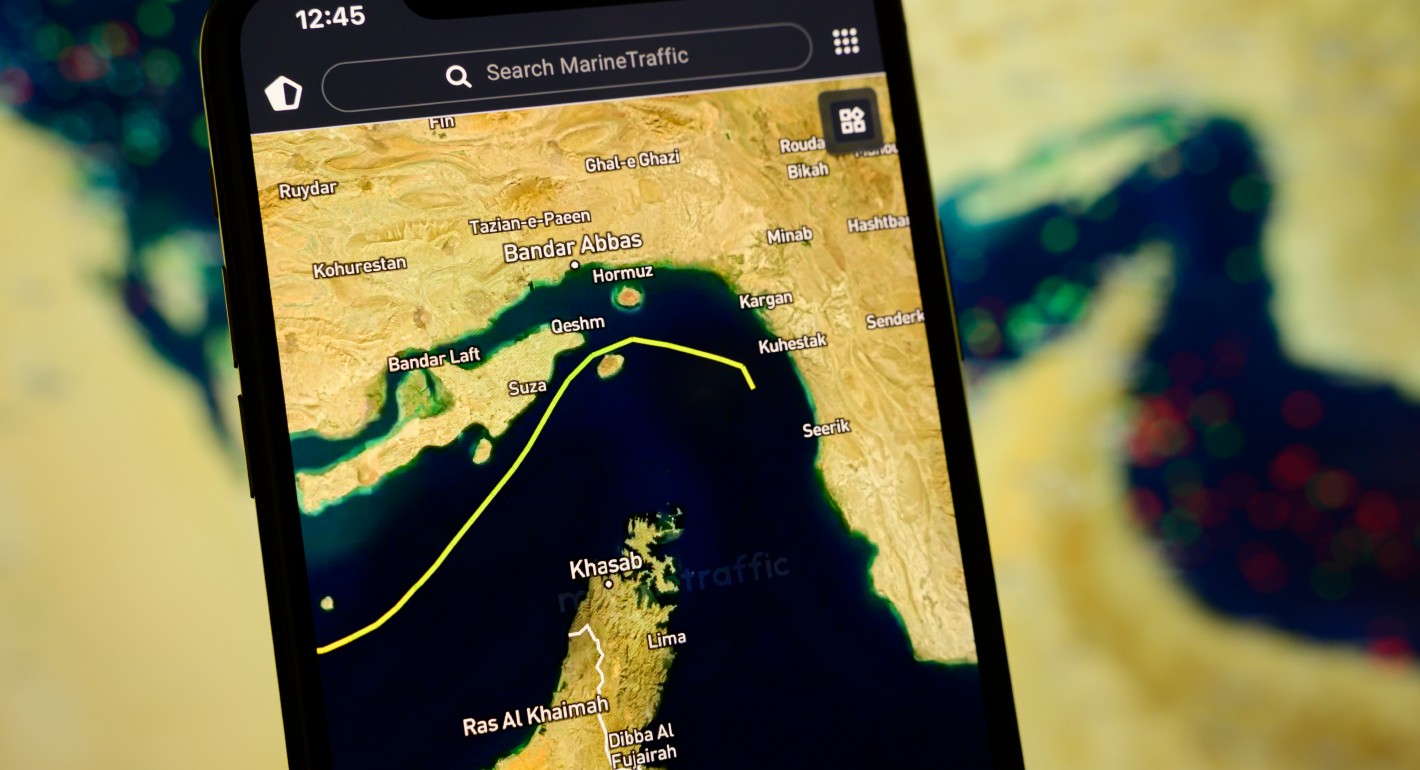
Why the Iran ceasefire isn’t a quick fix to the Strait of Hormuz energy crisis.

Helima Croft, Aaron David Miller
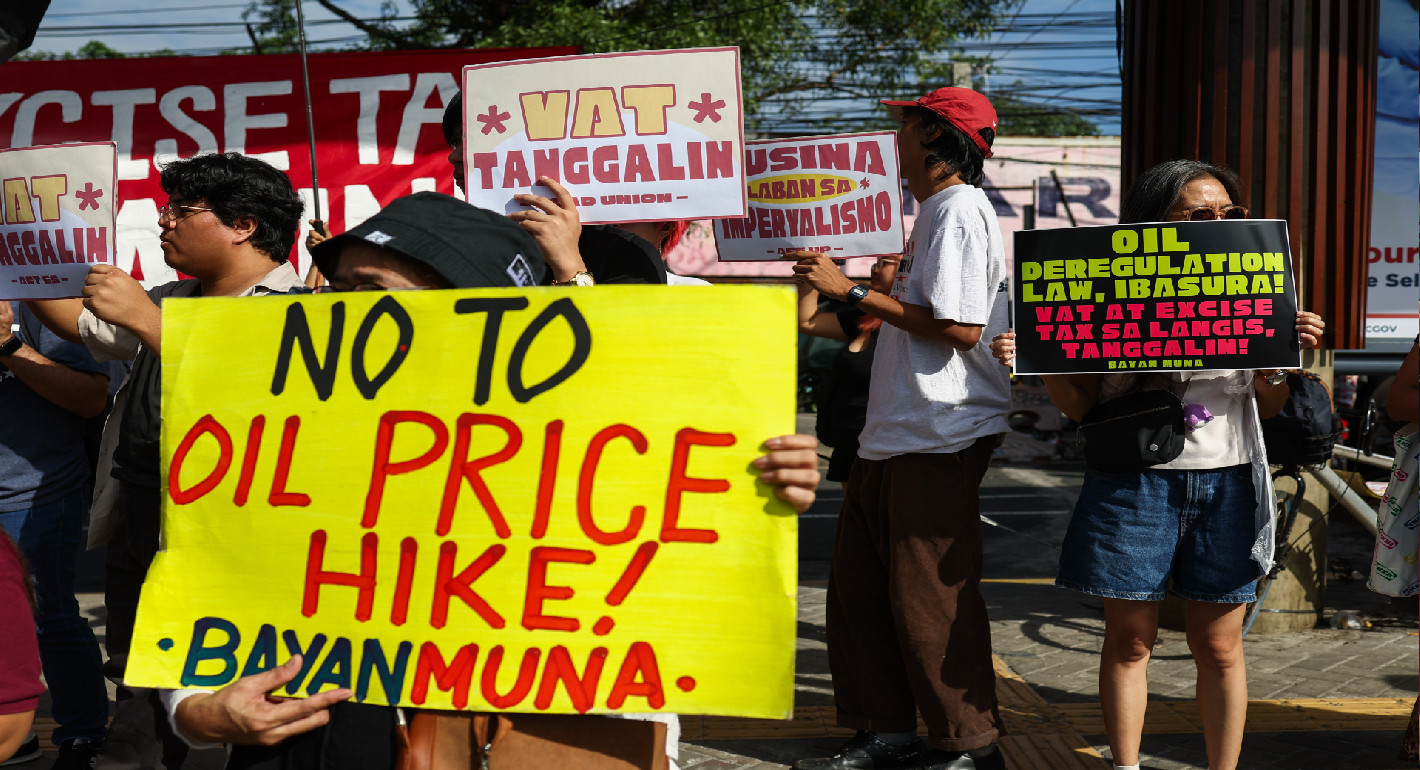
There is no better time for the countries of Southeast Asia to reconsider their energy security than during this latest crisis.
Gita Wirjawan
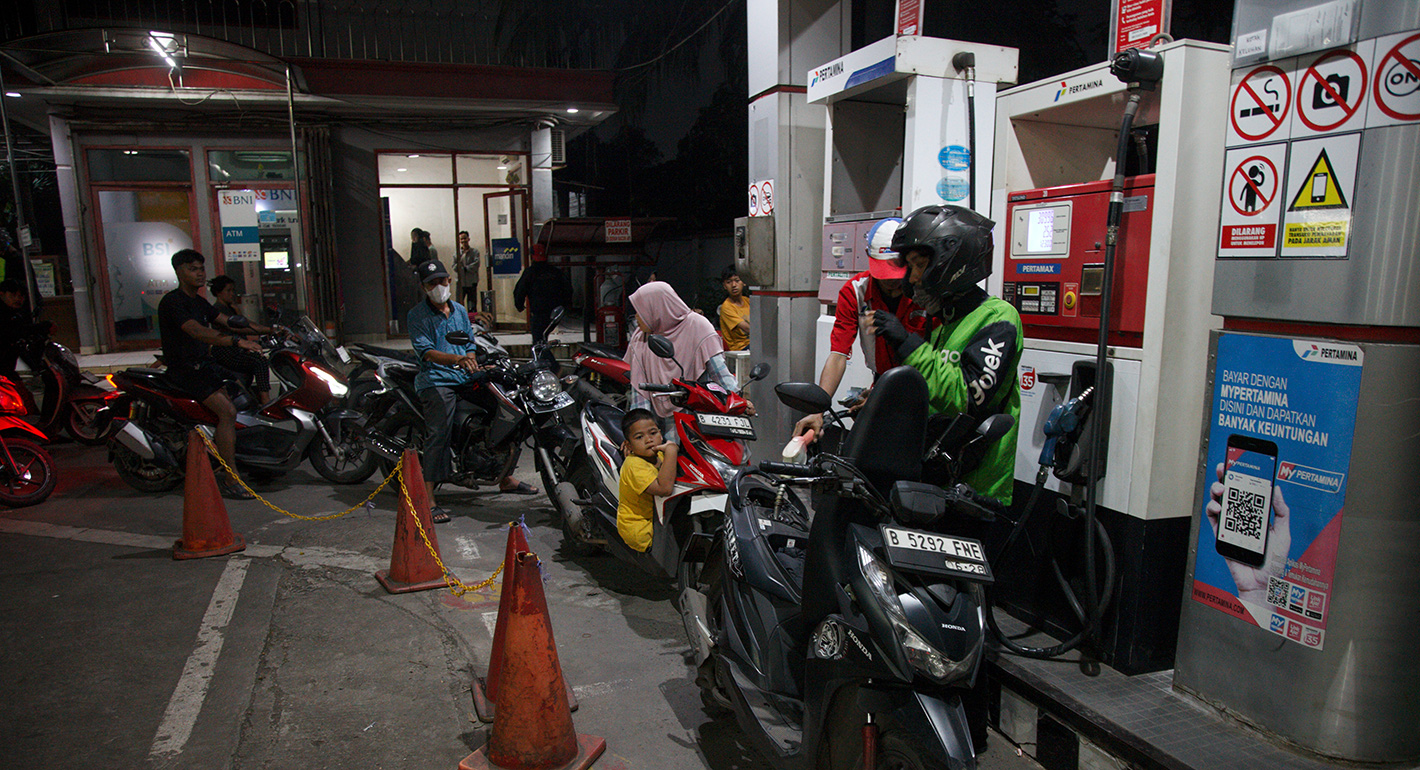
As conflict in the Middle East drives up fuel costs across Asia, Indonesia faces difficult policy trade-offs over subsidies, inflation, and fiscal credibility. President Prabowo’s personalized governance style may make these hard choices even harder to navigate.

Sana Jaffrey

The United States ignores the region’s lived experience—and the tough political and social trade-offs the war has produced—at its peril.

Evan A. Feigenbaum