• Research
  • Emissary
  • About
  • Experts
Carnegie Global logoCarnegie lettermark logo
DemocracyIran
  • Donate
{
  "authors": [],
  "type": "pressRelease",
  "centerAffiliationAll": "dc",
  "centers": [
    "Carnegie Endowment for International Peace"
  ],
  "collections": [],
  "englishNewsletterAll": "ctw",
  "nonEnglishNewsletterAll": "",
  "primaryCenter": "Carnegie Endowment for International Peace",
  "programAffiliation": "SAP",
  "programs": [
    "South Asia"
  ],
  "projects": [],
  "regions": [
    "United States",
    "South Asia",
    "India"
  ],
  "topics": [
    "Security"
  ]
}
REQUIRED IMAGE

REQUIRED IMAGE

Press Release

The United States must assure India of its support on security

On the eve of Indian Prime Minister Manmohan Singh’s first state visit to Washington since Barack Obama took office, the United States and India must agree on three vital security issues to ensure that their relations continue to deepen: terrorism, Kashmir, and the balance of power in Asia.

Link Copied
Published on Oct 28, 2009
Program mobile hero image

Program

South Asia

The South Asia Program informs policy debates relating to the region’s security, economy, and political development. From strategic competition in the Indo-Pacific to India’s internal dynamics and U.S. engagement with the region, the program offers in-depth, rigorous research and analysis on South Asia’s most critical challenges.

Learn More

WASHINGTON, Oct 28—On the eve of Indian Prime Minister Manmohan Singh’s first state visit to Washington since Barack Obama took office, the United States and India must agree on three vital security issues to ensure that their relations continue to deepen: terrorism, Kashmir, and the balance of power in Asia, concludes a new brief by Ashley J. Tellis.

U.S.–India relations are off to a strong start under President Obama following an unprecedented strengthening during the Bush administration. Secretary of State Hillary Clinton scored high points on her visit to India in July, emphasizing economic and social development, and making a number of symbolic gestures to reaffirm India’s importance to the Obama administration. But relations can only advance so far unless India is assured of U.S. support on its major security challenges.

Key Conclusions of the Brief:

  • Terrorism: Pakistan uses U.S. counterterrorism aid to combat terrorists who threaten mainly its own security, ignoring those who target Afghanistan and India. India—and the Indian public, especially—is increasingly frustrated that Washington’s policy has failed to show results. The United States must cooperate with India in addressing this challenge, and redouble its efforts to ensure the cooperation of the Pakistani military.
  • Kashmir: The Bush administration’s hands-off approach on Kashmir was critical to bringing both sides to the negotiating table with realistic expectations. Talk of intervention by the Obama administration could deepen Pakistani recalcitrance, disrupt U.S.–India relations, and set back the peace process.
  • Regional balance of power: The regional balance of power is critical to sustaining India’s current nuclear posture and deterrent capabilities. A private, high-level dialogue between India and the United States would assure New Delhi that Washington values a balanced regional approach—and that U.S. financial dependence on China will not unduly limit the necessity for preserving the appropriate strategic balance in Asia.

“Prime Minister Manmohan Singh’s forthcoming state visit to Washington offers the Obama administration a splendid opportunity to engage on these issues, and also on the U.S. priorities of climate change, nonproliferation, and economic and defense cooperation,” writes Tellis. “The success and durability of the partnership between India and the United States will depend on it.”

###


NOTES

  • Click here to read the brief
  • Ashley J. Tellis is a senior associate in the Carnegie South Asia program. He specializes in international security, defense, and Asian strategic issues and helped the U.S. State Department negotiate the civil nuclear agreement with India. Previously, he was a senior adviser to the U.S. ambassador to India and was a special assistant to the president and senior director for strategic planning and Southwest Asia in the National Security Council.
  • This policy brief is the first of a two-part series focusing on U.S.–Indian relations. The second brief, which will precede Prime Minister Manmohan Singh’s visit to the United States in November, will focus on the issues that President Obama has identified as his administration’s priorities: climate change, nonproliferation, and economic and defense cooperation.
  • The Carnegie South Asia Program offers in-depth expertise on a range of issues relating to South Asia, including nonproliferation, international security, and political and economic development.
  • Press Contact: David Kampf, 202/939-2233, dkampf@ceip.org
SecurityUnited StatesSouth AsiaIndia

Carnegie does not take institutional positions on public policy issues; the views represented herein are those of the author(s) and do not necessarily reflect the views of Carnegie, its staff, or its trustees.
More Work from Carnegie Endowment for International Peace

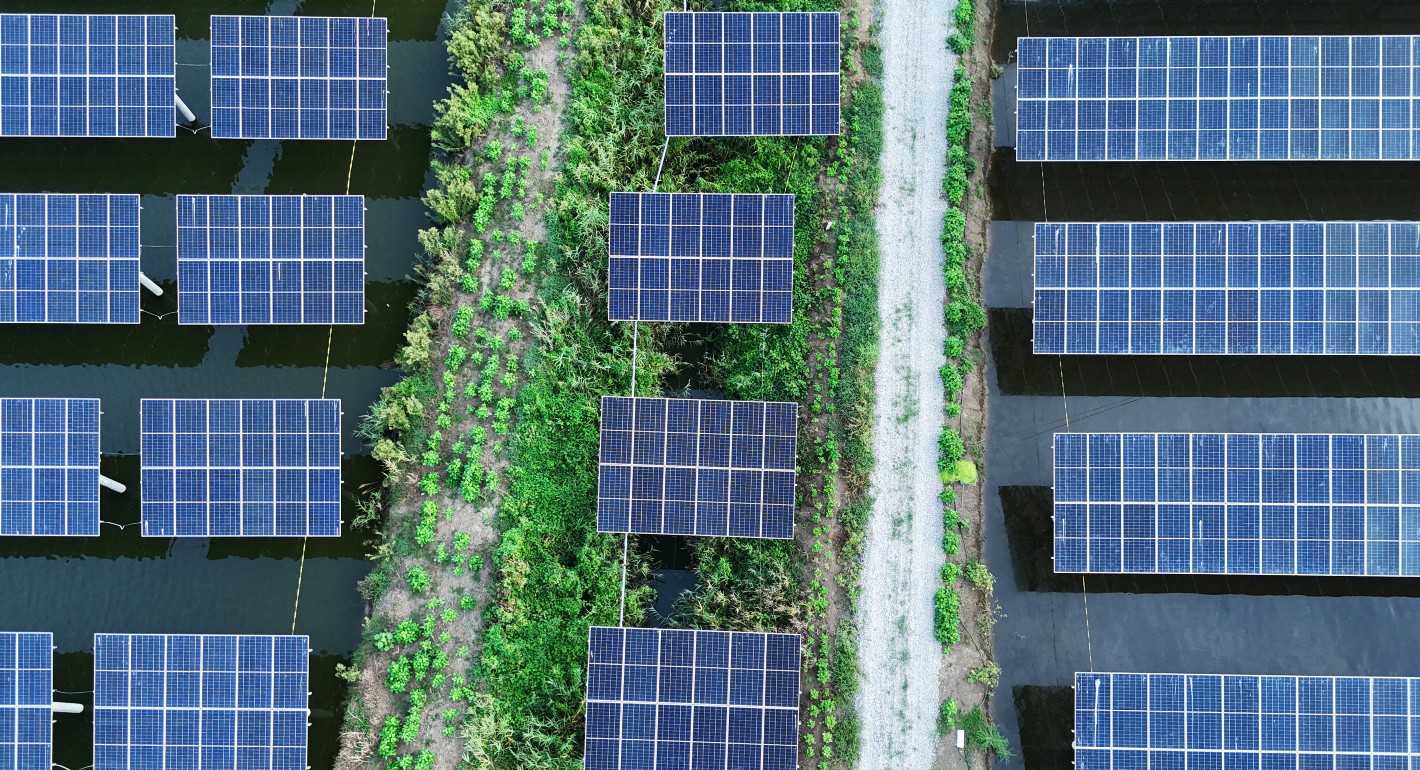
  • Overhead view of solar panels atop lush green fish ponds.
    Paper
    How the U.S. Export-Import Bank Can Finally Join the Fight Against Climate Change

    Congress needs to step up and make EXIM a low-carbon financing powerhouse.
      Jesse Young

  • Commentary
    Carnegie Politika
    As It Turns 25, the Shanghai Cooperation Organization Reflects the New World Order

    With the growth in points of friction between the great powers, organizations like the SCO will continue to play a role in the strategic adaptation of the smaller powers caught between them.

      Temur Umarov
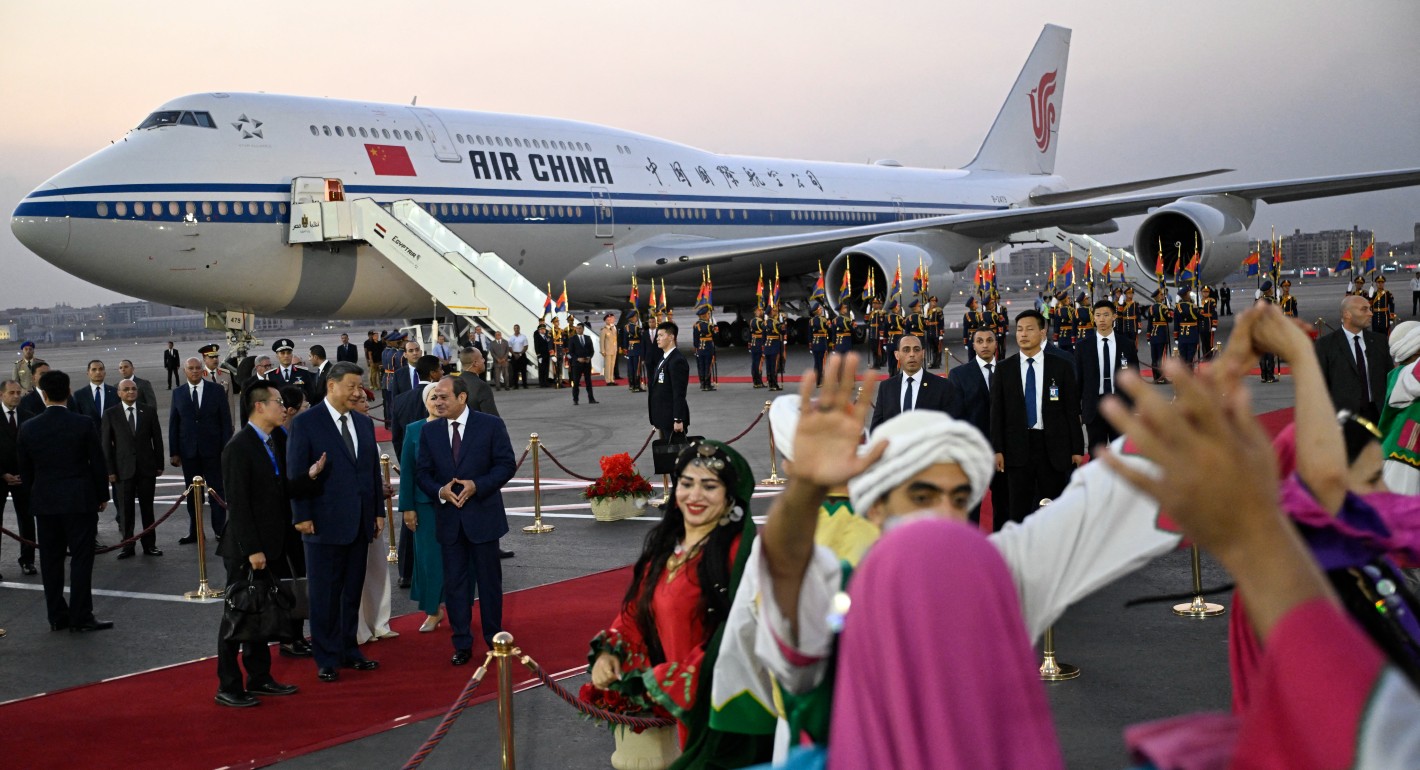
  • People dancing in the foreground, with a group of people in suites watching and an Air China plane in the background
    Commentary
    Emissary
    The Two Key Takeaways From Xi’s Egypt Visit

    Amid celebrations of bilateral ties was a deeper focus on stability in the Middle East.

      Amr Hamzawy

  • Carney Canada EU Trump
    Commentary
    Strategic Europe
    Taking the Pulse: Is Canada Leading a Third Way?

    Canadian Prime Minister Mark Carney has twice inspired praise for standing up to U.S. President Donald Trump: at the 2026 World Economic Forum in Davos and on Canada-U.S. trade negotiations. Is Carney showing a third way better than the EU has in dealing with the Trump administration?

      • Rym Momtaz

      Rym Momtaz, ed.

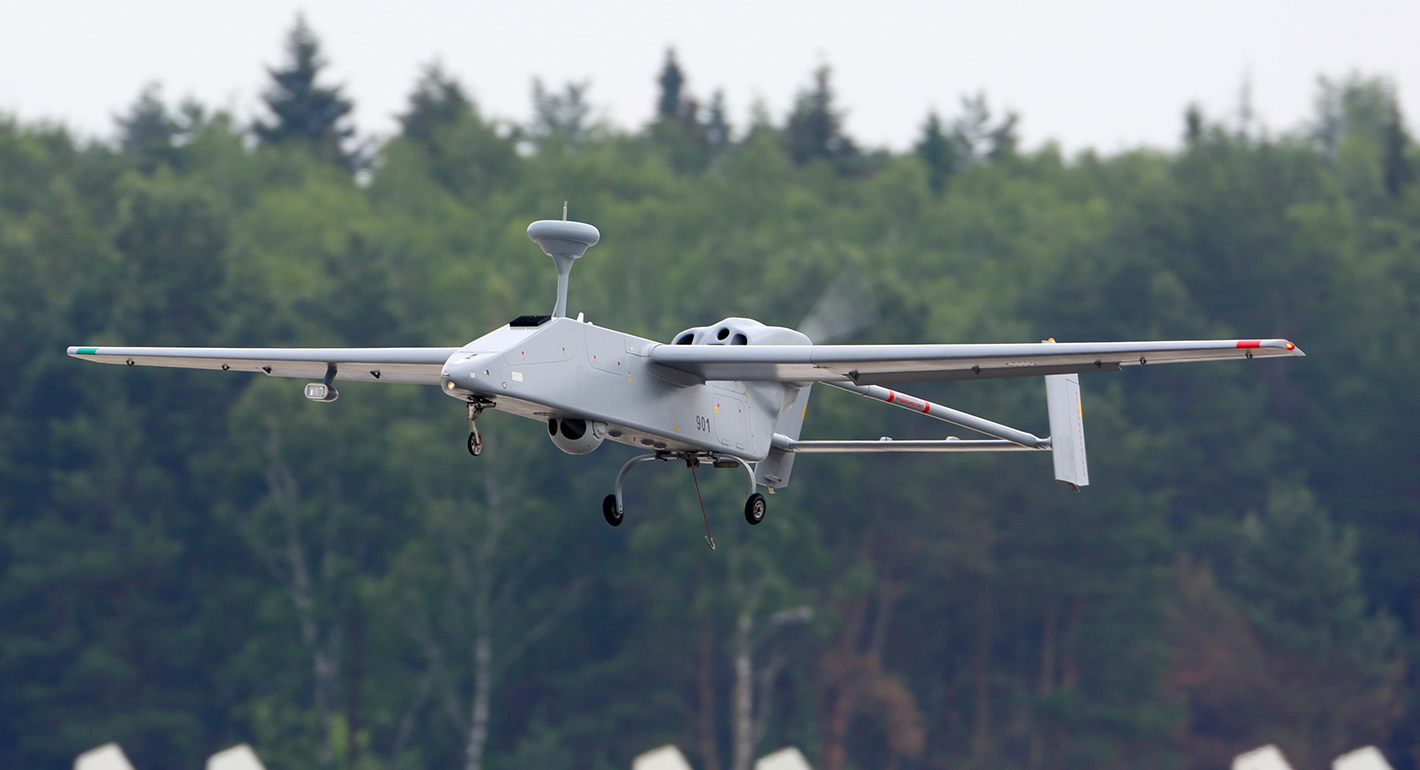
  • UAV Forpost of russian air force takes off at Kubinka air force base
    Article
    In Russia’s Long Drone Shadow

    Moscow is testing Europe’s defenses with drone incursions and could decide to use drones against the continent on a much larger scale once the war in Ukraine pauses. European countries will need Kyiv to help them prepare for such a possibility.
      • Pavlo Zvenyhorodskyi

      Pavlo Zvenyhorodskyi

Get more news and analysis from
Carnegie Endowment for International Peace
Carnegie global logo, stacked
1779 Massachusetts Avenue NWWashington, DC, 20036-2103Phone: 202 483 7600
  • Research
  • Emissary
  • About
  • Experts
  • Donate
  • Programs
  • Events
  • Blogs
  • Podcasts
  • Contact
  • Annual Reports
  • Careers
  • Privacy
  • For Media
  • Government Resources
Get more news and analysis from
Carnegie Endowment for International Peace
© 2026 Carnegie Endowment for International Peace. All rights reserved.