Q&A
Christopher Boucek
{
  "authors": [
    "Christopher Boucek"
  ],
  "type": "legacyinthemedia",
  "centerAffiliationAll": "dc",
  "centers": [
    "Carnegie Endowment for International Peace"
  ],
  "collections": [],
  "englishNewsletterAll": "menaTransitions",
  "nonEnglishNewsletterAll": "",
  "primaryCenter": "Carnegie Endowment for International Peace",
  "programAffiliation": "MEP",
  "programs": [
    "Middle East"
  ],
  "projects": [],
  "regions": [
    "Middle East",
    "Yemen",
    "South Asia",
    "Afghanistan",
    "Pakistan"
  ],
  "topics": [
    "Security"
  ]
}
Source: Getty
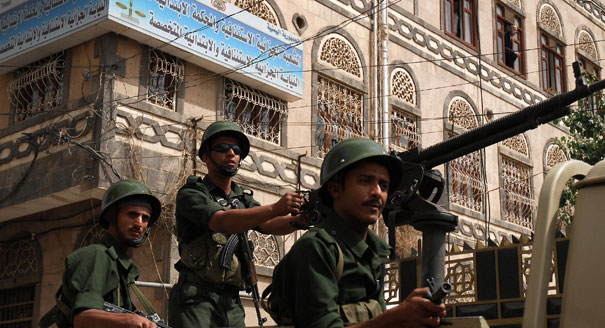
Assertions that "Yemen is tomorrow's war" are unhelpful; while Yemen will not replace South Asia as the central front in the war on terror, it is nevertheless a critical state of concern that will require long-term attention to target the sources of its instability.
Source: The Independent

The past year has seen the emergence of a resurgent al-Qa'ida organisation in Yemen, with the clear intention and capacity to mount operations regionally and internationally. Still, assertions that "Yemen is tomorrow's war" are unhelpful and inappropriate.
Al-Qa'ida in the Arabian Peninsula is now a clear priority for American national security officials. Over past months, Yemen has gained prominence as people began to recognise that the rapidly deteriorating security and stability situation presents a near-perfect environment for al-Qa'ida to operate in.
Yemen is facing a host of challenges, including a civil war in the north, a secessionist movement in the south, looming economic crisis, resource depletion, and rampant unemployment and corruption. The central government does not have the capacity or authority to exert full control throughout the country. As Sana'a's control slowly recedes, it is in the emerging under-governed spaces that it is feared extremists and terrorists will seek new safe havens.
Over the past six months there have been several press accounts of al-Qa'ida operatives fleeing Pakistan and heading to Yemen and Somalia. According to intelligence sources quoted in media reports, as counter-terrorism operations degrade al-Qa'ida capacity in Pakistan's tribal areas, terrorists have sought out new sanctuaries in Yemen's under-governed spaces.
Yemen is increasingly discussed in Washington as a counter-terrorism priority second only to Afghanistan and Pakistan – and with good reason. But while the resources that the United States has devoted to Yemen have sharply increased, they pale in comparison to the billions of dollars spent on Pakistan.
In spite of the parallels, Yemen will not replace South Asia as the central front in the war on terror. The American and allied military presence in neighbouring Afghanistan, the vast American commitment to the region, the Pakistani nuclear arsenal, and the presumed presence of senior al-Qa'ida leaders including Osama bin Laden will all continue to make Pakistan a greater priority for US national security.
Nevertheless, Yemen is a critical state of concern. Western and regional interests have been targeted there, and eliminating the AQAP leadership that uses it as a base will be a priority. Killing or capturing al-Qa'ida operatives is only a fraction of a coherent counter-terrorism strategy. An integrated approach will require long-term attention that targets the sources of instability.
In this sense, Yemen and Pakistan represent similar challenges for the international community. They will both require sustained and intensive attention, capacity building, and support.

Former Associate, Middle East Program
Boucek was an associate in the Carnegie Middle East Program where his research focused on security challenges in the Arabian Peninsula and Northern Africa.
Recent Work
Christopher Boucek

Christopher Boucek, Karim Sadjadpour
Carnegie does not take institutional positions on public policy issues; the views represented herein are those of the author(s) and do not necessarily reflect the views of Carnegie, its staff, or its trustees.

This piece argues that the present Indian strategy, based on opportunistic diversification and utilization of limited strategic reserves, remains inadequate when confronting supply disruptions. It evaluates India’s options in the short, medium, and long terms.

Vrinda Sahai

Its reinstatement should be celebrated, but it retains some major shortcomings.

Leonardo Martinez-Diaz

Despite long-standing differences, China and Vietnam are reinforcing common ground for collaboration, especially in public security. This internal security–centered diplomacy offers a strengthened road map for how China moves forward with Southeast Asia.
Sophie Zhuang
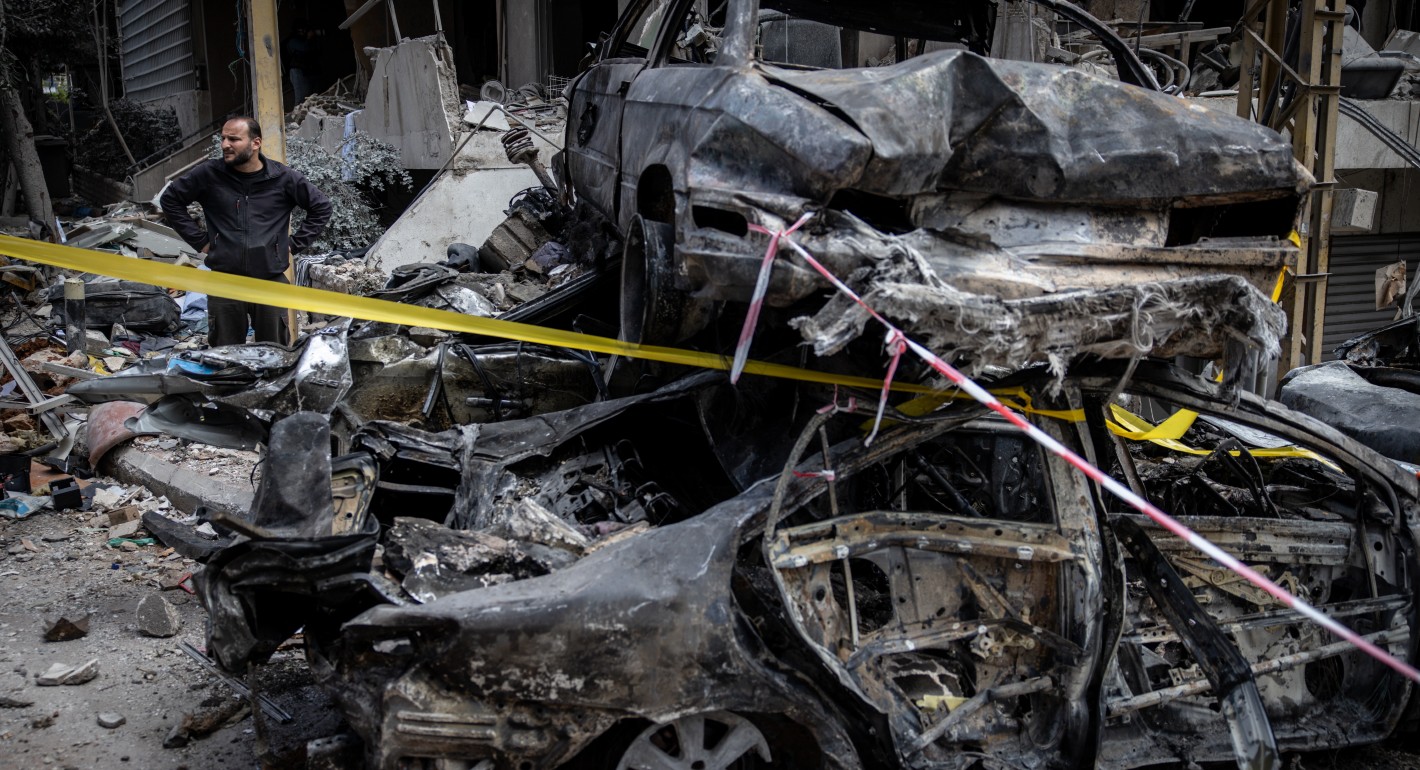
Four Middle East experts analyze the region’s reactions and next steps.



Amr Hamzawy, Andrew Leber, Eric Lob, …
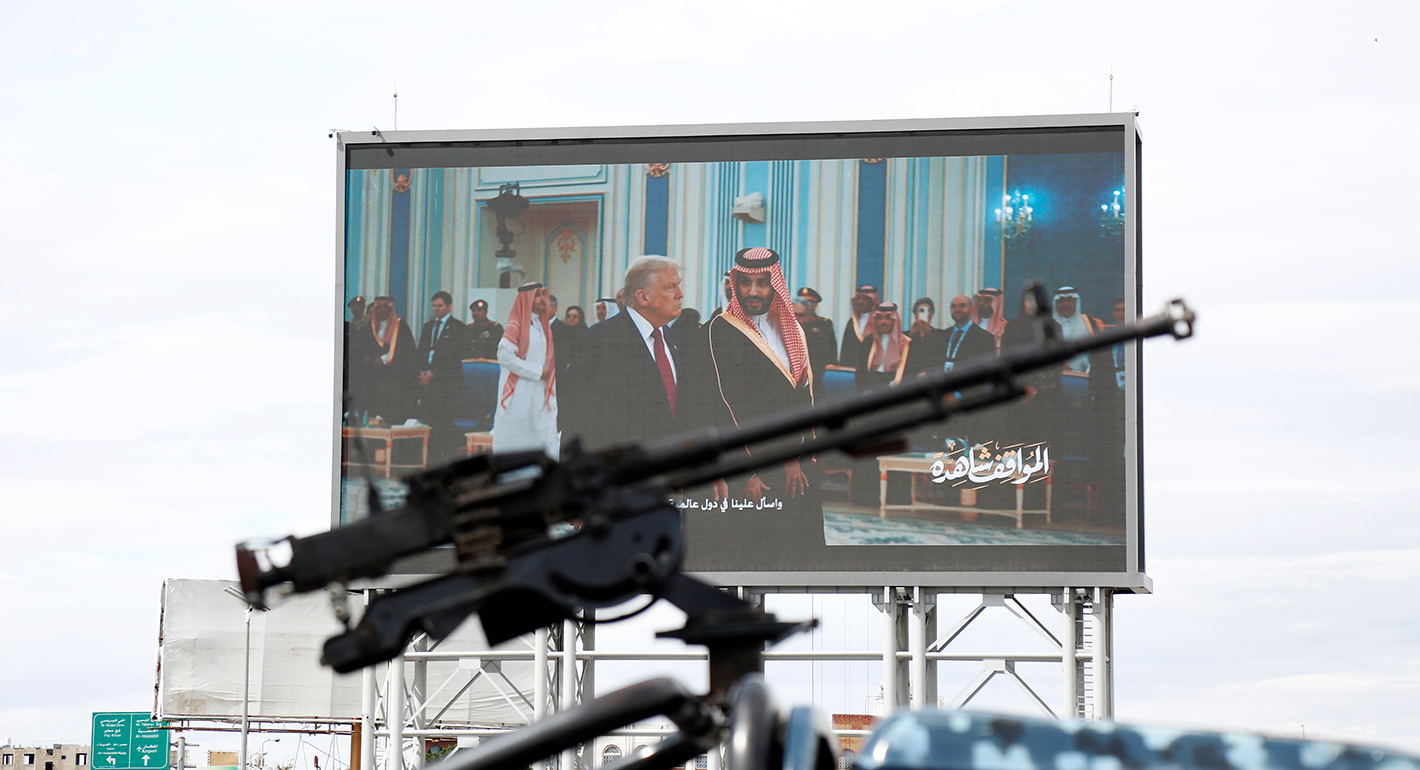
As the war between the United States, Israel, and Iran continues, Carnegie scholars contribute cutting-edge analysis on the events of the war and their wide-reaching implications. From the impact on Iran and its immediate neighbors to the responses from Gulf states to fuel and fertilizer shortages caused by the effective shutdown of the Strait of Hormuz, the war is reshaping Middle East alliances and creating shockwaves around the world. Carnegie experts analyze it all.