Article
Ariel (Eli) Levite, Toby Dalton
{
  "authors": [
    "Ariel (Eli) Levite"
  ],
  "type": "legacyinthemedia",
  "centerAffiliationAll": "dc",
  "centers": [
    "Carnegie Endowment for International Peace"
  ],
  "collections": [],
  "englishNewsletterAll": "ctw",
  "nonEnglishNewsletterAll": "",
  "primaryCenter": "Carnegie Endowment for International Peace",
  "programAffiliation": "NPP",
  "programs": [
    "Nuclear Policy",
    "Middle East"
  ],
  "projects": [],
  "regions": [
    "Middle East",
    "Israel"
  ],
  "topics": [
    "Nuclear Policy",
    "Nuclear Energy"
  ]
}
Source: Getty
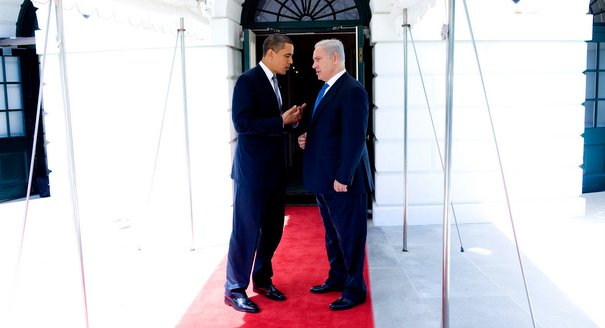
While Israel is likely sympathetic to the idea of achieving a world without nuclear weapons, it remains agnostic about the prospects of a nuclear-free world and realistic about the complicated process.
Source: The Washington Quarterly

To this end, it is useful to pull together some of the basic tenets that underlie the core Israeli outlook on disarmament and, from them, infer some propositions that would probably factor in any Israeli consideration of arms control and disarmament initiatives, including Global Zero. The ultimate result is, nevertheless, bound to be both tentative as well as very personal and should be treated as such. Ultimately, the key questions are: what are Israel's views on a nuclear-weapons-free world? And what role, if any, would it be likely to play in the Global Zero campaign presently underway?

Senior Fellow, Nuclear Policy Program, Technology and International Affairs Program
Levite was the principal deputy director general for policy at the Israeli Atomic Energy Commission from 2002 to 2007.
Recent Work

Ariel (Eli) Levite, Toby Dalton



James M. Acton, Saskia Brechenmacher, Cecily Brewer, …
Carnegie does not take institutional positions on public policy issues; the views represented herein are those of the author(s) and do not necessarily reflect the views of Carnegie, its staff, or its trustees.
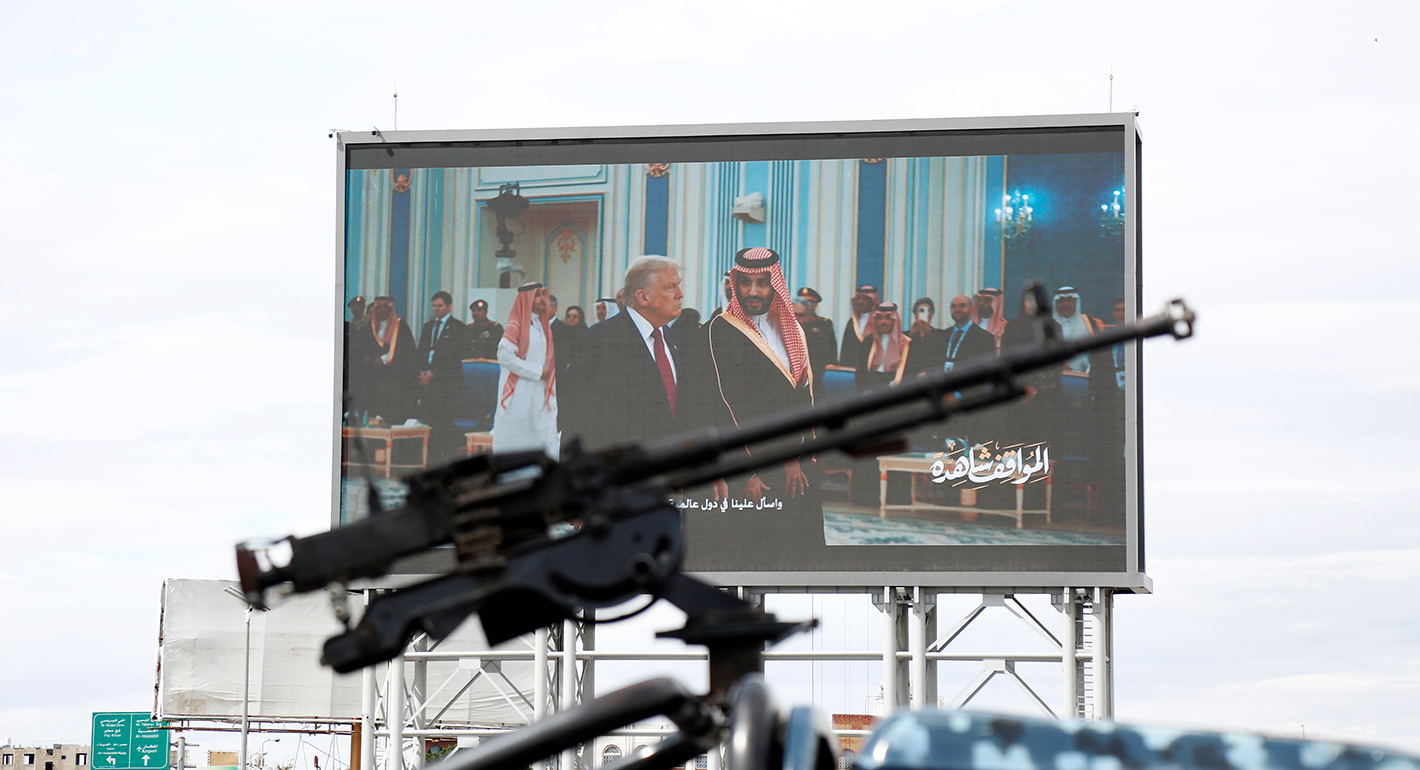
As the war between the United States, Israel, and Iran continues, Carnegie scholars contribute cutting-edge analysis on the events of the war and their wide-reaching implications. From the impact on Iran and its immediate neighbors to the responses from Gulf states to fuel and fertilizer shortages caused by the effective shutdown of the Strait of Hormuz, the war is reshaping Middle East alliances and creating shockwaves around the world. Carnegie experts analyze it all.
The return of war as the organizing factor in Middle Eastern politics has predictable consequences: governments are prioritizing regime stability and becoming averse to political and social reform.


Sarah Yerkes, Amr Hamzawy
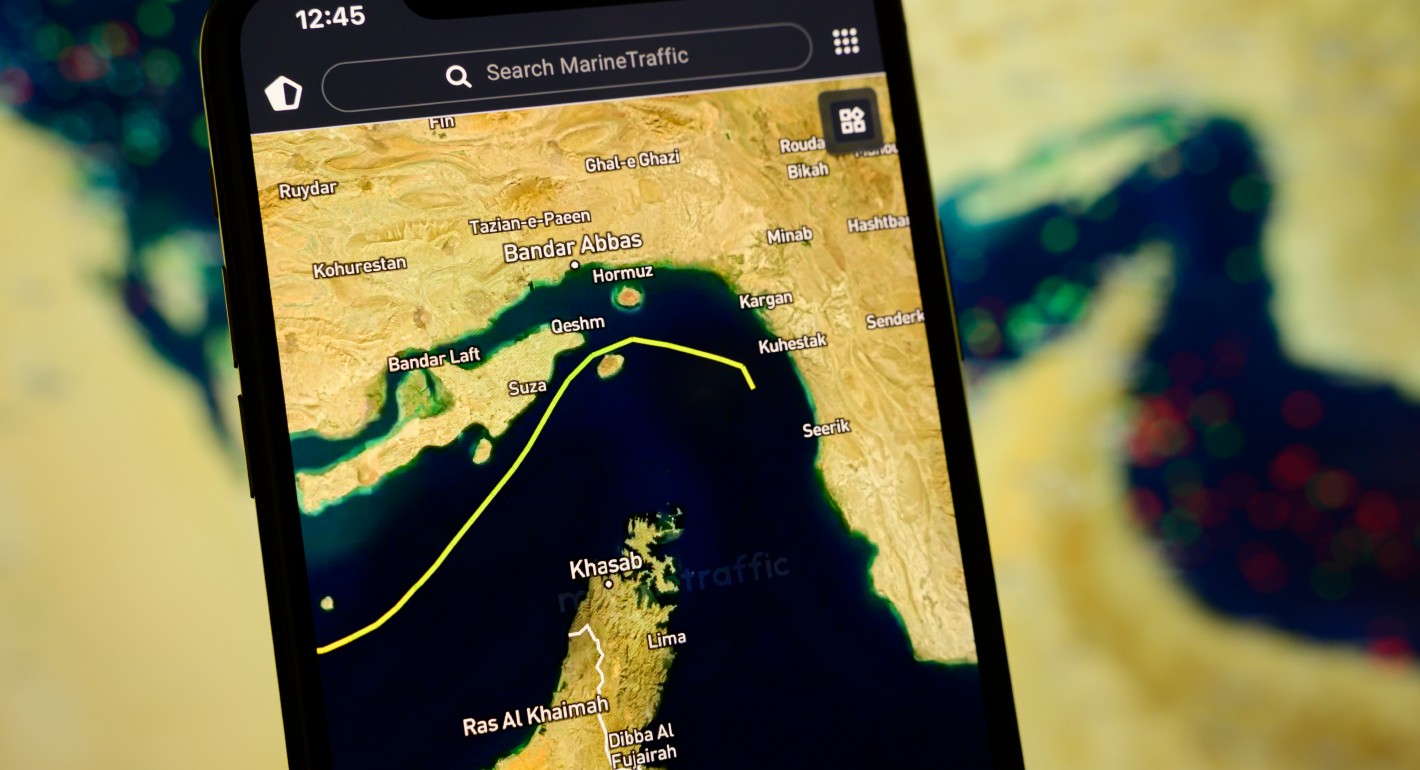
Why the Iran ceasefire isn’t a quick fix to the Strait of Hormuz energy crisis.


Helima Croft, Aaron David Miller
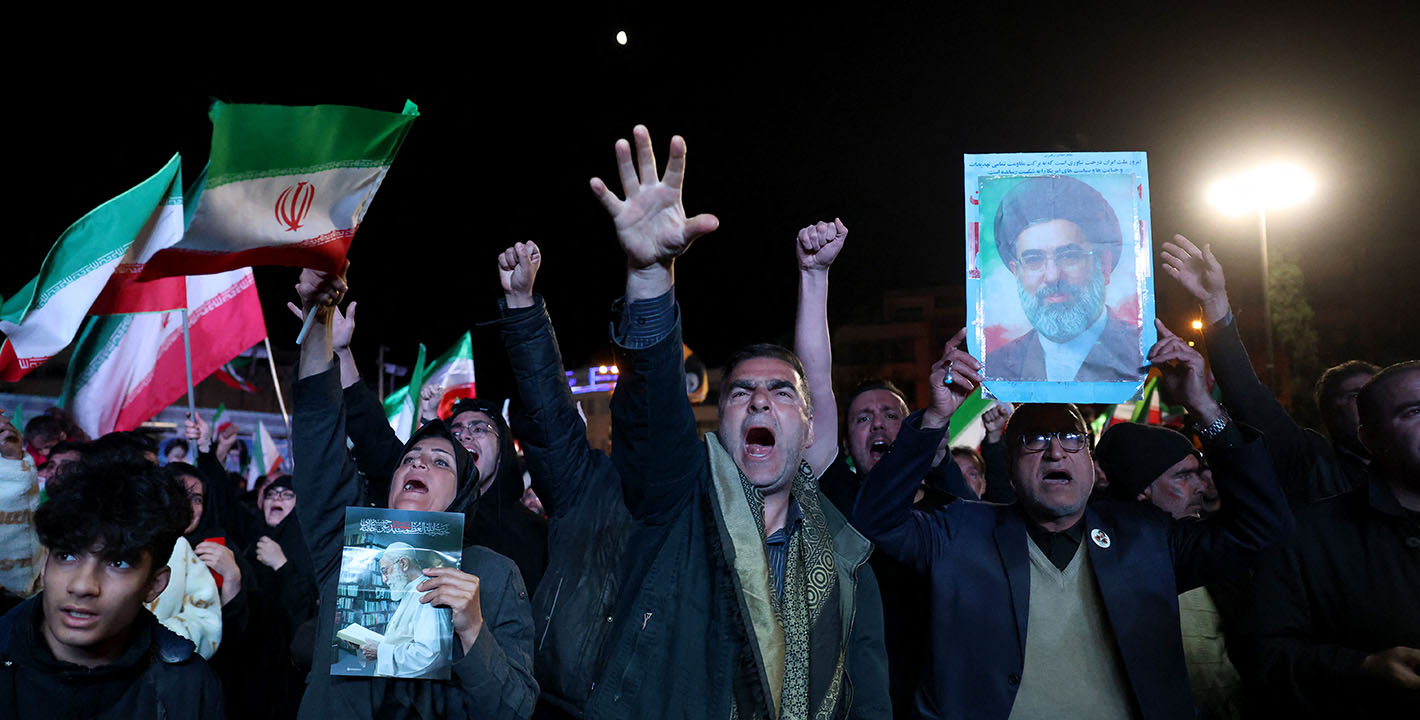
Spot analysis from Carnegie scholars on events relating to the Middle East and North Africa.

Michael Young
Not only does the fighting jeopardize regional security, it undermines Russian attempts to promote alternatives to the Western-dominated world order.

Ruslan Suleymanov