Research
- +6
Yasmine Farouk, Nathan J. Brown, Maysaa Shuja Al-Deen, …
Source: Getty
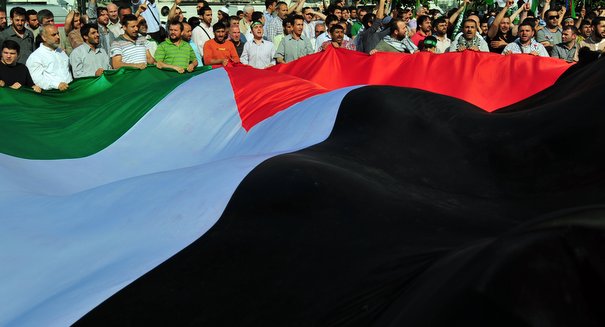
A two-state solution requires reconciliation between Palestinian factions and reunification of the West Bank and Gaza. The United States should support Palestinian institution building and be open to political competition, including elections.
The Israeli raid on the flotilla of humanitarian aid headed for Gaza dealt a blow to chances for a breakthrough in the peace process. As the U.S. administration struggles to keep indirect talks alive, Michele Dunne prescribes a different approach. It is clear that a two-state solution requires reconciliation between Palestinian factions and reunification of the West Bank and Gaza. Dunne recommends that the United States should support Palestinian institution building and be open to political competition, including elections.
“By allowing political competition in the Palestinian territories, the United States can help lay the groundwork necessary for a lasting peace settlement,” writes Dunne. “And Israel can have faith that a Palestinian negotiating partner possesses enough popular support to make agreements and uphold them.”

Former Nonresident Scholar, Middle East Program
Michele Dunne was a nonresident scholar in Carnegie’s Middle East Program, where her research focuses on political and economic change in Arab countries, particularly Egypt, as well as U.S. policy in the Middle East.
Recent Work



Yasmine Farouk, Nathan J. Brown, Maysaa Shuja Al-Deen, …

Robert Springborg, Emile Hokayem, Becca Wasser, …
Carnegie does not take institutional positions on public policy issues; the views represented herein are those of the author(s) and do not necessarily reflect the views of Carnegie, its staff, or its trustees.
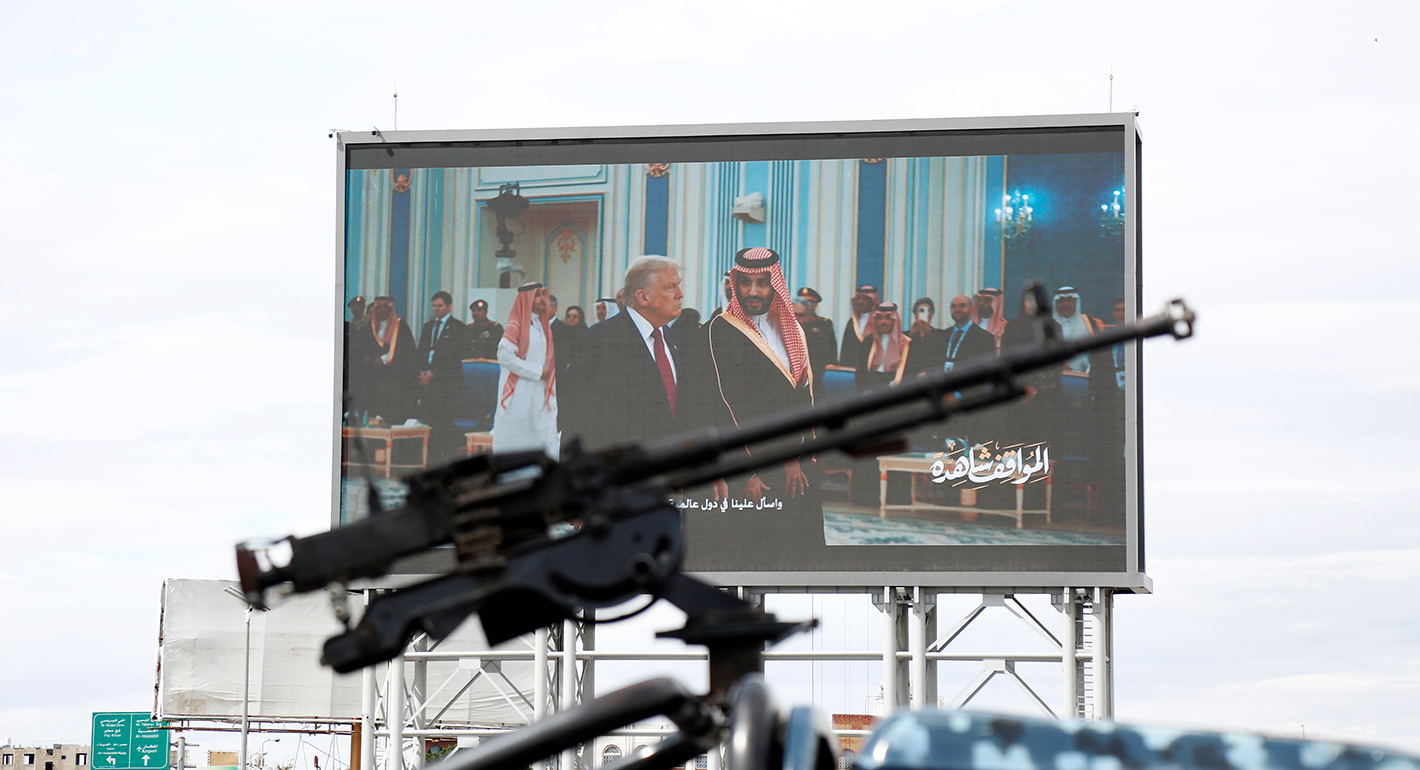
As the war between the United States, Israel, and Iran continues, Carnegie scholars contribute cutting-edge analysis on the events of the war and their wide-reaching implications. From the impact on Iran and its immediate neighbors to the responses from Gulf states to fuel and fertilizer shortages caused by the effective shutdown of the Strait of Hormuz, the war is reshaping Middle East alliances and creating shockwaves around the world. Carnegie experts analyze it all.
The return of war as the organizing factor in Middle Eastern politics has predictable consequences: governments are prioritizing regime stability and becoming averse to political and social reform.


Sarah Yerkes, Amr Hamzawy

Central Asia’s digital ambitions are achievable, but only if policy is aligned with the region’s physical constraints.

Aruzhan Meirkhanova
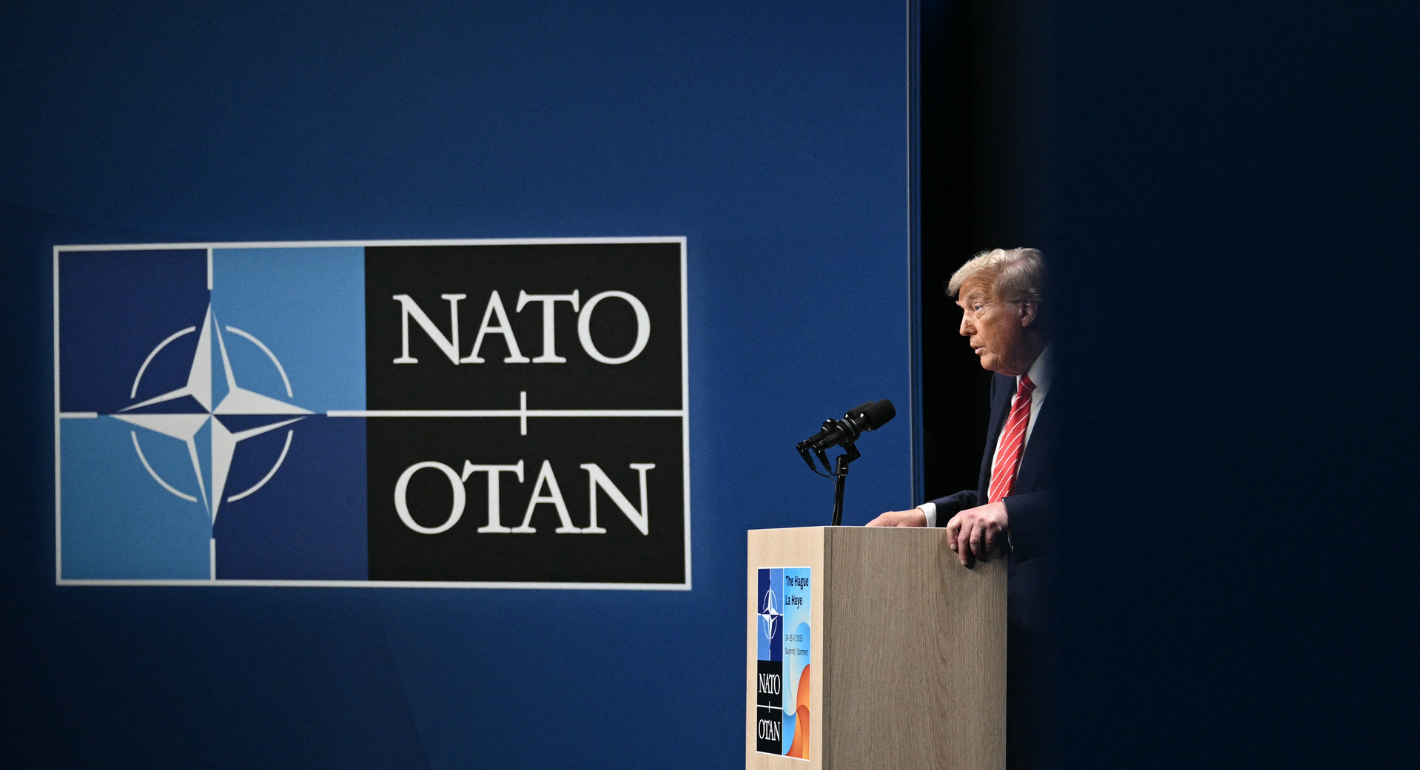
Donald Trump has repeatedly bashed NATO and European allies, threatening to annex Canada and Greenland and deploring their lack of enthusiasm for his war of choice in Iran. Is this latest round of abuse the final straw?

Rym Momtaz, ed.

The future looks bleak for independent media worldwide, but there is a robust infrastructure of knowledge, organizations, and people to build upon.


Daniel Sabet, Susan Abbott