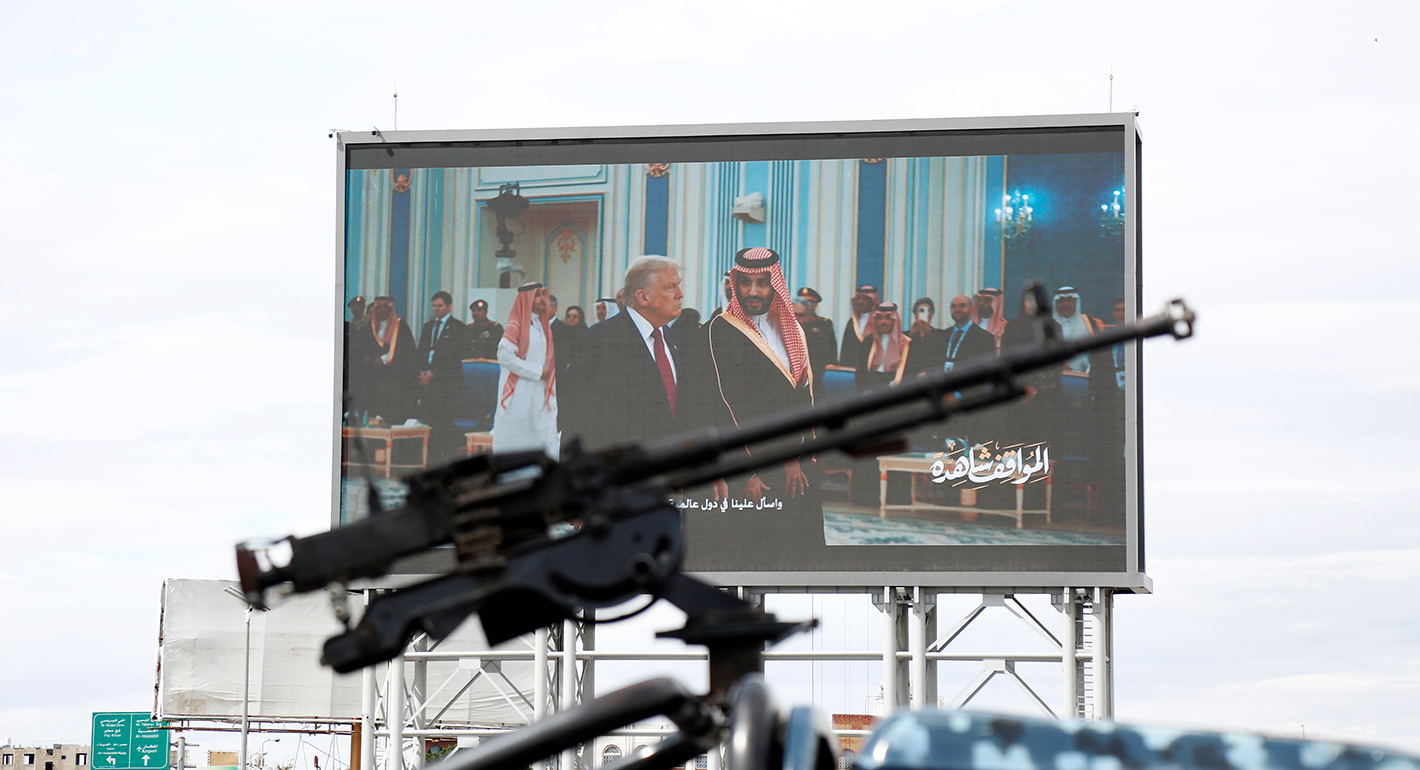
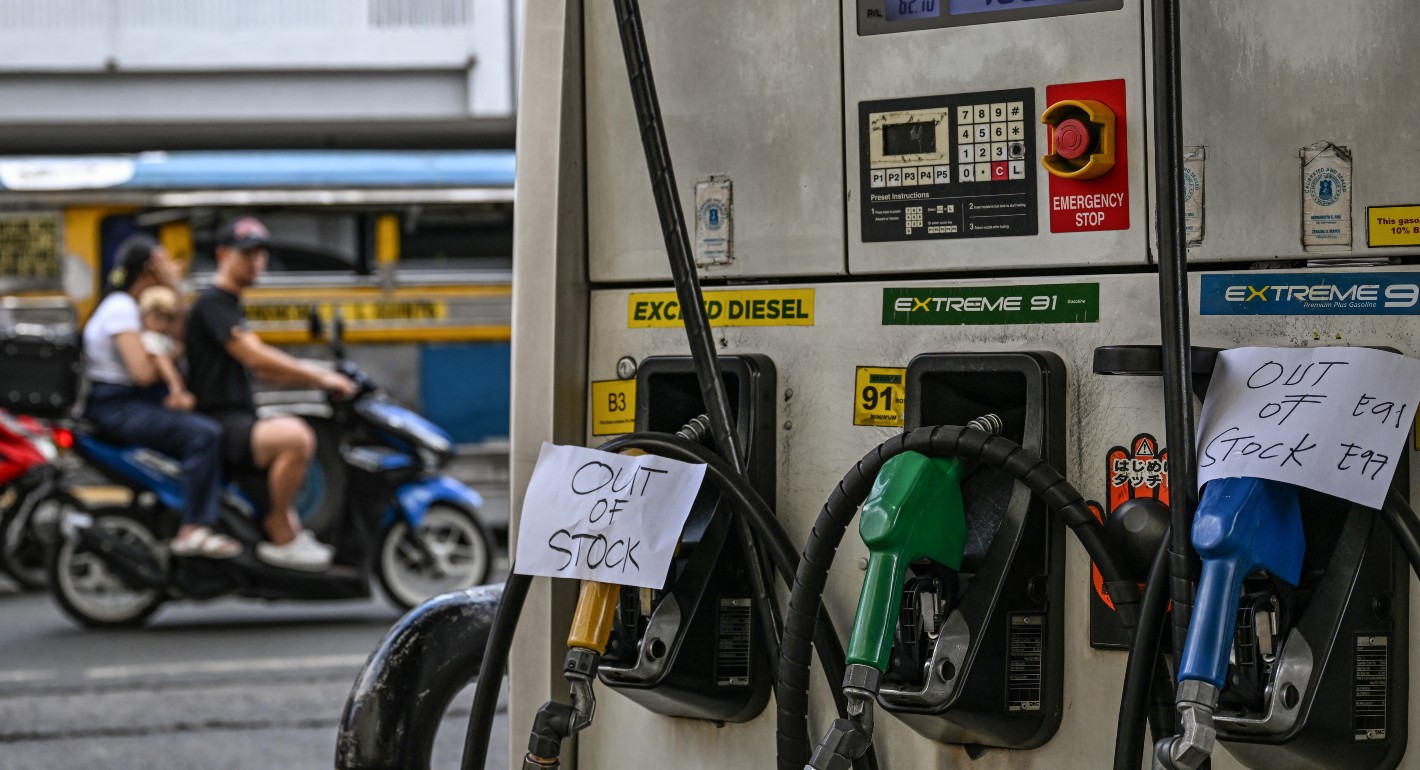
As the war between the United States, Israel, and Iran continues, Carnegie scholars contribute cutting-edge analysis on the events of the war and their wide-reaching implications. From the impact on Iran and its immediate neighbors to the responses from Gulf states to fuel and fertilizer shortages caused by the effective shutdown of the Strait of Hormuz, the war is reshaping Middle East alliances and creating shockwaves around the world. Carnegie experts analyze it all.

{
"authors": [],
"type": "other",
"centerAffiliationAll": "dc",
"centers": [
"Carnegie Endowment for International Peace",
"Carnegie Europe",
"Carnegie Russia Eurasia Center"
],
"collections": [],
"englishNewsletterAll": "ctw",
"nonEnglishNewsletterAll": "",
"primaryCenter": "Carnegie Endowment for International Peace",
"programAffiliation": "russia",
"programs": [
"Russia and Eurasia"
],
"projects": [],
"regions": [
"Russia",
"Western Europe",
"Europe",
"Caucasus"
],
"topics": [
"Foreign Policy"
]
}Source: Getty
EU-Russia: The Elusive Road to Cooperation
Despite optimistic rhetoric of partnership and strategic cooperation, the recent EU–Russia summit ended without any significant agreements and relations between Moscow and Brussels have entered a period of stagnation.
Despite optimistic rhetoric of partnership and strategic cooperation, the recent EU–Russia summit ended without any significant agreements. Relations between Moscow and Brussels have entered a period of stagnation, marking time as policy makers on both sides grapple with their own domestic and international challenges and weigh the costs and benefits of further integration.
In a new series of commentaries, Carnegie experts from Moscow, Brussels, and Washington take stock of the relationship, assess the challenges and opportunities for both sides, and provide a clearer view of what is—what is not—possible for EU–Russian relations.
Adding the Union to Russian-European Relations

The need for a strong relationship between Moscow and Brussels is clear, as are the tasks at hand. So, too, are the roadblocks. Europe faces administrative and political barriers to a common policy on Russia, and Russia remains unwilling to undertake reforms that would make it fully compatible with the EU. Among their greatest challenges will be adding the “Union” to Russian–European relations—almost all progress has been made in cities other than Brussels.
EU-Russia Energy Relations: A Pause or Fast Forward?

Driven by changing market conditions, increasing costs of production, and a real commitment to efficiency, Russia stands to gain much from increased collaboration with Europe. But for real progress to be made, both sides need to develop a clearer conception of their own energy security and the price they are willing to pay for it.
A Dialogue of the Deaf: EU–Russia Economic Cooperation

Russia’s drive to boost efficiency and diversification and move towards a knowledge-based economy, coupled with a recognition that foreign investment will be crucial to success, could open the door to a true “Partnership for Modernization” with Europe. But Moscow’s unwillingness to trust market forces and continued insistence on top-down economic policies make true partnership almost impossible.
EU-Russia: You Can’t Always Get What You Want

Russia wants Europe’s technological resources to maintain its current economic and political system going, but Europe wants institutional harmonization and integration built on Russia’s eventual democratization. If Europe wants to achieve that, it will have to find ways—including easing visa requirements—to bypass the Kremlin and integrate directly with Russian citizens and businesses.
Carnegie does not take institutional positions on public policy issues; the views represented herein are those of the author(s) and do not necessarily reflect the views of Carnegie, its staff, or its trustees.
More Work from Carnegie Endowment for International Peace
- The Iran War’s Global ReachCollection
- Amid Iran War, Gulf Countries Slow the Pace of ReformsArticle
The return of war as the organizing factor in Middle Eastern politics has predictable consequences: governments are prioritizing regime stability and becoming averse to political and social reform.
Sarah Yerkes, Amr Hamzawy
- Power, Pathways, and Policy: Grounding Central Asia’s Digital AmbitionsCommentary
Central Asia’s digital ambitions are achievable, but only if policy is aligned with the region’s physical constraints.
Aruzhan Meirkhanova
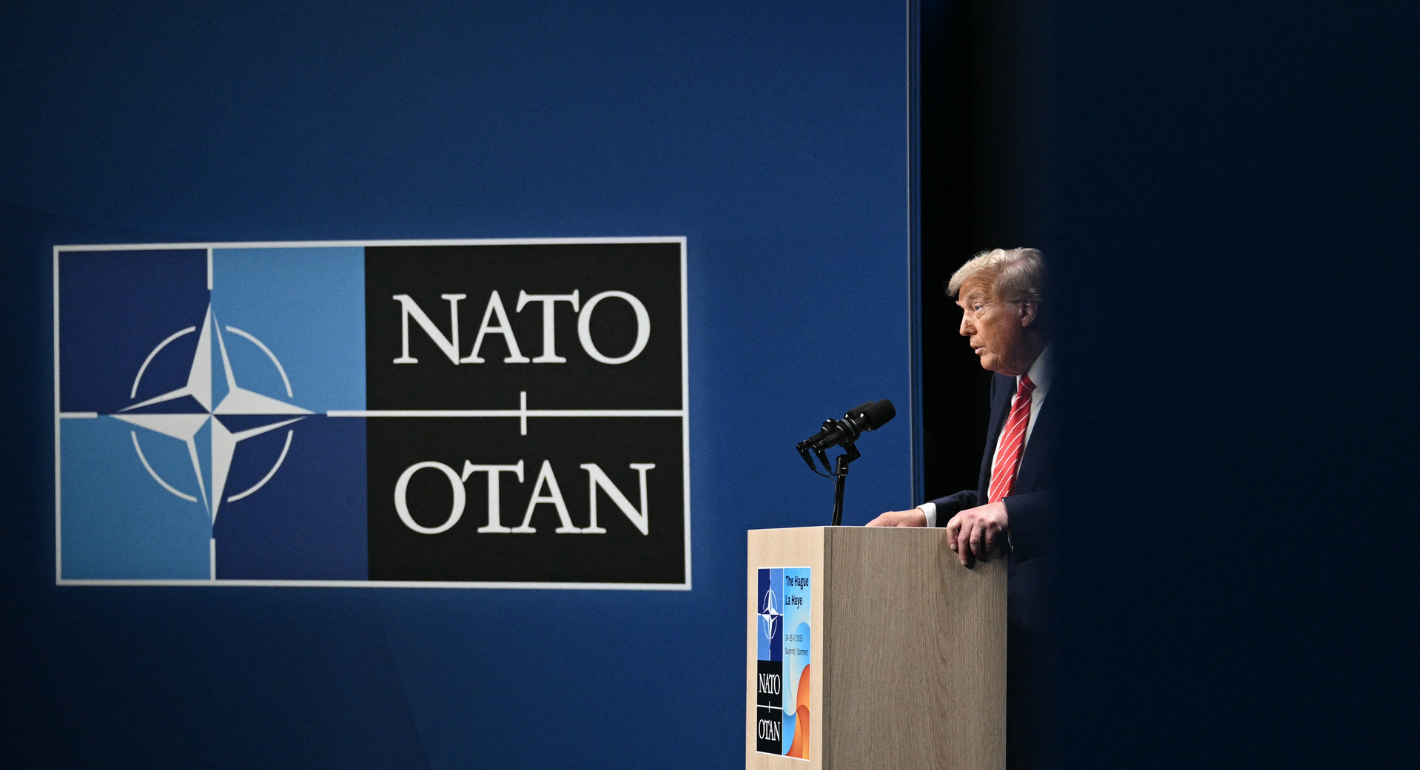
- Taking the Pulse: Can NATO Survive the Iran War?Commentary
Donald Trump has repeatedly bashed NATO and European allies, threatening to annex Canada and Greenland and deploring their lack of enthusiasm for his war of choice in Iran. Is this latest round of abuse the final straw?
Rym Momtaz, ed.
- “It’s Not Like Turning a Switch On and Off”Commentary
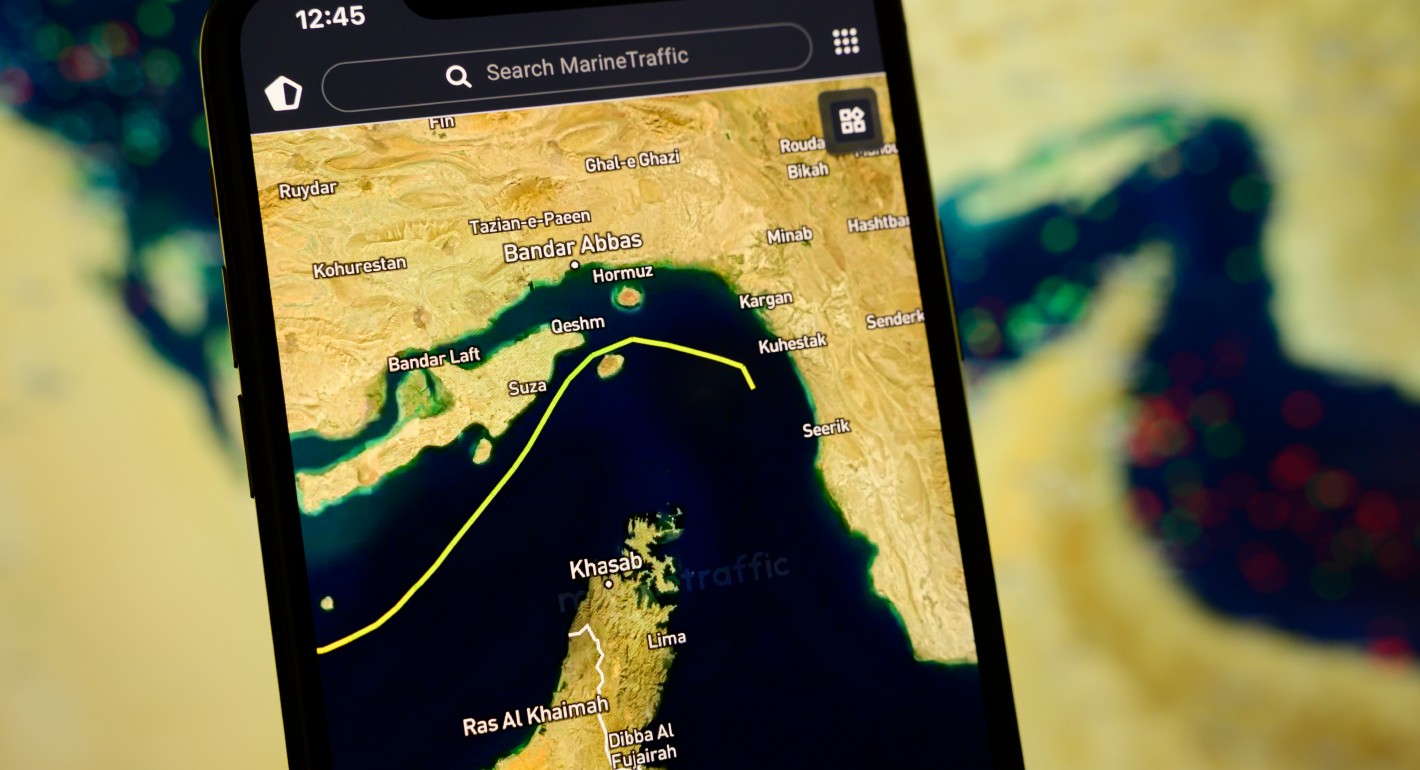
Why the Iran ceasefire isn’t a quick fix to the Strait of Hormuz energy crisis.
Helima Croft, Aaron David Miller