

Commentary
Montenegro and Albania are frontrunners for EU enlargement in the Western Balkans, but they can’t just sit back and wait. To meet their 2030 accession ambitions, they must make a strong positive case.
Dimitar Bechev, Iliriana Gjoni
{
  "authors": [],
  "type": "pressRelease",
  "centerAffiliationAll": "dc",
  "centers": [
    "Carnegie Endowment for International Peace"
  ],
  "collections": [],
  "englishNewsletterAll": "ctw",
  "nonEnglishNewsletterAll": "",
  "primaryCenter": "Carnegie Endowment for International Peace",
  "programAffiliation": "SAP",
  "programs": [
    "South Asia"
  ],
  "projects": [],
  "regions": [
    "South Asia",
    "Pakistan"
  ],
  "topics": [
    "Political Reform"
  ]
}
REQUIRED IMAGE
Pakistan’s police force has historically been constrained by the military and intelligence agencies and often politicized as an instrument of repression against opposition groups. Reforming civilian security forces will diminish Islamabad’s dependence on the military and increase the legitimacy of the regime.
WASHINGTON, July 14—Pakistan’s police force has historically been constrained by the military and intelligence agencies and often politicized as an instrument of repression against opposition groups. In a new paper, Frédéric Grare writes that reforming civilian security forces will diminish Islamabad’s dependence on the military and increase the legitimacy of the regime.
Recommendations for Pakistani policy makers
Recommendations for U.S. policy makers
“Police reform should not be allowed to serve as an alibi for the Pakistani intelligence agencies’ selective fight against terrorism,” writes Grare. “Only under these conditions will the Pakistani police become an effective instrument for fighting terrorism and a contributor to security and stability in Pakistan and beyond.”
###
NOTES
Carnegie does not take institutional positions on public policy issues; the views represented herein are those of the author(s) and do not necessarily reflect the views of Carnegie, its staff, or its trustees.
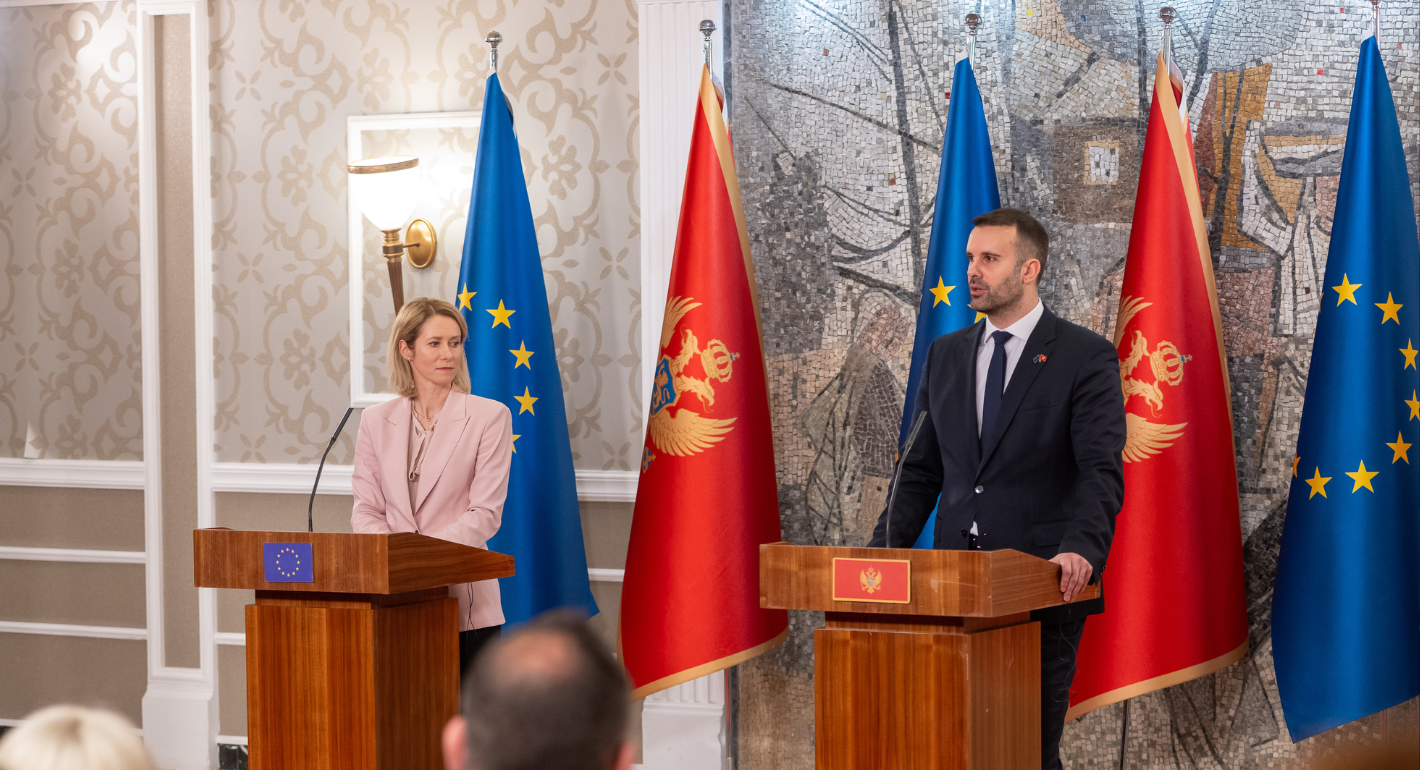
Montenegro and Albania are frontrunners for EU enlargement in the Western Balkans, but they can’t just sit back and wait. To meet their 2030 accession ambitions, they must make a strong positive case.


Dimitar Bechev, Iliriana Gjoni
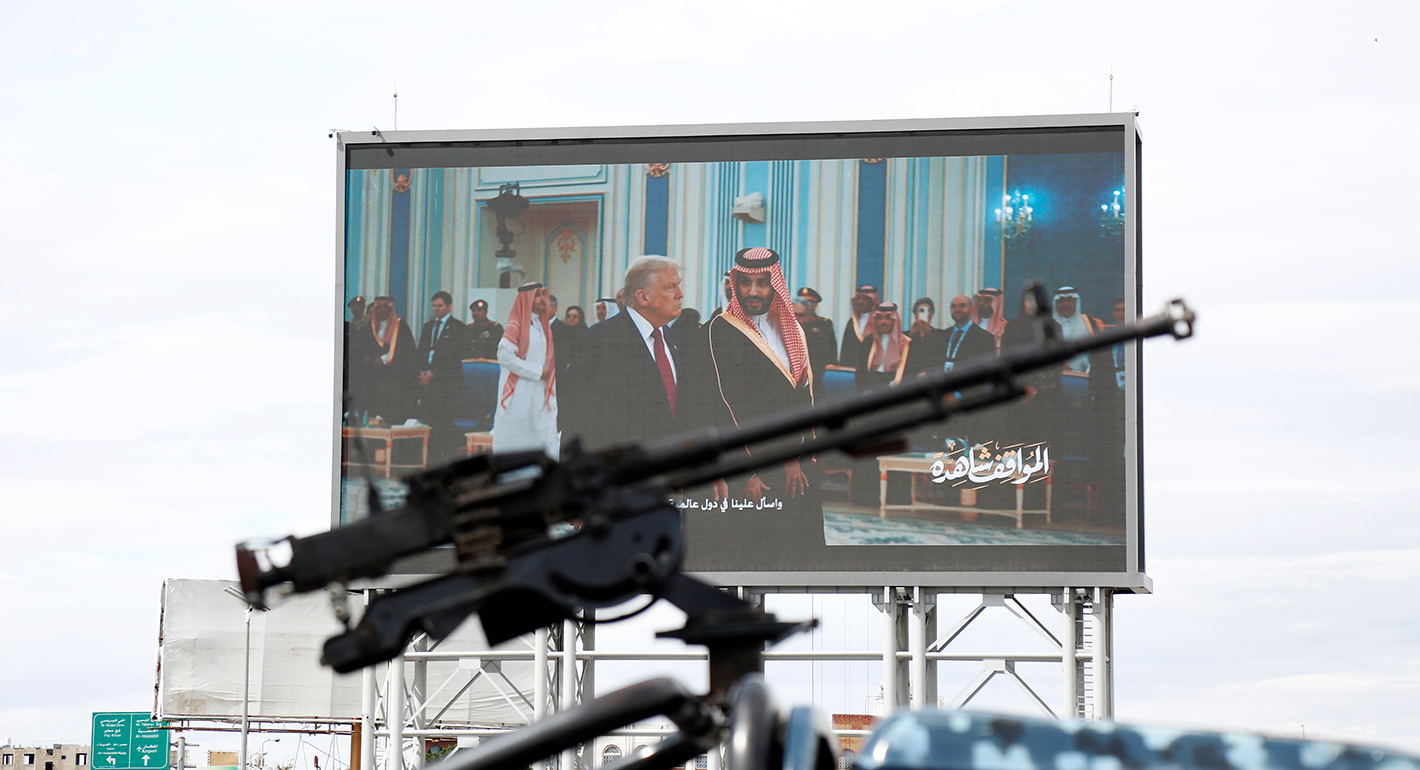
The return of war as the organizing factor in Middle Eastern politics has predictable consequences: governments are prioritizing regime stability and becoming averse to political and social reform.


Sarah Yerkes, Amr Hamzawy
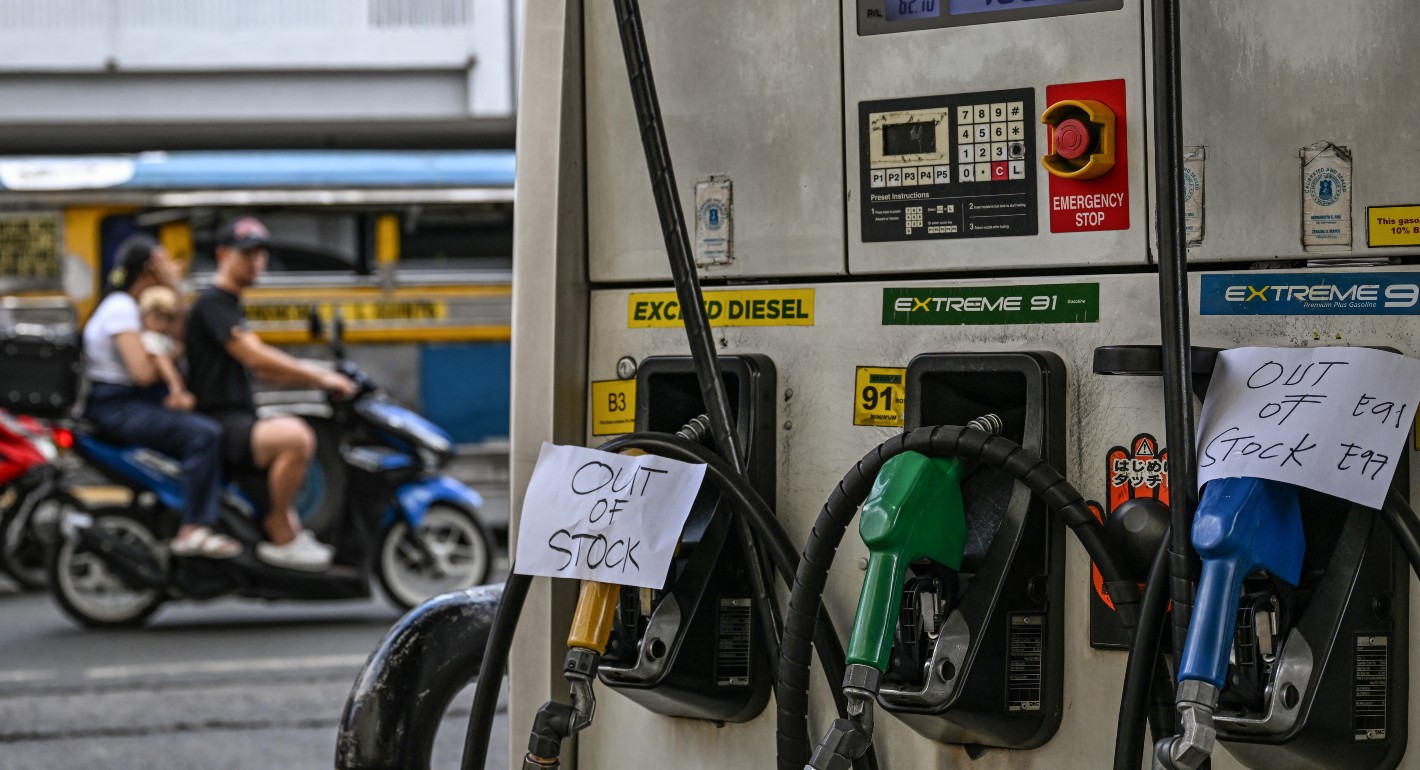
The United States ignores the region’s lived experience—and the tough political and social trade-offs the war has produced—at its peril.

Evan A. Feigenbaum
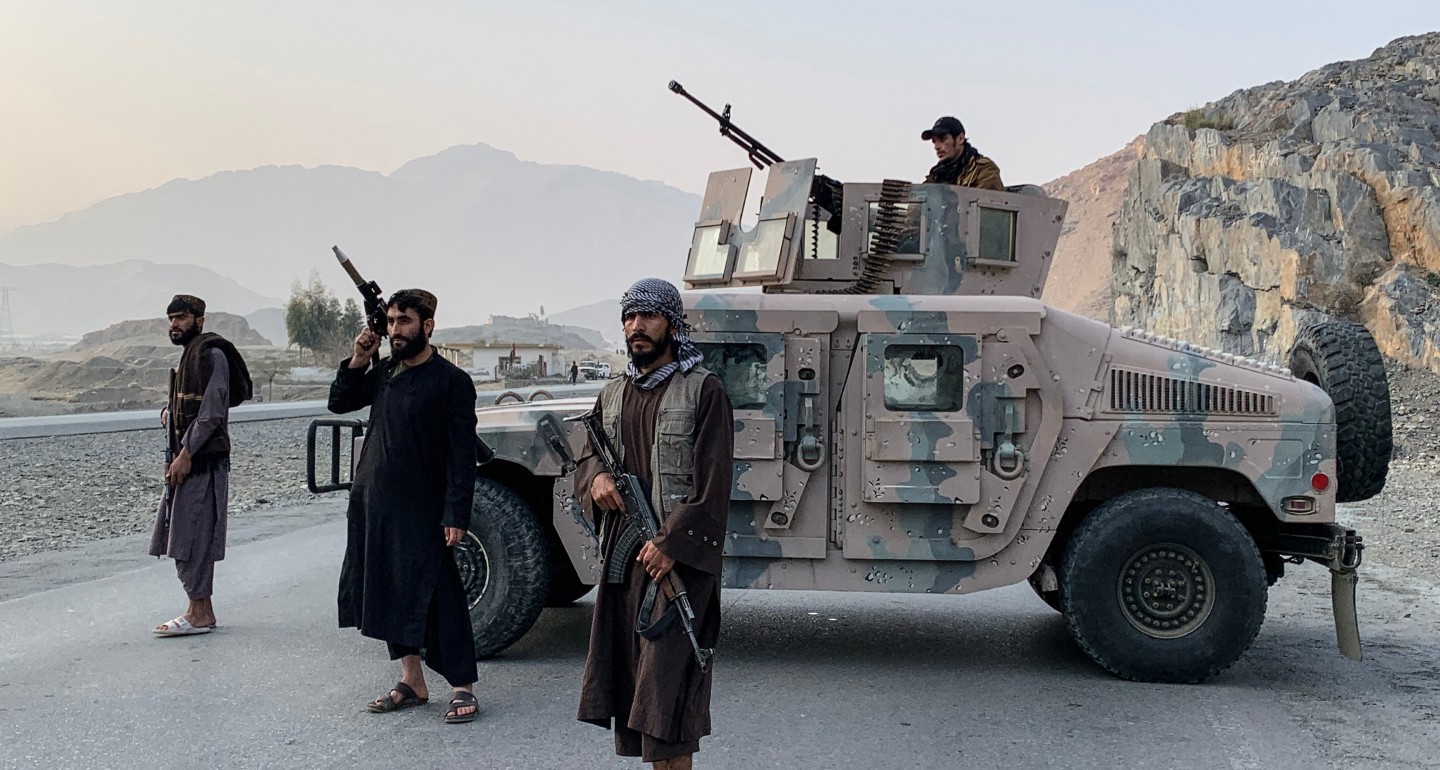
Not only does the fighting jeopardize regional security, it undermines Russian attempts to promote alternatives to the Western-dominated world order.

Ruslan Suleymanov
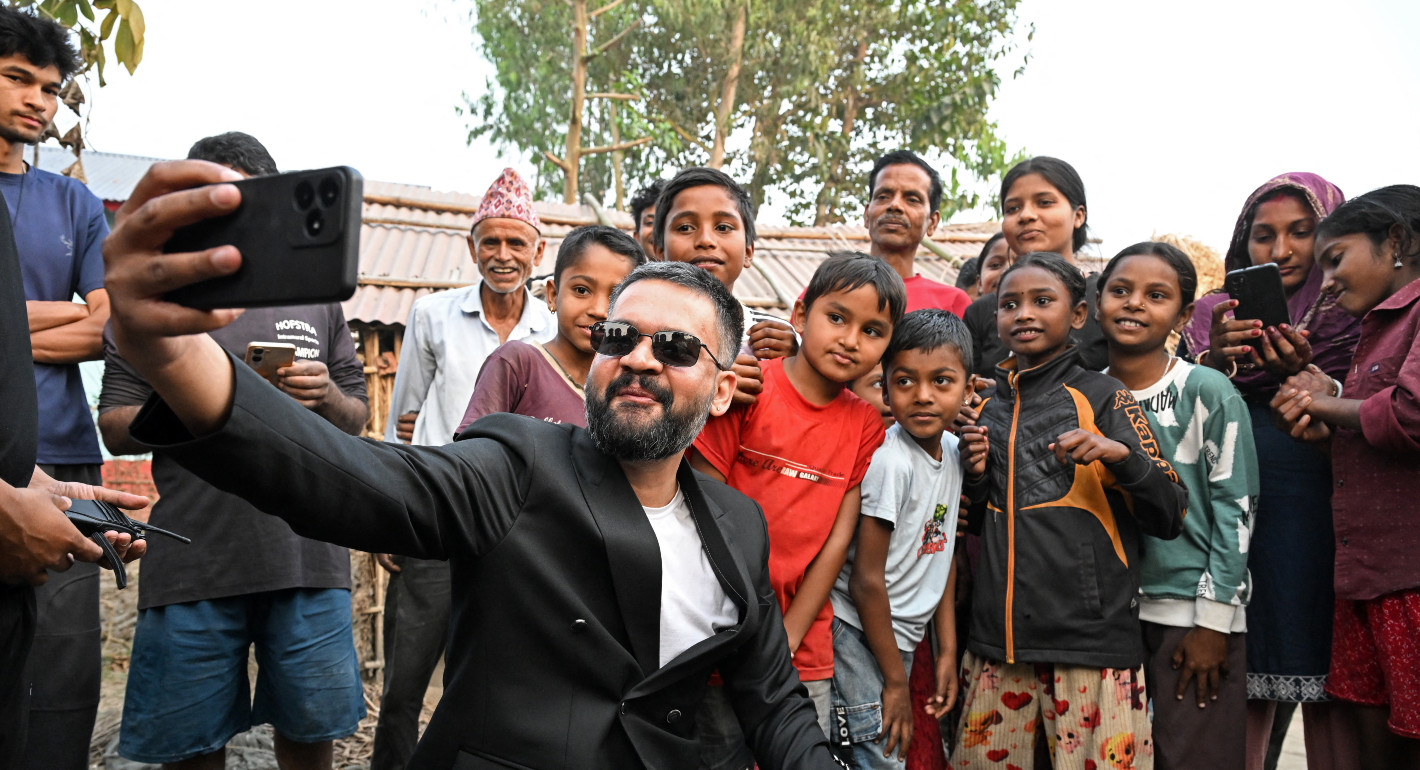
The incoming government has swept Nepal’s election. The real work begins now.
Amish Raj Mulmi