Commentary
Yukon Huang, Isaac B. Kardon, Matt Sheehan
Source: Getty
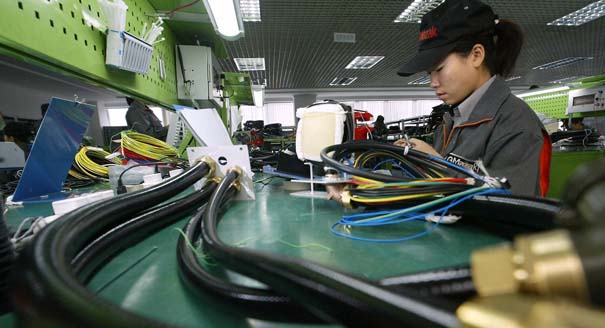
China has capitalized on its huge population and geographic size to become the world’s most efficient assembler and exporter of manufactured goods, but China’s transformation is now reaching a critical turning point.
China has capitalized on its huge population and geographic size to become the world’s most efficient assembler and exporter of manufactured goods, but China’s transformation is now reaching a critical turning point.
In a paper, Yukon Huang explains how China relied on lower transportation costs and a concentration of economic activities to foster rapid—albeit unbalanced—growth. If China builds on its recent success and adopts a more flexible exchange rate system, the four major policy questions that are now dominating the debate over China’s economic future can be answered as follows:
“Forces are now coming into play that will reshape China’s economic landscape during the coming years in ways that should help harmonize the impact on the global economy of China’s growth, which currently is rattling global trade and commodity markets,” writes Huang.

Senior Fellow, Asia Program
Huang is a senior fellow in the Carnegie Asia Program where his research focuses on China’s economy and its regional and global impact.
Recent Work


Yukon Huang, Isaac B. Kardon, Matt Sheehan
Yukon Huang, Genevieve Slosberg
Carnegie does not take institutional positions on public policy issues; the views represented herein are those of the author(s) and do not necessarily reflect the views of Carnegie, its staff, or its trustees.
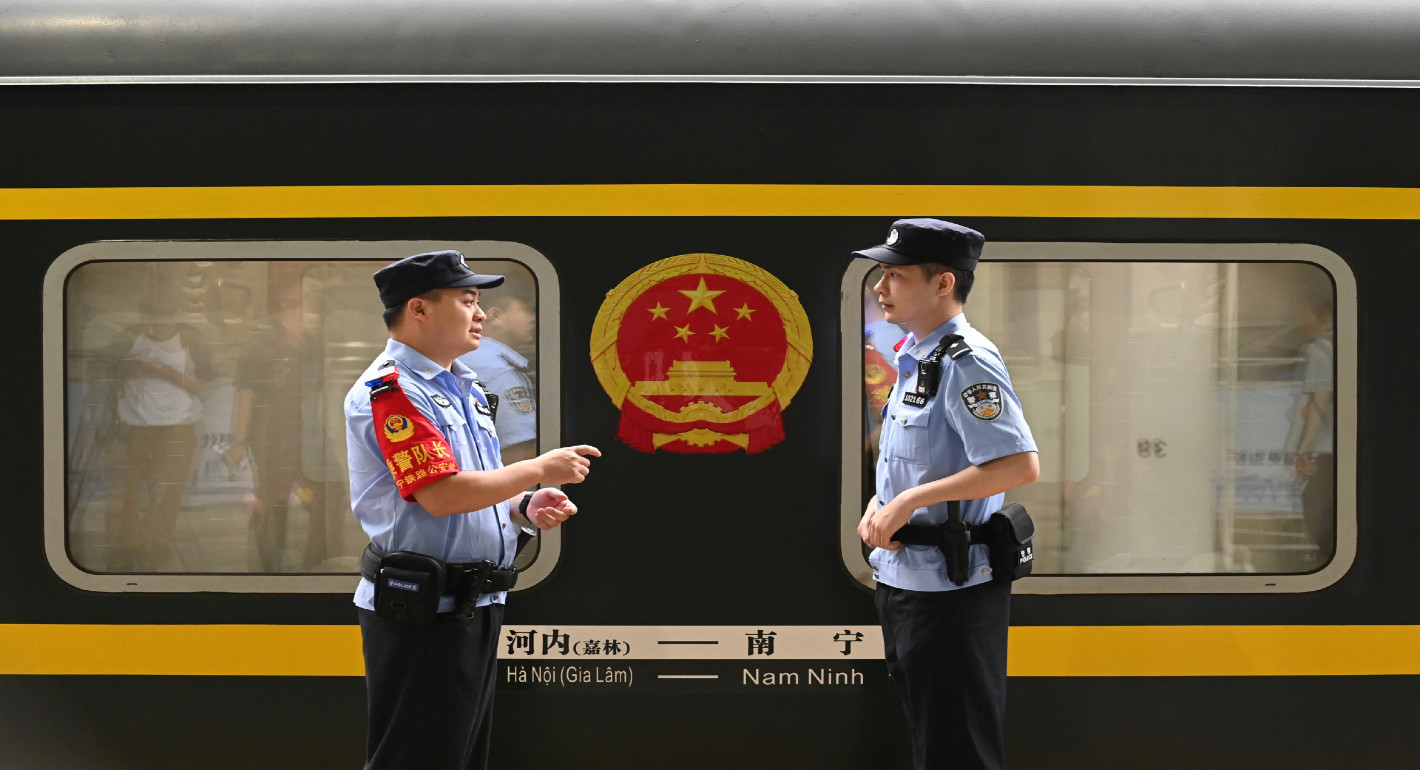
Despite long-standing differences, China and Vietnam are reinforcing common ground for collaboration, especially in public security. This internal security–centered diplomacy offers a strengthened road map for how China moves forward with Southeast Asia.
Sophie Zhuang
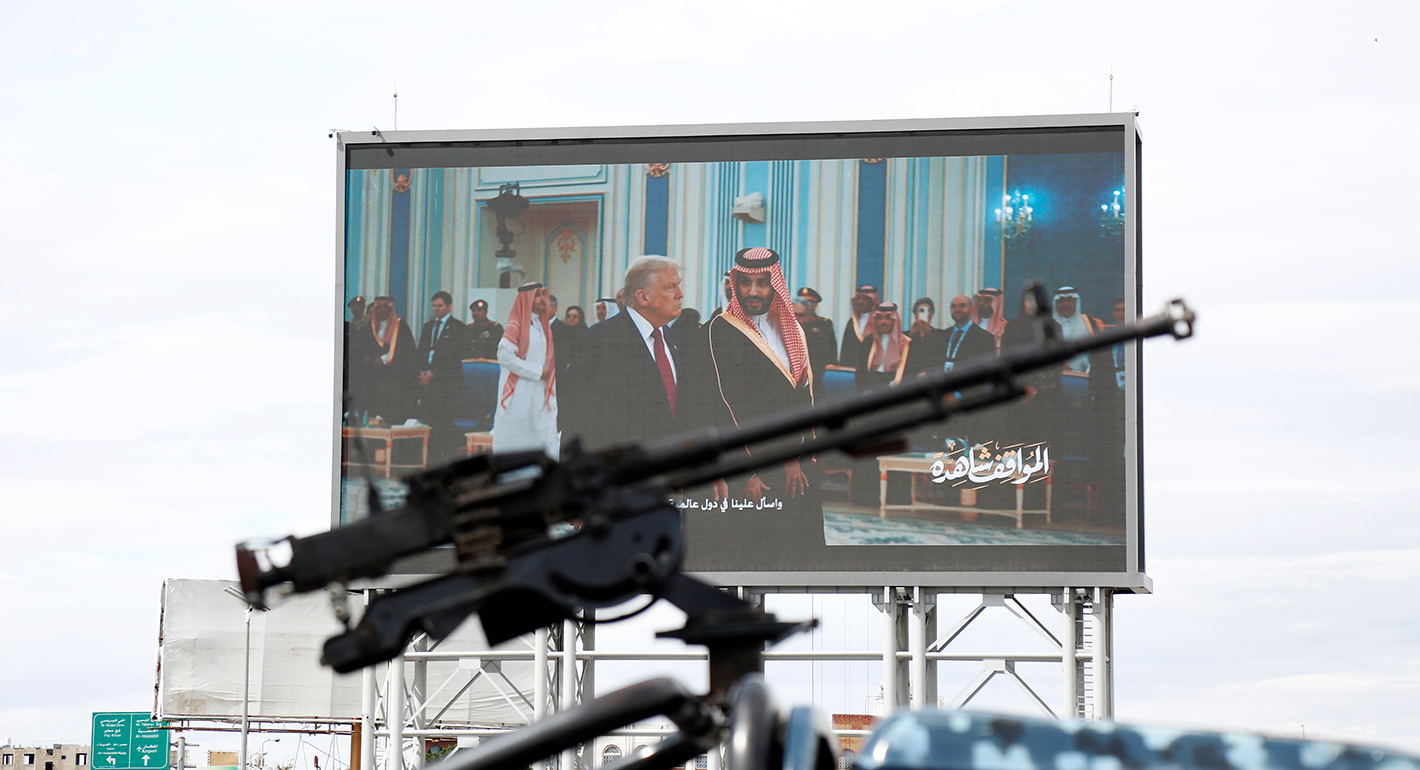
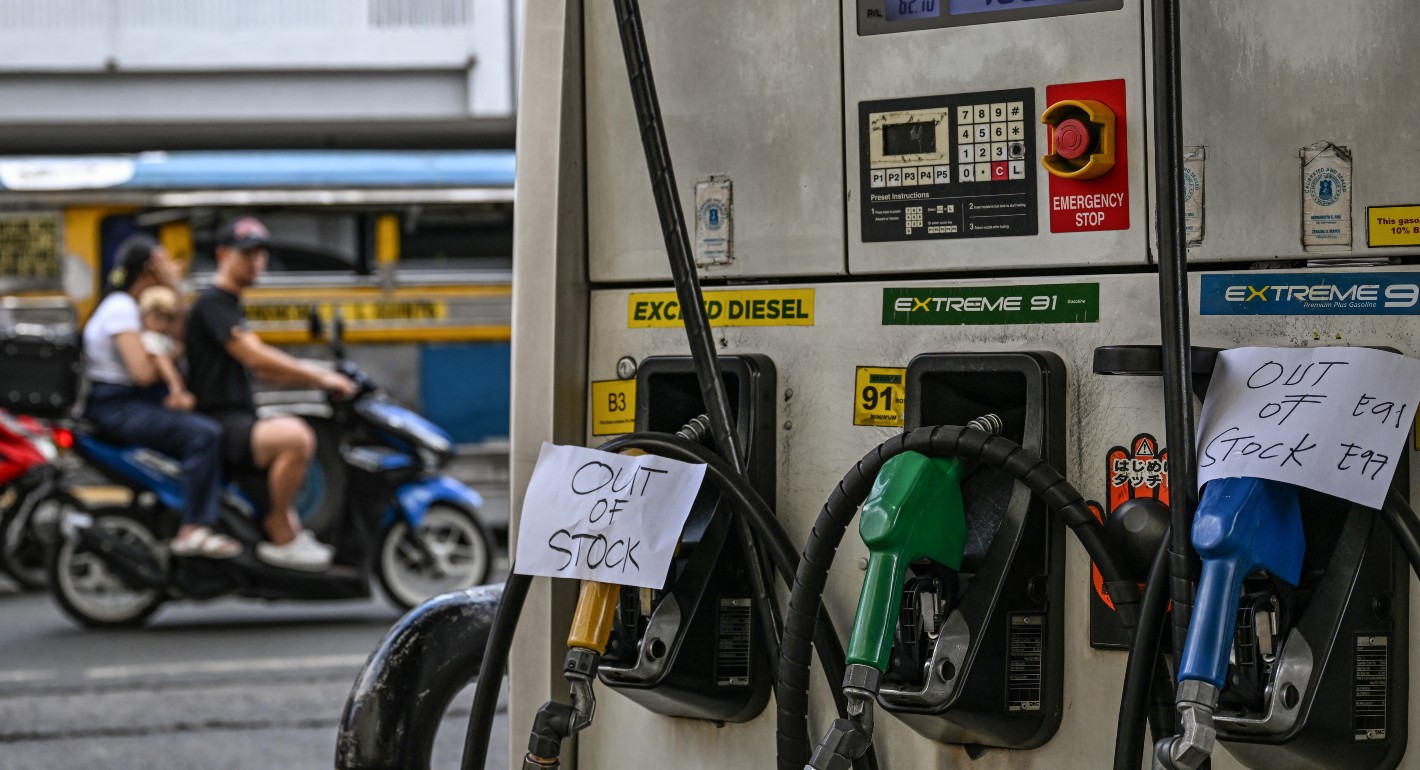
As the war between the United States, Israel, and Iran continues, Carnegie scholars contribute cutting-edge analysis on the events of the war and their wide-reaching implications. From the impact on Iran and its immediate neighbors to the responses from Gulf states to fuel and fertilizer shortages caused by the effective shutdown of the Strait of Hormuz, the war is reshaping Middle East alliances and creating shockwaves around the world. Carnegie experts analyze it all.
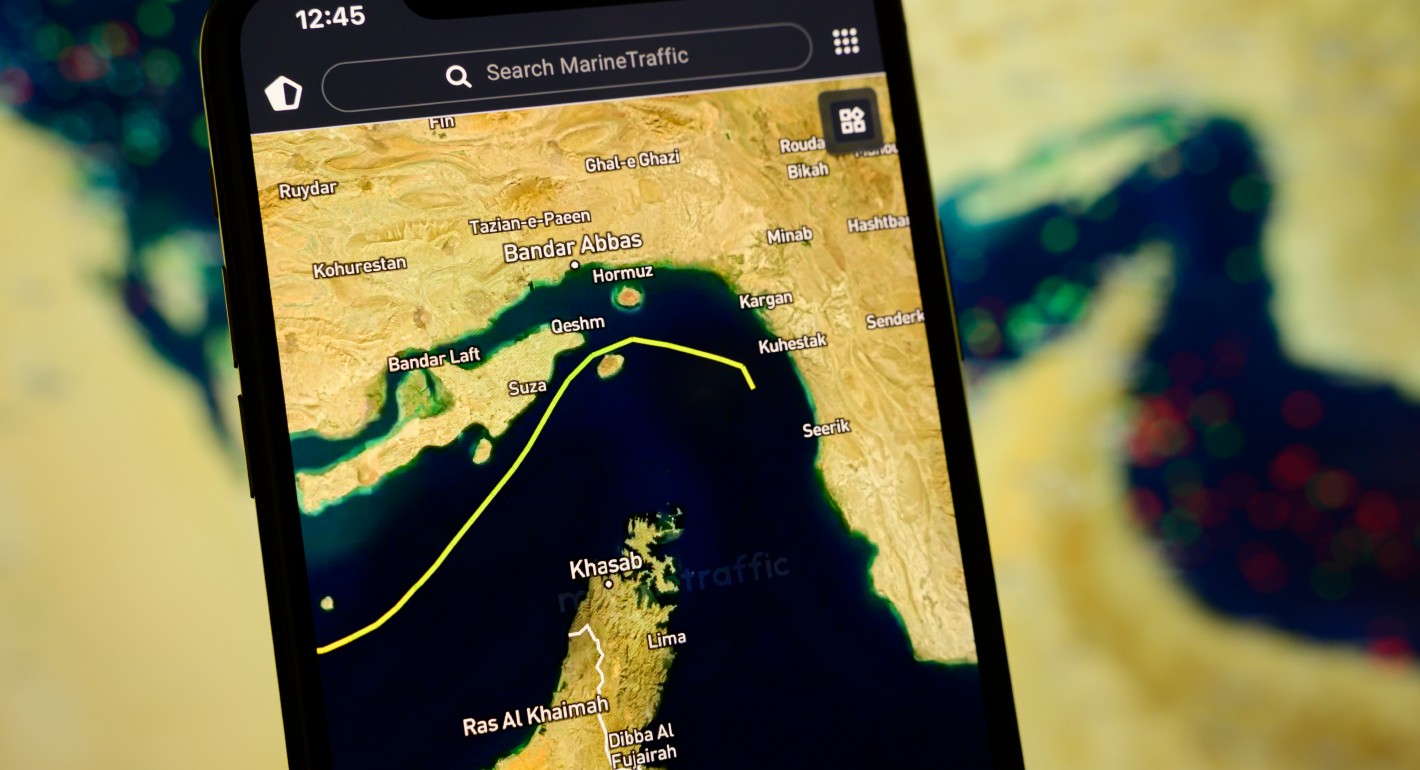
Why the Iran ceasefire isn’t a quick fix to the Strait of Hormuz energy crisis.


Helima Croft, Aaron David Miller

Across Asia, China is better positioned to withstand energy shocks from the fallout of the Iran war. Its abundant coal capacity can ensure stability in the near term. Yet at the same time, the country’s energy transition away from coal will make it even less vulnerable during the next shock.

Damien Ma
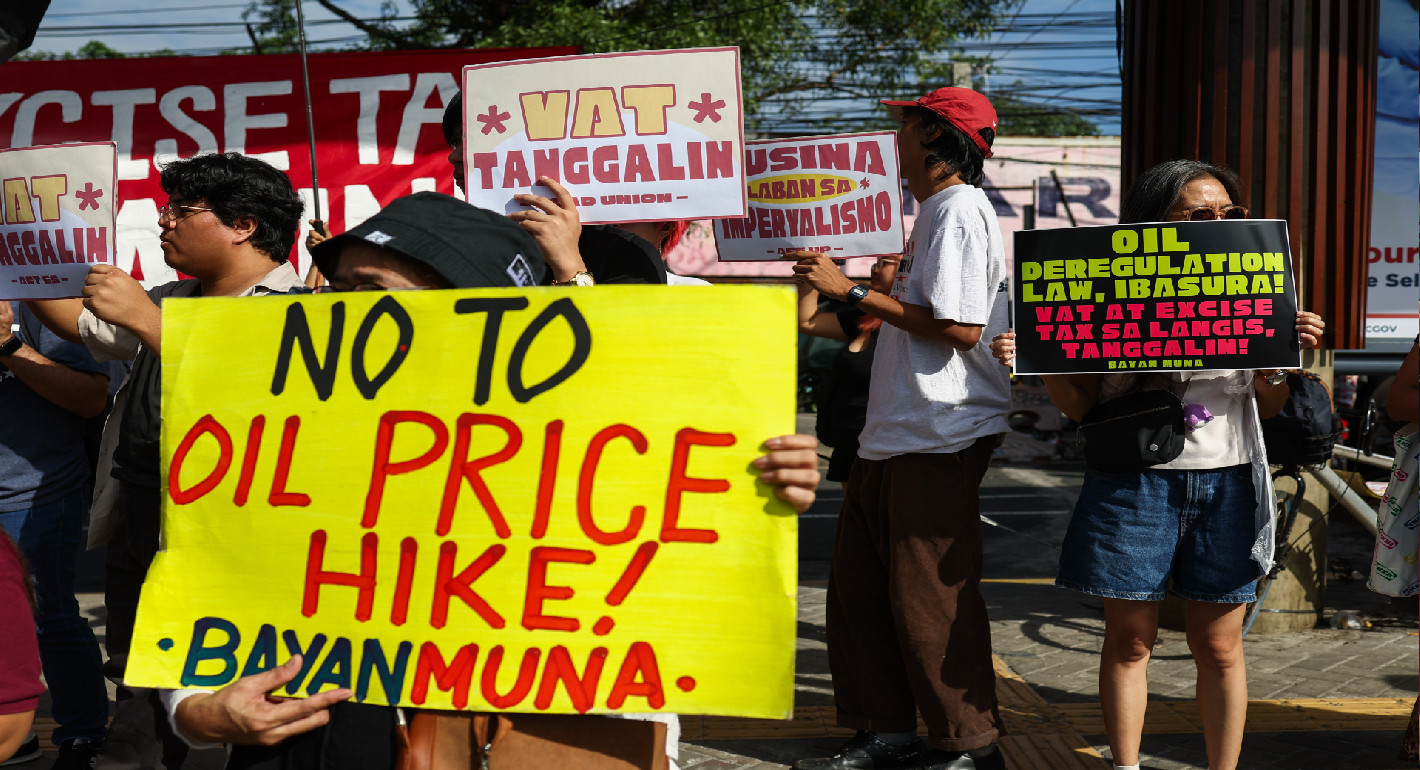
There is no better time for the countries of Southeast Asia to reconsider their energy security than during this latest crisis.

Gita Wirjawan