Paper
- +2
George Perkovich, Malcolm Chalmers, Steven Pifer, …
{
  "authors": [
    "Paul Schulte"
  ],
  "type": "other",
  "centerAffiliationAll": "dc",
  "centers": [
    "Carnegie Endowment for International Peace",
    "Carnegie Europe",
    "Carnegie Russia Eurasia Center"
  ],
  "collections": [
    "Transatlantic Cooperation",
    "U.S. Nuclear Policy"
  ],
  "englishNewsletterAll": "ctw",
  "nonEnglishNewsletterAll": "",
  "primaryCenter": "Carnegie Endowment for International Peace",
  "programAffiliation": "NPP",
  "programs": [
    "Nuclear Policy"
  ],
  "projects": [],
  "regions": [
    "North America",
    "United States",
    "Western Europe",
    "Europe"
  ],
  "topics": [
    "Foreign Policy",
    "Nuclear Policy",
    "Global Governance"
  ]
}
Source: Getty
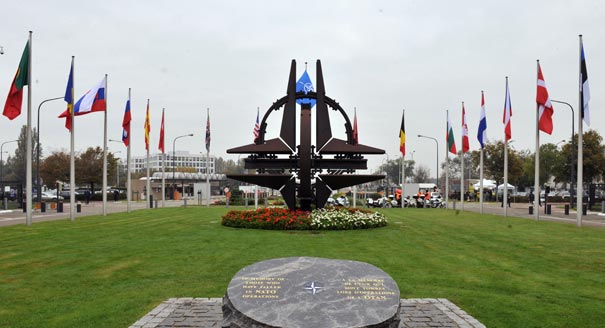
As NATO grapples with the future of its deterrence posture, it faces the contentious question of whether reducing or withdrawing forward-based U.S. nuclear weapons in Europe would unacceptably reduce the security of its member states.
The Cold War left a nuclear landscape whose remnants must still be sensitively managed. As NATO grapples with the future of its deterrence posture, it faces the contentious question of whether reducing or withdrawing forward-based U.S. nuclear weapons in Europe would unacceptably reduce the security of its member states. The weapons were intended to promote nuclear burden sharing through an Alliance-wide decision process. But the European aircraft that would drop them are aging and will need replacement or refitting. Decisions are needed soon on whether this should occur.
The United States favors still greater nuclear restraint, as it declared in its recent Nuclear Posture Review. But it is reluctant to change in Europe without the agreement of all its allies. Some member states, especially on NATO’s periphery, seek the continued assurance that they believe these theater weapons offer. Other allies see the decision as an urgent opportunity to advance the goal of the abolition of nuclear weapons. So the upcoming debate in Lisbon will require a rare combination of determination, political sophistication, and analytical clarity—and issues will likely still require resolution long after the summit.
Although significant differences between member states exist, most agree NATO should:
To foster lasting consensus on the future shape and basing of nuclear deterrence, NATO’s leadership must pay close attention to the internal political pressures within key member states, as well as others’ perceptions of external insecurity. Both result from long-term geographical, historical, and cultural factors. A good decision on nuclear arrangements will safeguard both the Alliance’s credibility and its cohesion—and enable NATO to focus on new and emerging threats without distraction.

Former Nonresident Senior Associate, Nuclear Policy Program
Schulte was a nonresident senior associate in the Carnegie Nuclear Policy Program, where his research focuses on the future of deterrence, nuclear strategy, nuclear nonproliferation, cybersecurity, and their political implications.
Recent Work

George Perkovich, Malcolm Chalmers, Steven Pifer, …
Carnegie does not take institutional positions on public policy issues; the views represented herein are those of the author(s) and do not necessarily reflect the views of Carnegie, its staff, or its trustees.
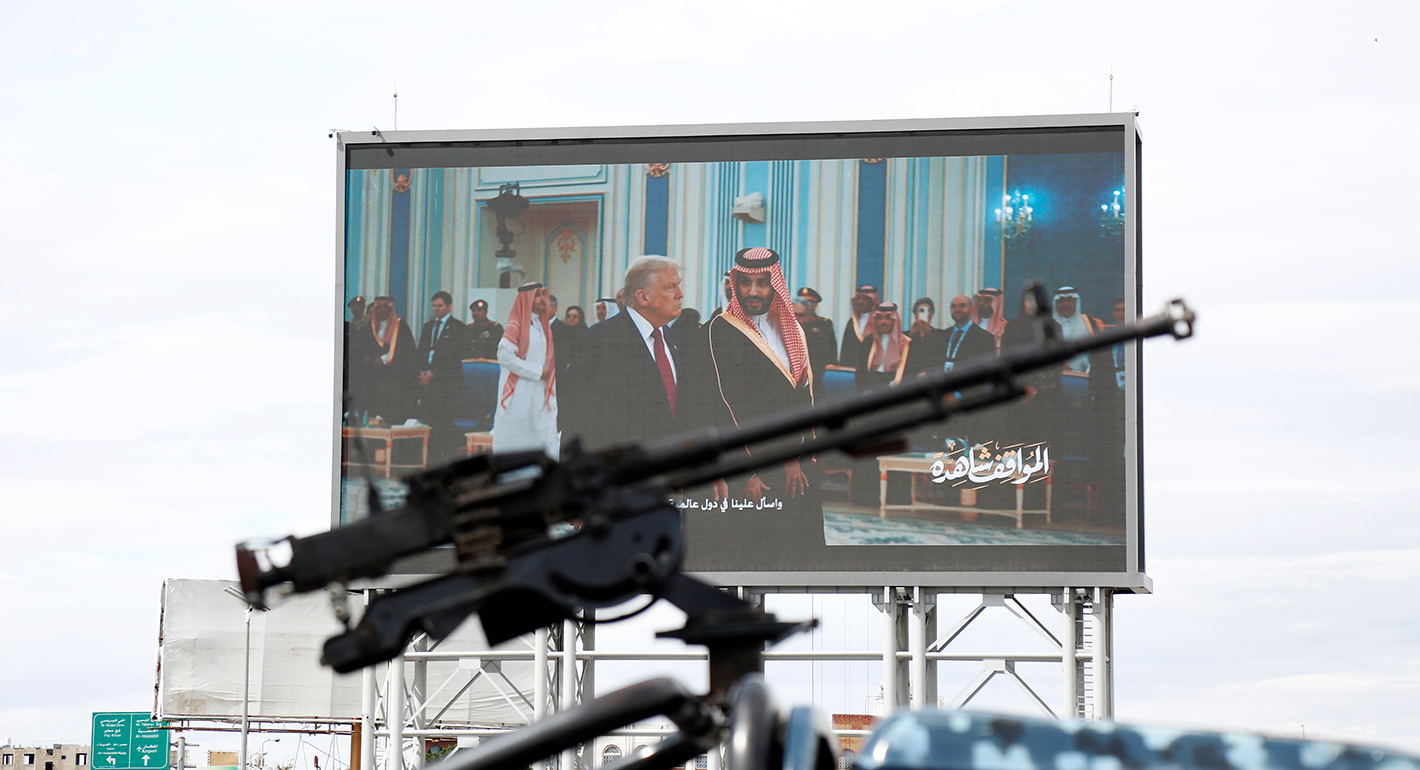
As the war between the United States, Israel, and Iran continues, Carnegie scholars contribute cutting-edge analysis on the events of the war and their wide-reaching implications. From the impact on Iran and its immediate neighbors to the responses from Gulf states to fuel and fertilizer shortages caused by the effective shutdown of the Strait of Hormuz, the war is reshaping Middle East alliances and creating shockwaves around the world. Carnegie experts analyze it all.
The return of war as the organizing factor in Middle Eastern politics has predictable consequences: governments are prioritizing regime stability and becoming averse to political and social reform.


Sarah Yerkes, Amr Hamzawy

Central Asia’s digital ambitions are achievable, but only if policy is aligned with the region’s physical constraints.

Aruzhan Meirkhanova
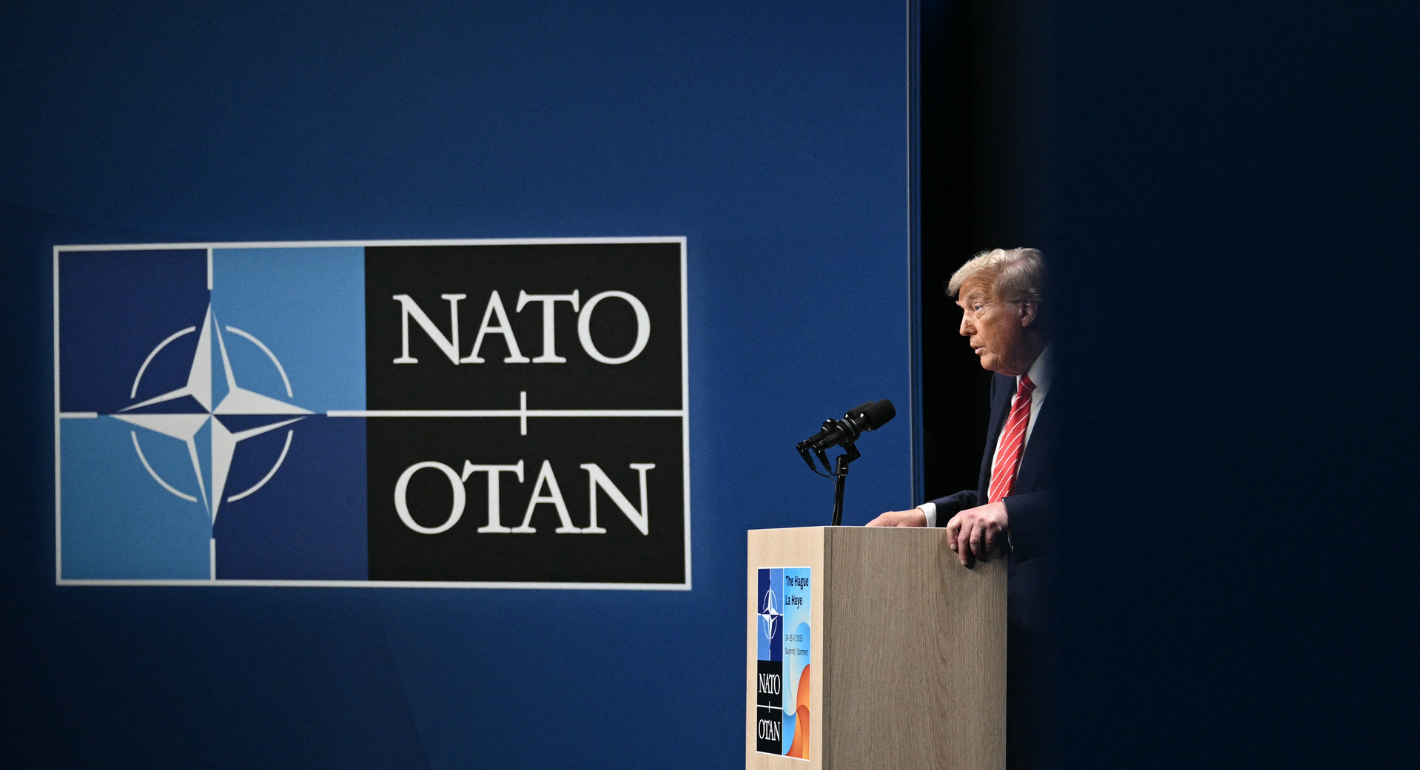
Donald Trump has repeatedly bashed NATO and European allies, threatening to annex Canada and Greenland and deploring their lack of enthusiasm for his war of choice in Iran. Is this latest round of abuse the final straw?

Rym Momtaz, ed.

The future looks bleak for independent media worldwide, but there is a robust infrastructure of knowledge, organizations, and people to build upon.


Daniel Sabet, Susan Abbott