• Research
  • Emissary
  • About
  • Experts
Carnegie Global logoCarnegie lettermark logo
DemocracyIran
  • Donate
{
  "authors": [
    "Amr Hamzawy"
  ],
  "type": "legacyinthemedia",
  "centerAffiliationAll": "",
  "centers": [
    "Carnegie Endowment for International Peace",
    "Malcolm H. Kerr Carnegie Middle East Center"
  ],
  "collections": [
    "Arab Awakening"
  ],
  "englishNewsletterAll": "",
  "nonEnglishNewsletterAll": "",
  "primaryCenter": "Carnegie Endowment for International Peace",
  "programAffiliation": "",
  "programs": [],
  "projects": [],
  "regions": [
    "North Africa",
    "Egypt"
  ],
  "topics": [
    "Political Reform"
  ]
}

Source: Getty

In The Media

The Egyptian Protests

Egyptian authorities have banned protests and tightened security overnight to prevent demonstrators from repeating the rally on January 25, when thousands took to the streets of Cairo to denounce President Hosni Mubarak.

Link Copied
By Amr Hamzawy
Published on Jan 27, 2011

Source: Bloomberg

Egyptian authorities have banned protests and tightened security overnight to prevent demonstrators from repeating the rally on January 25, when thousands took to the streets of Cairo to denounce President Hosni Mubarak. Bloomberg spoke with Carnegie's Amr Hamzawy about the growing civil unrest in Egypt.

Hamzawy noted that whether the current uprising in Cairo will have the same outcome as the Jasmine revolution in Tunisia depends on a number of factors. It took the opposition in Tunisia four weeks to topple former President Ben Ali’s regime and force him to leave the country, Hamzawy said, and it is still too early to predict whether the protests in Egypt will lead to political change.

It is significant that the Egyptian middle class is now fueling the demonstrations, which call for efficient solutions to the widening gap between rich and poor, Hamzawy contended. Additionally, educated young male and female Egyptians are mobilizing on their own, outside of any calls from political leaders. They demand political freedoms and civil liberties and call for the opening of the political arena and better contestation of the parliamentary and presidential elections, as well as social justice and equal distribution of the wealth. Hamzawy suggested that Egyptian youth have been inspired by the recent events in Tunisia.
 
To counter the escalating protests, Egyptian authorities are stepping in: they have shut down or limited access to social media tools and outlets like Twitter and Facebook, in an attempt to control and contain the demonstrations, which are rapidly turning into nationwide protest movements. But Hamzawy asserted that activists, as proven in Tunisia, are able to get around such censorship and can continue to organize and mobilize.

About the Author

Amr Hamzawy

Director, Middle East Program

Amr Hamzawy is a senior fellow and the director of the Carnegie Middle East Program. His research and writings focus on governance in the Middle East and North Africa, social vulnerability, and the different roles of governments and civil societies in the region.

    Recent Work

  • Article
    Amid Iran War, Gulf Countries Slow the Pace of Reforms
      • Sarah Yerkes

      Sarah Yerkes, Amr Hamzawy

  • Commentary
    Iran Is Pushing Its Neighbors Toward the United States

      Amr Hamzawy

Amr Hamzawy
Director, Middle East Program
Amr Hamzawy
Political ReformNorth AfricaEgypt

Carnegie does not take institutional positions on public policy issues; the views represented herein are those of the author(s) and do not necessarily reflect the views of Carnegie, its staff, or its trustees.
More Work from Carnegie Endowment for International Peace

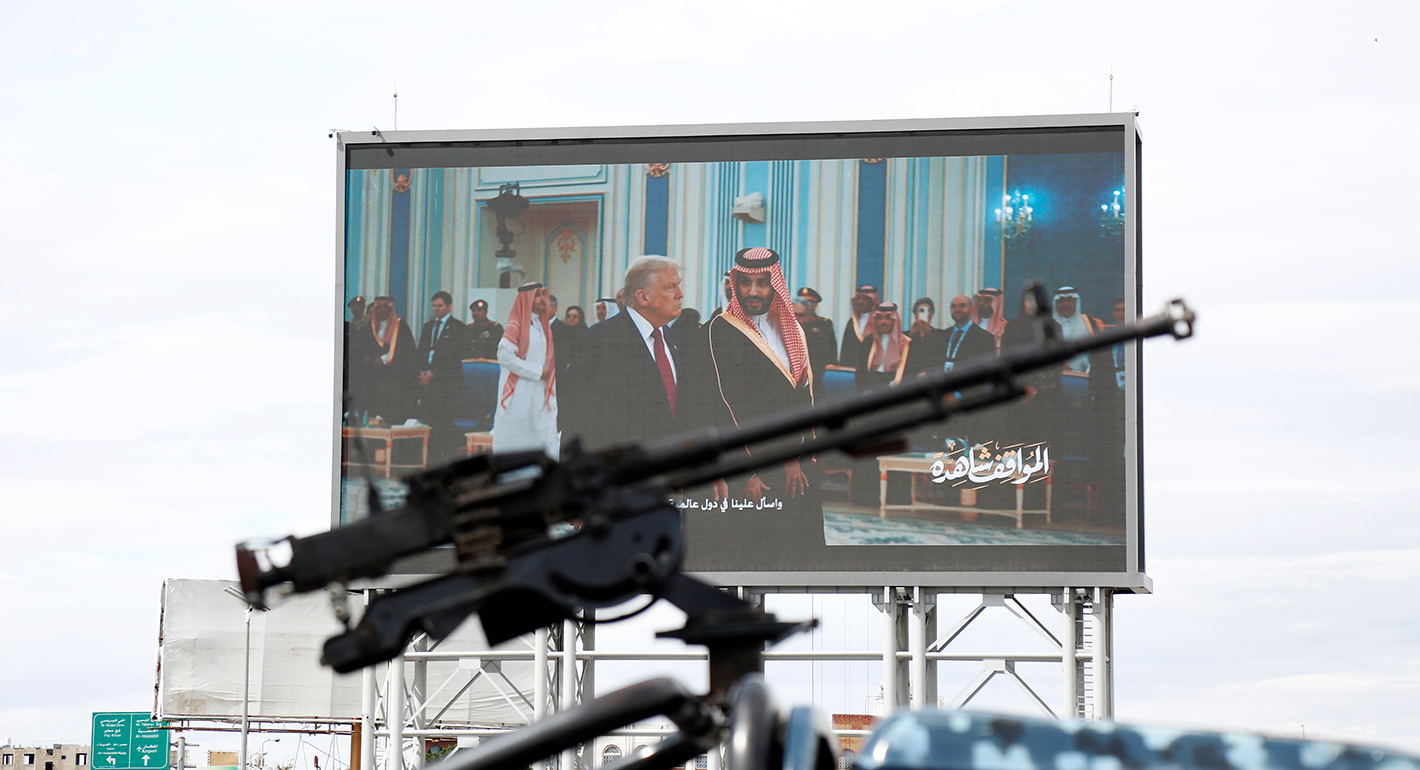
  •  A machine gun of a Houthi soldier mounted on a police vehicle next to a billboard depicting the U.S. president Donald Trump and Mohammed Bin Salman, the Crown Prince and Prime Minister of Saudi Arabia, during a protest staged to show support to Iran against the U.S.-Israel war on March 27, 2026 in Sana'a, Yemen.
    Article
    Amid Iran War, Gulf Countries Slow the Pace of Reforms

    The return of war as the organizing factor in Middle Eastern politics has predictable consequences: governments are prioritizing regime stability and becoming averse to political and social reform.

      • Sarah Yerkes

      Sarah Yerkes, Amr Hamzawy

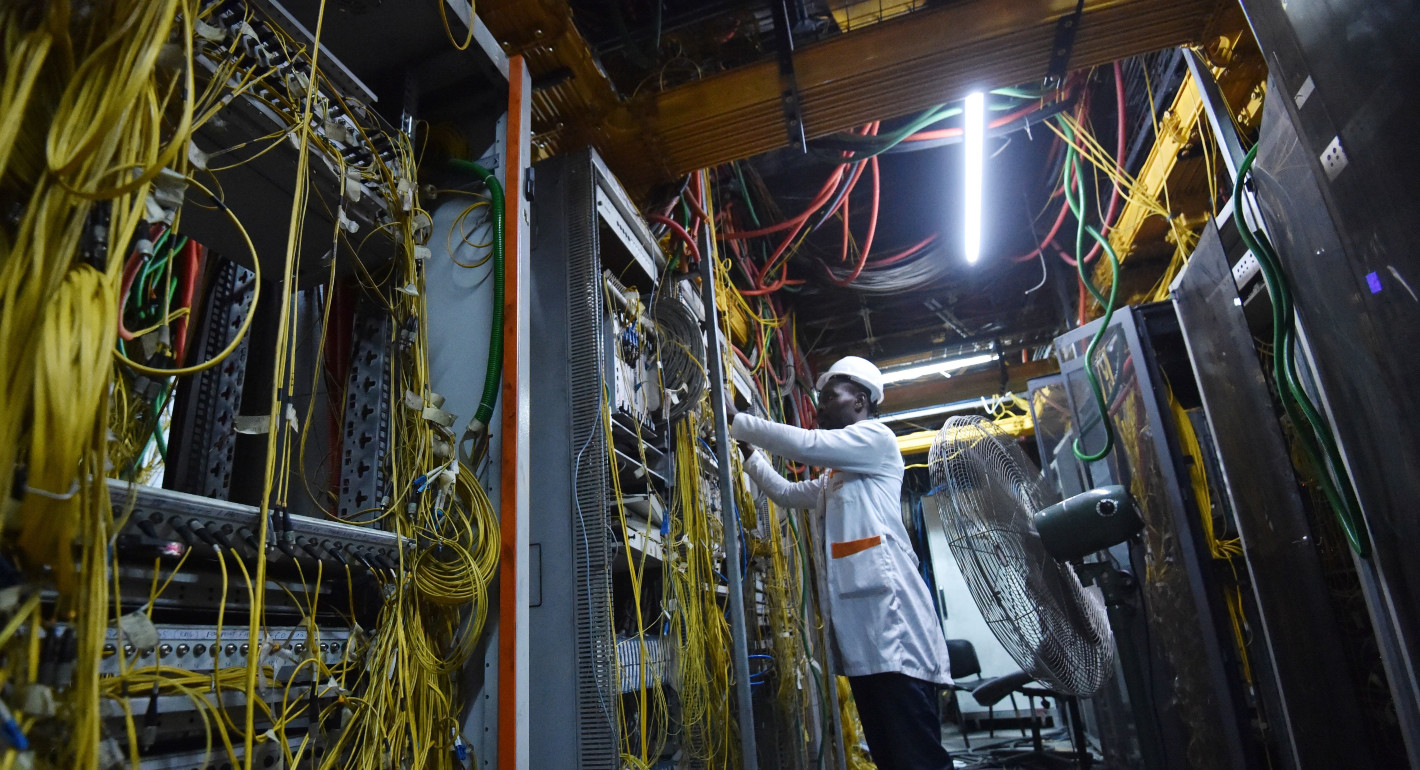
  • Photo of a man conducting repairs in a technical center, surrounded by wires.
    Article
    Africa’s Digital Infrastructure Imperative

    The Africa Technology Policy Tracker reveals policymakers’ priorities for the continent’s digital transformation.
      Jane Munga
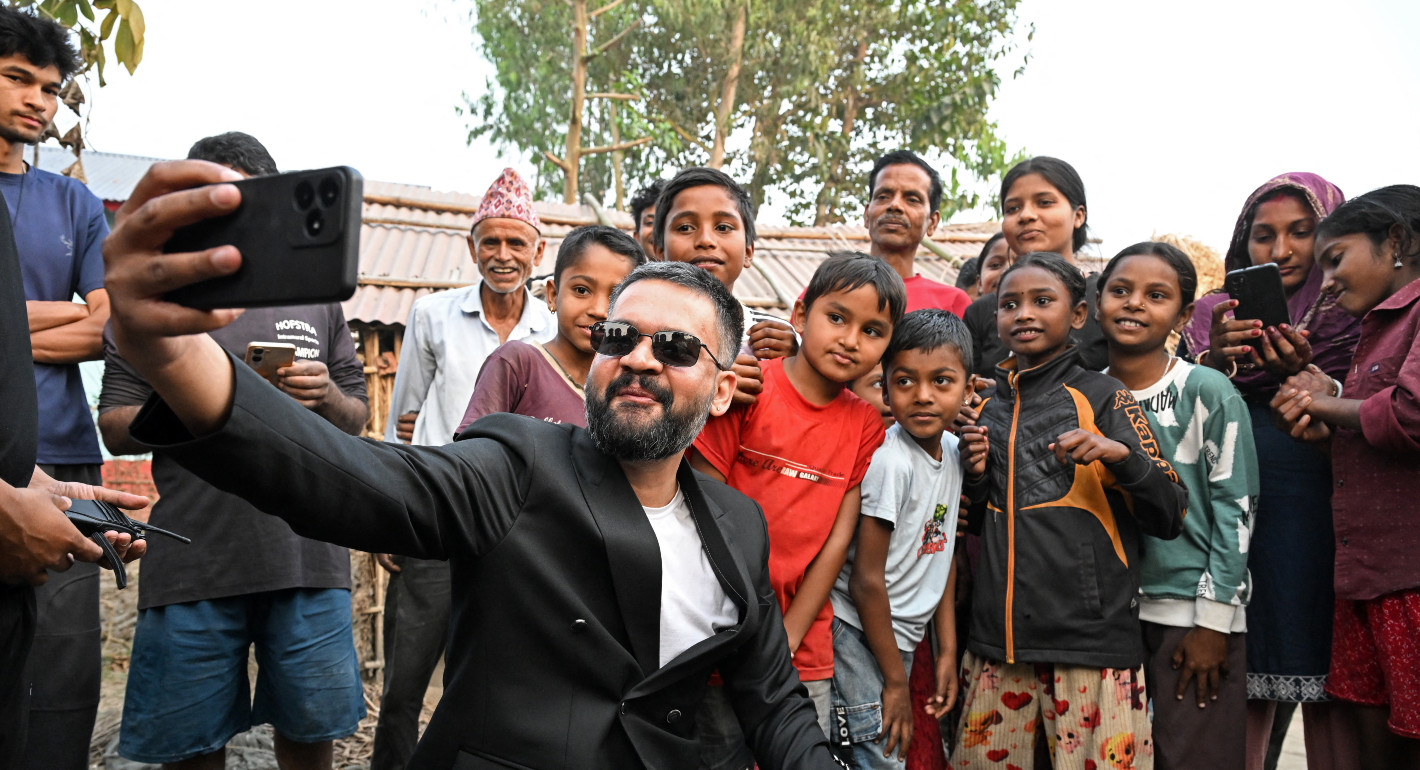
  • Photo of Balen Shah taking a selfie with a group of Nepali adults and children.
    Article
    A New Generation Takes Power in Nepal

    The incoming government has swept Nepal’s election. The real work begins now.
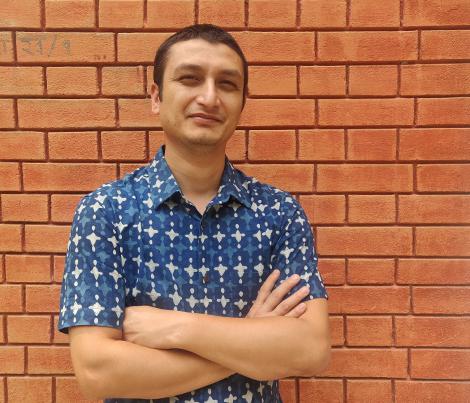
      Amish Raj Mulmi
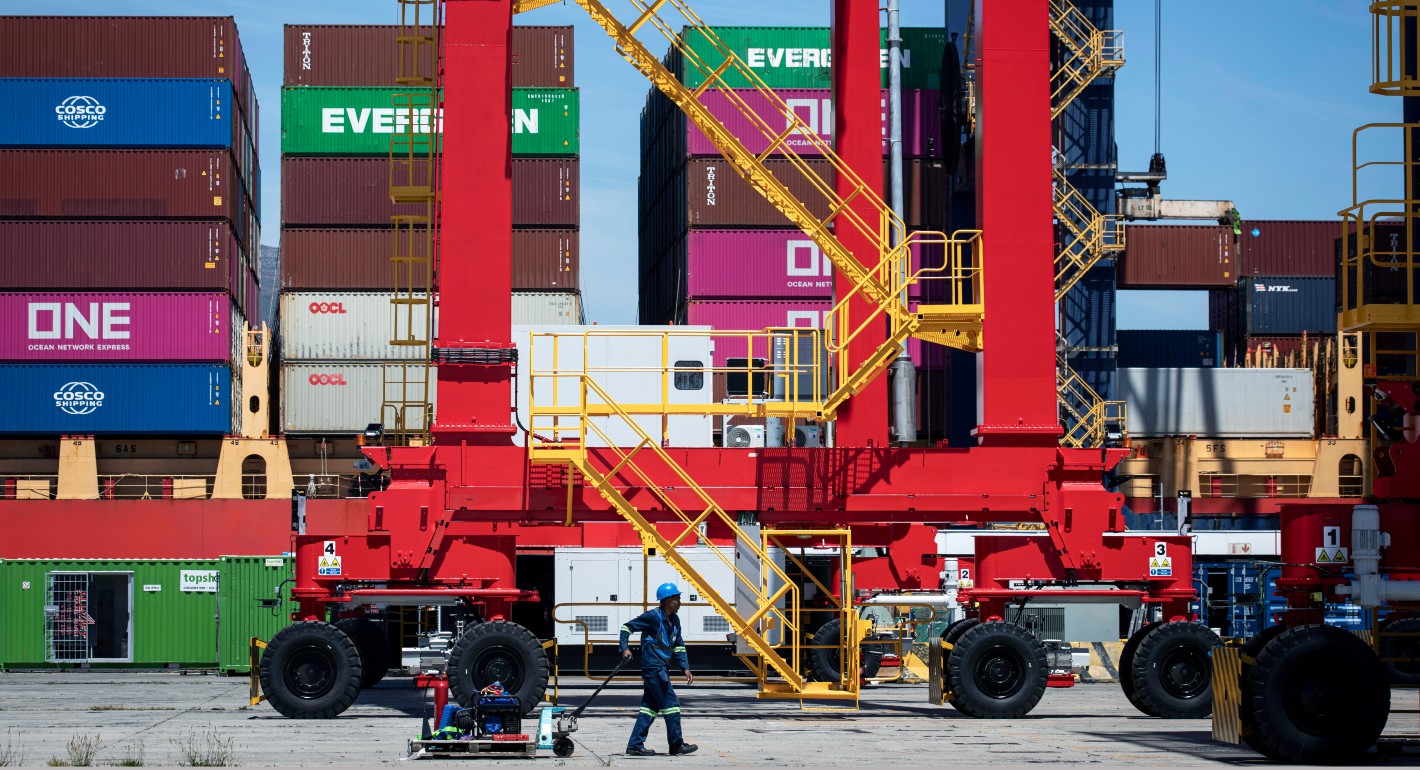
  • A Black man pulls a trolley. He is small in the bottom center of the frame; in the background are stacks of large, colorful shipping containers and the parts of a large crane or similar piece of equipment.
    Article
    Africa’s Global Economic Edge: Advancing Strategic Sectors

    In key sectors such as critical minerals, specialty agriculture, and fintech, Africa can become a global powerhouse by investing more in manufacturing, value-add, and scaling.
      • Kholofelo Kugler

      Kholofelo Kugler, Georgia Schaefer-Brown
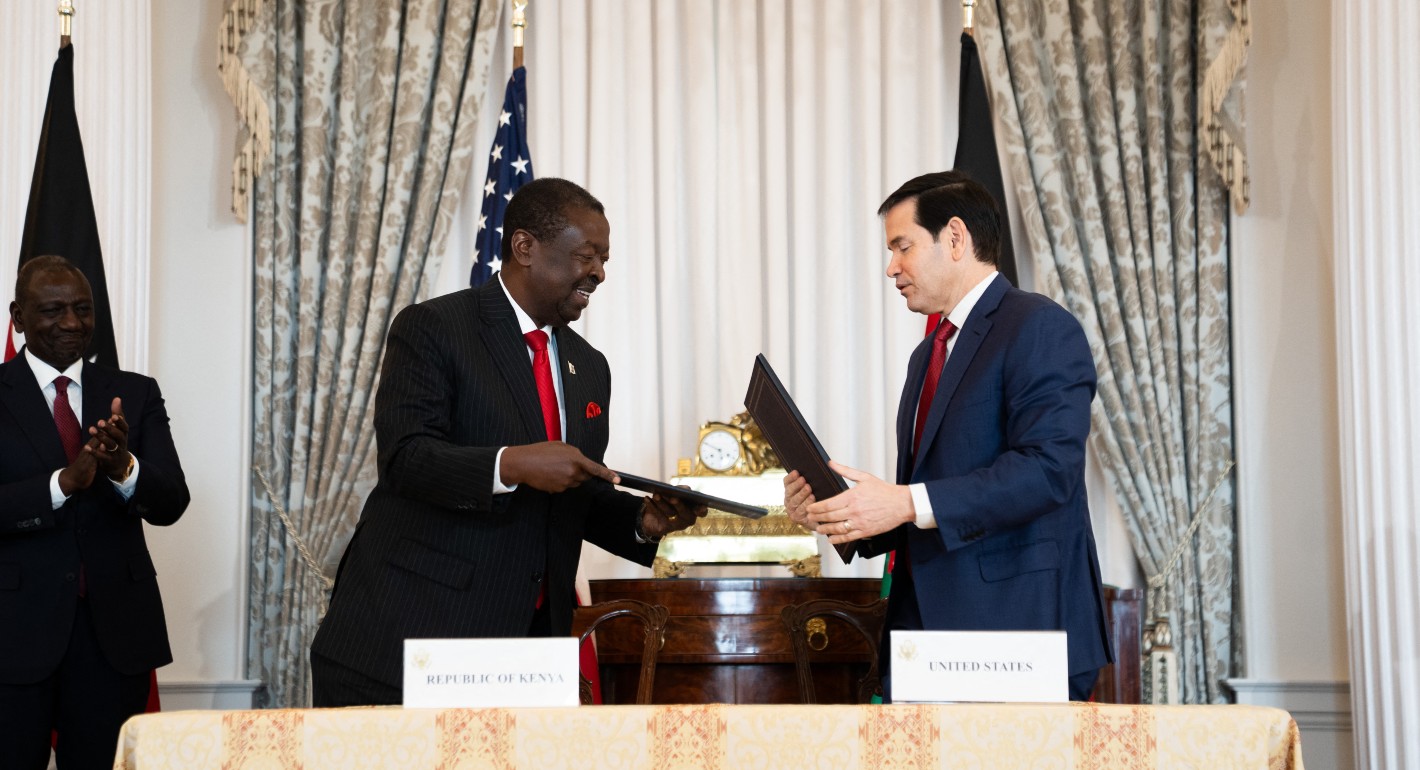
  • Article
    Kenya’s Health Deal Is a Stress Test for the America First Global Health Strategy

    U.S. agreements must contend with national data protection laws to make durable foreign policy instruments.
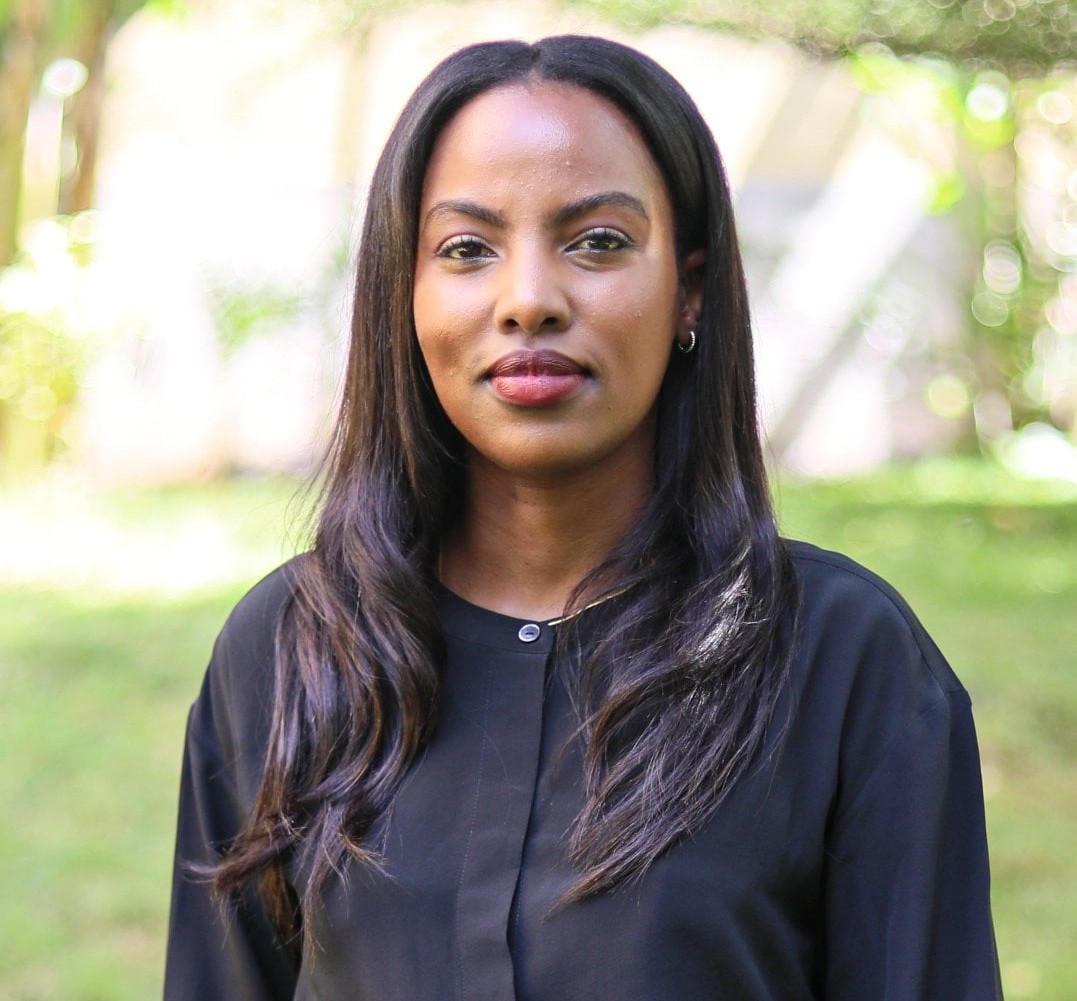
      • A Black woman with long hair wears a black blazer

      Jane Munga, Rose Mosero

Get more news and analysis from
Carnegie Endowment for International Peace
Carnegie global logo, stacked
1779 Massachusetts Avenue NWWashington, DC, 20036-2103Phone: 202 483 7600Fax: 202 483 1840
  • Research
  • Emissary
  • About
  • Experts
  • Donate
  • Programs
  • Events
  • Blogs
  • Podcasts
  • Contact
  • Annual Reports
  • Careers
  • Privacy
  • For Media
  • Government Resources
Get more news and analysis from
Carnegie Endowment for International Peace
© 2026 Carnegie Endowment for International Peace. All rights reserved.