

Q&A
Christopher Boucek
{
  "authors": [
    "Christopher Boucek"
  ],
  "type": "legacyinthemedia",
  "centerAffiliationAll": "dc",
  "centers": [
    "Carnegie Endowment for International Peace",
    "Malcolm H. Kerr Carnegie Middle East Center"
  ],
  "collections": [
    "Arab Awakening"
  ],
  "englishNewsletterAll": "menaTransitions",
  "nonEnglishNewsletterAll": "",
  "primaryCenter": "Carnegie Endowment for International Peace",
  "programAffiliation": "MEP",
  "programs": [
    "Middle East"
  ],
  "projects": [],
  "regions": [
    "Middle East",
    "Yemen",
    "Gulf"
  ],
  "topics": [
    "Political Reform",
    "Security"
  ]
}
Source: Getty
If the current unrest and protests in Yemen bring about the fall of the country’s regime, Al-Qaeda in the Arabian Peninsula will be able to operate with fewer constraints and present an even greater threat to the United States.
Source: Fox News
Al-Qaeda in the Arabian Peninsula (AQAP), the organization behind the attempted Christmas Day 2009 attack and last October’s cargo bomb plot, is the biggest threat to America’s homeland security emanating from a terrorist organization, explained Carnegie’s Christopher Boucek on Fox News’ Happening Now. The rising unrest in Yemen, while not instigated by AQAP, benefits the organization. Buocek warned that instability in Yemen, particularly if it leads to the fall of the Yemeni regime, will allow AQAP to operate with fewer constraints and further threaten the United States.
The United States should help the Yemeni government grow its capacity to govern as well as its capacity to thwart AQAP, Boucek said. He noted, “our rhetoric needs to match our resources when it comes to AQAP.”
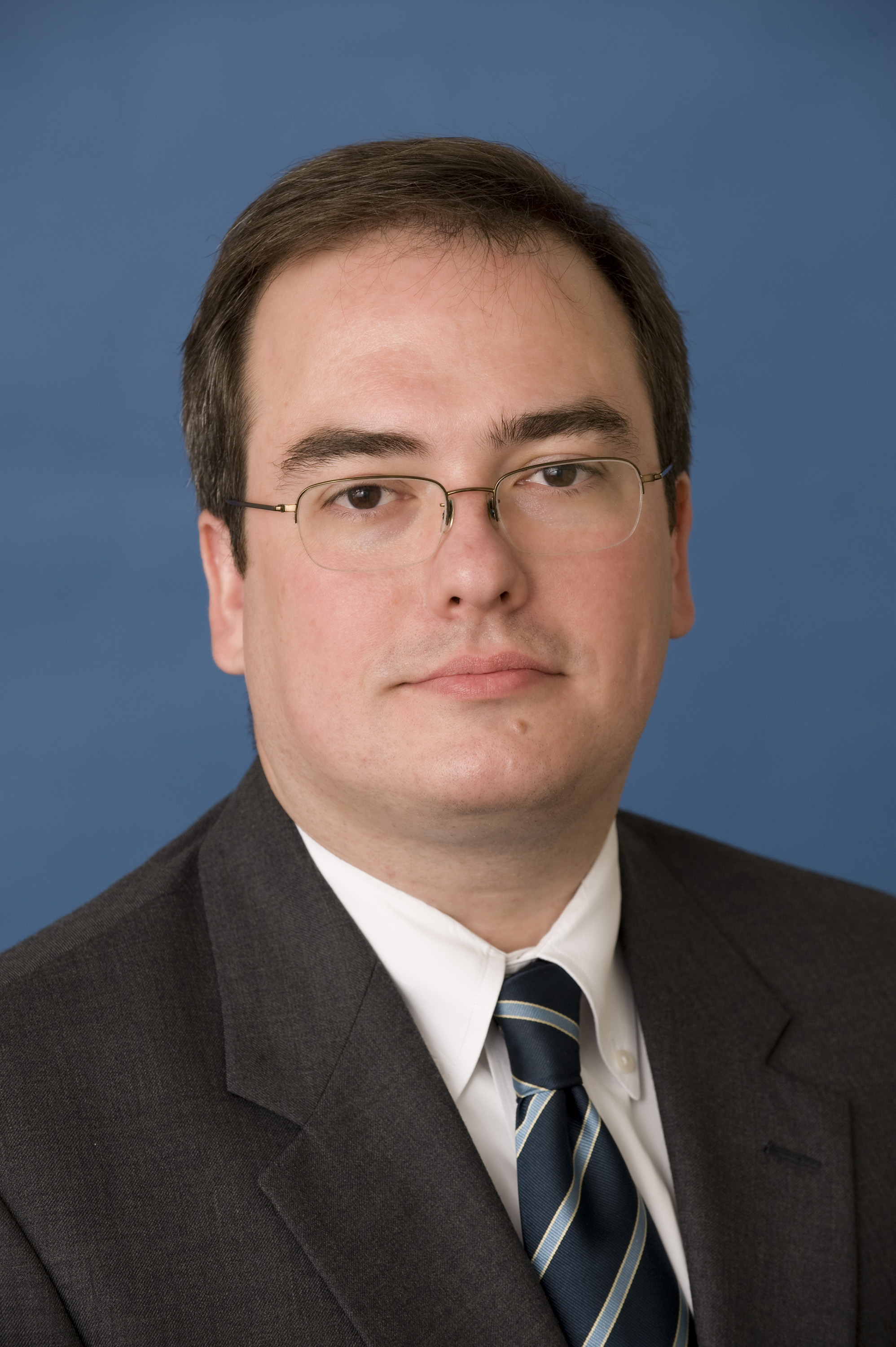
Former Associate, Middle East Program
Boucek was an associate in the Carnegie Middle East Program where his research focused on security challenges in the Arabian Peninsula and Northern Africa.
Recent Work
Christopher Boucek

Christopher Boucek, Karim Sadjadpour
Carnegie does not take institutional positions on public policy issues; the views represented herein are those of the author(s) and do not necessarily reflect the views of Carnegie, its staff, or its trustees.
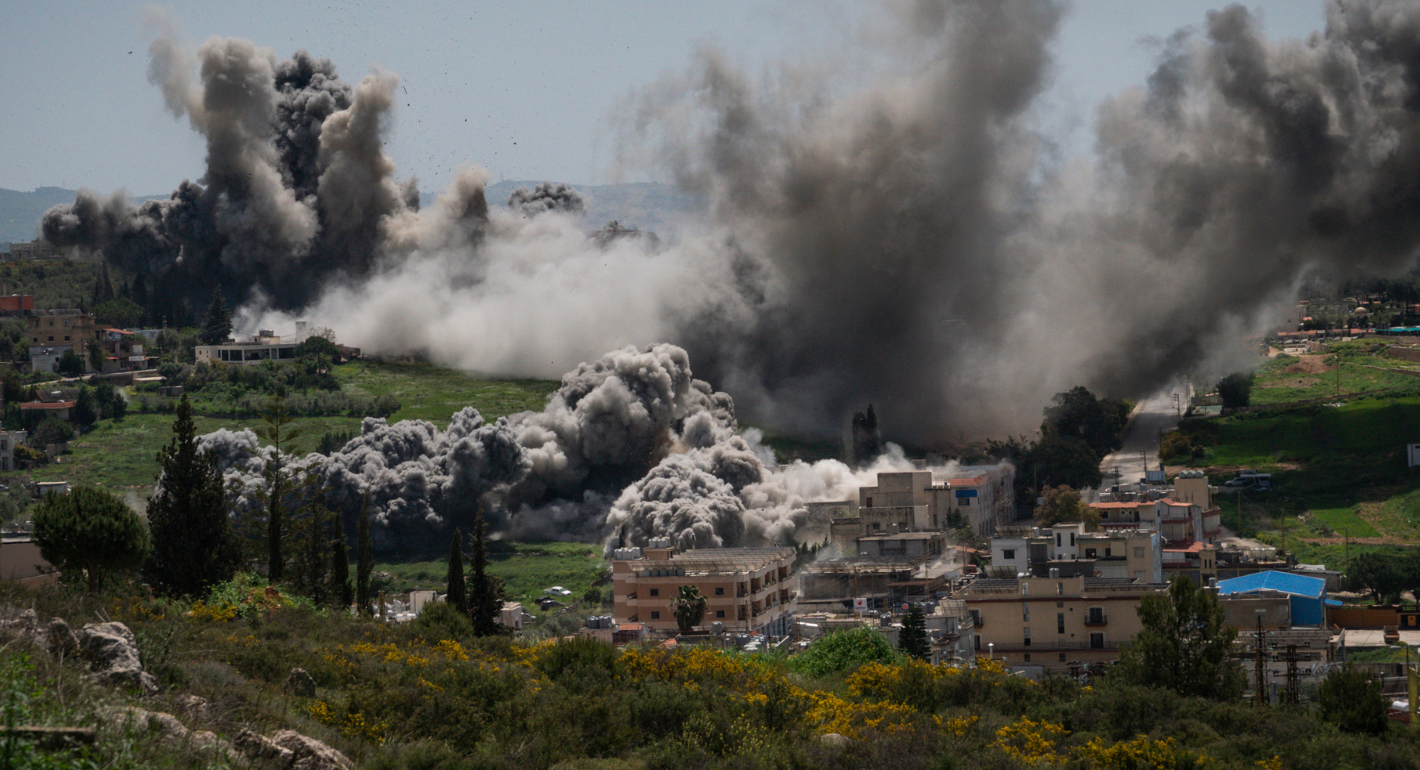
Europe has been standing by while its Southern neighborhood is being redrawn by force. To establish a path to peace between Israel and Lebanon, it’s time for Europeans to get involved with hard power.

Rym Momtaz
After four years of war, there is no one who can stand up to the security establishment, and President Vladimir Putin is increasingly passive.

Tatiana Stanovaya
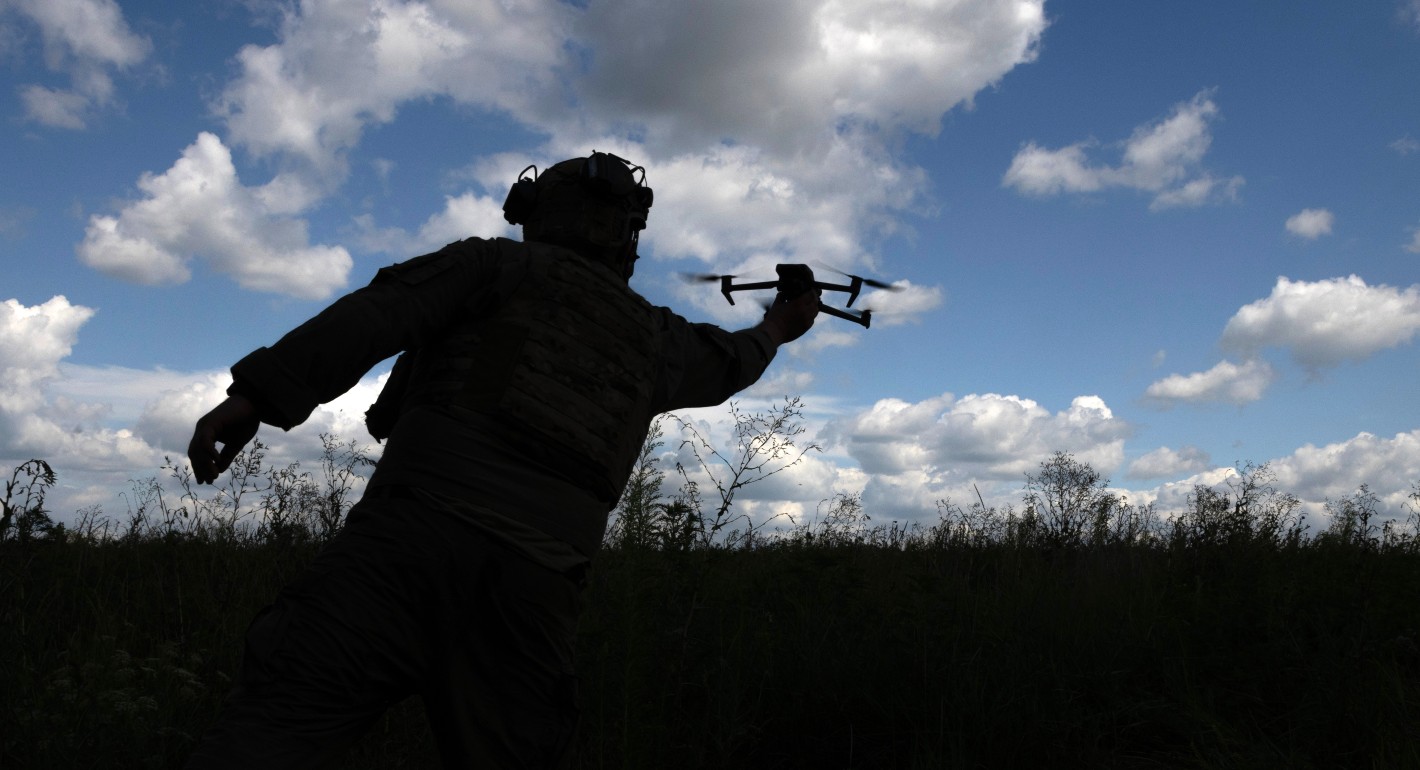
How Ukraine is driving doctrinal change in modern warfare.
Andriy Zagorodnyuk
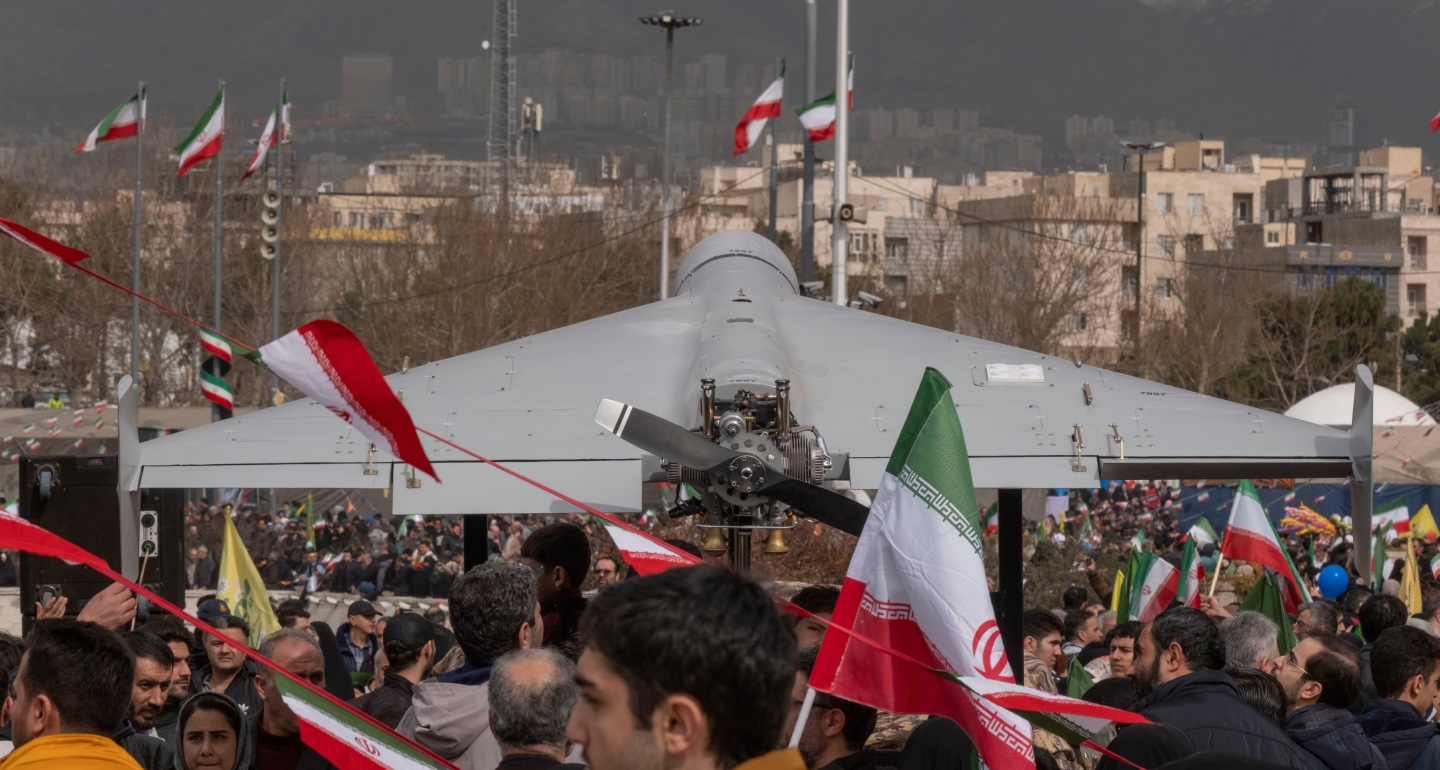
The Russian leadership wants to avoid a dangerous precedent in which it is squeezed out of Iran by the United States and Israel—and left powerless to respond in any meaningful way.

Nikita Smagin
One is hopeful. One is realistic. One is cautionary.

Andrew Leber, Sam Worby