Q&A
Christopher Boucek
{
  "authors": [
    "Christopher Boucek"
  ],
  "type": "legacyinthemedia",
  "centerAffiliationAll": "dc",
  "centers": [
    "Carnegie Endowment for International Peace"
  ],
  "collections": [
    "Arab Awakening"
  ],
  "englishNewsletterAll": "menaTransitions",
  "nonEnglishNewsletterAll": "",
  "primaryCenter": "Carnegie Endowment for International Peace",
  "programAffiliation": "MEP",
  "programs": [
    "Middle East"
  ],
  "projects": [],
  "regions": [
    "Middle East",
    "Yemen"
  ],
  "topics": [
    "Political Reform"
  ]
}
Source: Getty
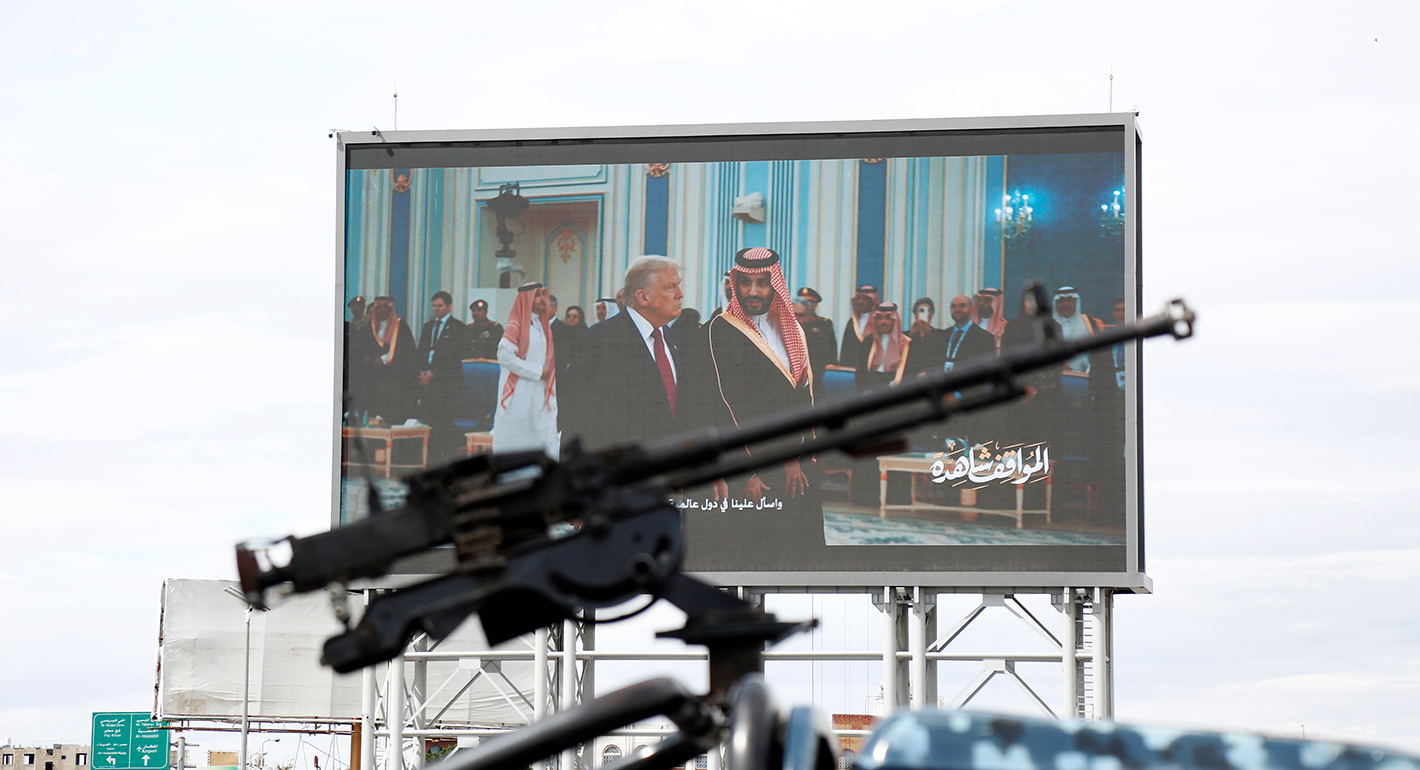
Yemen’s President Saleh has indicated that he is ready to relinquish power. It is important that the United States, its European partners, and Saudi Arabia assist Yemen during its critical transition period.
Source: MSNBC
The U.S. policy focus on Yemen has been largely driven by terrorism and security issues. Speaking on MSNBC’s Dylan Ratigan Show, Carnegie’s Christopher Boucek explained that “al-Qaeda has been the lens through which we view Yemen.” Yet Yemen is facing a host of systemic challenges that need to be addressed. The country suffers from chronic unemployment, corruption, a failing economy, and a population that is expected to double in twenty years. “Everything that could go wrong in Yemen is going wrong and focusing only on security ignores all the other instability,” argued Boucek. With Yemen’s President Saleh indicating that he is ready to relinquish power, it is important that the United States, its European partners, and Saudi Arabia assist Yemen during this transition period and not solely focus on counter-terrorism issues.
Former Associate, Middle East Program
Boucek was an associate in the Carnegie Middle East Program where his research focused on security challenges in the Arabian Peninsula and Northern Africa.
Recent Work
Christopher Boucek

Christopher Boucek, Karim Sadjadpour
Carnegie does not take institutional positions on public policy issues; the views represented herein are those of the author(s) and do not necessarily reflect the views of Carnegie, its staff, or its trustees.

One is hopeful. One is realistic. One is cautionary.

Andrew Leber, Sam Worby
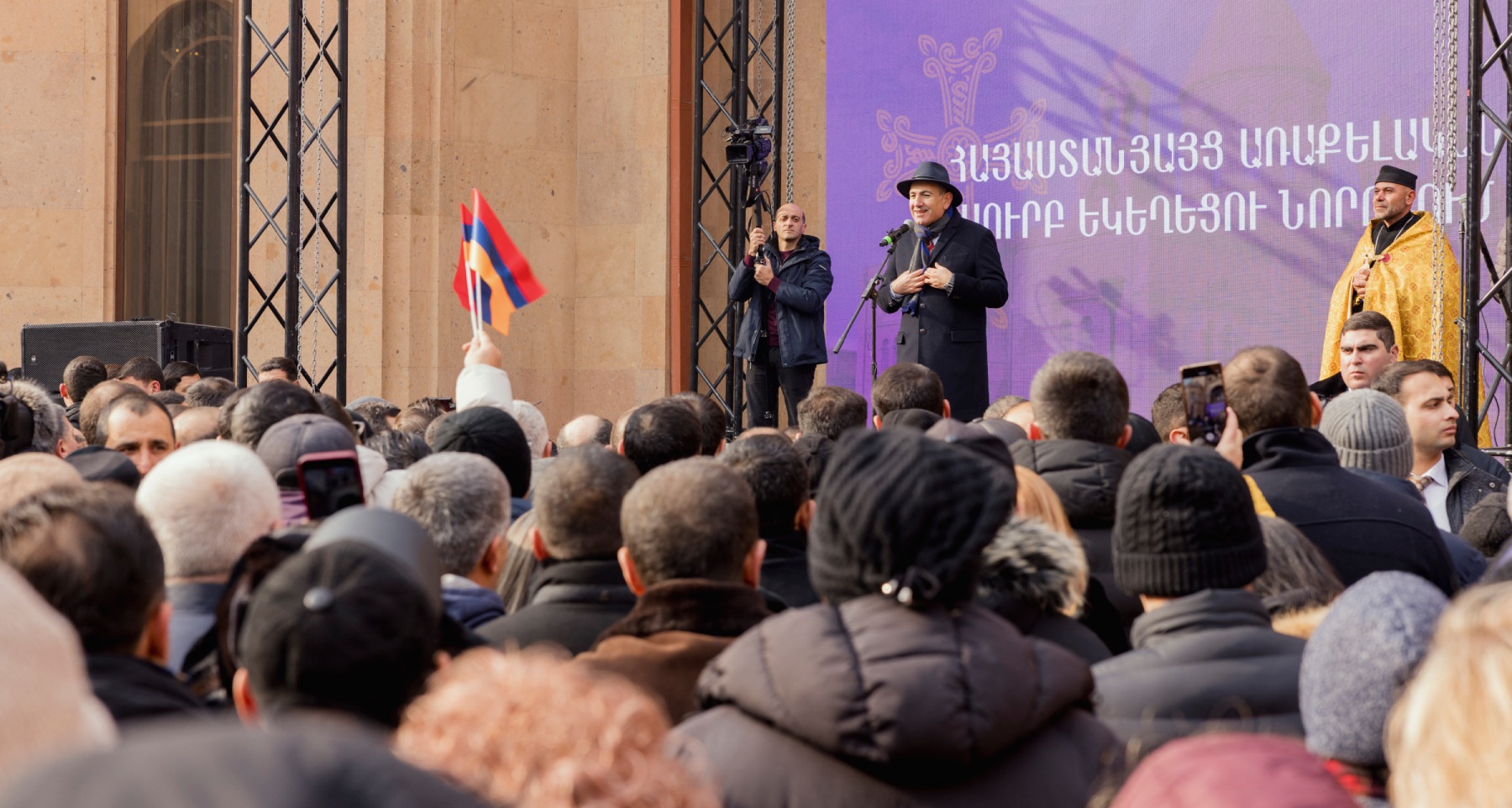
It’s true that many Armenians would vote for anyone just to be rid of Pashinyan, whom they blame for the loss of Nagorno-Karabakh, but the pro-Russia opposition is unlikely to be able to channel that frustration into an electoral victory.
Mikayel Zolyan
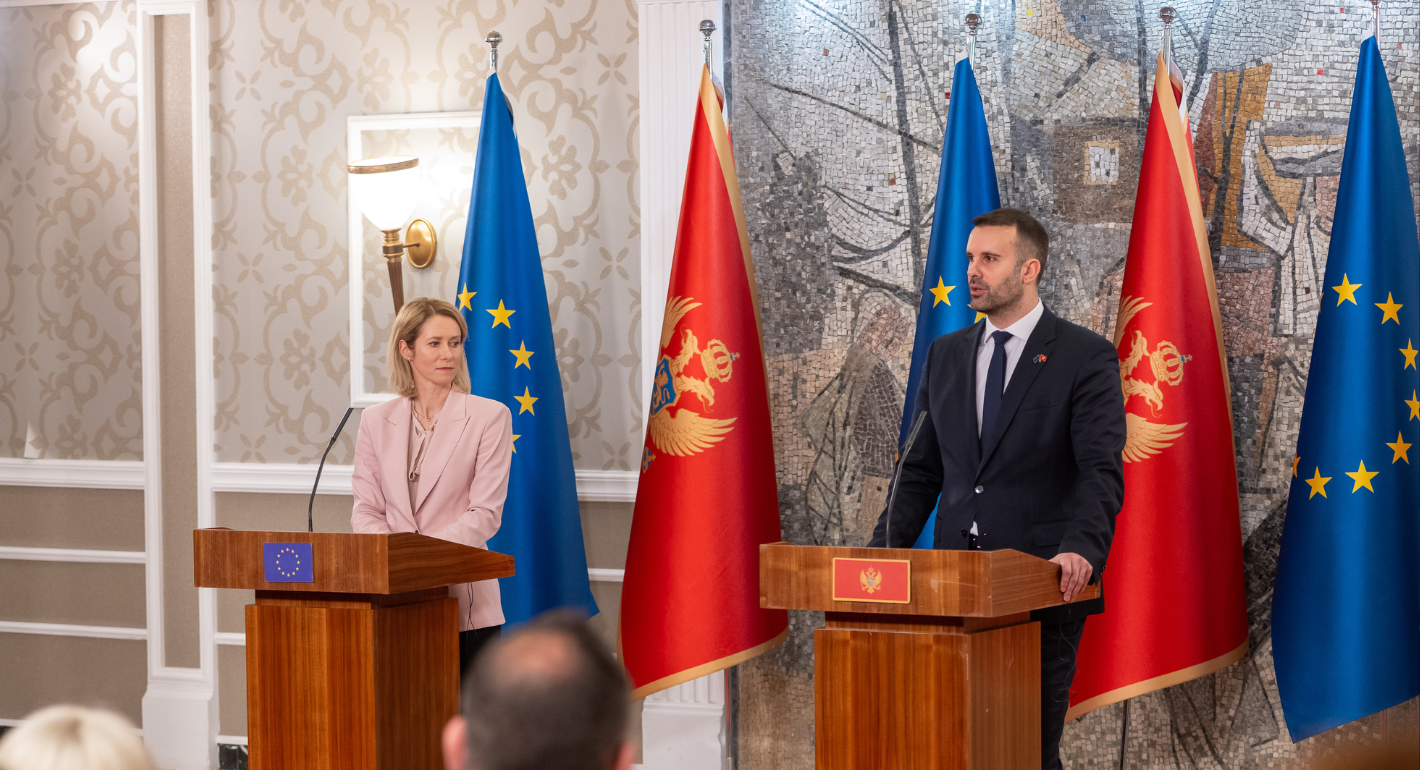
Montenegro and Albania are frontrunners for EU enlargement in the Western Balkans, but they can’t just sit back and wait. To meet their 2030 accession ambitions, they must make a strong positive case.


Dimitar Bechev, Iliriana Gjoni
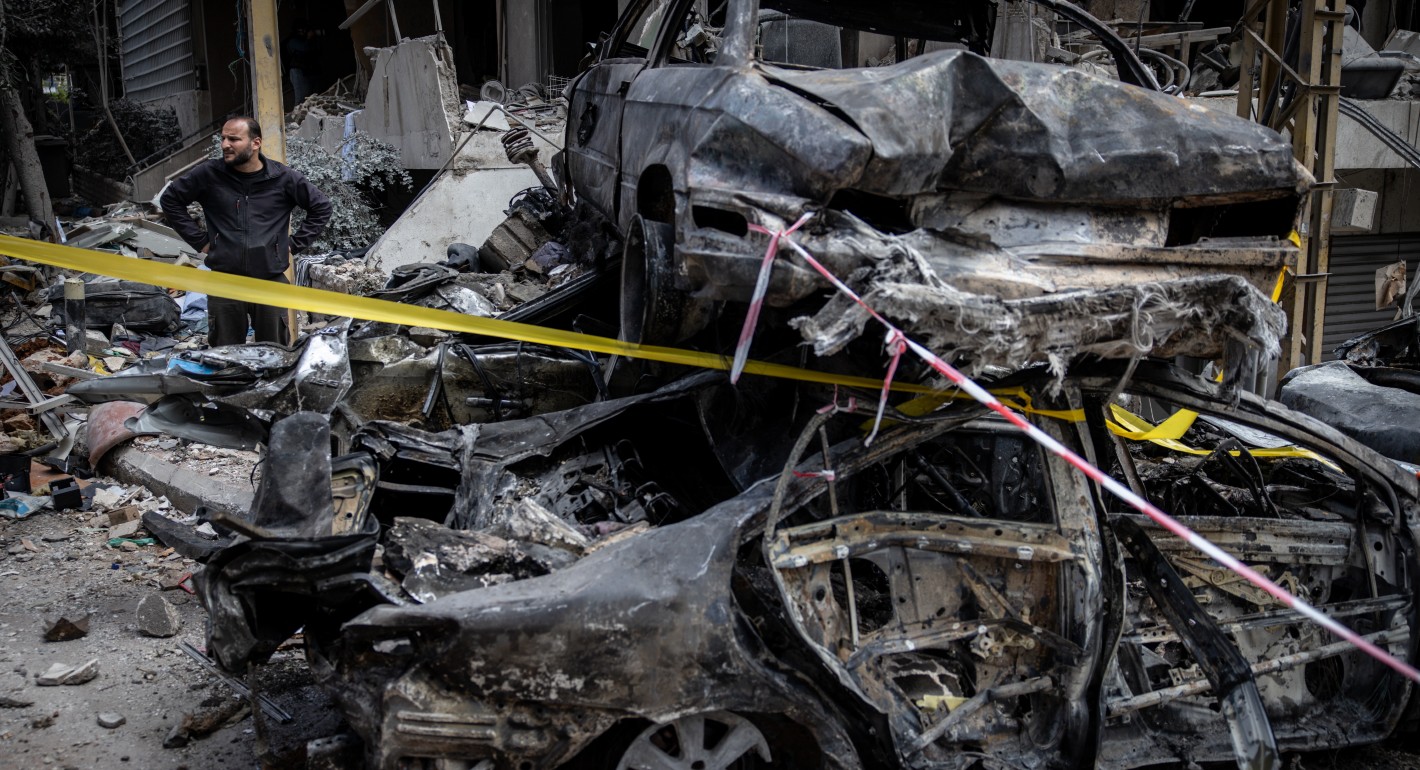
Four Middle East experts analyze the region’s reactions and next steps.


Amr Hamzawy, Andrew Leber, Eric Lob, …

As the war between the United States, Israel, and Iran continues, Carnegie scholars contribute cutting-edge analysis on the events of the war and their wide-reaching implications. From the impact on Iran and its immediate neighbors to the responses from Gulf states to fuel and fertilizer shortages caused by the effective shutdown of the Strait of Hormuz, the war is reshaping Middle East alliances and creating shockwaves around the world. Carnegie experts analyze it all.