• Research
  • Emissary
  • About
  • Experts
Carnegie Global logoCarnegie lettermark logo
DemocracyIran
  • Donate
{
  "authors": [],
  "type": "pressRelease",
  "centerAffiliationAll": "dc",
  "centers": [
    "Carnegie Endowment for International Peace"
  ],
  "collections": [],
  "englishNewsletterAll": "ctw",
  "nonEnglishNewsletterAll": "",
  "primaryCenter": "Carnegie Endowment for International Peace",
  "programAffiliation": "SAP",
  "programs": [
    "South Asia"
  ],
  "projects": [],
  "regions": [
    "North America",
    "United States",
    "South Asia",
    "Afghanistan"
  ],
  "topics": [
    "Security",
    "Military",
    "Foreign Policy"
  ]
}
REQUIRED IMAGE

REQUIRED IMAGE

Press Release

Military, not diplomatic, action needed to end war in Afghanistan

Osama bin Laden’s death will intensify the debate in Washington over U.S. strategy and plans in Afghanistan. While U.S. policy makers generally agree that a regional solution is essential for transitioning security in Afghanistan, meaningful cooperation among its neighbors remains elusive.

Link Copied
Published on May 5, 2011
Program mobile hero image

Program

South Asia

The South Asia Program informs policy debates relating to the region’s security, economy, and political development. From strategic competition in the Indo-Pacific to India’s internal dynamics and U.S. engagement with the region, the program offers in-depth, rigorous research and analysis on South Asia’s most critical challenges.

Learn More

WASHINGTON—Osama bin Laden’s death will intensify the debate in Washington over U.S. strategy and plans in Afghanistan. While U.S. policy makers generally agree that a regional solution is essential for transitioning security in Afghanistan, meaningful cooperation among its neighbors remains elusive.

Ashley J. Tellis explains in a new policy brief that continued U.S. military action—more than the promised American diplomatic surge—is the best hope for building a successful regional solution and ultimately ending the Afghan war. Only by altering realities on the ground can the United States induce the Taliban to consider reconciliation and neutralize the Pakistani strategy that is preventing a regional solution.

Conclusions:

  • Pakistan’s strategies are exacerbating regional instability. Pakistan’s troubled relationship with Afghanistan—which includes a longstanding border dispute—remains at the core of regional discord. By supporting the Taliban insurgency, Islamabad has earned Kabul’s distrust and deepened the relationship between Afghanistan and India, Pakistan’s rival.
  • Afghanistan’s neighbors need to transform their strategies. As long as Afghanistan’s neighbors, including India, perceive Islamabad as bent on holding Kabul in a choking embrace, a regional solution is unlikely. The United States must secure sufficient success in Afghanistan in order to force Rawalpindi, home of army headquarters, to change its current approach to Kabul.
  • United States must maintain surge levels. President Obama must forgo the politically calculated drawdown of combat troops this summer and instead follow the advice of field commanders to maintain the largest possible contingent for the coming campaign in eastern Afghanistan.

While a large continued military presence might be difficult and unpalatable for President Obama, “this course alone offers a solution that will protect the recent gains in Afghanistan and advance American interests over the long term,” Tellis writes.

NOTES

Click here to read the full policy brief.

Ashley J. Tellis is a senior associate in the Carnegie South Asia Program. He specializes in international security, defense, and Asian strategic issues and was intimately involved in the negotiations associated with the U.S.-India civil nuclear agreement. Previously, he was a senior adviser to the U.S. ambassador to India and was a special assistant to the president and senior director for strategic planning and Southwest Asia in the National Security Council.

The Carnegie South Asia Program informs policy debates relating to the region's security, economy, and political development. From the war in Afghanistan to Pakistan's internal dynamics to U.S. engagement with India, the Program's renowned team of experts offer in-depth analysis derived from their unique access to the people and places defining South Asia's most critical challenges.

Press Contact: Karly Schledwitz, +1 202 939 2233, pressoffice@ceip.org

SecurityMilitaryForeign PolicyNorth AmericaUnited StatesSouth AsiaAfghanistan

Carnegie does not take institutional positions on public policy issues; the views represented herein are those of the author(s) and do not necessarily reflect the views of Carnegie, its staff, or its trustees.

More Work from Carnegie Endowment for International Peace

  • Article
    India’s Oil Security Strategy: Structural Vulnerabilities and Strategic Choices

    This piece argues that the present Indian strategy, based on opportunistic diversification and utilization of limited strategic reserves, remains inadequate when confronting supply disruptions. It evaluates India’s options in the short, medium, and long terms.

      Vrinda Sahai

  • flood wall
    Commentary
    Emissary
    BRIC Is Critical for U.S. National Security. After a Yearlong Legal Battle, It’s Back.

    Its reinstatement should be celebrated, but it retains some major shortcomings.

      Leonardo Martinez-Diaz

  • Article
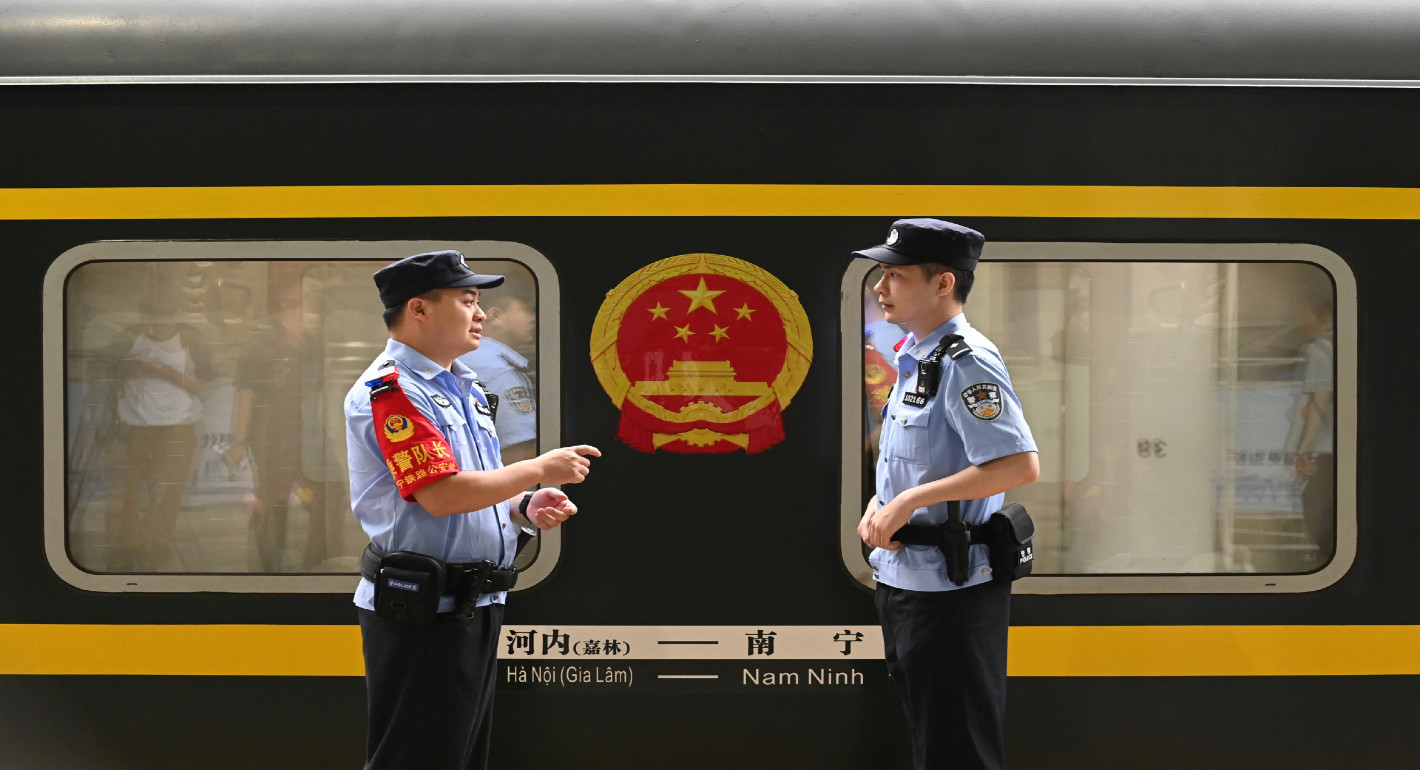
    Leveraging Internal Security Cooperation with Vietnam Offers a Glimpse of Future Chinese Diplomacy with Southeast Asia

    Despite long-standing differences, China and Vietnam are reinforcing common ground for collaboration, especially in public security. This internal security–centered diplomacy offers a strengthened road map for how China moves forward with Southeast Asia.

      Sophie Zhuang

  • Aerial shot of island community
    Commentary
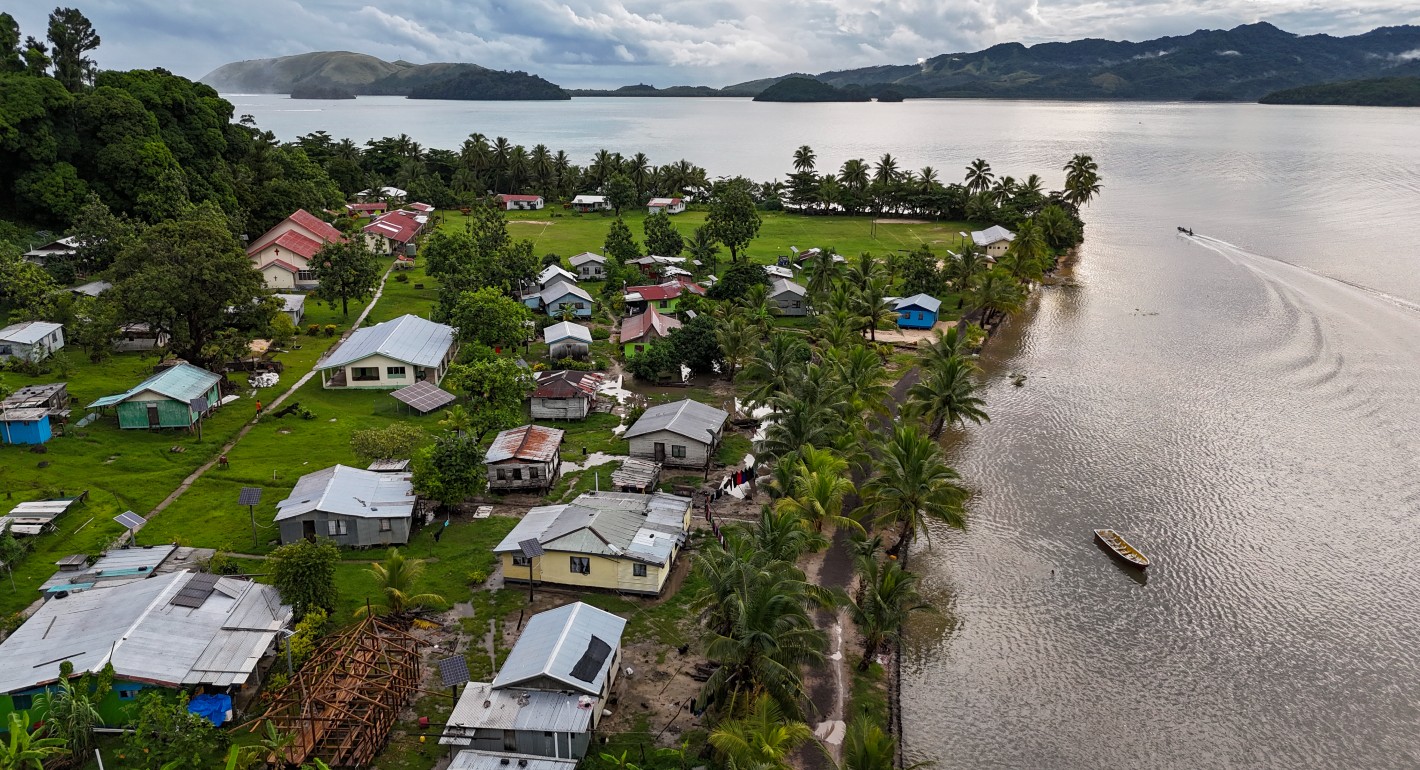
    One Year After the Great Aid Recession, Investments in Climate Mobility Offer Cost-Effective Returns

    Climate mobility interventions can vary, but they all present opportunities to unlock transformative results that mitigate costs associated with inaction.

      • Alejandro Rodriguez

      Alejandro Martin Rodriguez

  • Man standing next to a pile of burned cars
    Commentary
    Emissary
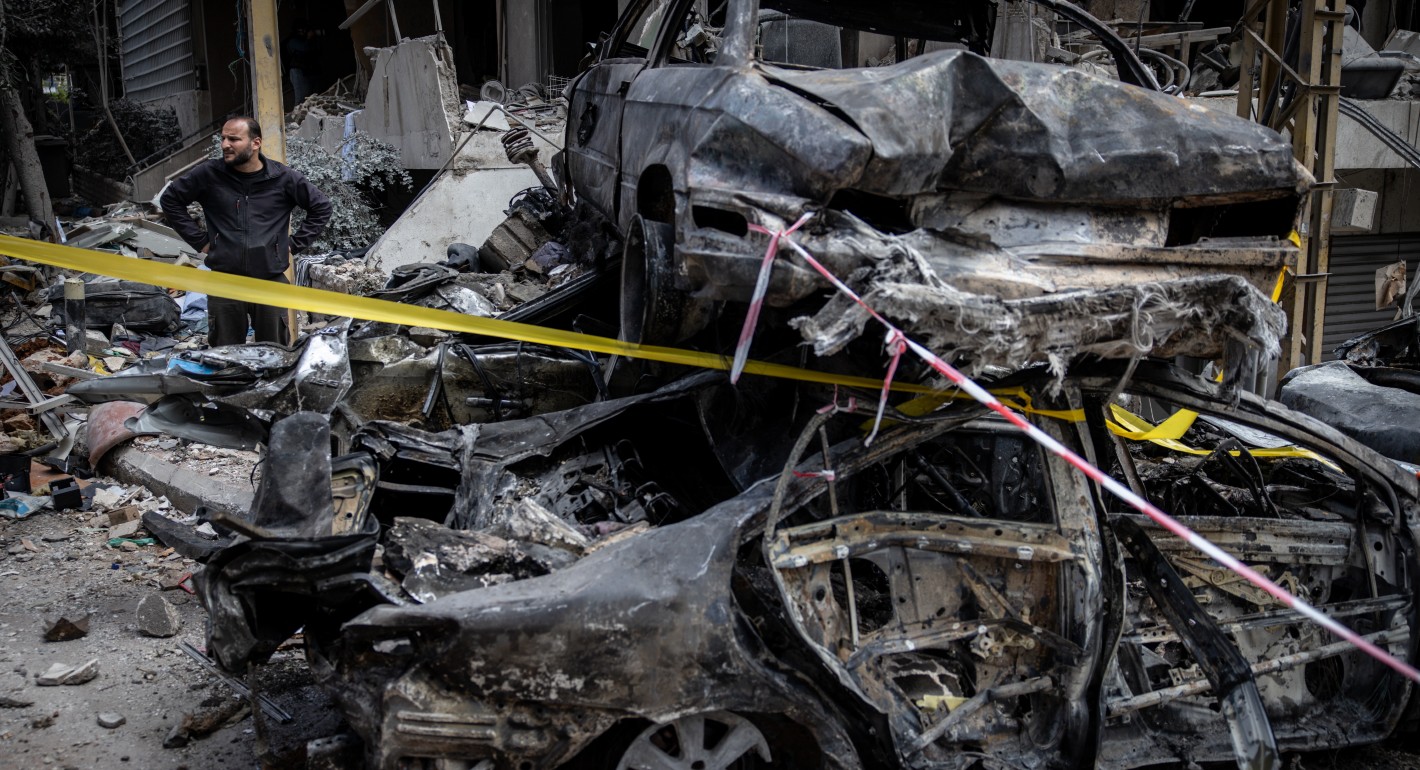
    The Myriad Problems With the Iran Ceasefire

    Four Middle East experts analyze the region’s reactions and next steps.

      • Andrew Leber
      • Eric Lob
      • +1

      Amr Hamzawy, Andrew Leber, Eric Lob, …

Get more news and analysis from
Carnegie Endowment for International Peace
Carnegie global logo, stacked
1779 Massachusetts Avenue NWWashington, DC, 20036-2103Phone: 202 483 7600Fax: 202 483 1840
  • Research
  • Emissary
  • About
  • Experts
  • Donate
  • Programs
  • Events
  • Blogs
  • Podcasts
  • Contact
  • Annual Reports
  • Careers
  • Privacy
  • For Media
  • Government Resources
Get more news and analysis from
Carnegie Endowment for International Peace
© 2026 Carnegie Endowment for International Peace. All rights reserved.