• Research
  • Emissary
  • About
  • Experts
Carnegie Global logoCarnegie lettermark logo
DemocracyIran
  • Donate
{
  "authors": [
    "Toby Dalton"
  ],
  "type": "legacyinthemedia",
  "centerAffiliationAll": "dc",
  "centers": [
    "Carnegie Endowment for International Peace",
    "Carnegie Europe"
  ],
  "collections": [],
  "englishNewsletterAll": "ctw",
  "nonEnglishNewsletterAll": "",
  "primaryCenter": "Carnegie Endowment for International Peace",
  "programAffiliation": "NPP",
  "programs": [
    "Nuclear Policy"
  ],
  "projects": [],
  "regions": [
    "Middle East",
    "Iran",
    "Syria"
  ],
  "topics": [
    "Nuclear Policy"
  ]
}
Source: Getty

In The Media

Maintaining the Nuclear Order

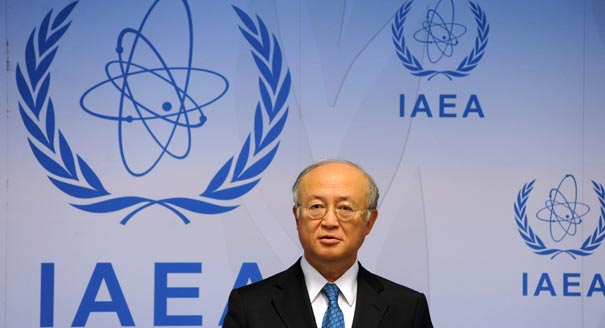
The existing nuclear order faces unprecedented changes. In navigating this changing landscape, the International Atomic Energy Agency faces three principal challenges.

Link Copied
By Toby Dalton
Published on Aug 9, 2011
Program mobile hero image

Program

Nuclear Policy

The Nuclear Policy Program aims to reduce the risk of nuclear war. Our experts diagnose acute risks stemming from technical and geopolitical developments, generate pragmatic solutions, and use our global network to advance risk-reduction policies. Our work covers deterrence, disarmament, arms control, nonproliferation, and nuclear energy.

Learn More

Source: Insights on Law and Society

Maintaining the Nuclear OrderThe existing nuclear order faces unprecedented changes. Iran and Syria are in breach of their safeguards commitments and may yet develop nuclear weapons. Non-nuclear weapon states are demanding more immediate and permanent steps from the United States, Russia, and other nuclear weapon holders to disarm. And despite the Fukushima nuclear accident in Japan, many states are considering nuclear power, including in politically volatile regions such as the Middle East.

At the center of the nuclear order is the International Atomic Energy Agency (IAEA), the United Nations agency charged with verifying that nuclear programs remain peaceful and with facilitating the development of nuclear energy. In navigating this changing landscape, the IAEA faces three principal challenges.
 
First, there is increasing divergence of political will and legal authority on compliance. In the cases of Iran and Syria,
the IAEA has the necessary authority to request and carry out all-encompassing inspections without notice, but IAEA
member states do not have the political will to support the IAEA’s writ. 
 
Second, the IAEA faces increasing demands on its time and expertise in carrying out safeguards and facilitating nuclear energy, but without accompanying budgetary growth. If the IAEA is to be effective in carrying out both responsibilities, it needs adequate financial support from member states. 
 
Finally, there is a looming shortage of technical staff with the expertise to take on complex nuclear safeguards issues. Although the nuclear renaissance has spawned renewed interest in nuclear physics and engineering, including in the United States, there are currently too few students in the pipeline globally to meet the IAEA’s future staff requirements. 
 
In the next decade, the IAEA will face increasing shortages of political, financial, and technical support. Without increases in all three, the current nuclear order may soon be characterized by disorder, with potential negative consequences across the globe.

About the Author

Toby Dalton

Senior Fellow and Co-director, Nuclear Policy Program

Toby Dalton is a senior fellow and co-director of the Nuclear Policy Program at the Carnegie Endowment. An expert on nonproliferation and nuclear energy, his work addresses regional security challenges and the evolution of the global nuclear order.

    Recent Work

  • Article
    Promoting Responsible Nuclear Energy Conduct: An Agenda for International Cooperation

      Ariel (Eli) Levite, Toby Dalton

  • Research
    A New Era of Nuclear-Powered Submarines Is Making Waves in Nuclear-Weapon-Free Zones
      • +5

      Toby Dalton, Jamie Kwong, Ryan A. Musto, …

Toby Dalton
Senior Fellow and Co-director, Nuclear Policy Program
Toby Dalton
Nuclear PolicyMiddle EastIranSyria

Carnegie does not take institutional positions on public policy issues; the views represented herein are those of the author(s) and do not necessarily reflect the views of Carnegie, its staff, or its trustees.
More Work from Carnegie Endowment for International Peace

  • Commentary
    Diwan
    A Military Balance Sheet in the U.S. and Israeli War With Iran

    In an interview, Jim Lamson discusses the ongoing regional conflict and sees an unclear picture when it comes to winners and losers. 

      Michael Young
  • Commentary
    Strategic Europe
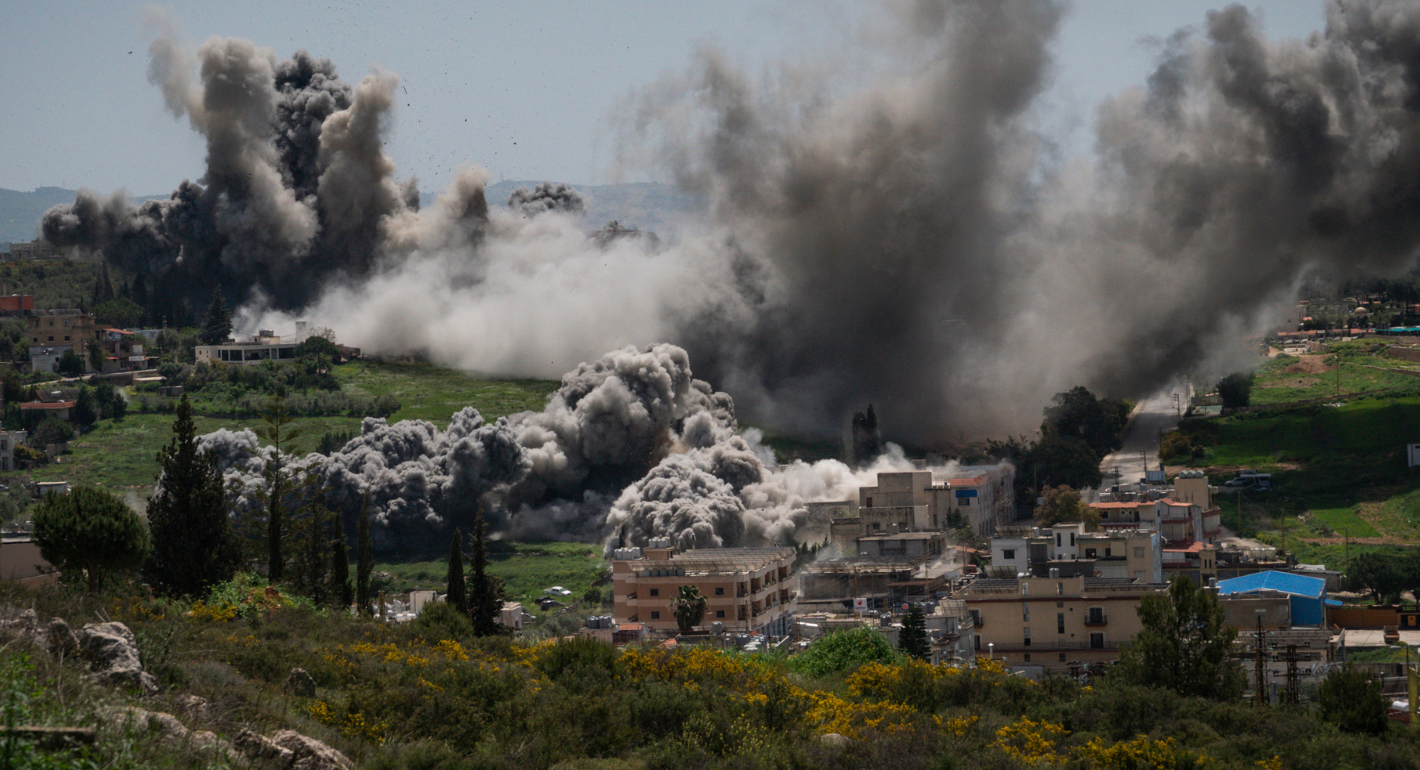
    France, Italy, and Spain Should Use Force in Lebanon

    Europe has been standing by while its Southern neighborhood is being redrawn by force. To establish a path to peace between Israel and Lebanon, it’s time for Europeans to get involved with hard power.

      • Rym Momtaz

      Rym Momtaz

  • Commentary
    Carnegie Politika
    Russia Is Meddling for Meddling’s Sake in the Middle East

    The Russian leadership wants to avoid a dangerous precedent in which it is squeezed out of Iran by the United States and Israel—and left powerless to respond in any meaningful way.

      Nikita Smagin
  • Man speaking into two mics
    Commentary
    Emissary
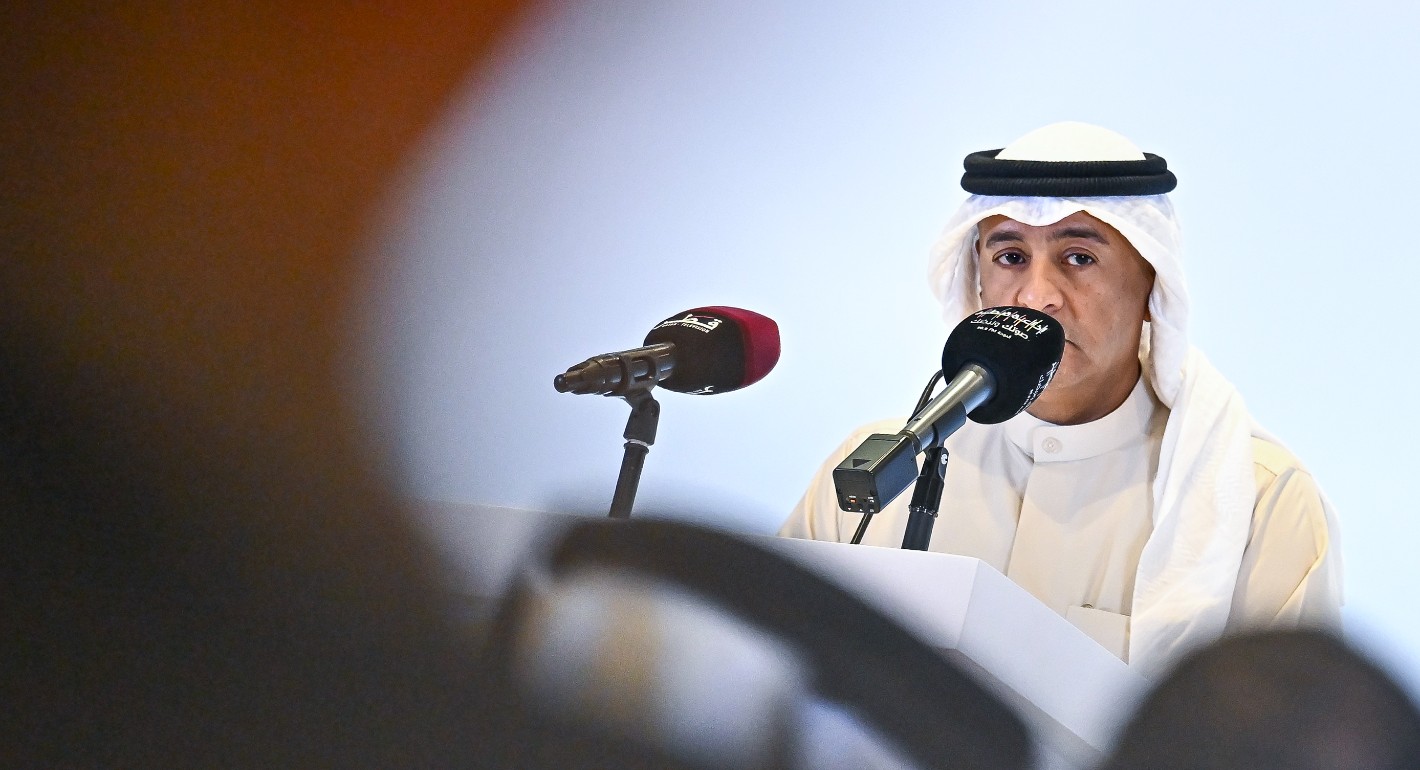
    Three Scenarios for the Gulf States After the Iran War

    One is hopeful. One is realistic. One is cautionary.

      • Andrew Leber

      Andrew Leber, Sam Worby

  • Commentary
    Strategic Europe
    The Fog of AI War

    In Ukraine, Gaza, and Iran, AI warfare has come to dominate, with barely any oversight or accountability. Europe must lead the charge on the responsible use of new military technologies.

      Raluca Csernatoni

Get more news and analysis from
Carnegie Endowment for International Peace
Carnegie global logo, stacked
1779 Massachusetts Avenue NWWashington, DC, 20036-2103Phone: 202 483 7600
  • Research
  • Emissary
  • About
  • Experts
  • Donate
  • Programs
  • Events
  • Blogs
  • Podcasts
  • Contact
  • Annual Reports
  • Careers
  • Privacy
  • For Media
  • Government Resources
Get more news and analysis from
Carnegie Endowment for International Peace
© 2026 Carnegie Endowment for International Peace. All rights reserved.