


Q&A
Aaron David Miller, Karim Sadjadpour, Robin Wright
{
  "authors": [
    "Karim Sadjadpour"
  ],
  "type": "legacyinthemedia",
  "centerAffiliationAll": "dc",
  "centers": [
    "Carnegie Endowment for International Peace",
    "Malcolm H. Kerr Carnegie Middle East Center"
  ],
  "collections": [],
  "englishNewsletterAll": "menaTransitions",
  "nonEnglishNewsletterAll": "",
  "primaryCenter": "Carnegie Endowment for International Peace",
  "programAffiliation": "MEP",
  "programs": [
    "Middle East"
  ],
  "projects": [],
  "regions": [
    "Middle East",
    "Iran",
    "Gulf"
  ],
  "topics": [
    "Security",
    "Political Reform",
    "Nuclear Policy"
  ]
}
Source: Getty
Any military strike against Iranian nuclear facilities will indefinitely postpone the shelf life of the Iranian regime and therefore be counterproductive.
Source: ABC's This Week
The debate over Iran’s nuclear program often seems to leave out the fact that the largest anti-government protests the Middle East has seen in recent years have come from Iran. Karim Sadjadpour asserts that “military action may set back the nuclear clock back a couple of years, but it will also indefinitely postpone the shelf life of the Iranian regime.” Many Americans are now more worried about nation-building at home through improving the American economy and reducing the U.S.’ footprint in the Middle East. A military attack on Iran would greatly hinder an economic recovery by causing a steep hike in oil prices and further tumult in the region. “The best way we can help the Iranian opposition is by inhibiting the regime’s ability to control information and communication,” notes Sadjadpour.

Senior Fellow, Middle East Program
Karim Sadjadpour is a senior fellow at the Carnegie Endowment for International Peace, where he focuses on Iran and U.S. foreign policy toward the Middle East.
Recent Work


Aaron David Miller, Karim Sadjadpour, Robin Wright

Aaron David Miller, David Petraeus, Karim Sadjadpour
Carnegie does not take institutional positions on public policy issues; the views represented herein are those of the author(s) and do not necessarily reflect the views of Carnegie, its staff, or its trustees.
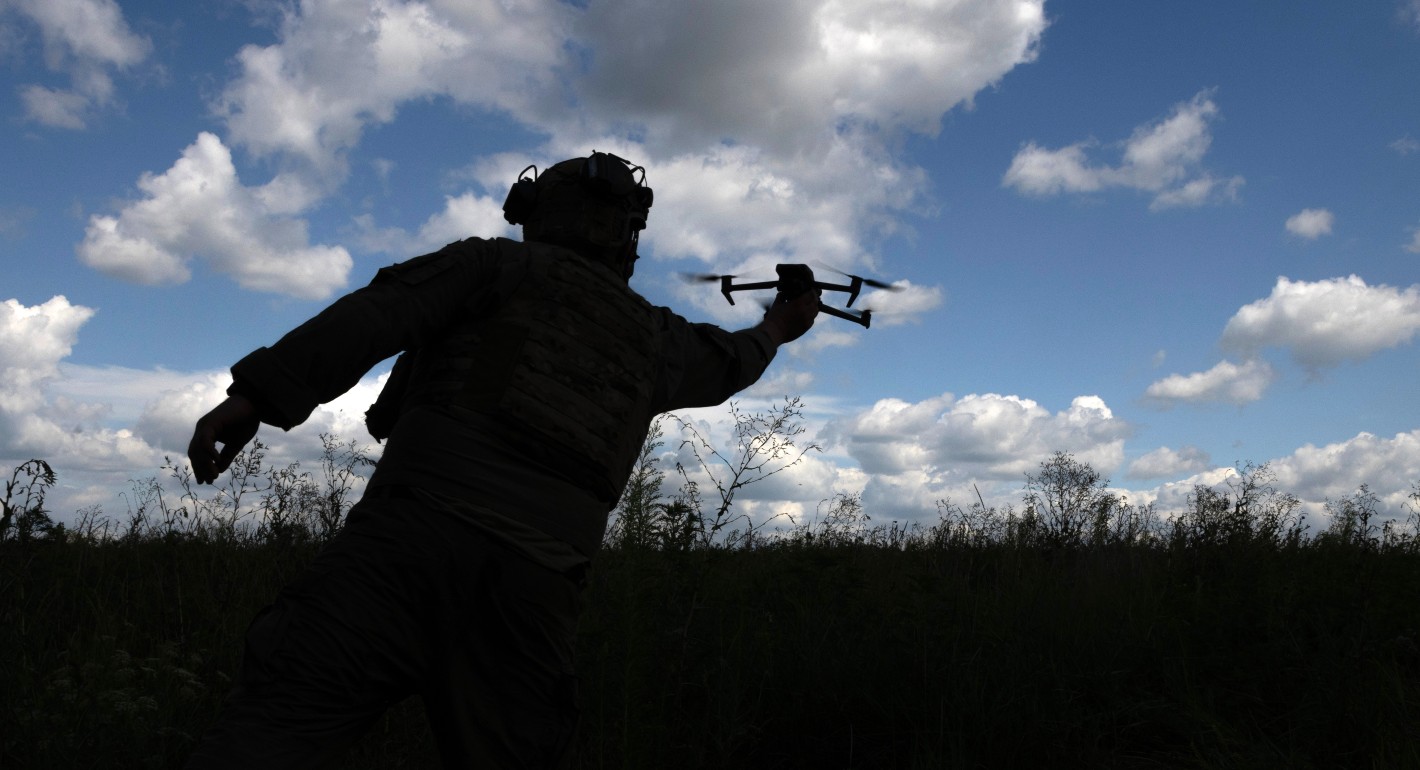
How Ukraine is driving doctrinal change in modern warfare.
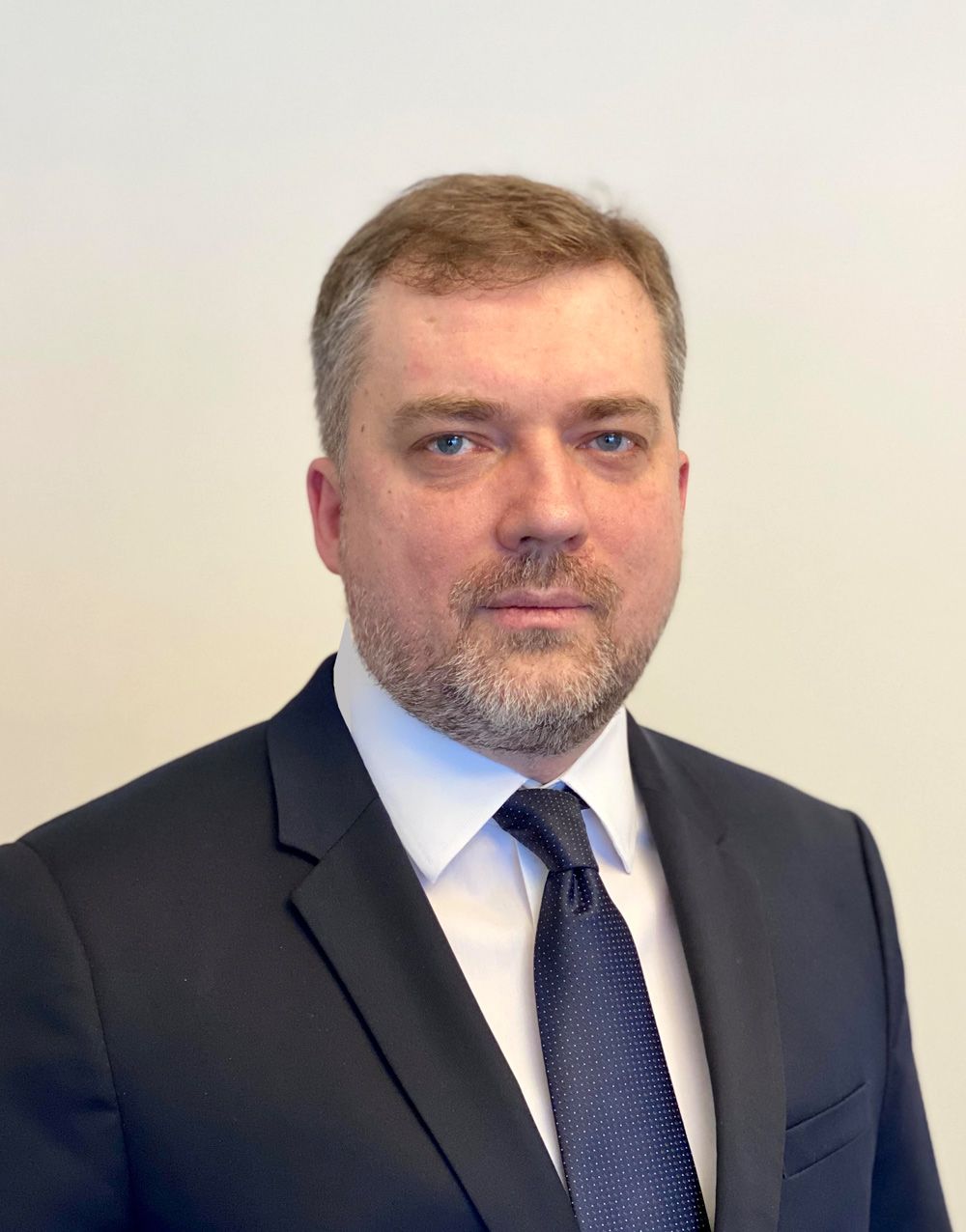
Andriy Zagorodnyuk
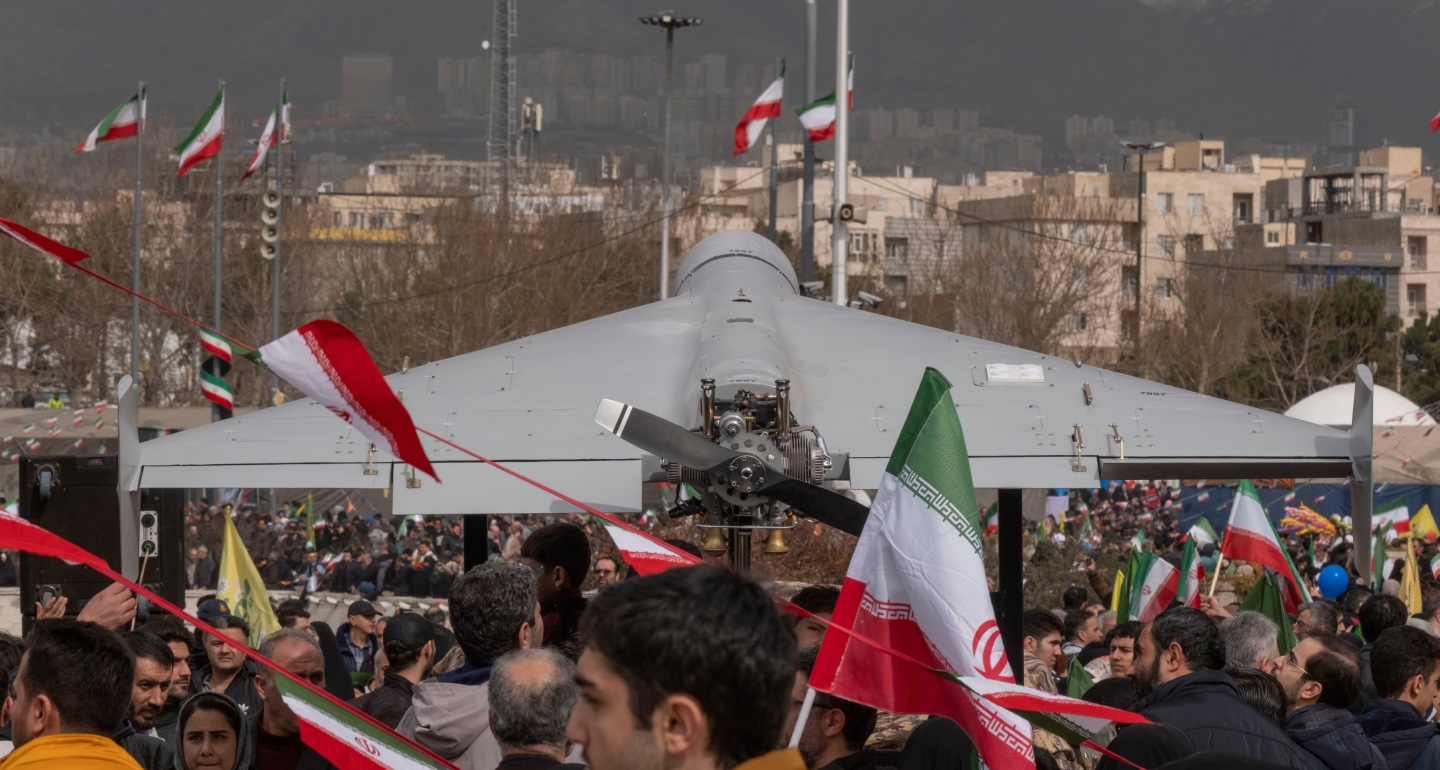
The Russian leadership wants to avoid a dangerous precedent in which it is squeezed out of Iran by the United States and Israel—and left powerless to respond in any meaningful way.

Nikita Smagin

One is hopeful. One is realistic. One is cautionary.

Andrew Leber, Sam Worby
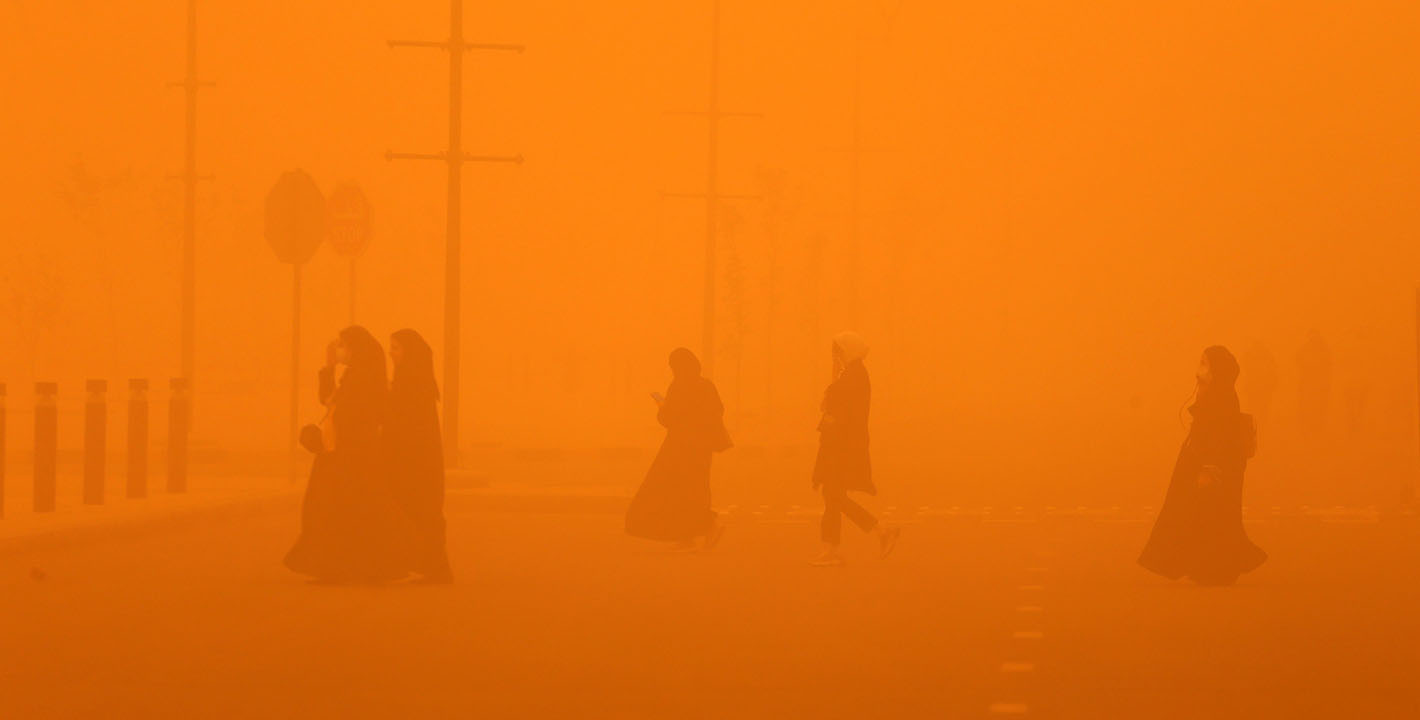
Mitigating the repercussions of climate change in Kuwait is crucial for lessening economic disparities and achieving social justice.
Courtney Freer
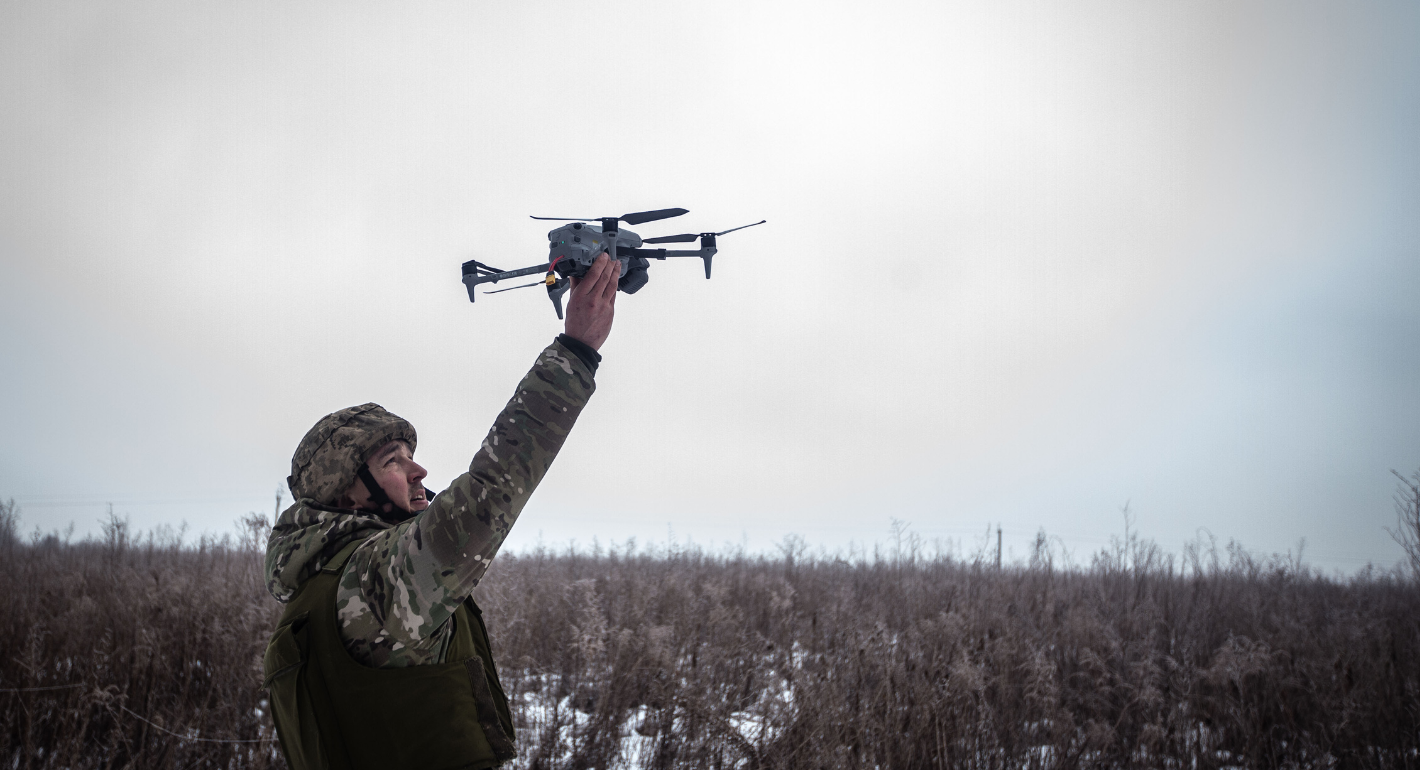
In Ukraine, Gaza, and Iran, AI warfare has come to dominate, with barely any oversight or accountability. Europe must lead the charge on the responsible use of new military technologies.

Raluca Csernatoni