

Commentary
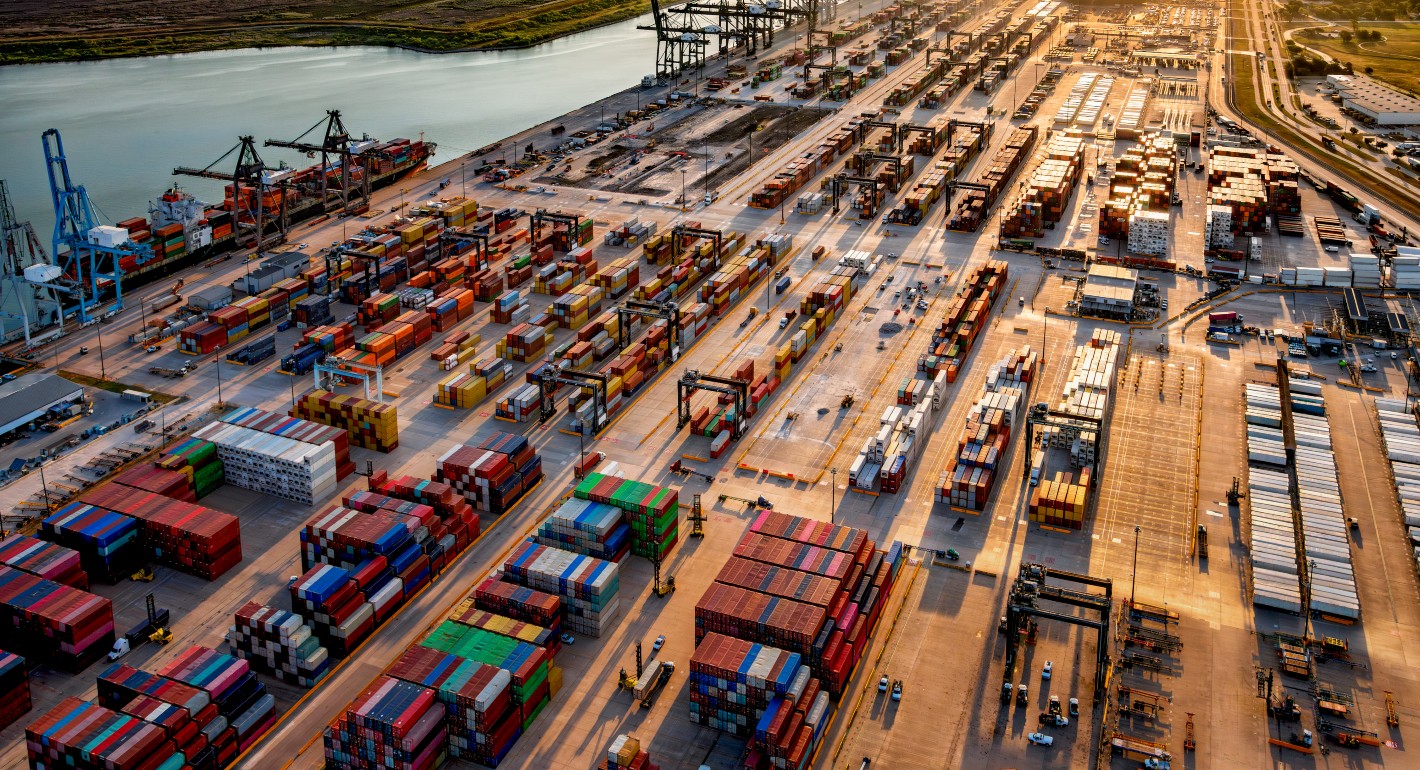
Five problems—and solutions—to make it actually work as a tool of great power competition.
Afreen Akhter
{
  "authors": [
    "Hans Timmer",
    "Uri Dadush"
  ],
  "type": "other",
  "centerAffiliationAll": "",
  "centers": [
    "Carnegie Endowment for International Peace"
  ],
  "collections": [],
  "englishNewsletterAll": "",
  "nonEnglishNewsletterAll": "",
  "primaryCenter": "Carnegie Endowment for International Peace",
  "programAffiliation": "",
  "programs": [],
  "projects": [],
  "regions": [
    "North America",
    "United States",
    "South America",
    "South Asia",
    "East Asia",
    "China",
    "Japan",
    "Southeast Asia",
    "Western Europe"
  ],
  "topics": [
    "Economy"
  ]
}
Source: Getty
A situation where Europe is unraveling, the United States is indecisive, and Japan is facing major long-term problems, calls into question the belief system and power system that has driven the global economy for the last fifty or sixty years.
Hans Timmer

Former Senior Associate, International Economics Program
Dadush was a senior associate at the Carnegie Endowment for International Peace. He focuses on trends in the global economy and is currently tracking developments in the eurozone crisis.
Carnegie does not take institutional positions on public policy issues; the views represented herein are those of the author(s) and do not necessarily reflect the views of Carnegie, its staff, or its trustees.
Five problems—and solutions—to make it actually work as a tool of great power competition.
Afreen Akhter
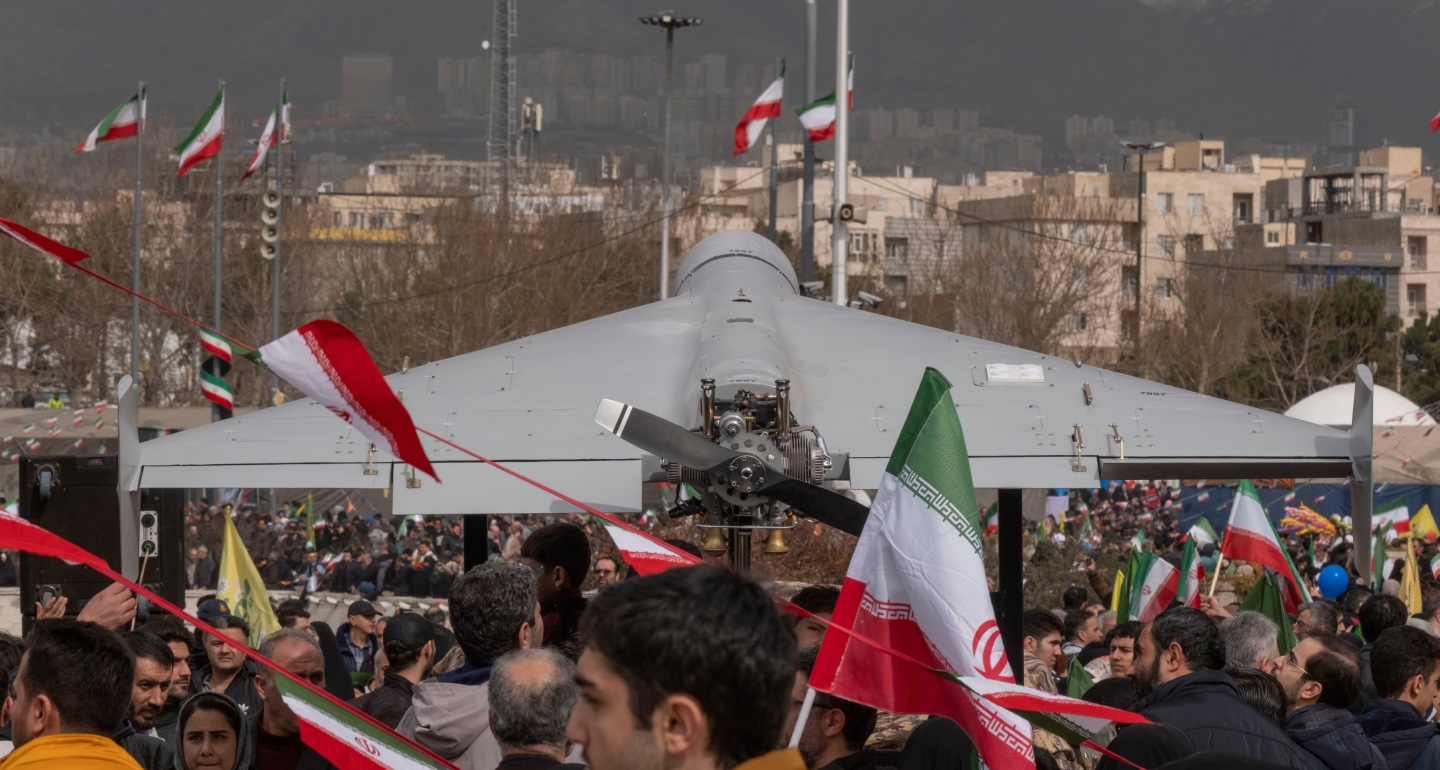
The Russian leadership wants to avoid a dangerous precedent in which it is squeezed out of Iran by the United States and Israel—and left powerless to respond in any meaningful way.

Nikita Smagin
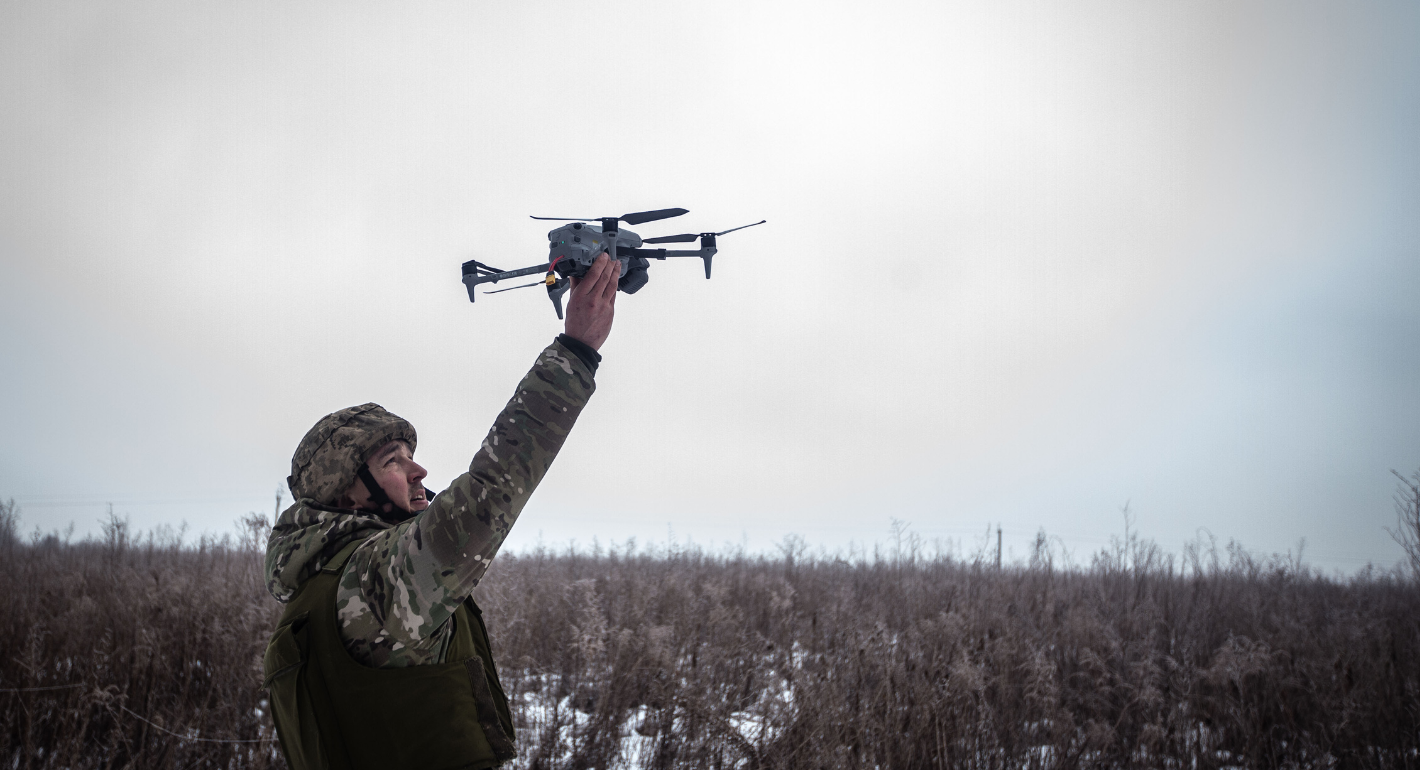
In Ukraine, Gaza, and Iran, AI warfare has come to dominate, with barely any oversight or accountability. Europe must lead the charge on the responsible use of new military technologies.

Raluca Csernatoni
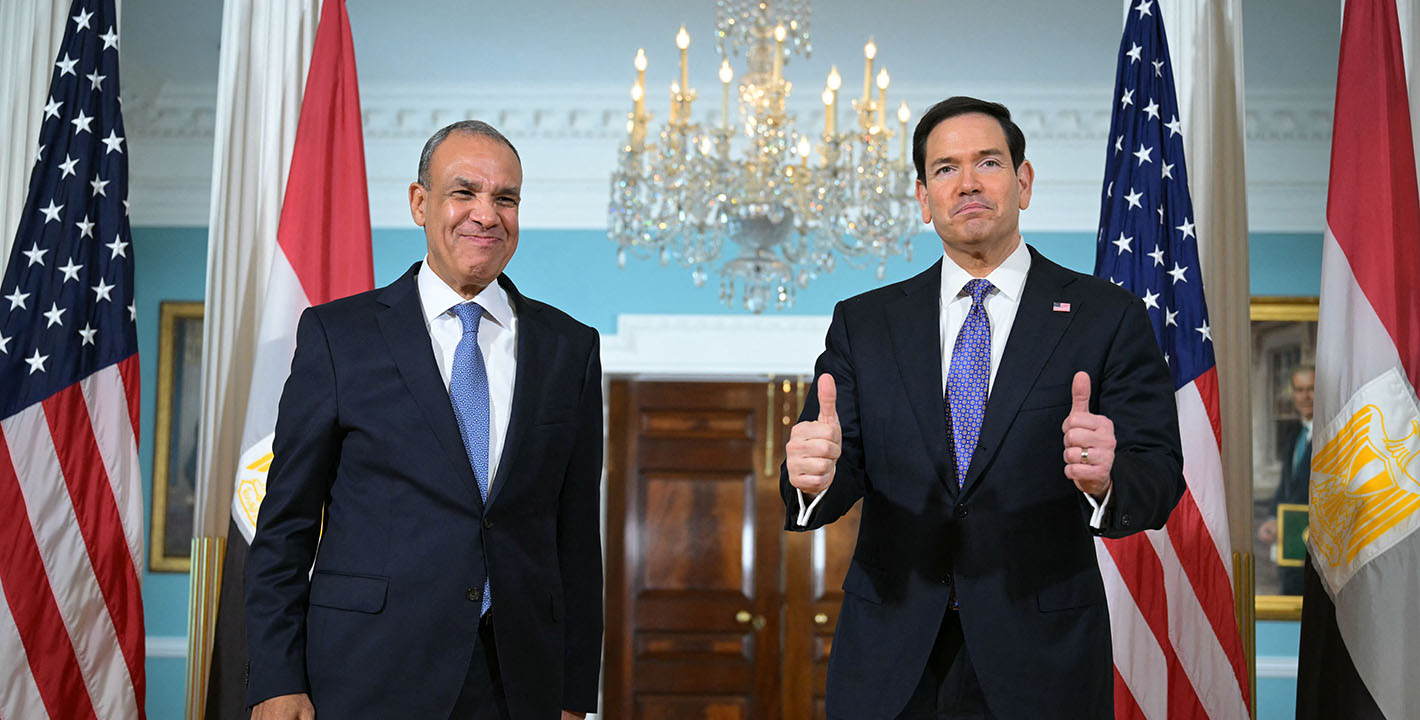
Cairo’s efforts send a message to the United States and the region that it still has a place at the diplomatic table.

Angie Omar
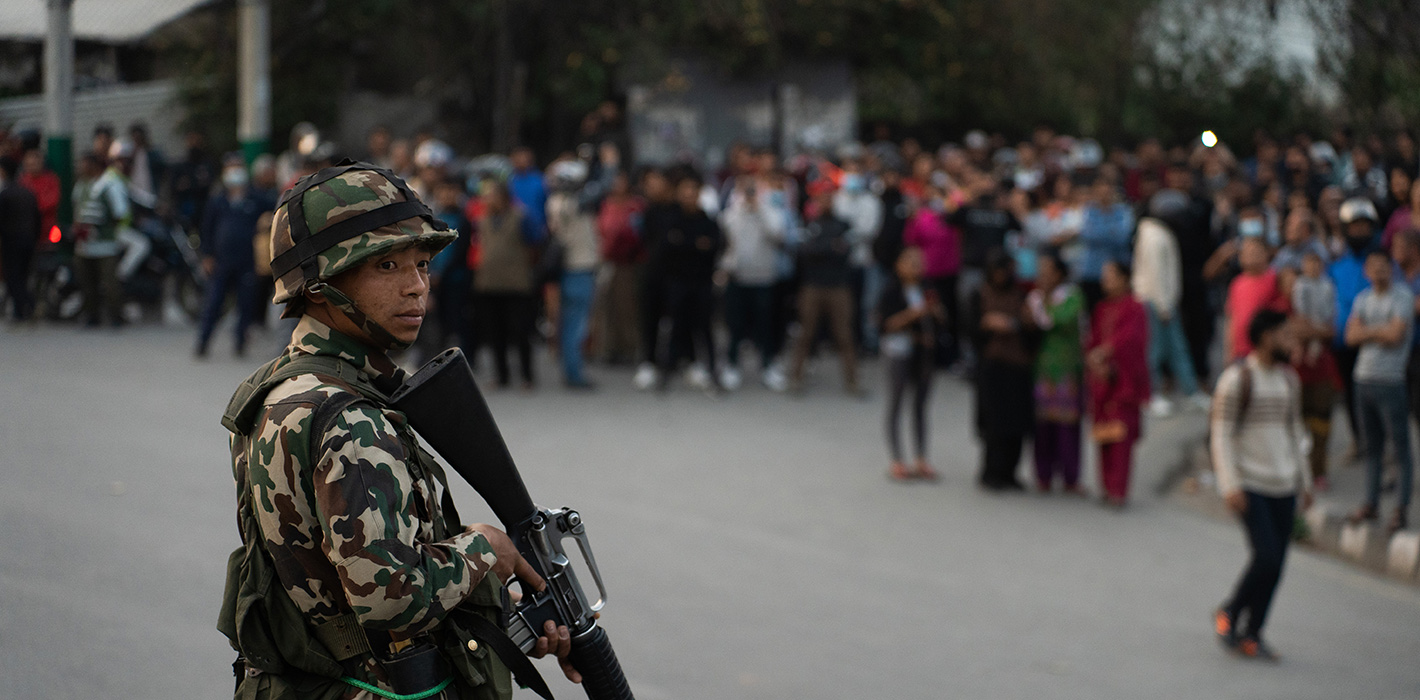
Military rule is now a defining political factor in South Asia. Here’s how analysts can understand and account for it.

Paul Staniland