

Q&A
Aaron David Miller, Karim Sadjadpour, Robin Wright
{
  "authors": [
    "Karim Sadjadpour"
  ],
  "type": "legacyinthemedia",
  "centerAffiliationAll": "dc",
  "centers": [
    "Carnegie Endowment for International Peace"
  ],
  "collections": [],
  "englishNewsletterAll": "menaTransitions",
  "nonEnglishNewsletterAll": "",
  "primaryCenter": "Carnegie Endowment for International Peace",
  "programAffiliation": "MEP",
  "programs": [
    "Middle East"
  ],
  "projects": [],
  "regions": [
    "Middle East",
    "Iran"
  ],
  "topics": [
    "Political Reform",
    "Nuclear Policy"
  ]
}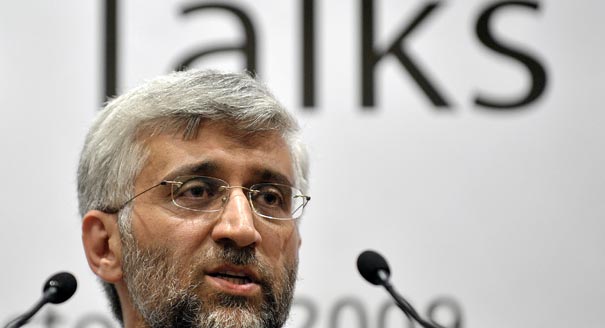
Source: Getty
Negotiations are unlikely to resolve the problems surrounding Iran’s nuclear program at this time, but they can help deescalate tensions and maintain stability between all concerned parties.
Source: MSNBC's Andrea Mitchell Reports
Speaking on MSNBC's Andrea Mitchell Reports, Carnegie’s Karim Sadjadpour explained that any resolution to the problem posed by the Iranian nuclear program will ultimately be due to the decisions of Supreme Leader Ayatollah Khamenei. He steers the nuclear ship and no deal can be made without him. Unfortunately, noted Sadjadpour, “Khamenei views hostility to the United States and Israel as a central pillar of his revolutionary ideology.” As a result, it seems as though no deal can be made with Ayatollah Khamenei, yet no deal can be made with him.
Furthermore, Israeli national security interests and American domestic politics have only furthered exacerbated the problematic nature of efforts to reach a deal. Ultimately, Sadjadpour stated that “this conflict cannot be resolved at this time, but needs to be managed.” Negotiations like those at the recent Istanbul meeting can help to deescalate tensions and establish stability between all concerned parties.

Senior Fellow, Middle East Program
Karim Sadjadpour is a senior fellow at the Carnegie Endowment for International Peace, where he focuses on Iran and U.S. foreign policy toward the Middle East.
Recent Work


Aaron David Miller, Karim Sadjadpour, Robin Wright
Aaron David Miller, David Petraeus, Karim Sadjadpour
Carnegie does not take institutional positions on public policy issues; the views represented herein are those of the author(s) and do not necessarily reflect the views of Carnegie, its staff, or its trustees.
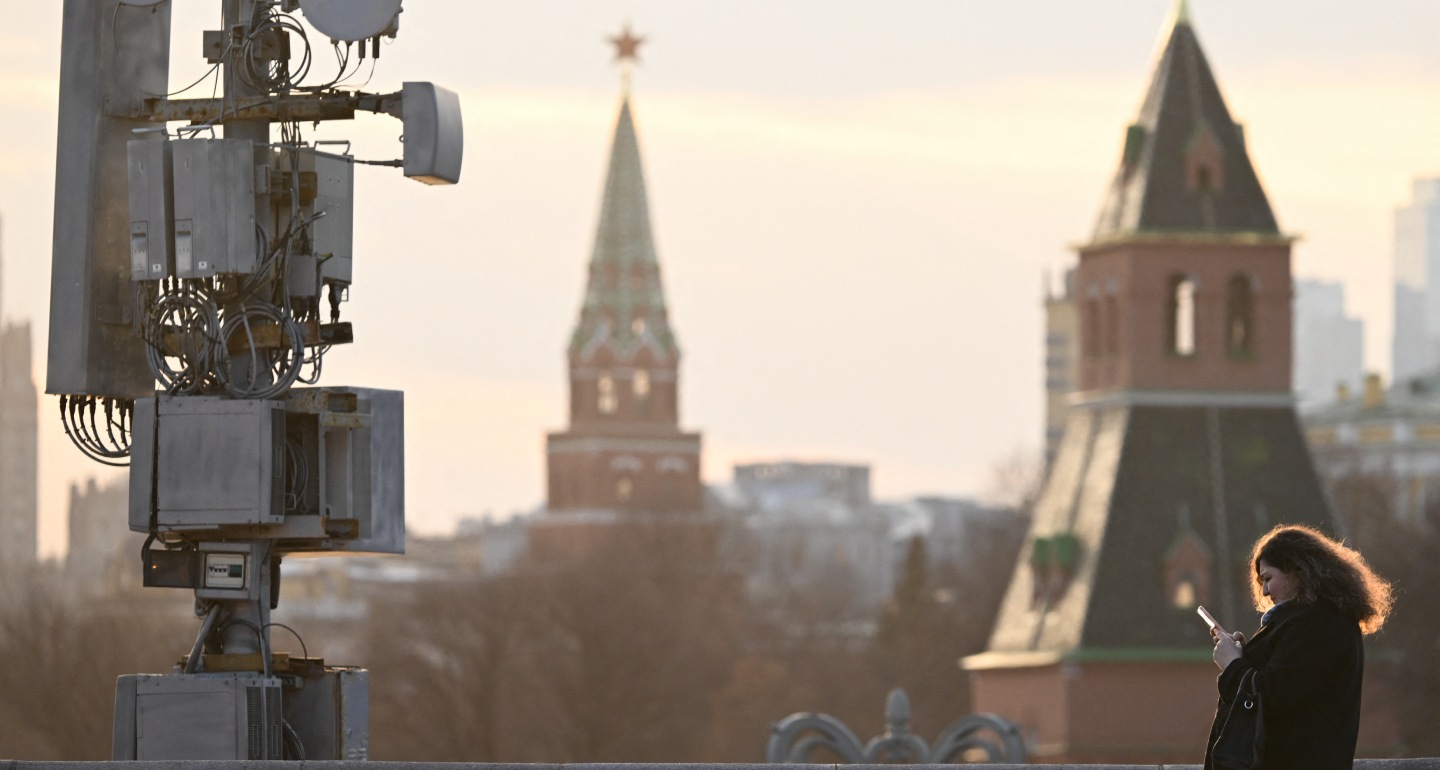
The Russian state has opted for complete ideological control of the internet and is prepared to bear the associated costs.

Maria Kolomychenko
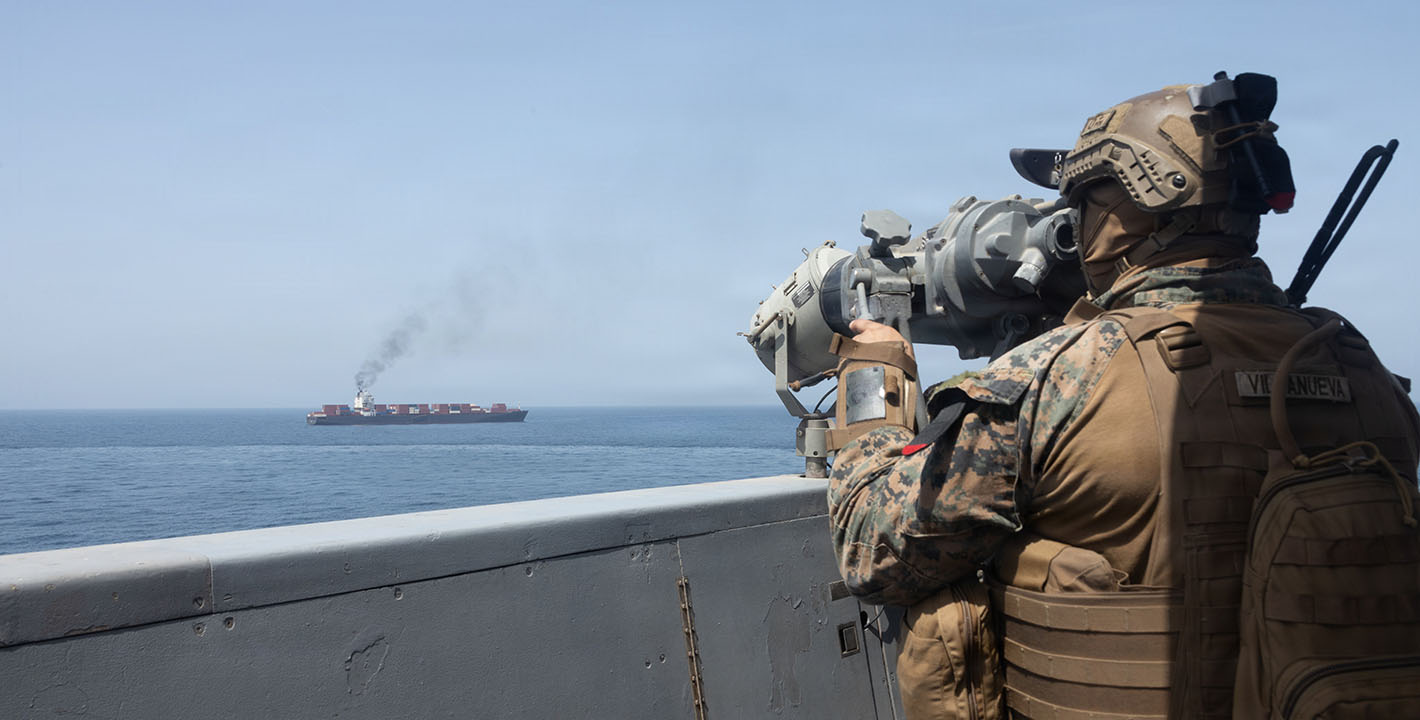
In an interview, Jim Lamson discusses the ongoing regional conflict and sees an unclear picture when it comes to winners and losers.

Michael Young
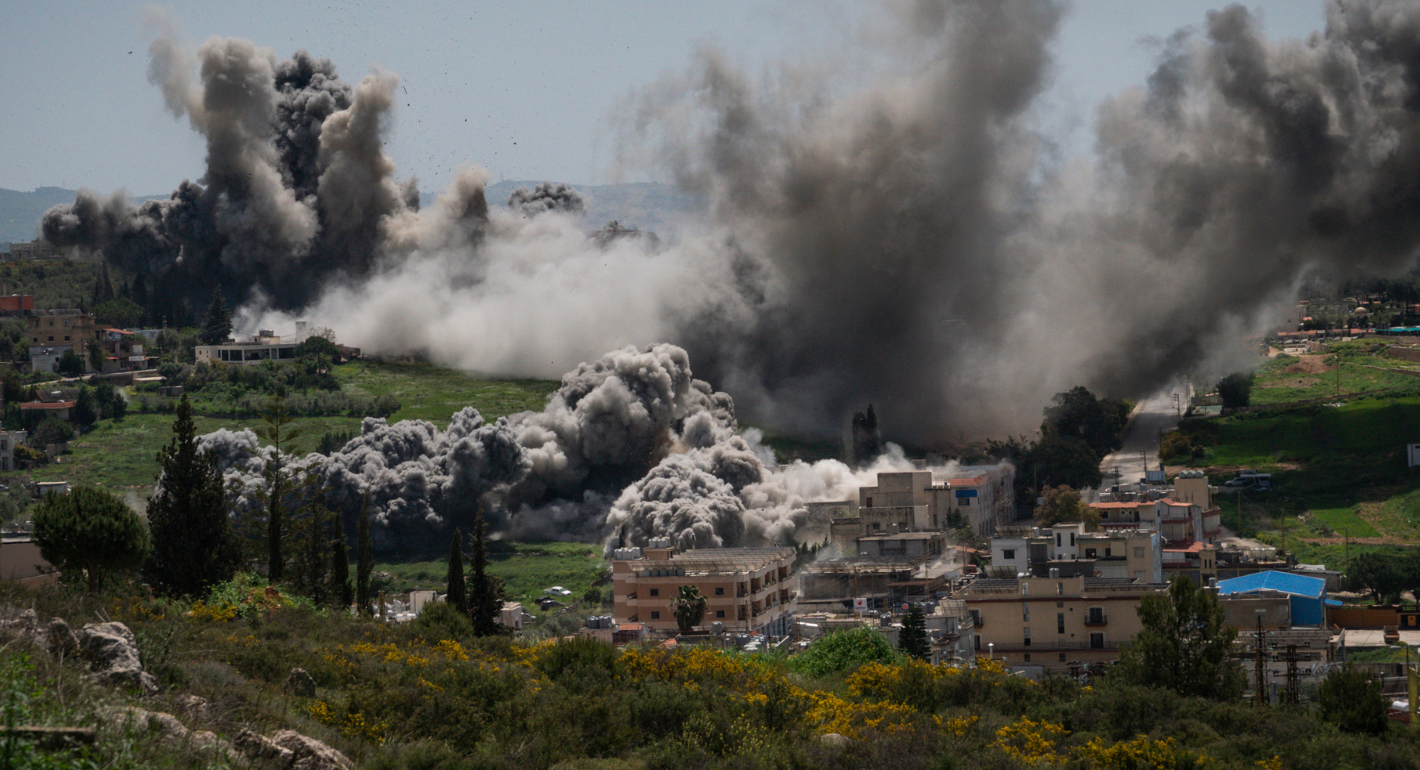
Europe has been standing by while its Southern neighborhood is being redrawn by force. To establish a path to peace between Israel and Lebanon, it’s time for Europeans to get involved with hard power.

Rym Momtaz

After four years of war, there is no one who can stand up to the security establishment, and President Vladimir Putin is increasingly passive.

Tatiana Stanovaya
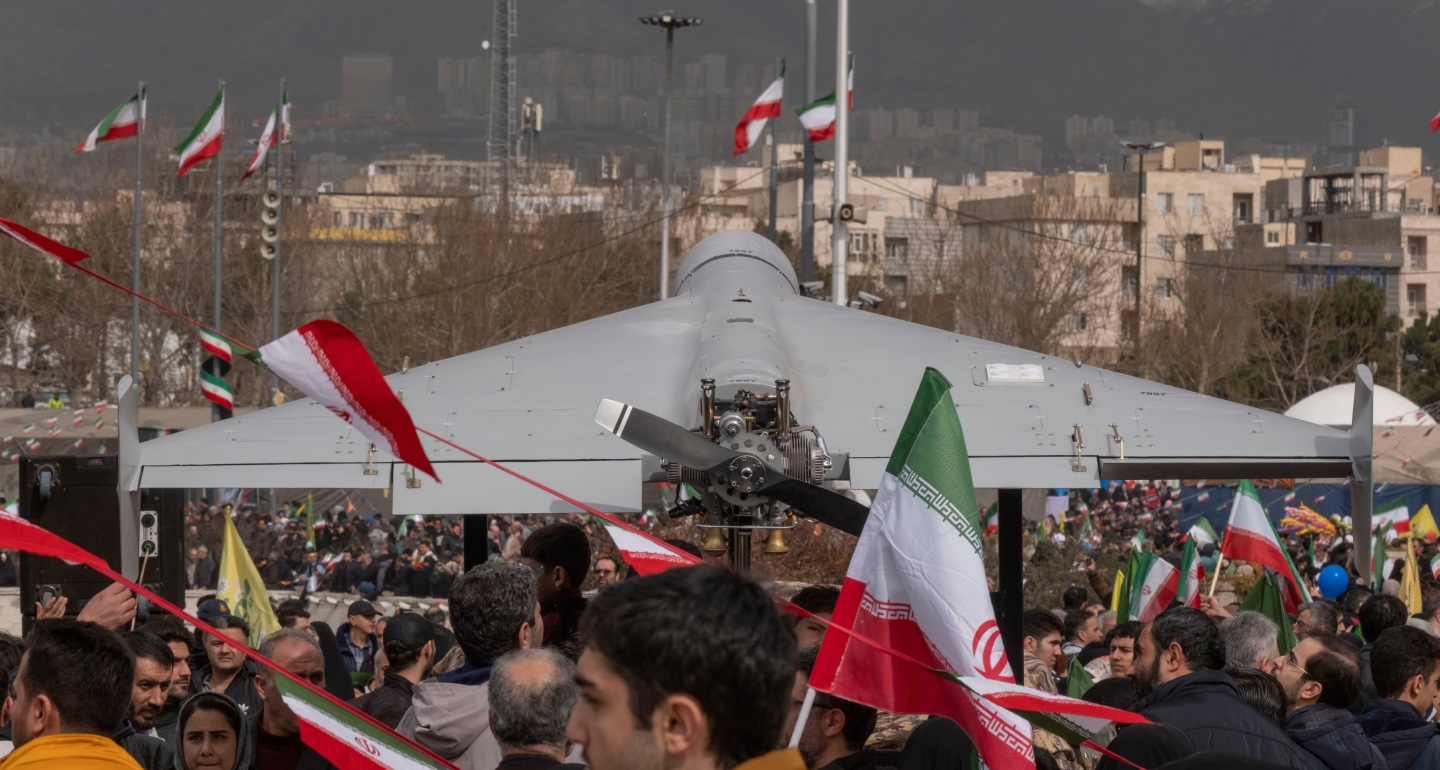
The Russian leadership wants to avoid a dangerous precedent in which it is squeezed out of Iran by the United States and Israel—and left powerless to respond in any meaningful way.

Nikita Smagin