• Research
  • Emissary
  • About
  • Experts
Carnegie Global logoCarnegie lettermark logo
DemocracyIran
  • Donate
{
  "authors": [
    "Marina Ottaway"
  ],
  "type": "legacyinthemedia",
  "centerAffiliationAll": "dc",
  "centers": [
    "Carnegie Endowment for International Peace"
  ],
  "collections": [
    "Arab Awakening"
  ],
  "englishNewsletterAll": "menaTransitions",
  "nonEnglishNewsletterAll": "",
  "primaryCenter": "Carnegie Endowment for International Peace",
  "programAffiliation": "MEP",
  "programs": [
    "Middle East"
  ],
  "projects": [],
  "regions": [
    "Middle East",
    "Syria"
  ],
  "topics": [
    "Political Reform"
  ]
}
Source: Getty

In The Media

Syria Crisis: NATO Approves Patriot Missile Deployment

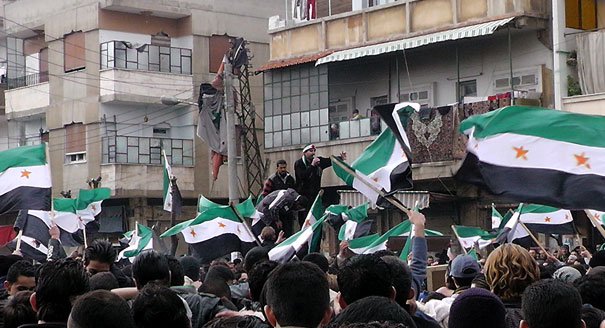
The recent NATO decision to deploy missiles along the Turkish-Syrian border has been framed in terms of a defense strategy for Turkey, but the same missiles could conceivably provide cover for refugees fleeing the violence.

Link Copied
By Marina Ottaway
Published on Dec 4, 2012
Program mobile hero image

Program

Middle East

The Middle East Program in Washington combines in-depth regional knowledge with incisive comparative analysis to provide deeply informed recommendations. With expertise in the Gulf, North Africa, Iran, and Israel/Palestine, we examine crosscutting themes of political, economic, and social change in both English and Arabic.

Learn More

Source: BBC World News

The recent NATO decision to deploy missiles along the Turkish-Syrian border has been framed in terms of a defense strategy for Turkey. However, speaking with the BBC World News, Carnegie's Marina Ottaway noted that “as the situation worsens in Syria, these missiles could provide cover for refugees fleeing the violence.” While the Assad regime becomes increasingly threatened by the insurrection, it is difficult to judge what Assad will do. Many, including the Obama administration, are preparing for the possibility that the regime may use chemical weapons in some capacity. Despite the tenuous situation that the regime is in, the fractured nature of the opposition leaves the potential of a post-Assad era fraught with complications, Ottaway warned. “It is likely that we see a Libya-like situation with certain militias controlling certain areas, creating a situation where it is difficult to put together a cohesive political force,” concluded Ottaway.

About the Author

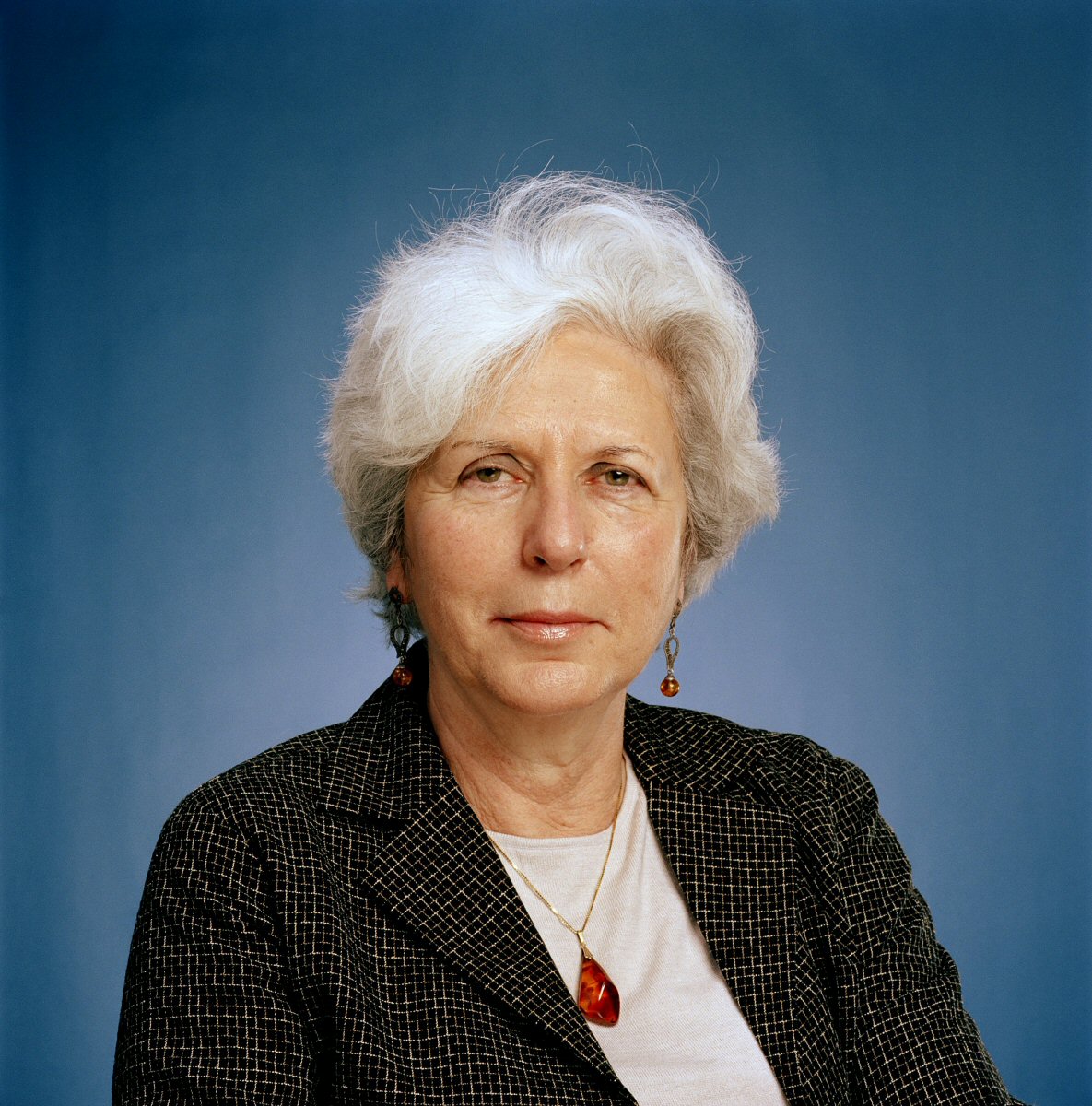
Marina Ottaway

Former Senior Associate, Middle East Program

Before joining the Endowment, Ottaway carried out research in Africa and in the Middle East for many years and taught at the University of Addis Ababa, the University of Zambia, the American University in Cairo, and the University of the Witwatersrand in South Africa.

    Recent Work

  • Article
    Reactions to the Syrian National Initiative

      Marina Ottaway, Omar Hossino

  • Article
    Slow Return to Normal Politics in Egypt

      Marina Ottaway

Marina Ottaway
Former Senior Associate, Middle East Program
Marina Ottaway
Political ReformMiddle EastSyria

Carnegie does not take institutional positions on public policy issues; the views represented herein are those of the author(s) and do not necessarily reflect the views of Carnegie, its staff, or its trustees.
More Work from Carnegie Endowment for International Peace

  • Commentary
    Carnegie Politika
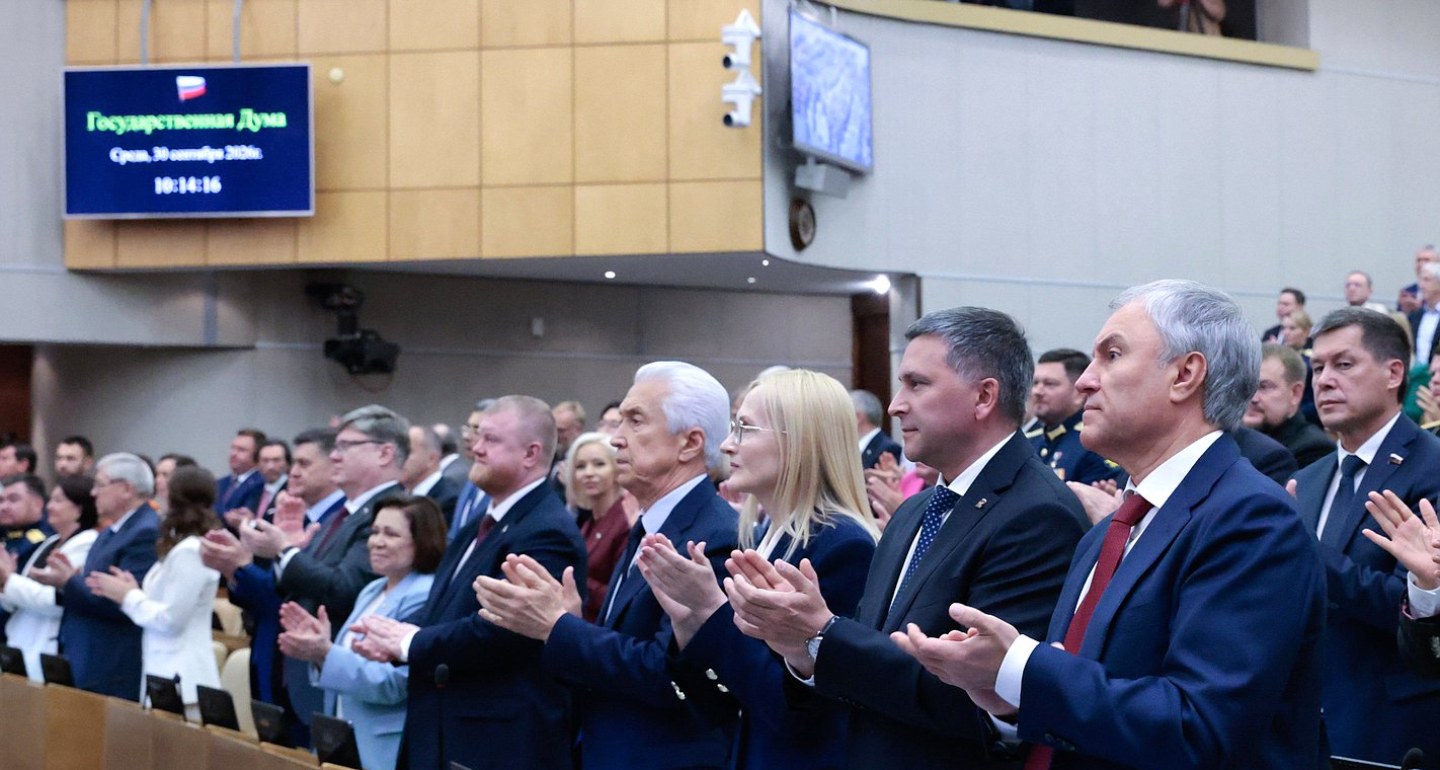
    How the Latest Election Changed the Role of Russia’s Parliament

    Putin’s conservative staffing policies and search for ever greater control have cemented parliament’s transformation into a bureaucratic appendage of the executive branch.
      Andrey Pertsev
  • Commentary
    Diwan
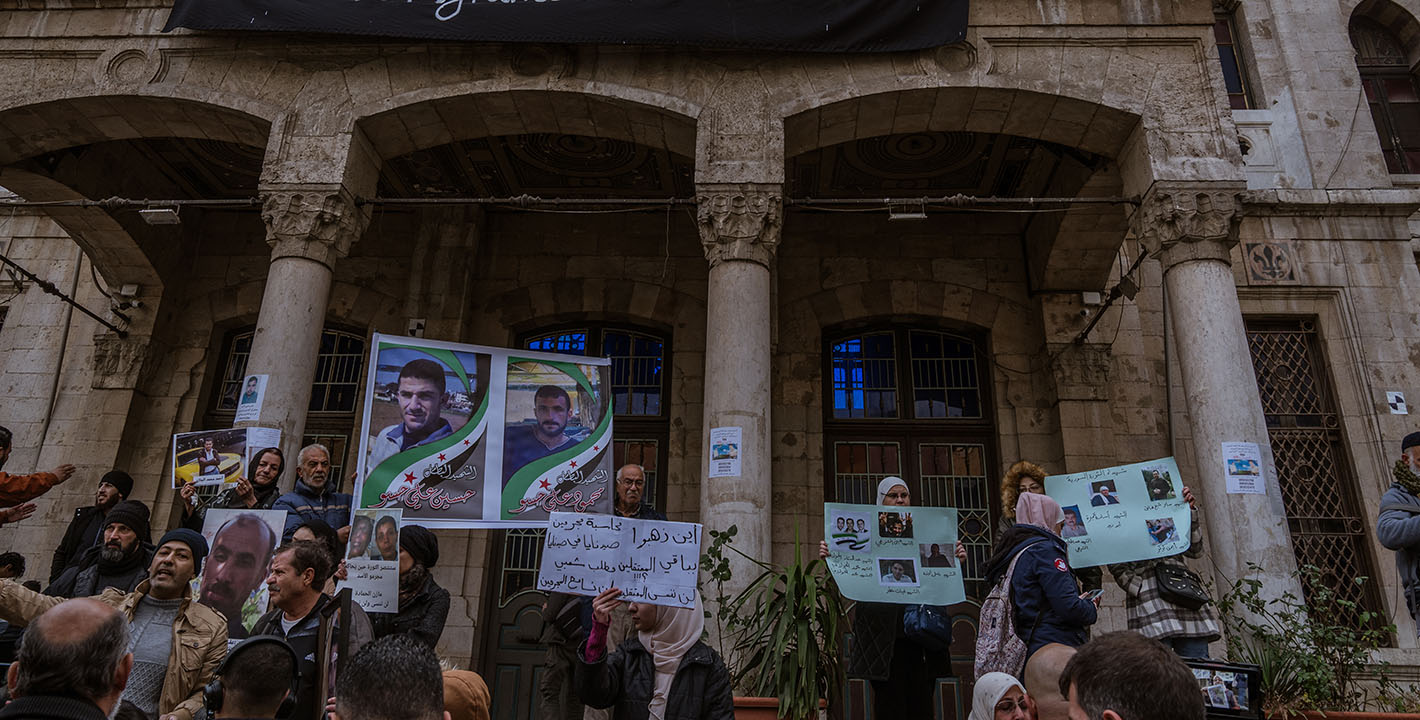
    Filling the Void as Syria’s Transitional Justice Stalls

    Reconciliation councils are emerging throughout the country to mediate in intracommunal disputes, many from the war years.

      Natacha Danon
  • Article
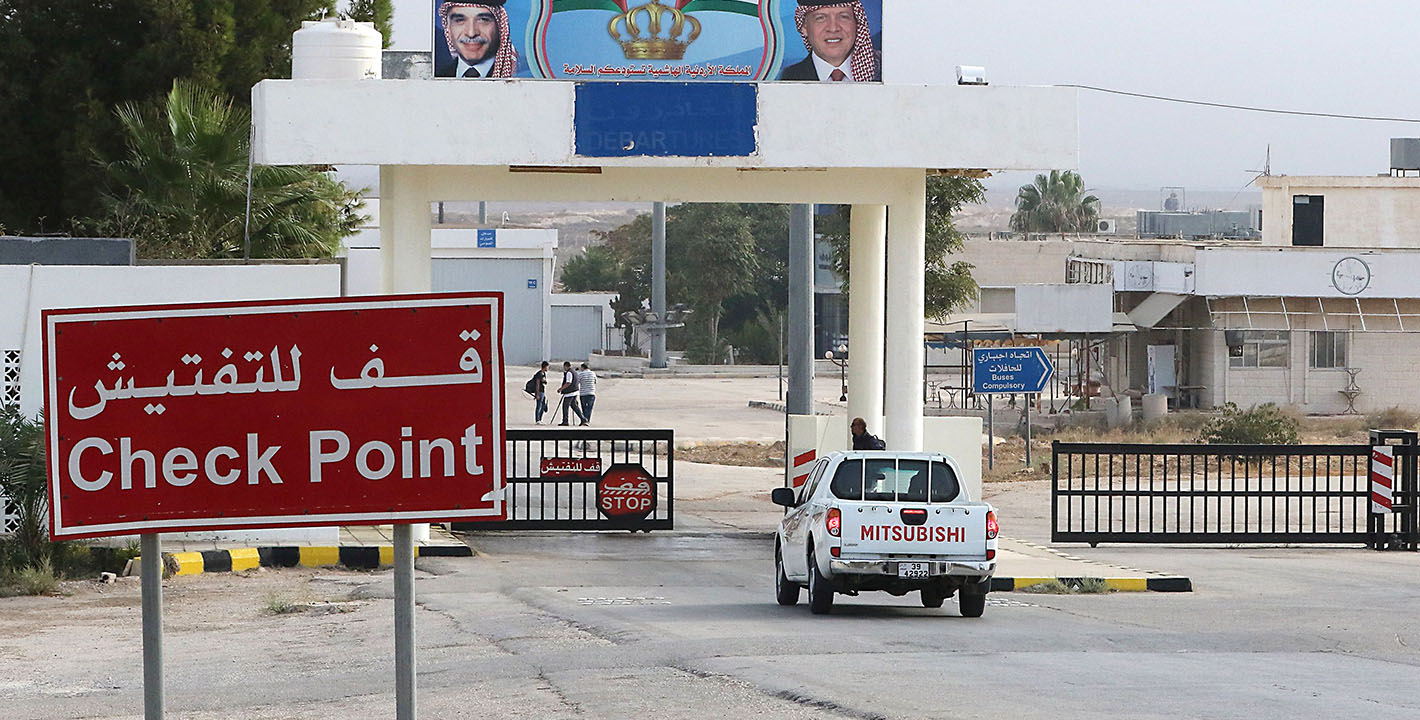
    Jordan’s Border Economy: Even Amid Transformation, the Drug Trade Endures

    The civil war in Syria may have ended, but the country continues to serve as a source for the trafficking of illegal substances into and via Jordanian territory.
      Armenak Tokmajyan, Laith Qerbaa
  • Commentary
    Carnegie Politika
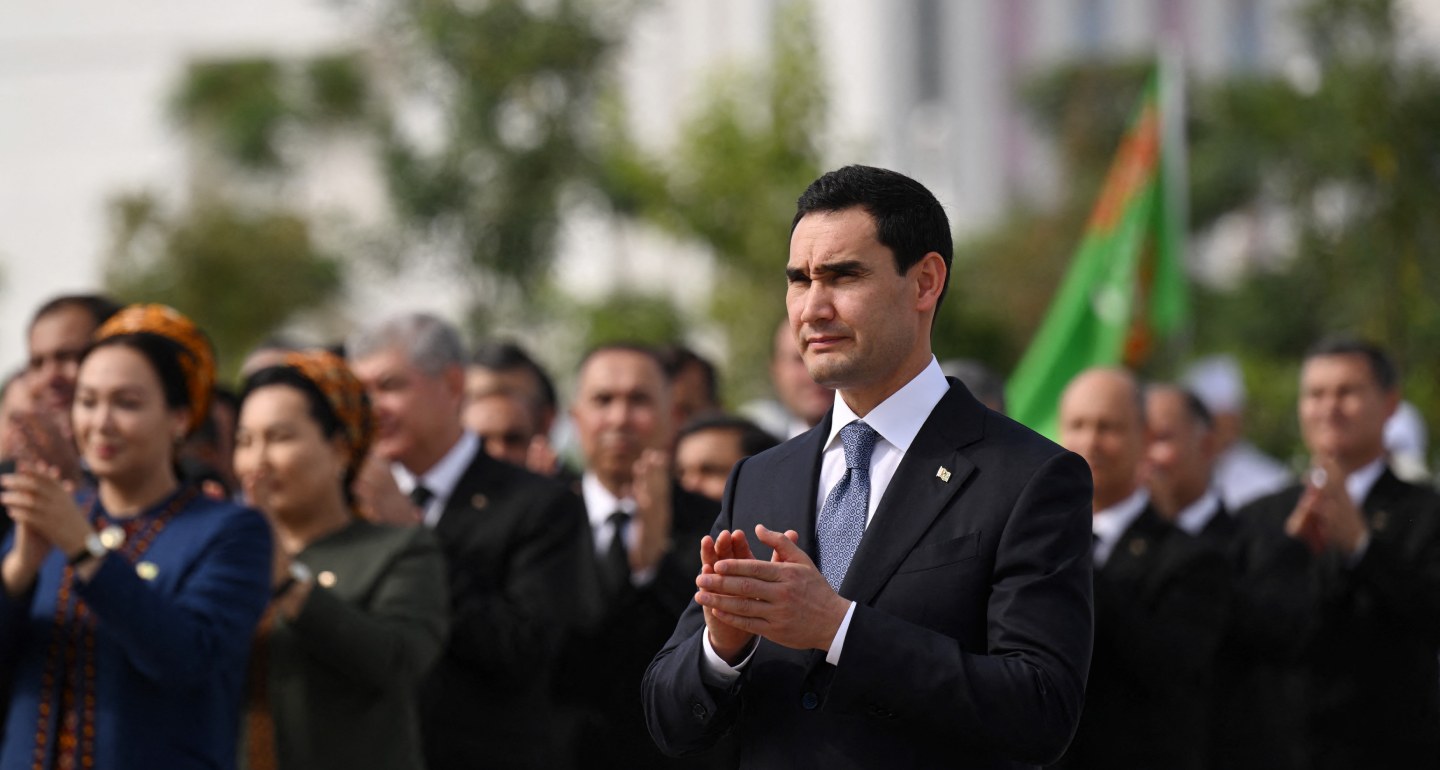
    Turkmenistan’s Ruling Duo Is Having a Family Feud. Will Their Regime Survive It?

    Ex-president Gurbanguly Berdimuhamedov remains interested in politics, but his son Serdar, Turkmenistan’s current president, is becoming increasingly independent and willing to break with his father’s legacy. If their covert rivalry goes too far, both risk losing power.
      Galiya Ibragimova
  • European Union EU democracy Parliament citizens assembly
    Article
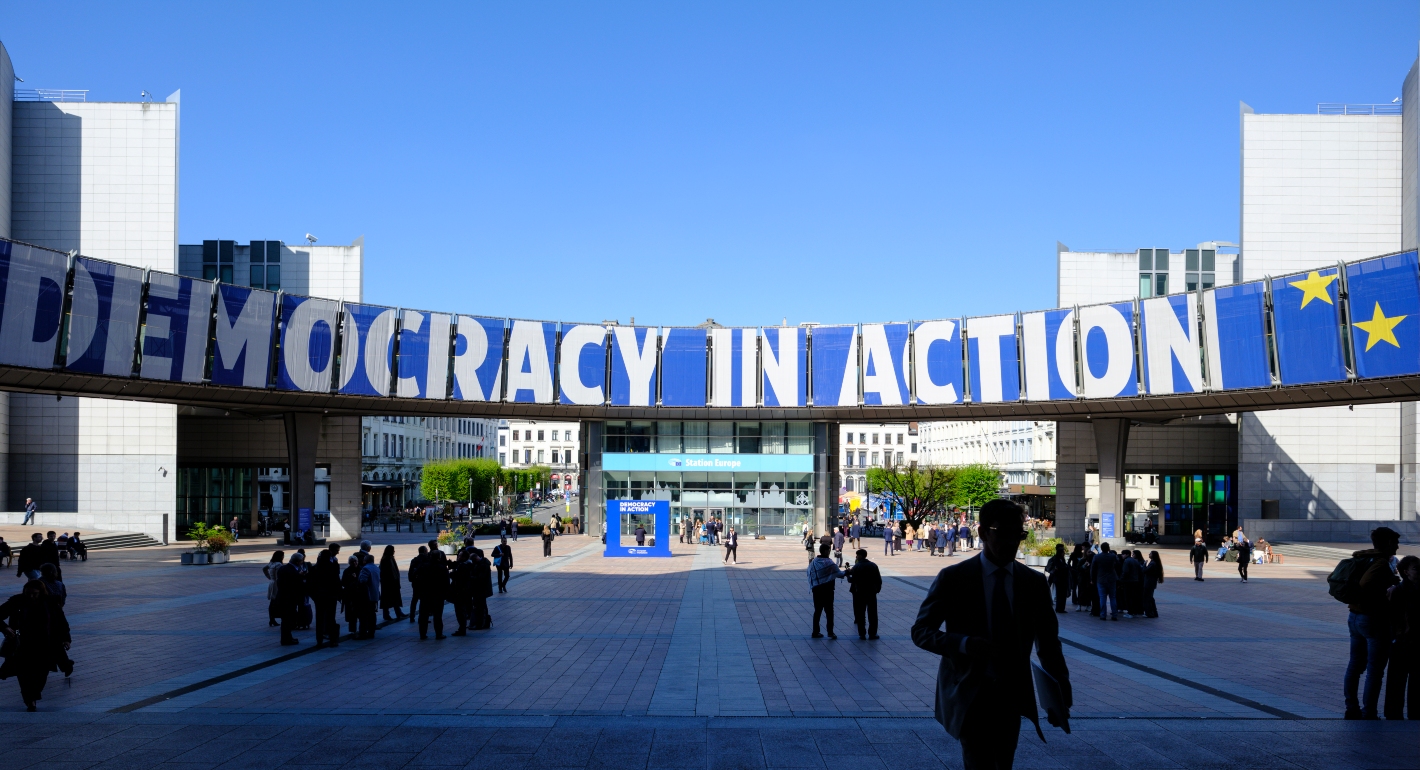
    Europe’s Tide of Citizen Assemblies: Unsung Success or Anticlimax?

    A notable degree of participative democracy has firmly arrived in Europe. But to have more far-reaching impact, democratic deliberation needs to move into a radically new phase.

      Richard Youngs

Get more news and analysis from
Carnegie Endowment for International Peace
Carnegie global logo, stacked
1779 Massachusetts Avenue NWWashington, DC, 20036-2103Phone: 202 483 7600
  • Research
  • Emissary
  • About
  • Experts
  • Donate
  • Programs
  • Events
  • Blogs
  • Podcasts
  • Contact
  • Annual Reports
  • Careers
  • Privacy
  • For Media
  • Government Resources
Get more news and analysis from
Carnegie Endowment for International Peace
© 2026 Carnegie Endowment for International Peace. All rights reserved.