

Article
Global and rising powers will need to engage with Africa’s priorities and agency in order to secure the continent’s increasingly attractive partnerships.
Fonteh Akum
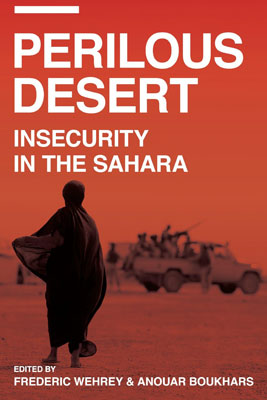
The Sahara suffers from a perfect storm of weaknesses. Foreign assistance that relies exclusively on counterterrorism will only exacerbate the problems.
Source: Carnegie Endowment for International Peace
The geopolitical significance of the Sahara is becoming painfully clear. Islamist militant groups and transnational criminal networks are operating in the region's most fragile states, exploiting widespread corruption, weak government capacity, crushing poverty, and entrenched social and ethnic tensions. The unrest spills over borders and aggravates protracted regional crises.
This insecurity raises urgent concerns for the broader Sahara and the West. Perilous Desert details the sources of instability and what can be done to minimize the threat of simmering conflicts.
Leading experts, through comprehensive accounts of the changing landscape, demonstrate how foreign assistance that relies exclusively on counterterrorism will only exacerbate the problems. Solutions require understanding and combatting the roots of the Sahara's many challenges.

Senior Fellow, Middle East Program
Frederic Wehrey is a senior fellow in the Middle East Program at the Carnegie Endowment for International Peace, where his research focuses on governance, conflict, and security in Libya, North Africa, and the Persian Gulf.
Former Nonresident Fellow, Middle East Program
Boukhars was a nonresident fellow in Carnegie’s Middle East Program. He is a professor of countering violent extremism and counter-terrorism at the Africa Center for Strategic Studies, National Defense University.
Carnegie does not take institutional positions on public policy issues; the views represented herein are those of the author(s) and do not necessarily reflect the views of Carnegie, its staff, or its trustees.
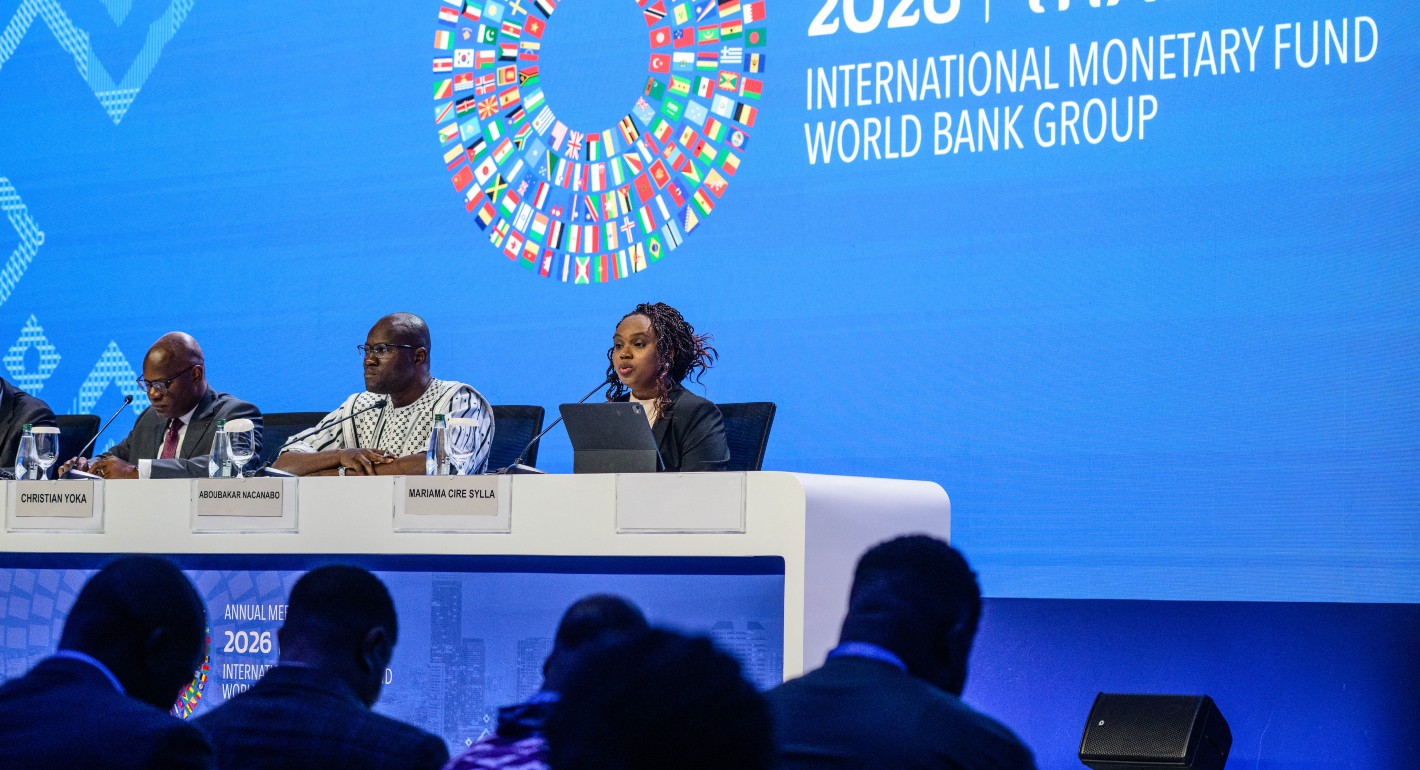
Global and rising powers will need to engage with Africa’s priorities and agency in order to secure the continent’s increasingly attractive partnerships.

Fonteh Akum

Japan’s long-term security policy is driven by concerns about China, and there is little appetite for (or interest in) pursuing a confrontation with Moscow.

James D.J. Brown

Russia is testing the waters of NATO’s mutual defense clause. What do strikes in Romanian territorial waters mean for the alliance’s posture toward Moscow?

Dimitar Bechev
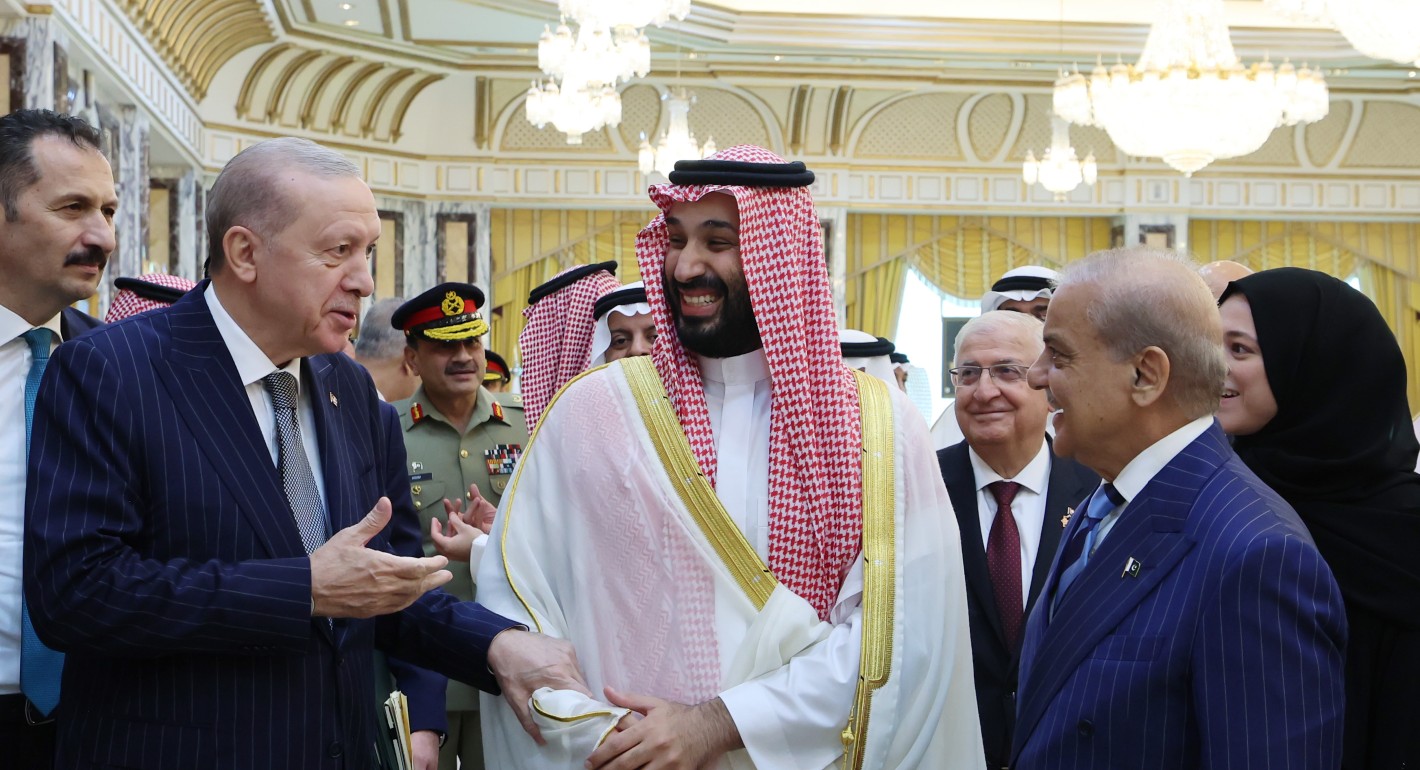
Why Pakistan, Saudi Arabia, and Turkey are joining forces on regional security.


Alper Coşkun, Amr Hamzawy

The truth of the strategic situation is that Europe and Russia are extremely unlikely to be able to “turn the page” on their confrontation within the next two decades.

Arkady Moshes