

Research
- +11
Frances Z. Brown, Nate Reynolds, Priyal Singh, …
{
  "authors": [
    "Frederic Wehrey"
  ],
  "type": "legacyinthemedia",
  "centerAffiliationAll": "dc",
  "centers": [
    "Carnegie Endowment for International Peace"
  ],
  "collections": [
    "Arab Awakening"
  ],
  "englishNewsletterAll": "menaTransitions",
  "nonEnglishNewsletterAll": "",
  "primaryCenter": "Carnegie Endowment for International Peace",
  "programAffiliation": "MEP",
  "programs": [
    "Middle East"
  ],
  "projects": [],
  "regions": [
    "Middle East",
    "North Africa",
    "Libya",
    "Saudi Arabia"
  ],
  "topics": [
    "Political Reform",
    "Security",
    "Military",
    "Civil Society"
  ]
}
Source: Getty
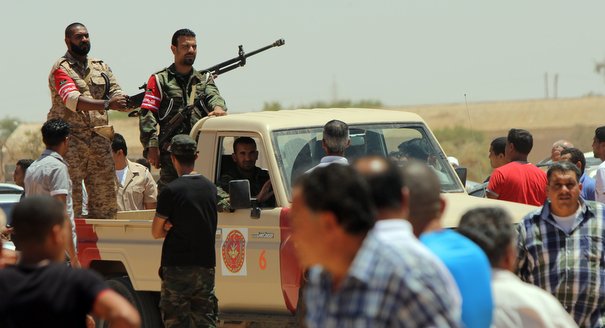
Post-Qaddafi Libya faces a number of significant challenges as it struggles to rein in militias and build political, economic, and security institutions.
Source: VOA Press Conference
Voice of America's Carol Castiel sat down with Carnegie's Frederic Wehrey to discuss the political challenges facing Libya and Saudi Arabia respectively. Wehrey highlighted the obstacles Libya faces in reining in militias and building political, economic, and security institutions in the post-Qaddafi era. He also described the persistent challenges of sectarianism in the Gulf as well as the Saudi regime's attempts to play fractious opposition groups off of one another.
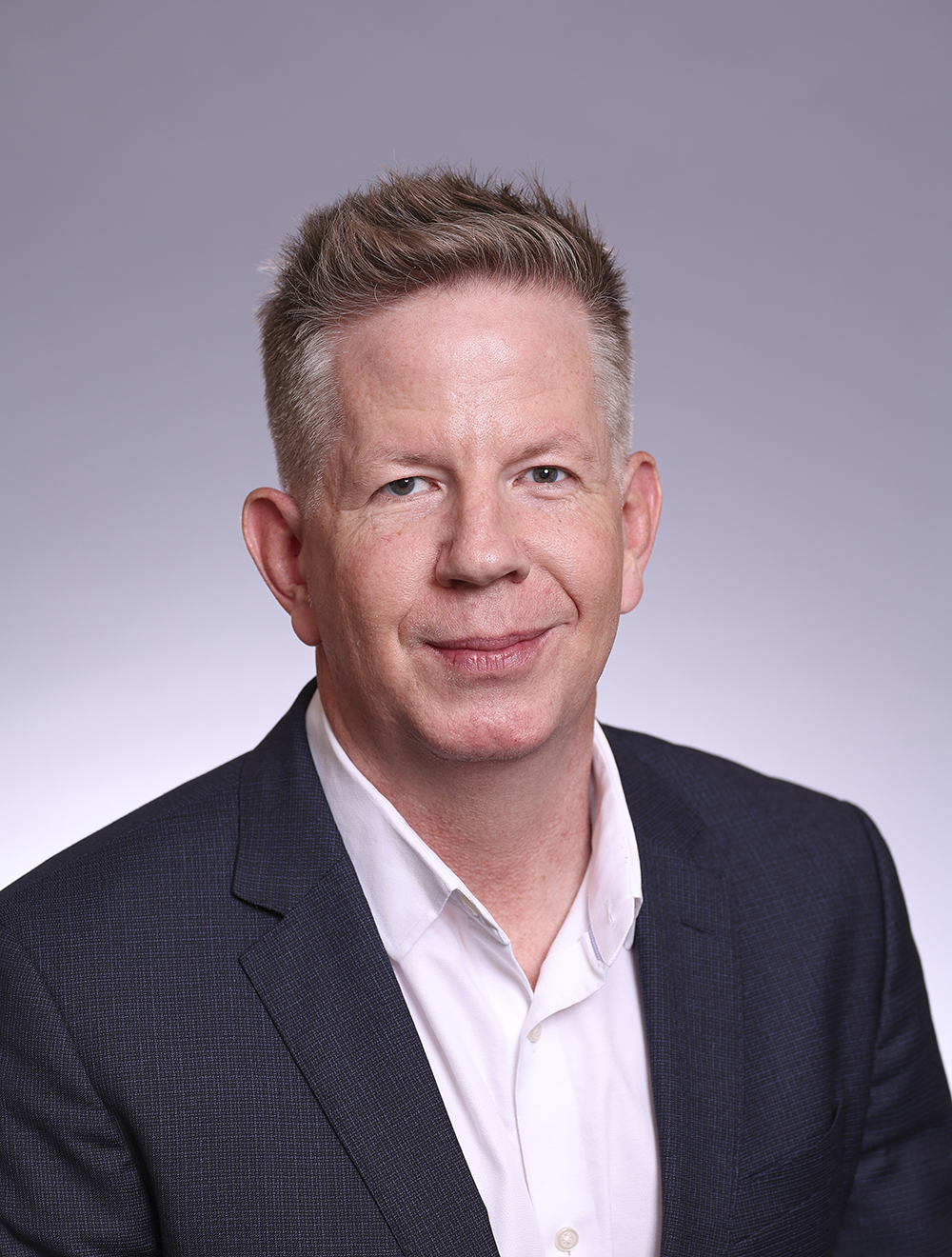
Senior Fellow, Middle East Program
Frederic Wehrey is a senior fellow in the Middle East Program at the Carnegie Endowment for International Peace, where his research focuses on governance, conflict, and security in Libya, North Africa, and the Persian Gulf.
Recent Work

Frances Z. Brown, Nate Reynolds, Priyal Singh, …
Charles H. Johnson, Frederic Wehrey
Carnegie does not take institutional positions on public policy issues; the views represented herein are those of the author(s) and do not necessarily reflect the views of Carnegie, its staff, or its trustees.
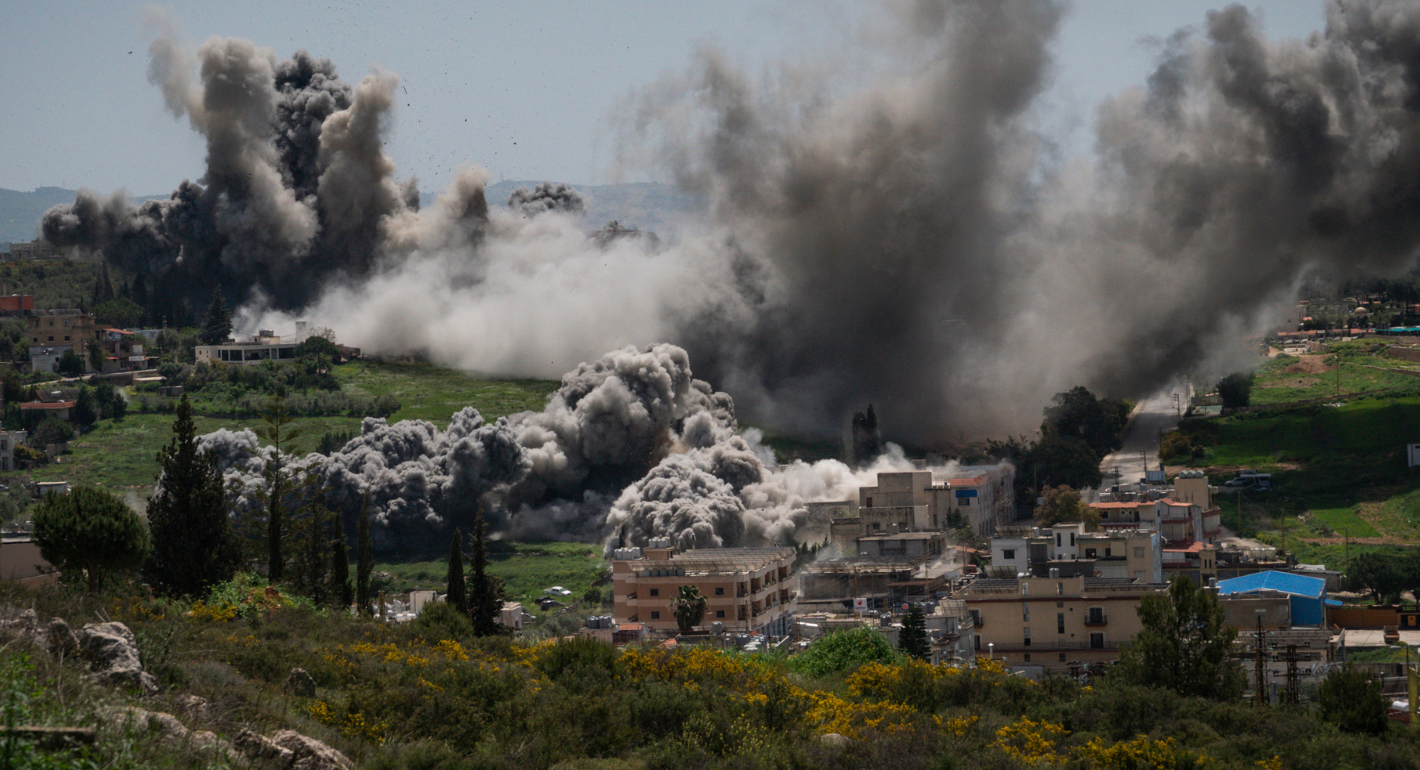
Europe has been standing by while its Southern neighborhood is being redrawn by force. To establish a path to peace between Israel and Lebanon, it’s time for Europeans to get involved with hard power.

Rym Momtaz
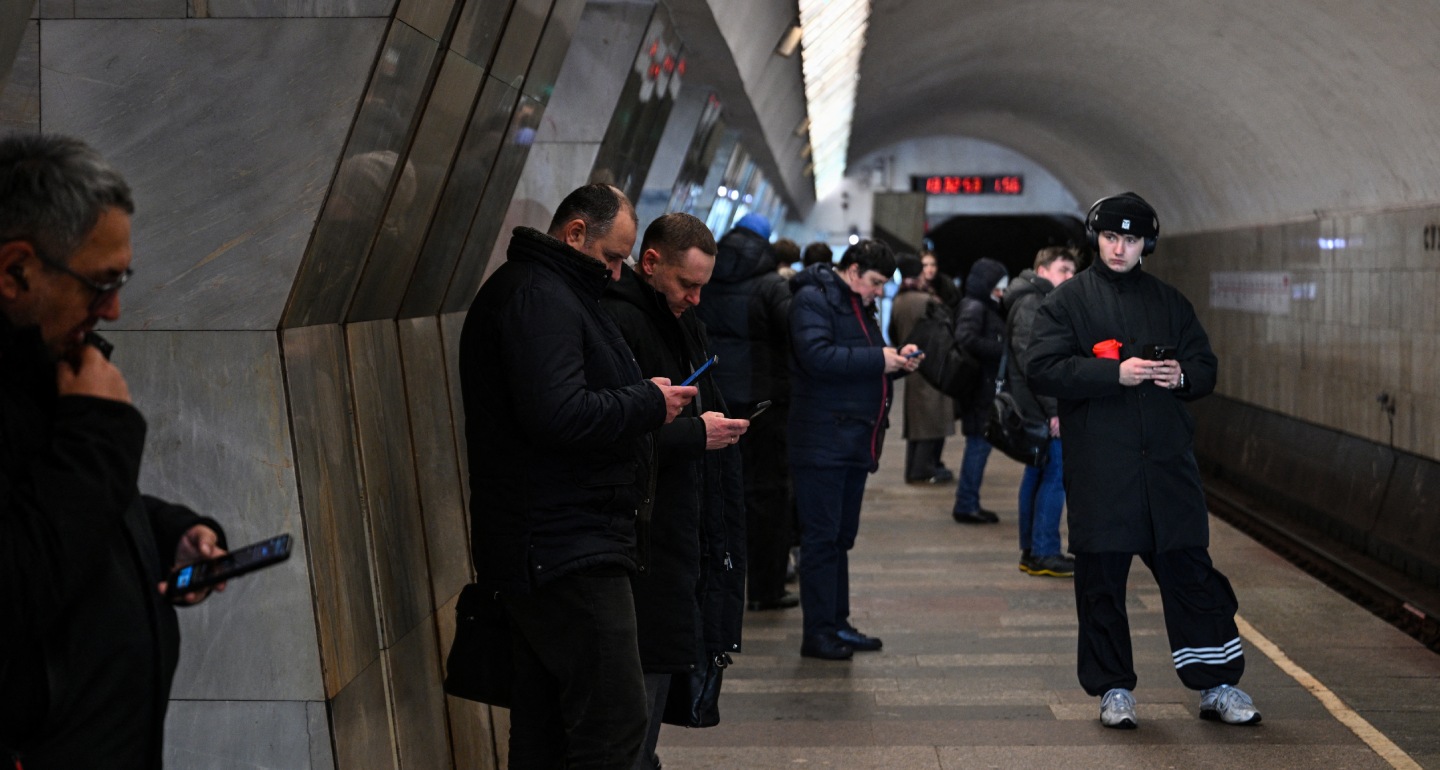
After four years of war, there is no one who can stand up to the security establishment, and President Vladimir Putin is increasingly passive.

Tatiana Stanovaya
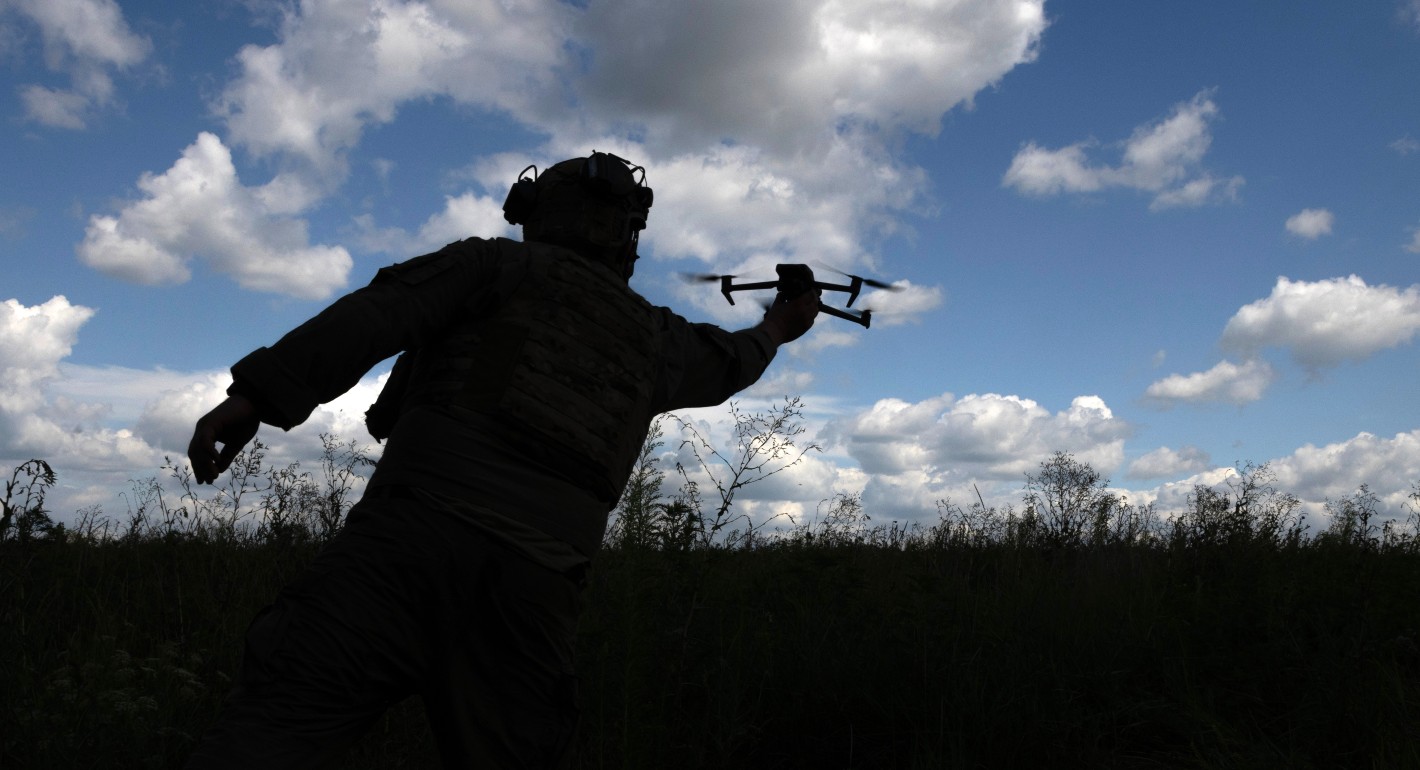
How Ukraine is driving doctrinal change in modern warfare.
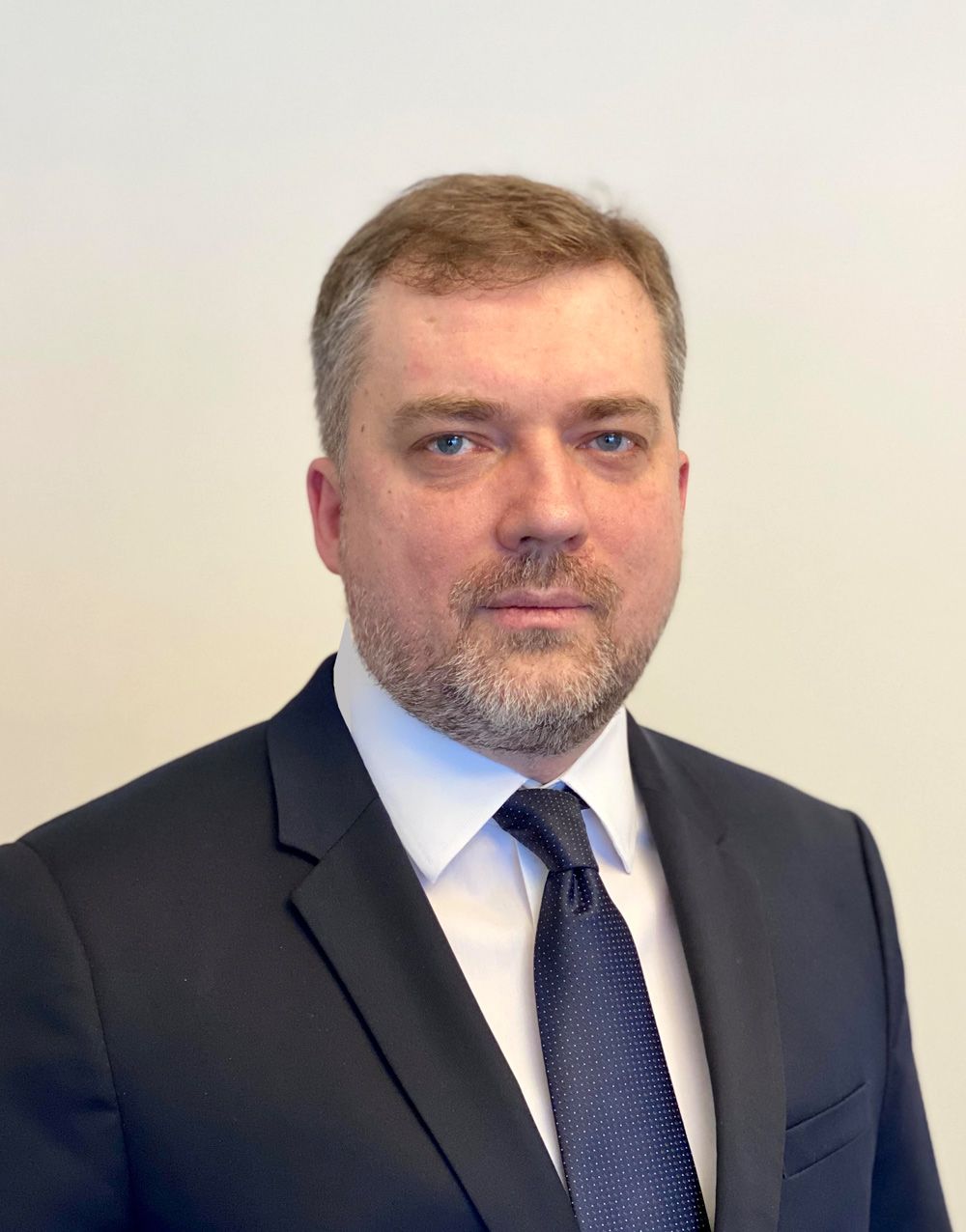
Andriy Zagorodnyuk
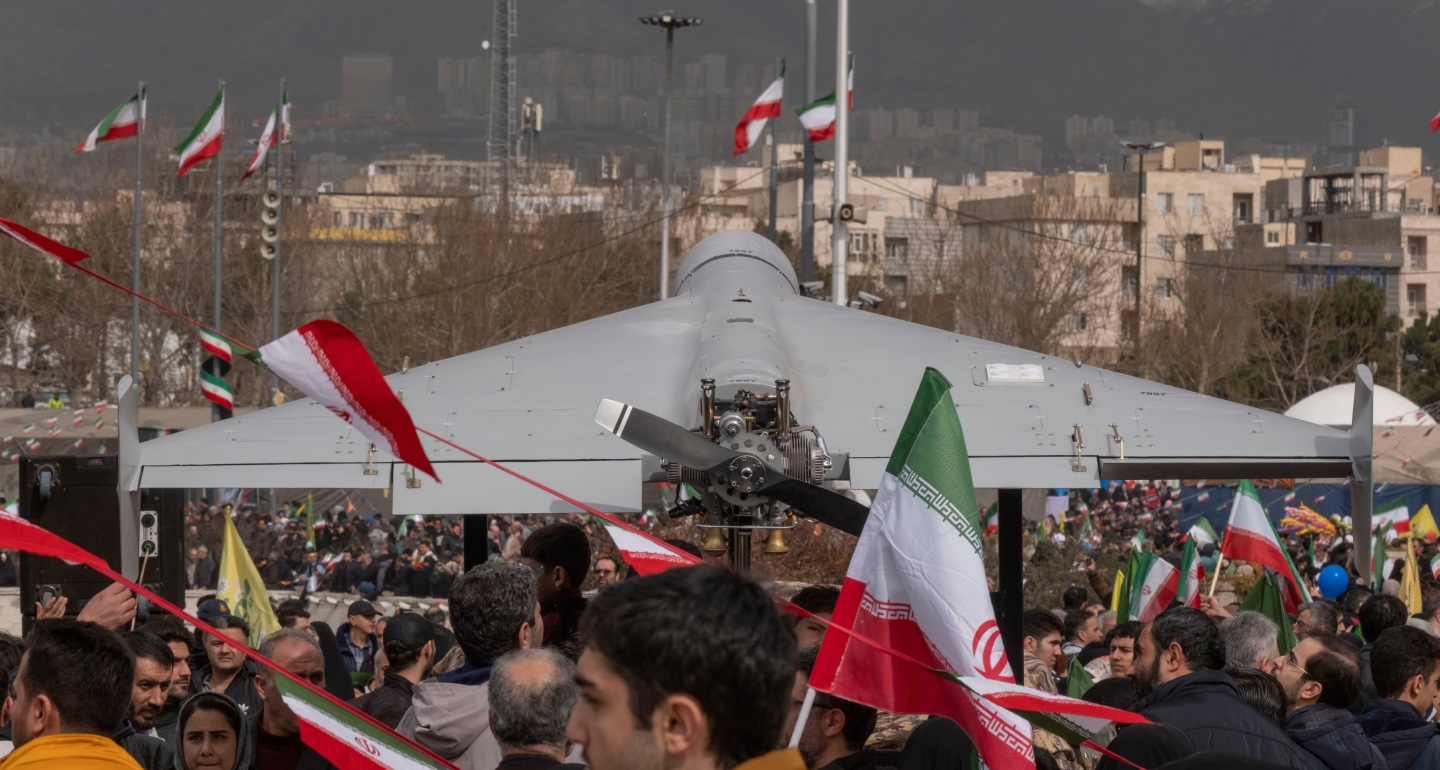
The Russian leadership wants to avoid a dangerous precedent in which it is squeezed out of Iran by the United States and Israel—and left powerless to respond in any meaningful way.

Nikita Smagin
One is hopeful. One is realistic. One is cautionary.

Andrew Leber, Sam Worby