

Article
Wang Tao
{
  "authors": [
    "Wang Tao"
  ],
  "type": "legacyinthemedia",
  "centerAffiliationAll": "",
  "centers": [
    "Carnegie Endowment for International Peace",
    "Carnegie China"
  ],
  "collections": [
    "China’s Foreign Relations"
  ],
  "englishNewsletterAll": "",
  "nonEnglishNewsletterAll": "",
  "primaryCenter": "Carnegie China",
  "programAffiliation": "",
  "programs": [],
  "projects": [],
  "regions": [
    "East Asia",
    "China"
  ],
  "topics": [
    "Climate Change"
  ]
}
Source: Getty
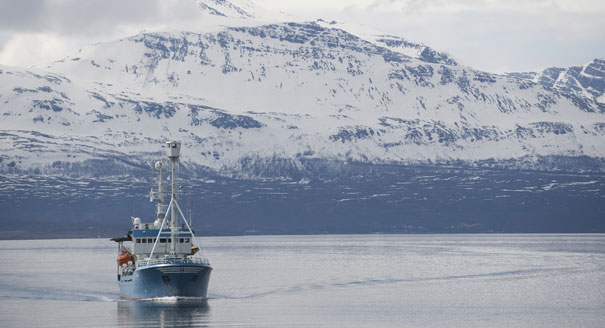
As a result of hastened climate change, shipping lanes in the Arctic region have opened and interest in its considerable natural resources has been piqued.
Source: CCTV
Speaking to CCTV, Carnegie-Tsinghua’s Wang Tao explained that China, which has observer status at the Arctic Council, can contribute a lot to the Arctic region. As a stakeholder in the Arctic area and a rising global power, “China is responsible for improving the global governance of the environment,” said Wang. Talking about climate change and the environment more broadly, Wang highlighted that China is coming under increasing pressure to sign on to binding emissions targets and that China should focus on improving both domestic and international environmental situations simultaneously, not domestic first.
There have been no geological surveys so far to gauge resources under the Arctic sea-bed, Wang continued, and the primary purpose of the Arctic Council is environmental preservation, not resource exploitation. Nevertheless, the five Asian countries joining the Arctic Council as observers highlights how these “energy hungry” countries are very interested in the potential natural resources stored in the Arctic, concluded Wang.
Former Nonresident Scholar, Carnegie-Tsinghua Center for Global Policy
Wang Tao was a nonresident scholar in the Energy and Climate Program based at the Carnegie–Tsinghua Center for Global Policy.
Recent Work
Wang Tao
Wang Tao, Yang Yifang
Carnegie does not take institutional positions on public policy issues; the views represented herein are those of the author(s) and do not necessarily reflect the views of Carnegie, its staff, or its trustees.
Although Ukrainian strikes have led to a noticeable decline in the physical volume of Russian oil exports, the rise in prices has more than made up for it.

Sergey Vakulenko
Five problems—and solutions—to make it actually work as a tool of great power competition.

Afreen Akhter
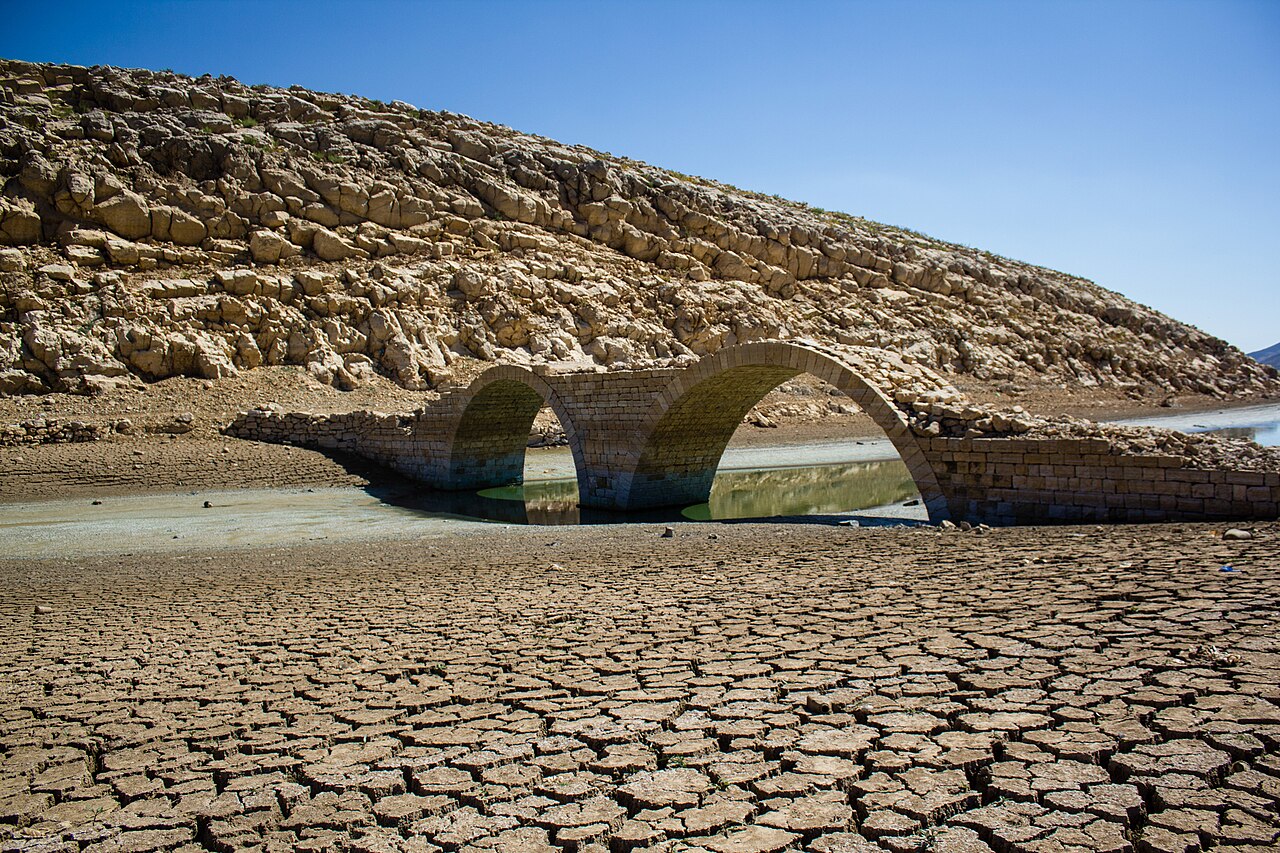
Lebanon’s largest water reservoir is a house of many mansions when it comes to converging failures.
Camille Ammoun
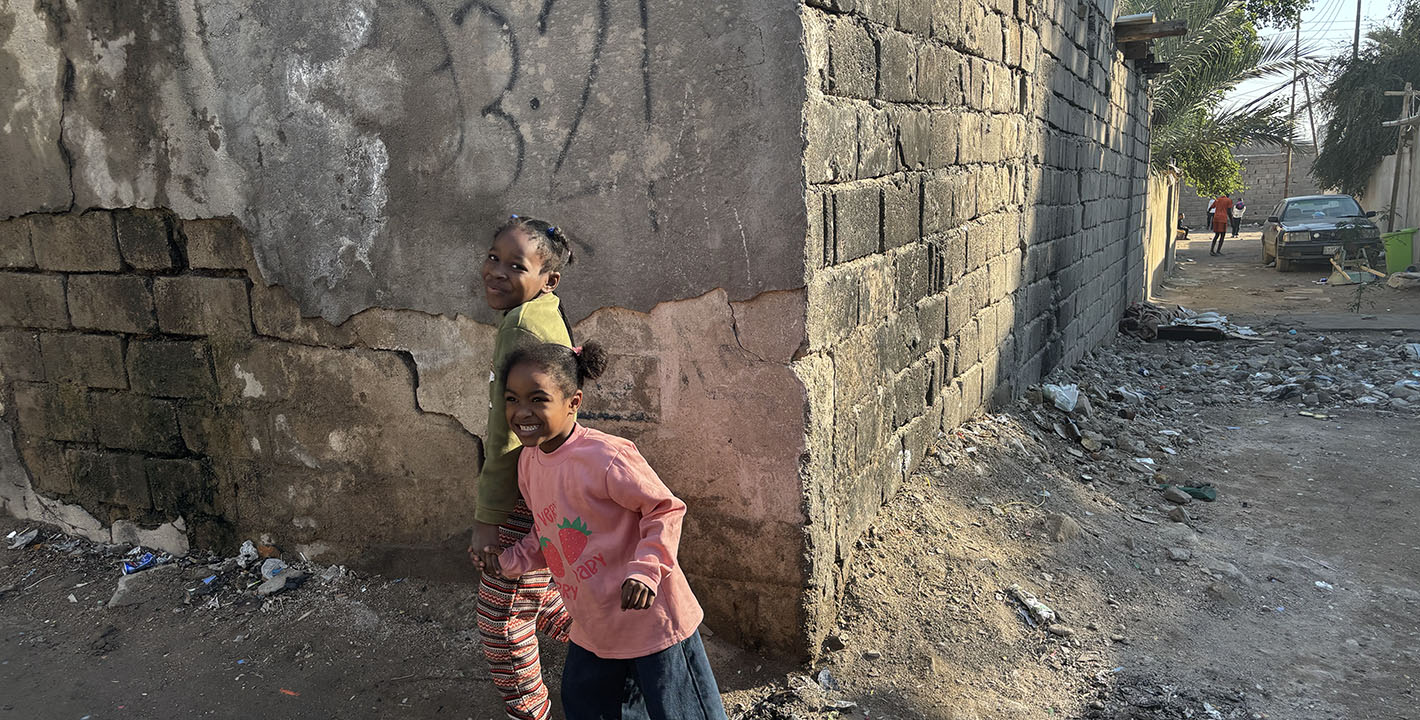
Afro-Iraqis experience political, economic, and social marginalization and discrimination, which exposes the poorest members of the community to the harsh realities of the region’s climate disaster.

Zeinab Shuker
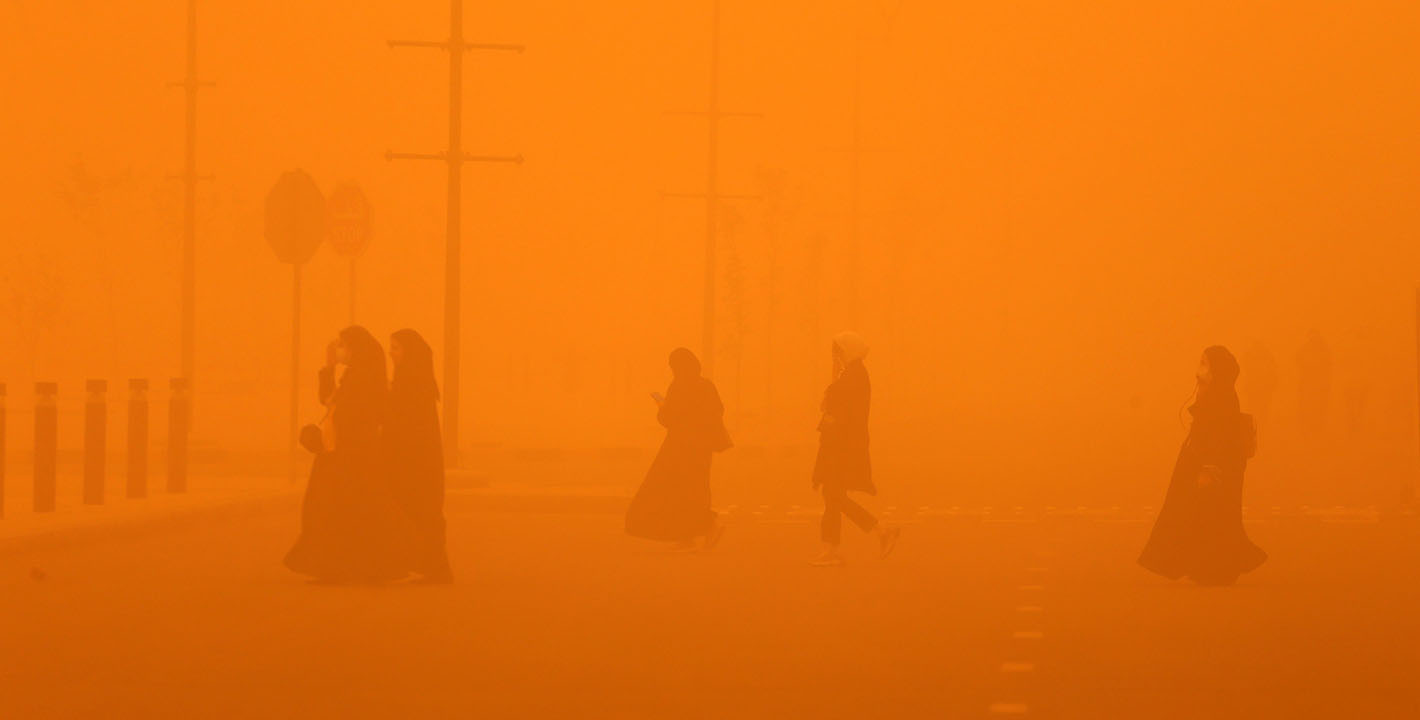
Mitigating the repercussions of climate change in Kuwait is crucial for lessening economic disparities and achieving social justice.
Courtney Freer