

Article
How Ukraine is driving doctrinal change in modern warfare.
Andriy Zagorodnyuk
{
  "authors": [],
  "type": "legacyinthemedia",
  "centerAffiliationAll": "",
  "centers": [
    "Carnegie Endowment for International Peace",
    "Carnegie Europe"
  ],
  "collections": [
    "Transatlantic Cooperation",
    "Brexit and UK Politics"
  ],
  "englishNewsletterAll": "",
  "nonEnglishNewsletterAll": "",
  "primaryCenter": "Carnegie Endowment for International Peace",
  "programAffiliation": "",
  "programs": [],
  "projects": [],
  "regions": [
    "North America",
    "United States",
    "Western Europe",
    "United Kingdom",
    "France",
    "Germany",
    "Europe"
  ],
  "topics": [
    "Foreign Policy",
    "Security"
  ]
}
Source: Getty
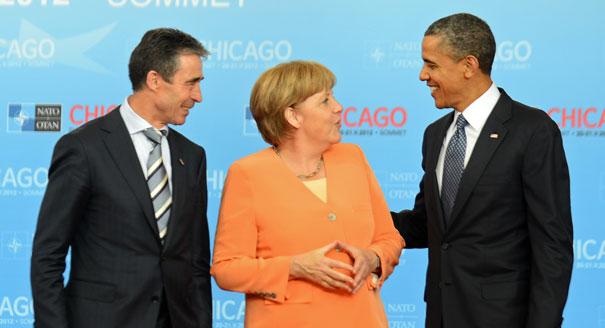
While Europeans still support President Obama, they have lowered their expectations of what he will accomplish politically.
Source: HuffPost Live
Speaking on HuffPost Live, Carnegie’s Jan Techau discussed President Obama’s trip to Berlin and the changing dynamics in European support for the American leader. He explained that while Europeans still support Obama, they have lowered their expectations of what he will accomplish politically. With regard to Syria, Techau explained that Obama’s tactic of “leading from behind” has cost both him and the United States a lot of credibility and that Obama therefore has to make a move in Syria. However, he added, since Obama does not want to get deeply involved in Syria, he will do something small. Techau concluded by saying, “Don’t expect anything game-changing from the United States.”
Carnegie does not take institutional positions on public policy issues; the views represented herein are those of the author(s) and do not necessarily reflect the views of Carnegie, its staff, or its trustees.
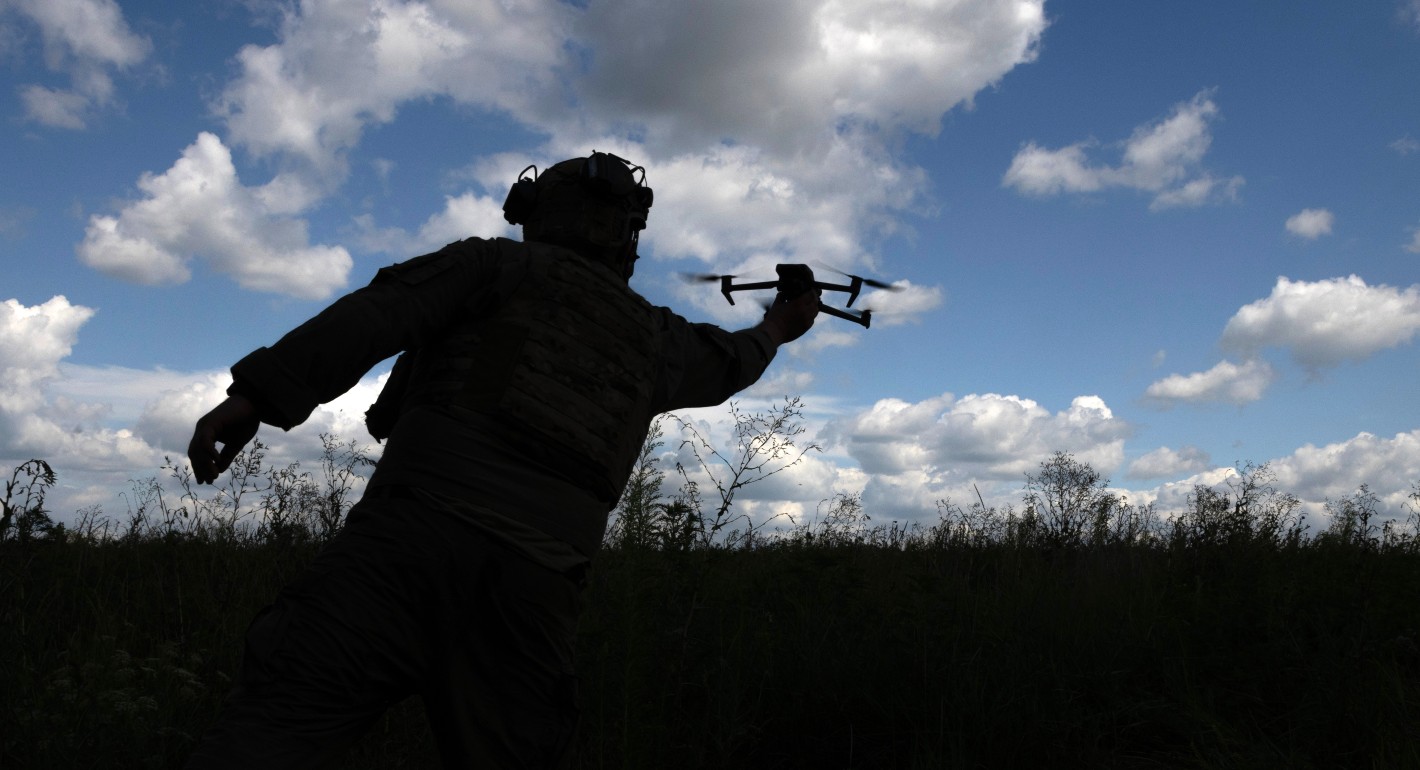
How Ukraine is driving doctrinal change in modern warfare.
Andriy Zagorodnyuk

Although Ukrainian strikes have led to a noticeable decline in the physical volume of Russian oil exports, the rise in prices has more than made up for it.

Sergey Vakulenko

Five problems—and solutions—to make it actually work as a tool of great power competition.

Afreen Akhter
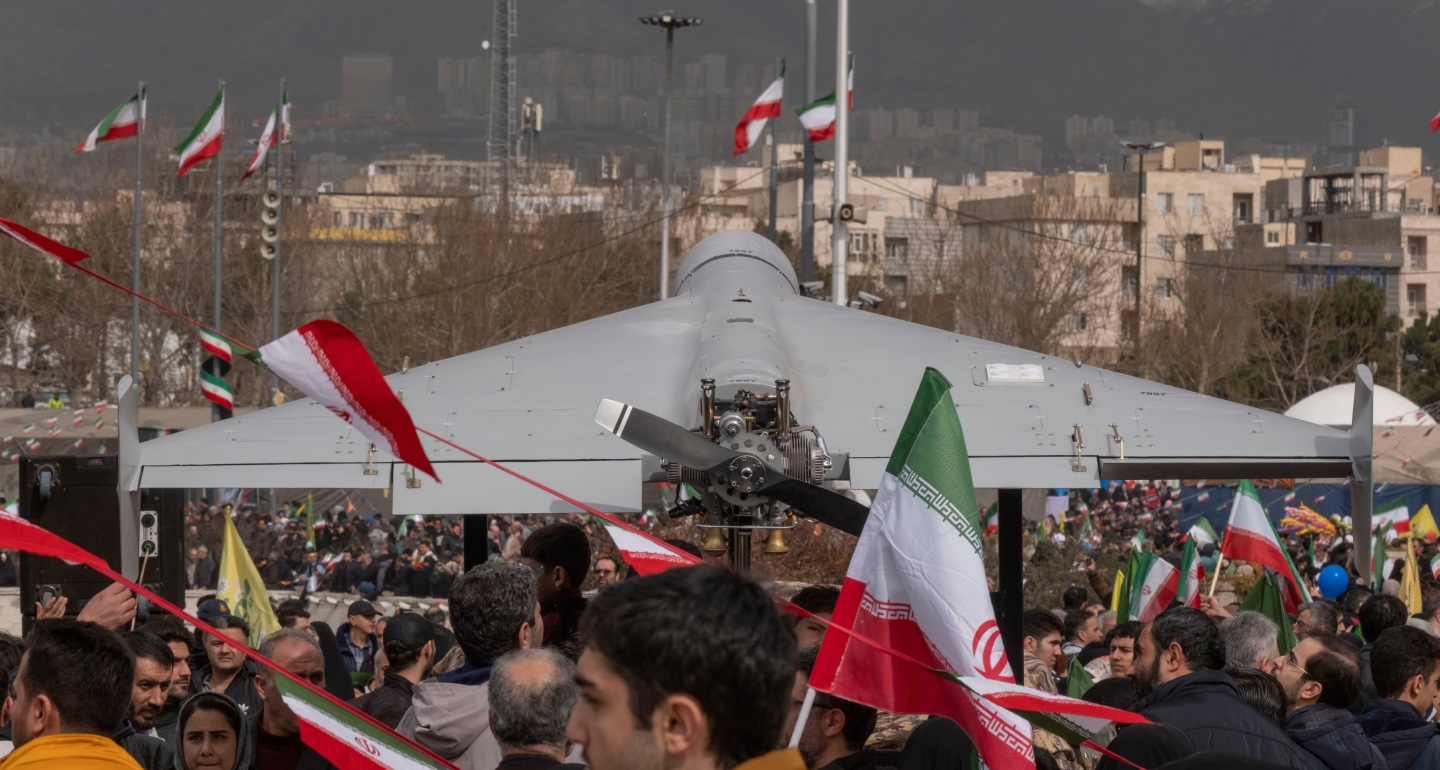
The Russian leadership wants to avoid a dangerous precedent in which it is squeezed out of Iran by the United States and Israel—and left powerless to respond in any meaningful way.

Nikita Smagin
One is hopeful. One is realistic. One is cautionary.

Andrew Leber, Sam Worby