

Research
- +6
Milan Vaishnav, Sameer Lalwani, Tanvi Madan, …
{
  "authors": [
    "Milan Vaishnav"
  ],
  "type": "legacyinthemedia",
  "centerAffiliationAll": "dc",
  "centers": [
    "Carnegie Endowment for International Peace"
  ],
  "collections": [],
  "englishNewsletterAll": "ctw",
  "nonEnglishNewsletterAll": "",
  "primaryCenter": "Carnegie Endowment for International Peace",
  "programAffiliation": "SAP",
  "programs": [
    "South Asia"
  ],
  "projects": [
    "India Decides 2014"
  ],
  "regions": [
    "South Asia",
    "India"
  ],
  "topics": [
    "Political Reform"
  ]
}
Source: Getty
An inability to act on necessary reforms, coupled with massive malfeasance in government, has the potential to invigorate the Indian opposition going into the elections.
Source: Charlie Rose
Charlie Rose takes a look at the future of the elections in India in the face of rampant corruption and declining economic conditions. He speaks with Sadanand Dhume of the WSJ, Dr. Milan Vaishnav of the Carnegie Endowment for International Peace, Arvind Panagariya from Columbia, and Jonathan Shainin from New Yorker magazine. Vaishnav explained that the Indian government’s inability to act on necessary reforms, coupled with massive malfeasance in government, has the potential to invigorate the Indian opposition going into the elections.

Director and Senior Fellow, South Asia Program
Milan Vaishnav is a senior fellow and director of the South Asia Program and the host of the Grand Tamasha podcast at the Carnegie Endowment for International Peace. His primary research focus is the political economy of India, and he examines issues such as corruption and governance, state capacity, distributive politics, and electoral behavior. He also conducts research on the Indian diaspora.
Recent Work


Milan Vaishnav, Sameer Lalwani, Tanvi Madan, …
Sumitra Badrinathan, Devesh Kapur, Andy Robaina, …
Carnegie does not take institutional positions on public policy issues; the views represented herein are those of the author(s) and do not necessarily reflect the views of Carnegie, its staff, or its trustees.
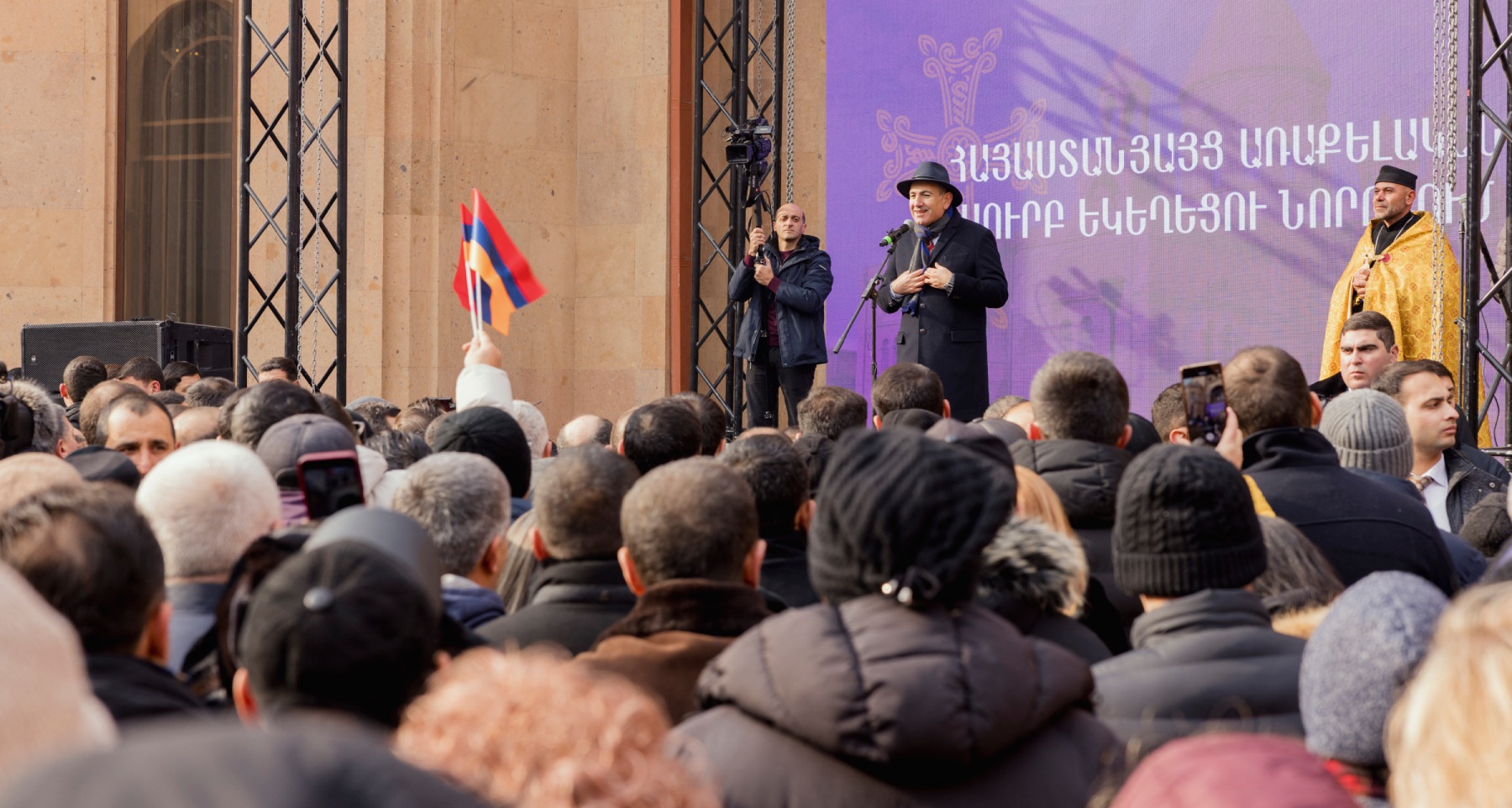
It’s true that many Armenians would vote for anyone just to be rid of Pashinyan, whom they blame for the loss of Nagorno-Karabakh, but the pro-Russia opposition is unlikely to be able to channel that frustration into an electoral victory.
Mikayel Zolyan
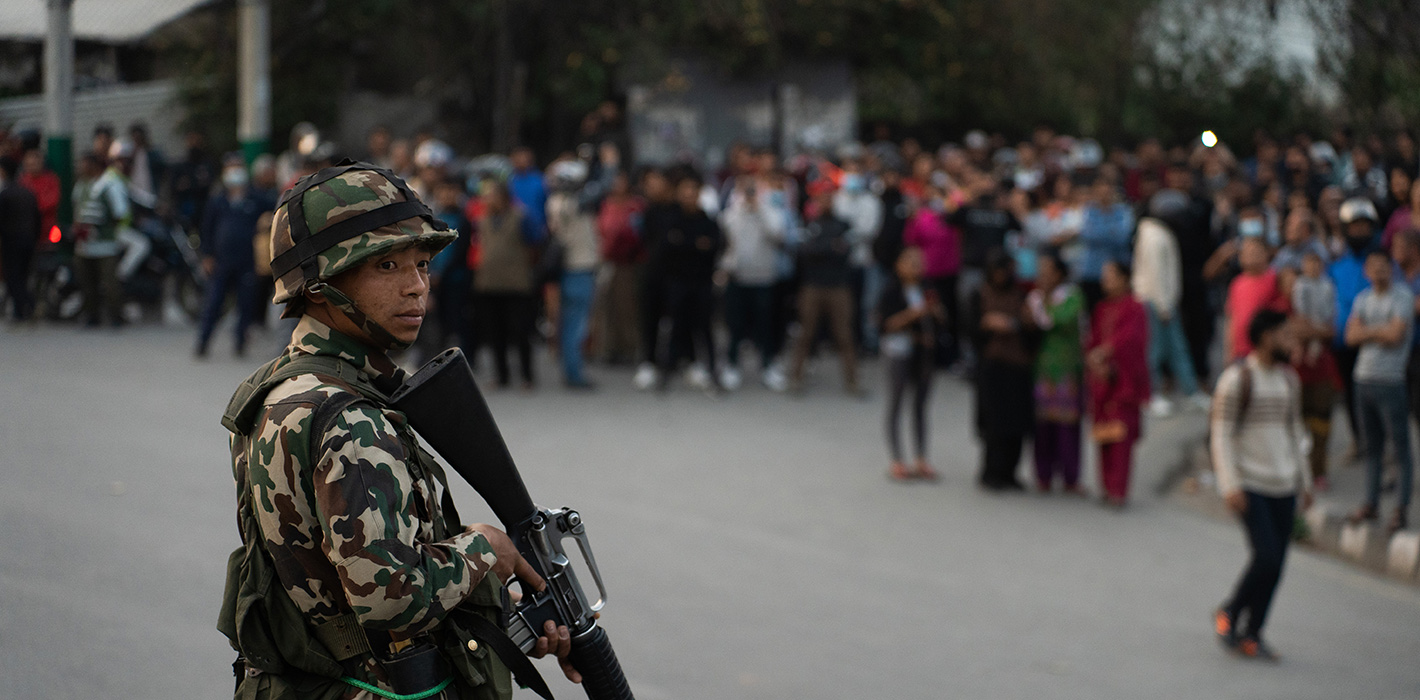
Military rule is now a defining political factor in South Asia. Here’s how analysts can understand and account for it.

Paul Staniland
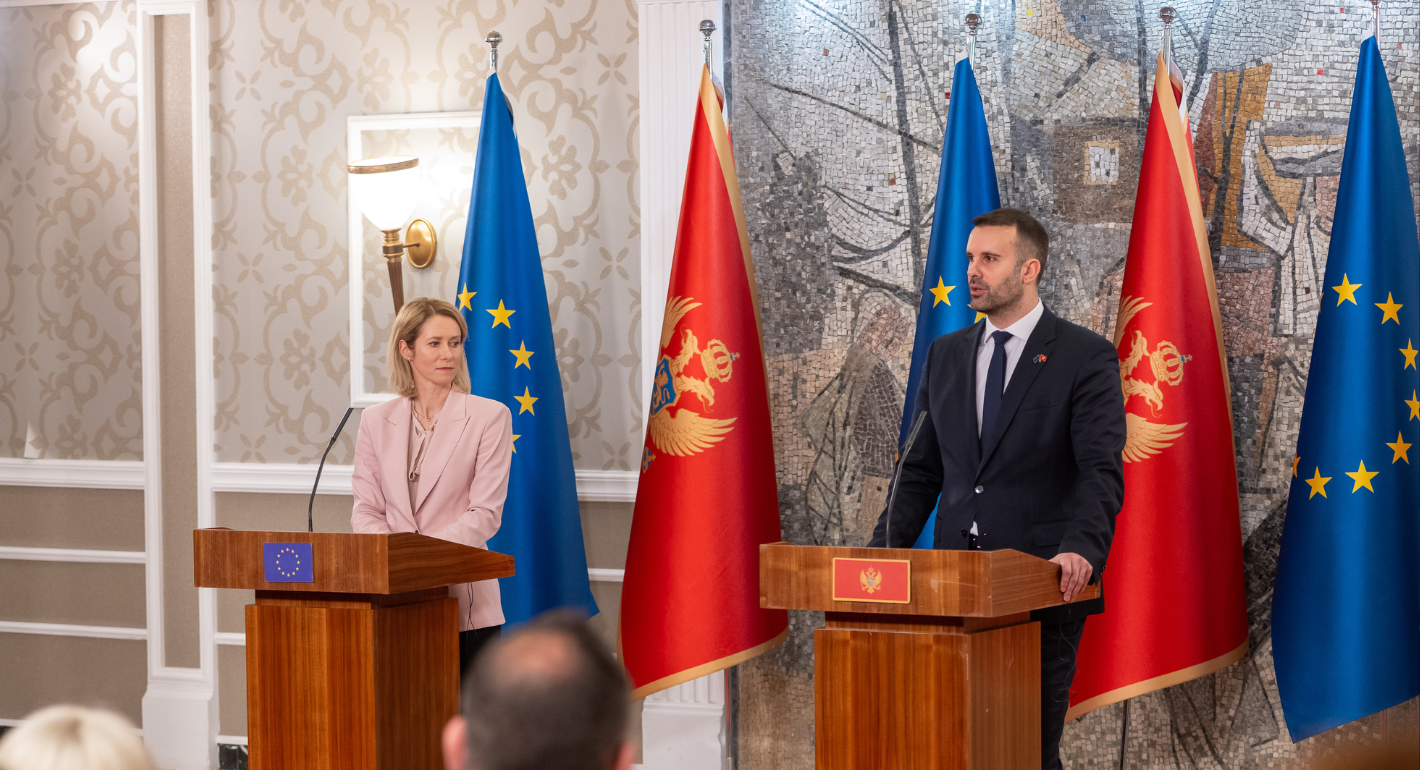
Montenegro and Albania are frontrunners for EU enlargement in the Western Balkans, but they can’t just sit back and wait. To meet their 2030 accession ambitions, they must make a strong positive case.


Dimitar Bechev, Iliriana Gjoni

This piece argues that the present Indian strategy, based on opportunistic diversification and utilization of limited strategic reserves, remains inadequate when confronting supply disruptions. It evaluates India’s options in the short, medium, and long terms.

Vrinda Sahai
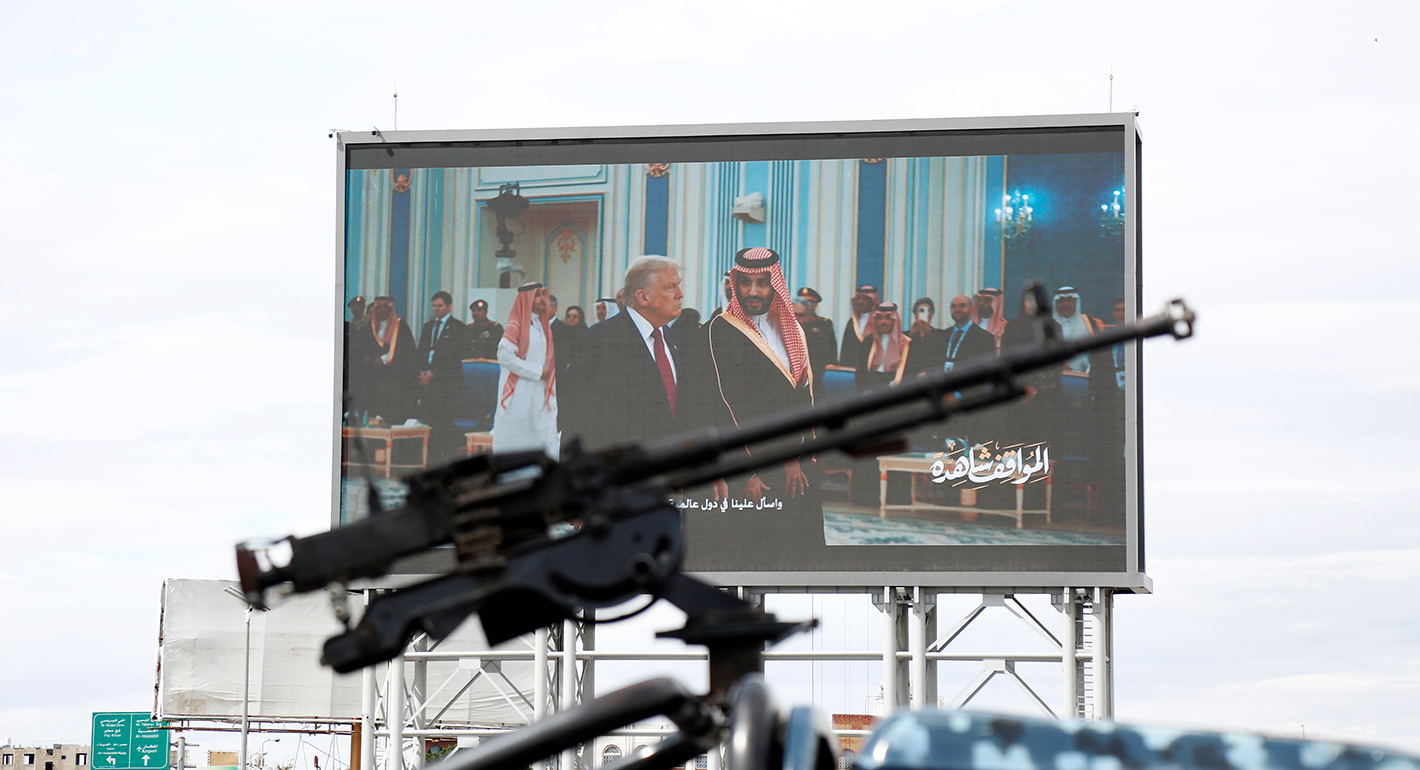
The return of war as the organizing factor in Middle Eastern politics has predictable consequences: governments are prioritizing regime stability and becoming averse to political and social reform.


Sarah Yerkes, Amr Hamzawy