

Article
Thomas Carothers, McKenzie Carrier
{
  "authors": [
    "Thomas Carothers"
  ],
  "type": "other",
  "centerAffiliationAll": "dc",
  "centers": [
    "Carnegie Endowment for International Peace"
  ],
  "collections": [
    "Democracy and Governance"
  ],
  "englishNewsletterAll": "democracy",
  "nonEnglishNewsletterAll": "",
  "primaryCenter": "Carnegie Endowment for International Peace",
  "programAffiliation": "DCG",
  "programs": [
    "Democracy, Conflict, and Governance"
  ],
  "projects": [],
  "regions": [],
  "topics": [
    "Democracy",
    "Foreign Policy"
  ]
}
Source: Getty
Accountability is not a passing fad in the development lexicon but rather the driving idea in twenty-first century development work.
Source: Global Partnership for Social Accountabilty
Carnegie’s Thomas Carothers delivered the keynote address to the 2016 Global Partners Forum at the World Bank’s Global Partnership for Social Accountability. In front of 300 participants, Carothers explained how work and thinking related to accountability has moved into a second generation and what the implications are of this recent shift.
In his address, he touched upon social accountability’s historic progress toward becoming an increasingly strategic and indispensable component of effective development. “Accountability is the driving idea in twenty-first century development; whether and how the development field proves able to make a meaningful contribution to accountability is central to whether the development field will stay relevant in the decades ahead,” Carothers said.
The keynote address was original broadcast by the Global Partnership for Social Accountabilty.

Harvey V. Fineberg Chair for Democracy Studies; Director, Democracy, Conflict, and Governance Program
Thomas Carothers, director of the Carnegie Endowment for International Peace’s Democracy, Conflict, and Governance Program, is a leading expert on comparative democratization and international support for democracy.
Recent Work

Thomas Carothers, McKenzie Carrier
Thomas Carothers, McKenzie Carrier
Carnegie does not take institutional positions on public policy issues; the views represented herein are those of the author(s) and do not necessarily reflect the views of Carnegie, its staff, or its trustees.

Although Ukrainian strikes have led to a noticeable decline in the physical volume of Russian oil exports, the rise in prices has more than made up for it.

Sergey Vakulenko

Five problems—and solutions—to make it actually work as a tool of great power competition.

Afreen Akhter
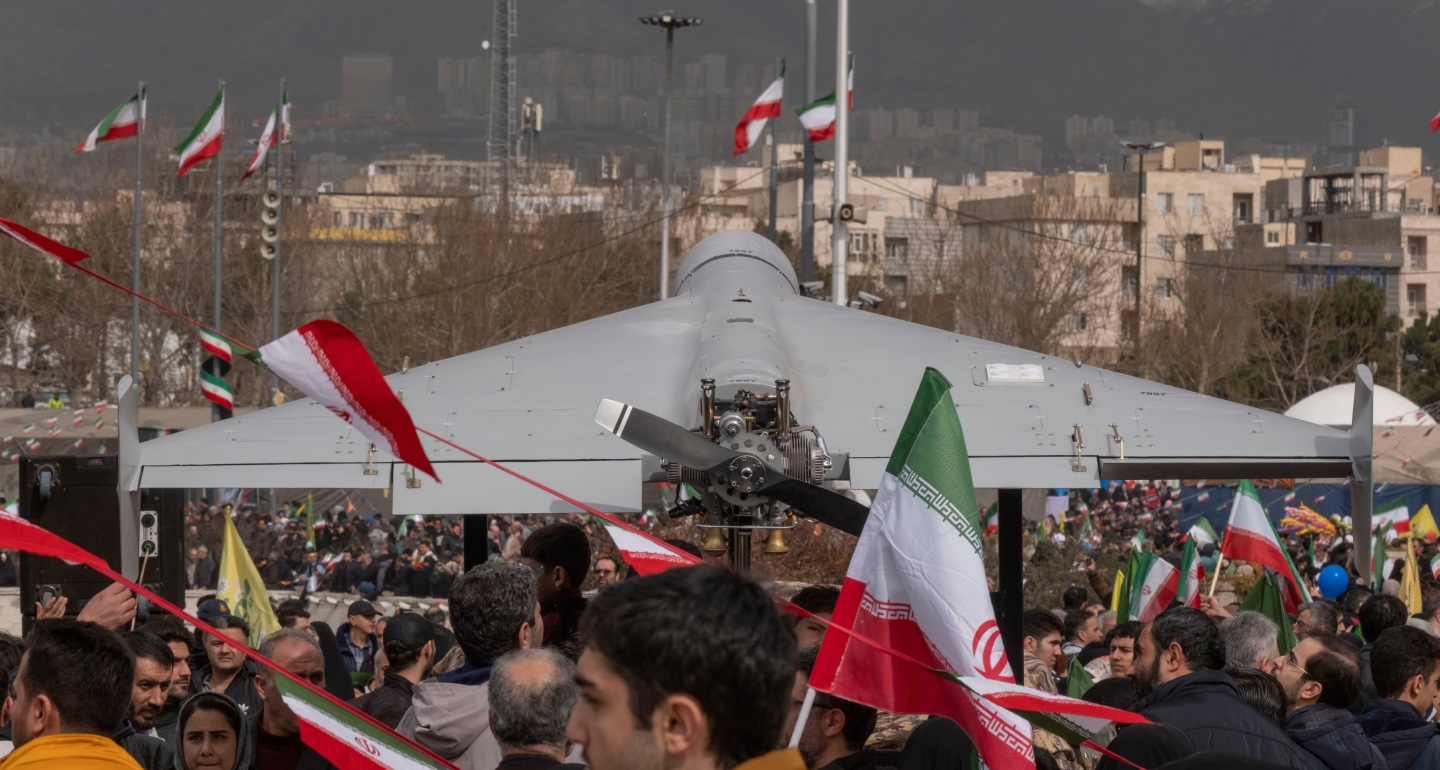
The Russian leadership wants to avoid a dangerous precedent in which it is squeezed out of Iran by the United States and Israel—and left powerless to respond in any meaningful way.

Nikita Smagin

One is hopeful. One is realistic. One is cautionary.

Andrew Leber, Sam Worby

In Ukraine, Gaza, and Iran, AI warfare has come to dominate, with barely any oversight or accountability. Europe must lead the charge on the responsible use of new military technologies.

Raluca Csernatoni