

Article
Deborah Gordon, Stephen D. Ziman
{
  "authors": [
    "Deborah Gordon"
  ],
  "type": "other",
  "centerAffiliationAll": "dc",
  "centers": [
    "Carnegie Endowment for International Peace"
  ],
  "collections": [],
  "englishNewsletterAll": "ctw",
  "nonEnglishNewsletterAll": "",
  "primaryCenter": "Carnegie Endowment for International Peace",
  "programAffiliation": "SCP",
  "programs": [
    "Sustainability, Climate, and Geopolitics"
  ],
  "projects": [
    "Carnegie Oil Initiative"
  ],
  "regions": [
    "North America",
    "United States"
  ],
  "topics": [
    "Climate Change"
  ]
}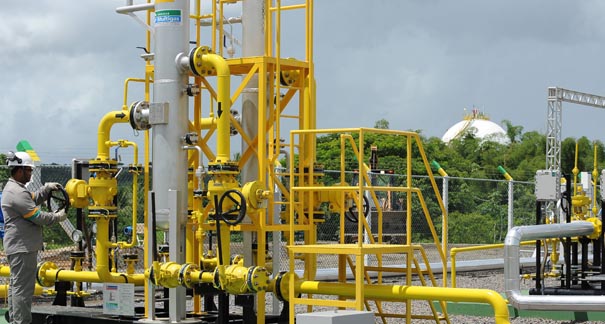
Source: Getty
Taxing climate pollution instead of productivity will be a societal breakthrough.
Source: International Economy
First it was the 2008 global financial crisis. Then the Arab Spring. Then Brexit. International conventional wisdom always seems unaware of the big changes about to unfold. There are in the present few facts about the future. Ten years ago, for example, who would have predicted surprise developments such as negative interest rates, the potential breakup of the European Union, the Donald Trump/Bernie Sanders effect, drones, the use of driverless cars, the rise of ISIS, the myriad uses of artificial intelligence and big data, U.S. energy independence, the emergence of the Zika virus, or the rate at which robots are taking away jobs. TIE asked more than fifty top thinkers to look ahead ten years at what outside-the-box developments could shock the world.
Carbon will be taxed on a global scale. This policy transformation will start in the United States, despite current hurdles from both political parties. Canada and Mexico will follow the United States. This makes sense since 80 percent of oil consumed in the United States is now sourced from within North America and the vast majority of petroleum products refined in the United States are consumed on this continent.
But it won’t stop here. The United States and Canada will lead the way for other nations to establish carbon markets. Taxing climate pollution instead of productivity will be a societal breakthrough.
The burning question remains: Will the United States design a smart tax that prices fossil fuels individually based on carbon emissions, or issue a blunt tax on fossil fuels? Pricing fossil fuels—especially oil—for a safe climate is most effective if the tax differentiates among the very different chemical entities that today all go by the name “a barrel of oil.” It must also account for greenhouse gas emissions along the entire oil supply chain: production, refining, transport, and end product use. And it must apply to ancillary byproducts, like petroleum coke and residual oils, that do not fuel the transport sector.
A grand bargain that ultimately makes a U.S. carbon tax politically attractive will include: (1) eliminating the need for the increasingly unpopular and perennially thwarted gas tax before it hits its 2032 centennial mark; (2) spreading climate responsibility fairly to the myriad of oil supply chain stakeholders—from producers to refiners and truckers to airlines and motorists to manufacturers; (3) spending a portion of its proceeds to fund rebates to lower- and middle-class Americans; and (4) cutting the corporate income tax. While this policy will start with oil, it will eventually spread to other fossil fuels, leading to sought-after regulatory relief for gas and coal.
This article was originally published in the International Economy.

Former Director and Senior Fellow, Energy and Climate Program
Gordon was director of Carnegie’s Energy and Climate Program, where her research focuses on oil and climate change issues in North America and globally.
Recent Work
Deborah Gordon, Stephen D. Ziman
Deborah Gordon, Smriti Kumble, David Livingston
Carnegie does not take institutional positions on public policy issues; the views represented herein are those of the author(s) and do not necessarily reflect the views of Carnegie, its staff, or its trustees.
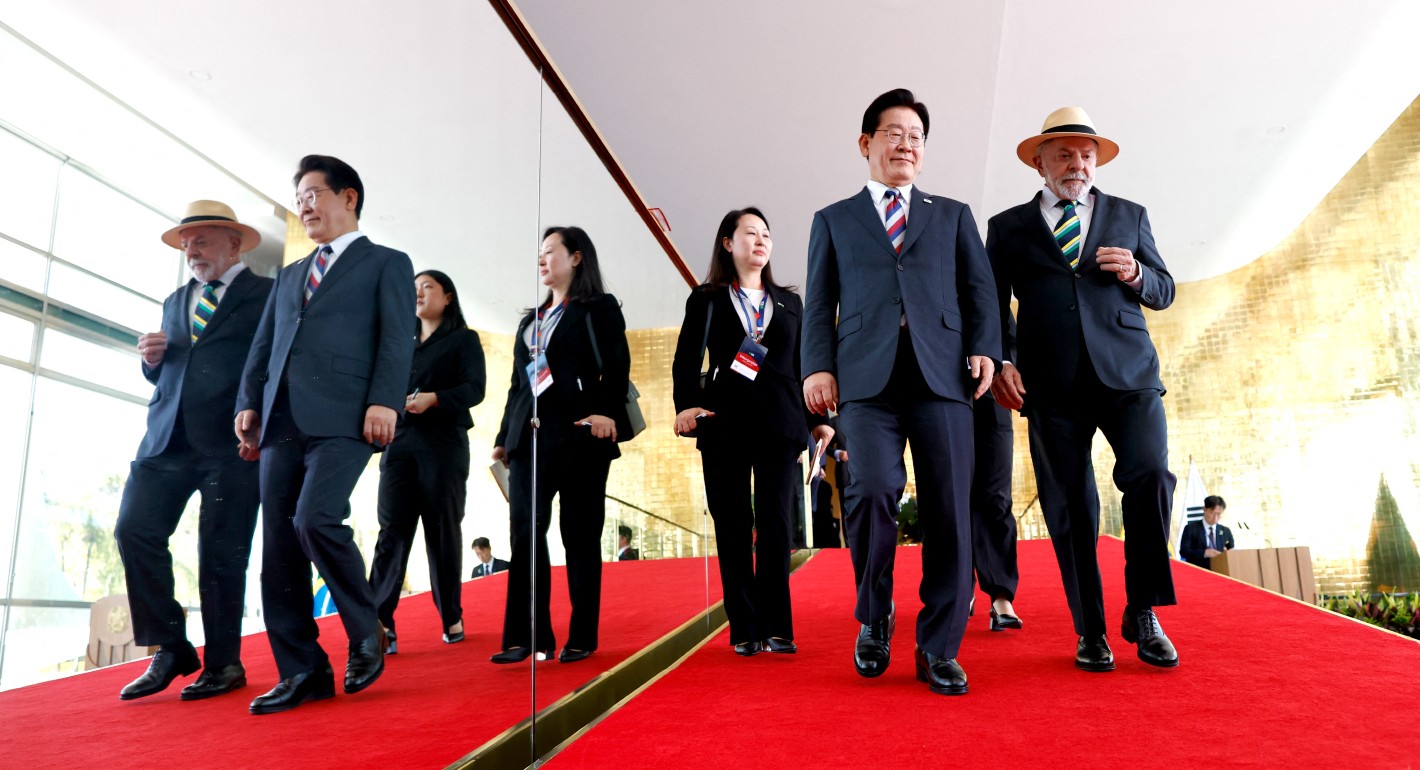
Lee’s tour shows how Seoul is reorganizing its diplomacy away from Pyongyang and toward industrial networks and the geography of the compute economy.

Darcie Draudt-Véjares

Investments in a climate-friendly cooling system known as geothermal district cooling will help rapidly urbanizing societies resist dangerous heat indexes.


Daevan Mangalmurti, Debbra Goh, Milo McBride
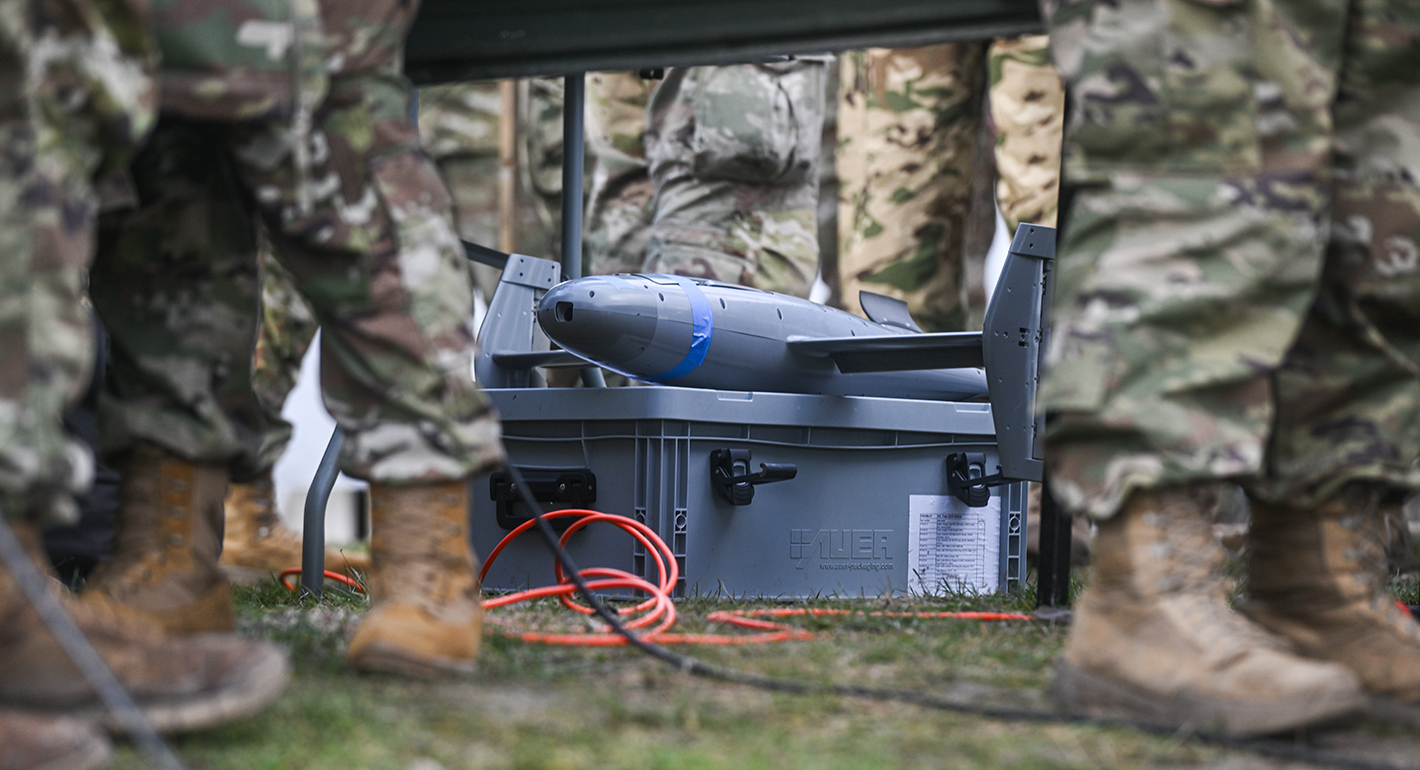
The Pentagon is calling for a rapid AI transformation. Autonomous drones offer a case study in the eight bottlenecks the U.S. military must navigate to realize that vision.
Jake Steckler

When faced with fuel shortages in the past, Central Asian governments could always count on additional supplies from Moscow. That safety net no longer exists.

Galiya Ibragimova

Does Donald Trump want to redraw the map of the world? Historian and geopolitical thinker Stephen Wertheim tries to parse the logic behind current American foreign policy

Stephen Wertheim