

Commentary
Barbara Weisel
{
  "authors": [
    "Barbara Weisel"
  ],
  "type": "commentary",
  "blog": "Emissary",
  "centerAffiliationAll": "dc",
  "centers": [
    "Carnegie Endowment for International Peace"
  ],
  "englishNewsletterAll": "asia",
  "nonEnglishNewsletterAll": "",
  "programAffiliation": "AP",
  "programs": [
    "Asia"
  ],
  "regions": [
    "China",
    "United States"
  ],
  "topics": [
    "Trade",
    "Foreign Policy",
    "Economy"
  ]
}
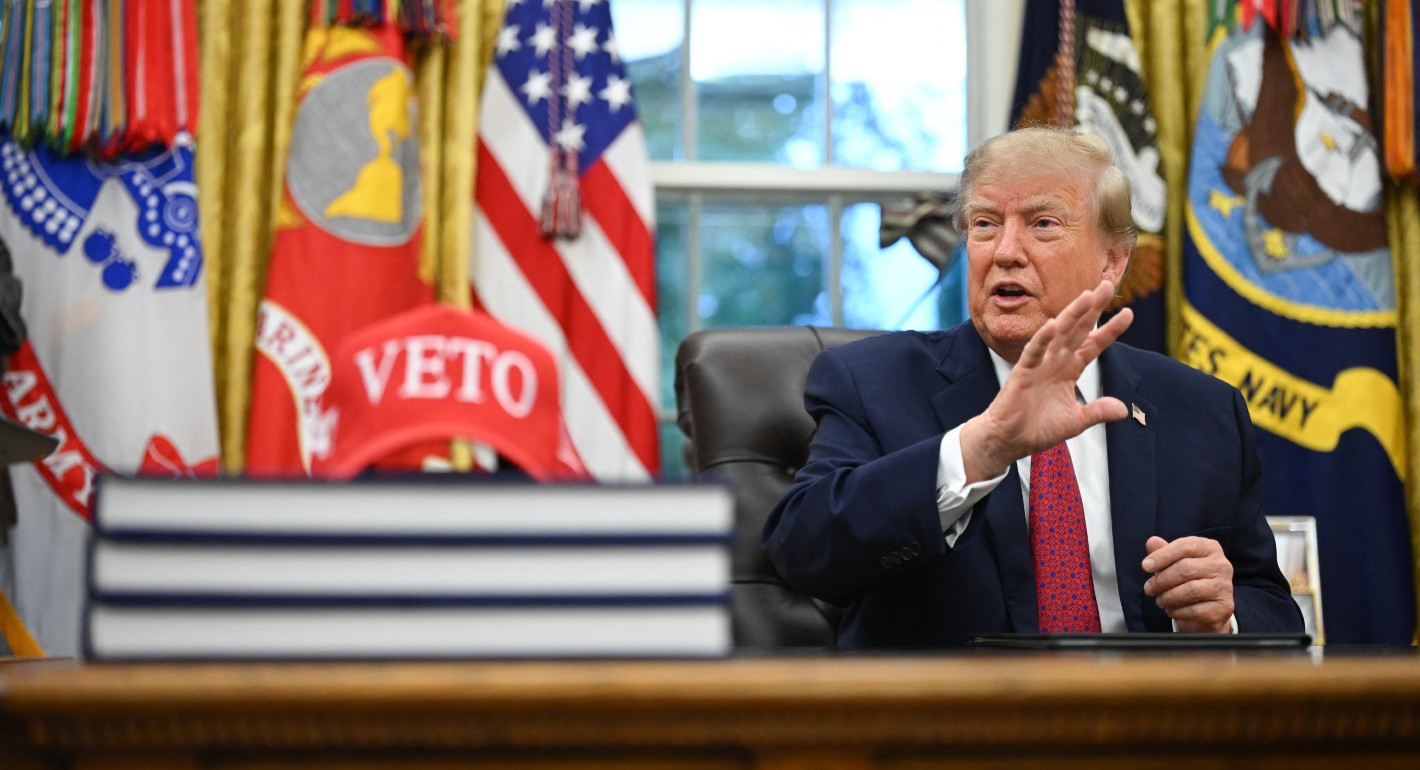
Trump speaks in the Oval Office on November 5, 2026. (Photo by Mandel Ngan/AFP via Getty Images)
Even if the administration maintains its broader trade policy, it should use tariffs more strategically and work with U.S. partners, not against them.
Among the factors driving the midterm election results, affordability and price increases were often cited as voters’ top issue. The results should motivate the administration of President Donald Trump to adjust its approach to its economic policies, but it may choose to stand firm on trade. Trump proudly embraces the “tariff king” label and views tariffs as an all-purpose tool for securing agreement on trade, investment, and economic security demands.
But there are places where the administration can fine-tune its policies without a wholesale shift. Even if it otherwise stays the course, the administration should deploy tariffs more strategically, use them more judiciously in support of a broader U.S. economic agenda, and use carrots—not just sticks—to encourage cooperation from foreign partners. And while it may be tempted to continue to rely on executive action, it should work with the new Congress, which likely will begin to reassert its trade authority and seek more influence in shaping U.S. policy when it takes office in January.
Over the past year, the Trump administration has used across-the-board tariffs to pressure U.S. trading partners into bilateral trade agreements. Although tariffs increased government revenues, this blunt instrument also raised business costs and consumer prices, disrupted supply chains, delayed business investment by creating uncertainty, and strained U.S. ties with many partners and allies.
In February, the Supreme Court struck down the administration’s broad-based tariffs, ruling that the president does not have the authority to impose tariffs under the International Emergency Economic Powers Act (IEEPA), the statute on which it relied. Then, the administration launched two investigations under Section 301, which allows the government to investigate and take action against unfair trade practices. The result is expected to produce combined tariffs equal to the invalidated IEEPA rates.
The first Section 301 investigation, focused on forced labor, resulted in across-the-board tariffs on sixty economies beginning in July. The administration demanded action on specific labor concerns but offered no clear path to tariff removal even if its demands are met.
The second Section 301 investigation covers structural excess manufacturing capacity—for example, a factory with unused capacity that’s kept open by government subsidies—across sixteen economies, including major U.S. trading partners in the Indo-Pacific and Europe, as well as Mexico. The findings, due shortly, will likely include broad-based tariffs but—as with the forced labor investigation—are not expected to outline a path to removing them.
Meanwhile, the U.S. government has been negotiating trade agreements with about twenty economies, with commitments that overwhelmingly fall on the partners. Facing U.S. threats of tariffs above IEEPA rates if they fail to agree to U.S. demands, these partners are committing to lowering tariffs on U.S. goods, addressing specific trade barriers, and curbing unfair competition from subsidies or state-owned enterprises, among other requirements.
These agreements render the Section 301 tariffs unnecessary. If those tariffs were intended as pressure to get U.S. trading partners to lower their tariffs on U.S. goods and make other changes, they have achieved their goal. U.S. partners will be bound by the obligations in these deals, including those related to excess manufacturing capacity and labor. Additional tariffs merely impose further taxes on U.S. businesses and consumers. They also will not advance the administration’s goal of slashing the U.S. goods trade deficit, which reached a record $135 billion in September—up 2 percent from August and 63 percent year over year.
At a minimum, the administration should set out a clear roadmap to phase out all Section 301 tariffs as trading partners address U.S. concerns. The U.S. government should begin by removing tariffs on consumer goods and raw materials or other manufacturing components not already exempted, providing some financial relief to U.S. businesses and consumers in what amounts to a regressive tax on consumers. Speed is essential: The longer the tariffs remain, the harder it will be to give up the revenue and persuade companies to forgo protection they do not need.
The second Trump administration has failed to set clear trade priorities and has pursued policies that lack coherence. Rather than targeting priority countries, Washington imposed sweeping Section 301 tariffs on sixty economies, as though they were all of similar economic significance. It has relied heavily on tariffs as a means to bring manufacturing back to the United States, although they have created business uncertainty and higher production costs. In addition, different government agencies seem to operate in silos. For example, tariffs on steel, aluminum, auto parts, lumber, advanced semiconductors, and other inputs that were imposed under Section 232, which aims to protect national security, have further raised the cost of the domestic industrial production that the Section 301 tariffs were supposed to promote.
Trade policy should advance a more holistic approach toward U.S. innovation, competitiveness, resilience, job creation, and growth. Washington should sequence actions to address issues in priority order rather than overload the system and better coordinate both affirmative and defensive actions across agencies. It should use tariffs sparingly and judiciously, employing other tools to achieve its economic goals, protect genuinely strategic sectors, or address specific problems. Going forward, the Trump administration should weigh the downstream effects of tariffs and the costs to consumers more carefully and favor affirmative policies that create new business and market opportunities, rather than reach for tariffs in the first instance.
U.S. trading partners have grown increasingly frustrated with the administration’s unilateral trade actions and have sought to expand their trade with other partners. Over the summer, Trump escalated his trade war with Canada by imposing 50 percent tariffs on a range of Canadian products. The move drew intense opposition on both sides of the border, with many citing the close and longstanding relationship between the neighbors, and it led Canada to intensify its trade diversification efforts.
But the United States is deeply integrated in the global economy, which does not operate by zero-sum rules, and its actions will have strategic implications. Moving ahead, the administration should seek to better use its partnerships to advance its economic goals and avoid unnecessarily damaging relations with foreign partners, whose support is essential to addressing international economic challenges and advancing broader U.S. interests. Washington has attacked its partners, often more harshly than its rivals, while demanding their cooperation on multilateral initiatives. Some have participated, but distrust of the United States limits what they can achieve together. Canada would be a good start for this effort.
In addition, some countries, such as those in the Indo-Pacific, worry that Washington is missing opportunities to cooperate on shared concerns, including China’s exports of excess industrial capacity and its growing manufacturing trade surplus. They have sought to curb soaring Chinese imports, which have weakened local firms and caused factory closures and job losses, through a variety of measures. But they do not trust that the U.S. government will work with them to manage the issues, despite Washington viewing Beijing as its primary economic, technological, and strategic rival. Instead, these Indo-Pacific countries are attempting to avoid triggering both Chinese retaliation and U.S. accusations that their countries have become bases for China to circumvent U.S. trade restrictions.
In other cases, Washington is working with countries that share U.S. concerns about the global impact of China’s industrial overcapacity and recognize the need for collective action. In late September, fourteen G20 trade ministers (including the United States) issued a joint statement on this issue. Without naming countries, the group warned that inaction would cripple industries, cost jobs, and damage economies and agreed to cooperate, initially focusing on autos and electric vehicles, batteries, chemicals, foundational semiconductors, and solar panels. But at the same time, Washington is poised to impose unilateral tariffs on some of these key trading partners.
Cooperation on this initiative will already be slow and painstaking, not least in defining excess capacity and agreeing on concrete initiatives to tackle the problem. The Trump administration seemingly believes its unilateral Section 301 tariffs can proceed alongside international coordination efforts, but it minimizes how its action will weaken partners’ commitment to cooperation. It also incorrectly assumes their reliance on the U.S. security umbrella gives them no other choice. Instead of imposing tariffs, the administration should use incentives that reward countries for implementing agreed principles on excess capacity and support them as they take steps to curb China’s massive exports. The ASEAN Summit, which Trump will attend later this month, would be an ideal opportunity to signal a shift in U.S. approach.
Congress has played virtually no role in trade policy during the second Trump administration, but the midterm results may embolden lawmakers. The new Congress may struggle to curb the White House’s use of executive authority, and Trump could veto legislation requiring congressional approval. Still, the scale of the Democratic wave and public anger may prompt the administration to rethink its approach, and it can do so without completely abandoning Trump’s beloved tariffs. Congress may also be able to begin reasserting constitutional authority over trade—a welcome development that will provide healthy checks and balances on the administration’s trade policy.
Understand the world with the latest from our scholars around the world.

Nonresident Scholar, Asia Program
Barbara Weisel is a nonresident scholar in the Asia Program at the Carnegie Endowment for International Peace and the former U.S. chief negotiator of the Trans-Pacific Partnership.
Recent Work
Barbara Weisel
Barbara Weisel
Carnegie does not take institutional positions on public policy issues; the views represented herein are those of the author(s) and do not necessarily reflect the views of Carnegie, its staff, or its trustees.

Rubio’s recent visit brought welcome attention, but more capital requires governance changes that may be a hard sell for regional governments.

Jennifer B. Murtazashvili
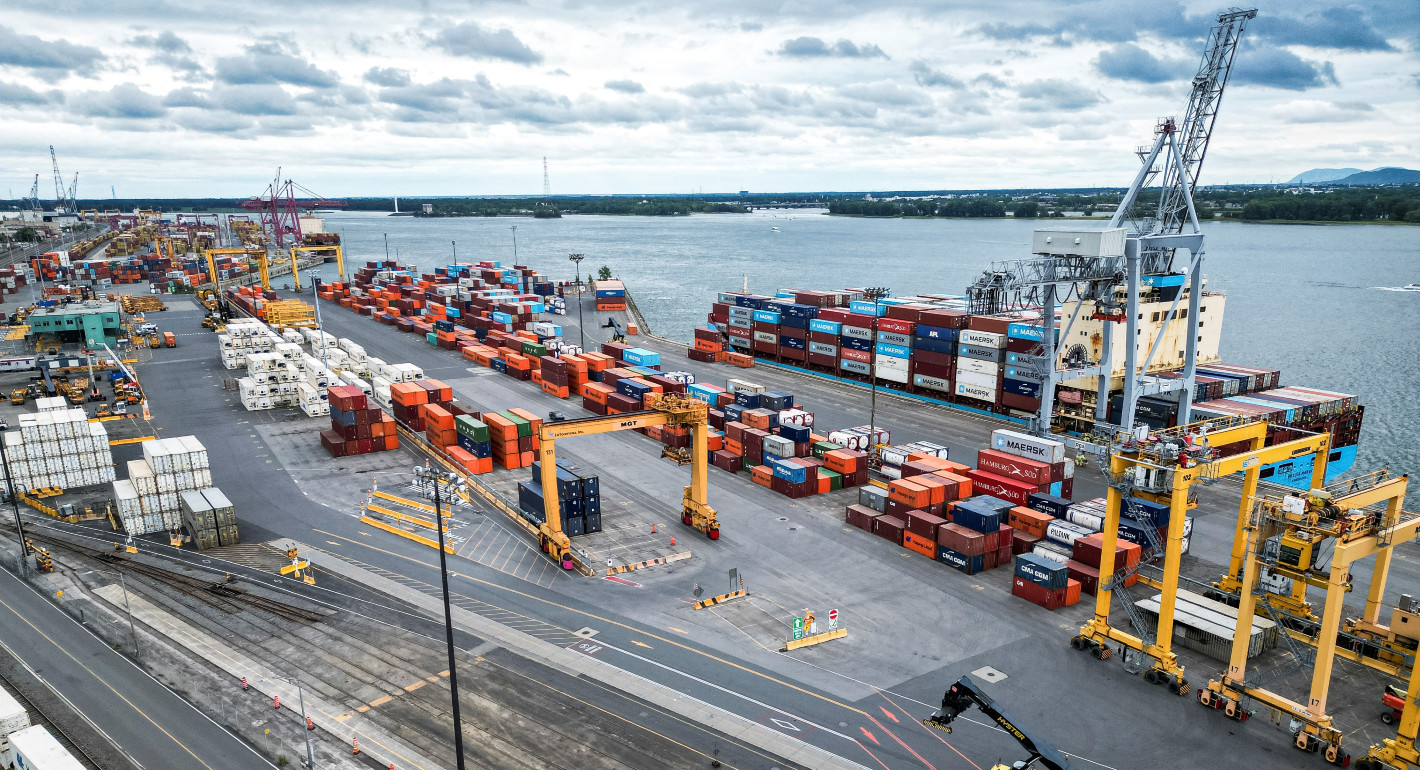
U.S. trading partners in Asia are closely watching the dispute for signs of how it may affect their own interests.
Barbara Weisel
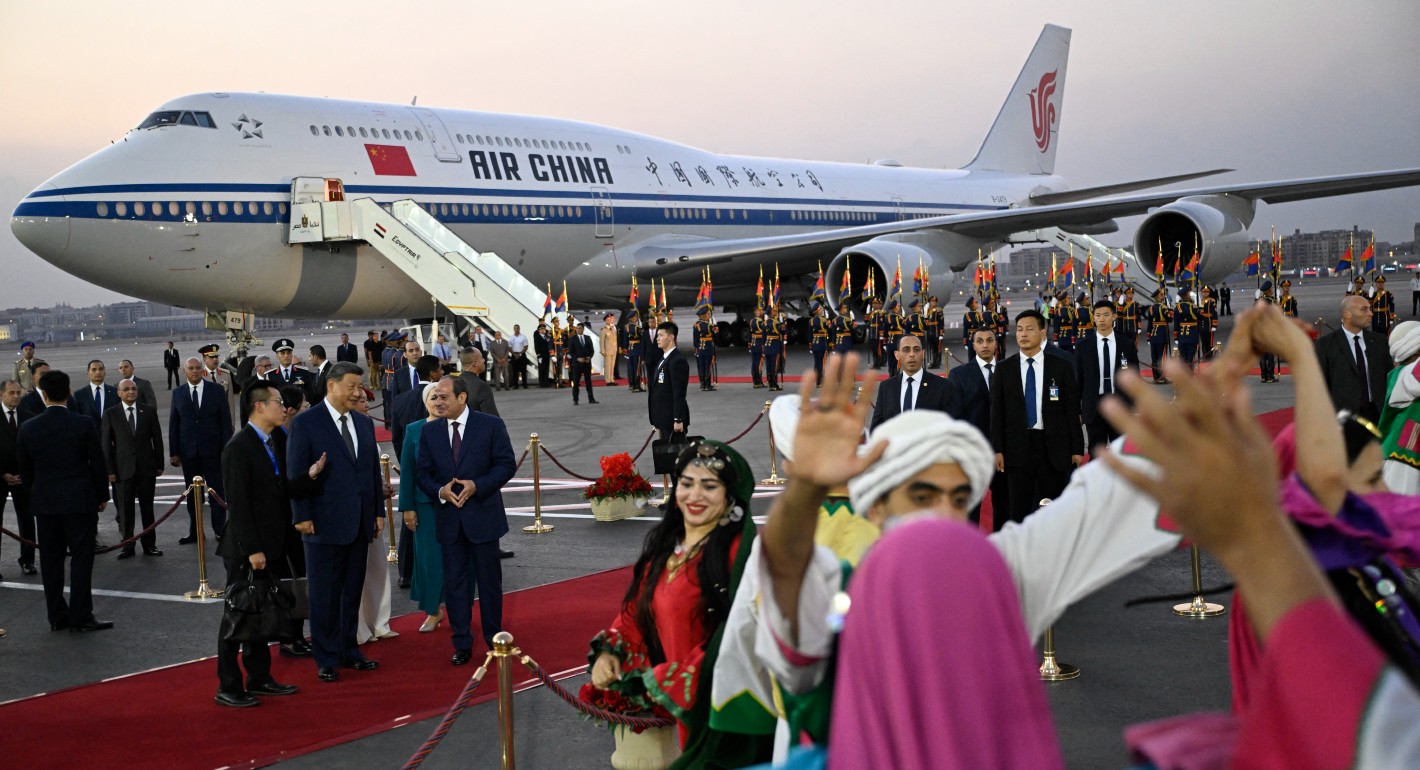
Amid celebrations of bilateral ties was a deeper focus on stability in the Middle East.

Amr Hamzawy

Xi, Putin, and other regional leaders are back-slapping in Bishkek, but the SCO has yet to answer the most serious questions about continental Asia's economic future.

Evan A. Feigenbaum
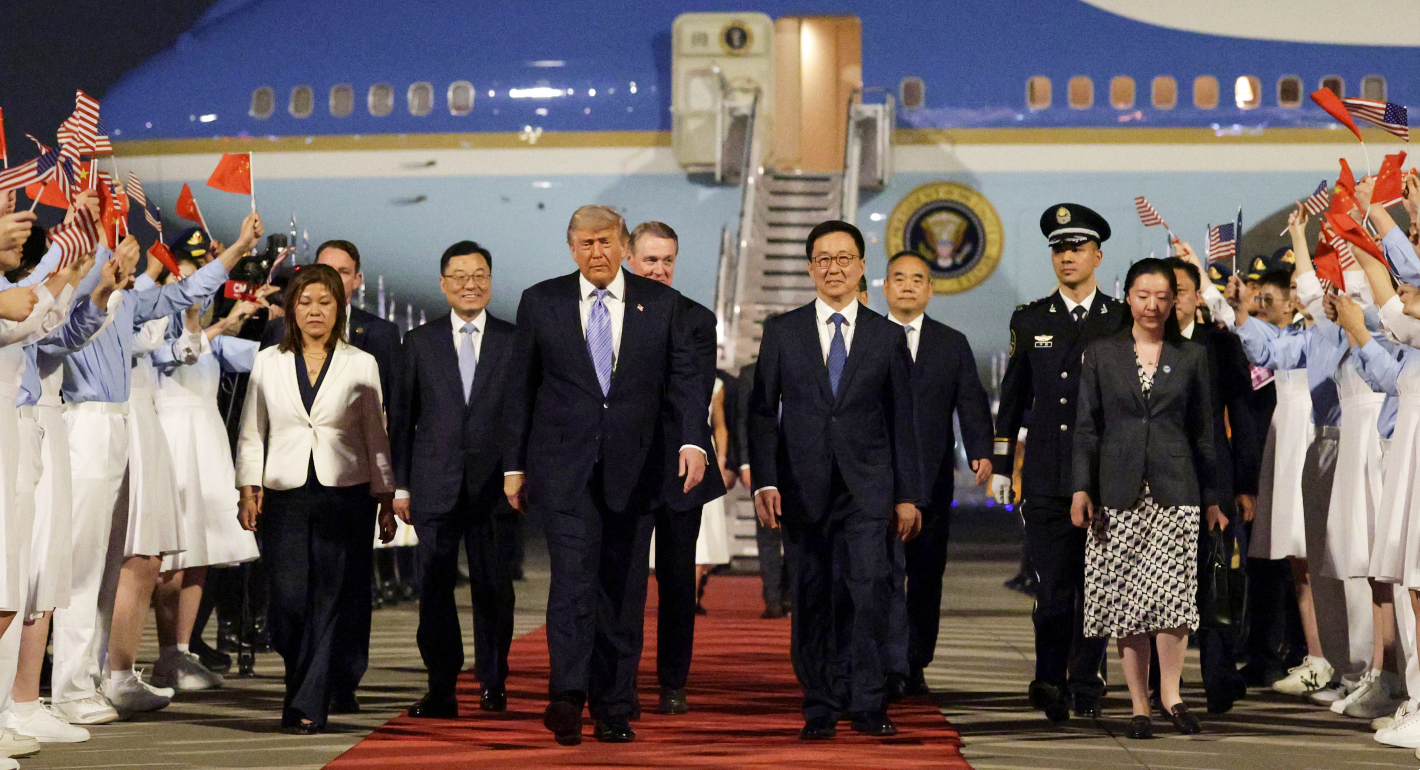
Why the outcomes of the U.S.-China meetings may be limited.


Aaron David Miller, David Rennie