

Article
Muthiah Alagappa
{
  "authors": [
    "Muthiah Alagappa"
  ],
  "type": "legacyinthemedia",
  "centerAffiliationAll": "dc",
  "centers": [
    "Carnegie Endowment for International Peace"
  ],
  "collections": [],
  "englishNewsletterAll": "asia",
  "nonEnglishNewsletterAll": "",
  "primaryCenter": "Carnegie Endowment for International Peace",
  "programAffiliation": "AP",
  "programs": [
    "Asia"
  ],
  "projects": [],
  "regions": [
    "Southeast Asia"
  ],
  "topics": [
    "Political Reform",
    "Democracy"
  ]
}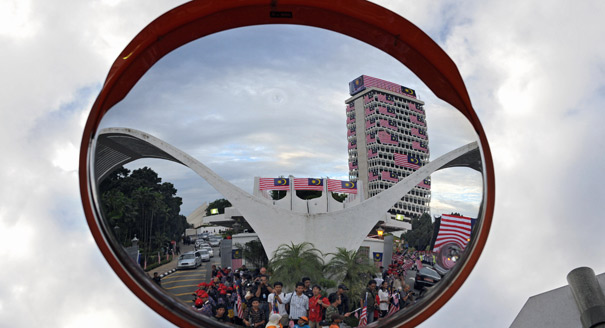
Source: Getty
Building a cohesive nation and developing an effective state are long-term processes that may take several decades, if not centuries.
Source: Edge Malaysia
Prominent banker Datuk Nazir Razak has again articulated the need for a second National Consultative Council (NCC2). This call has been supported by a number of political parties, including certain parties within the governing Barisan Nasional and senior politicians Tan Sri Rafidah Aziz, who was the former minister of international trade and industry.
I strongly endorse the need for NCC2 and future NCCs as they become necessary for Malaysia to become a cohesive nation and an effective state. Building a cohesive nation and developing an effective state are long-term processes that may take several decades, if not centuries….
This piece was originally published in the Edge Malaysia. It was published with a mistake; the original says ‘On nation-building, my view is that measures should be instituted to strengthen democracy in the country …’. It should say ‘On state-building, my view is that measures should be instituted to strengthen democracy in the country …’
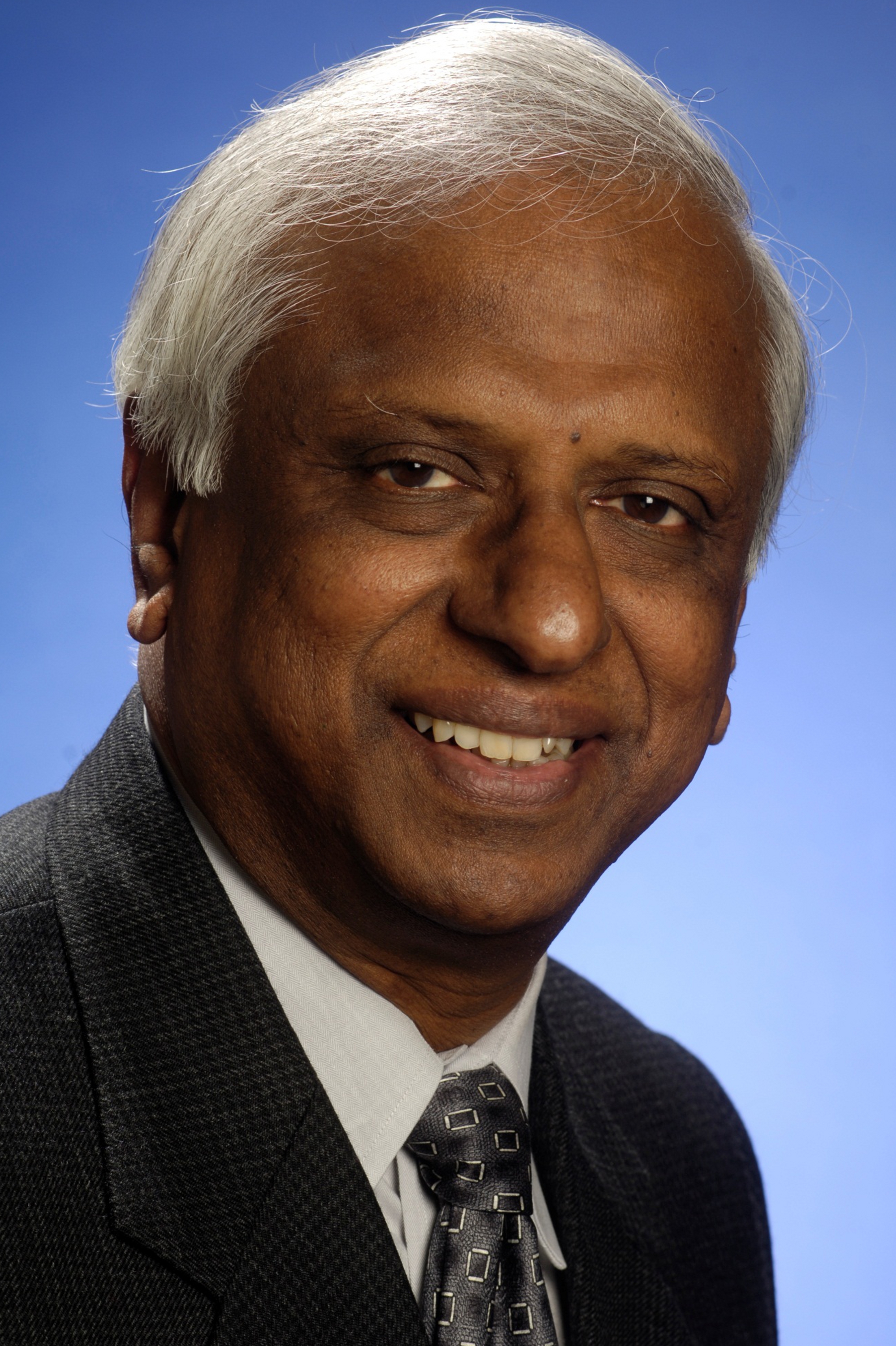
Former Nonresident Senior Fellow, Asia Program
Alagappa, formerly a nonresident senior fellow in the Asia Program, was the first holder of the Tun Hussein Onn Chair in international studies at the Institute of Strategic and International Studies in Kuala Lumpur, Malaysia. His research focuses primarily on Asian security, the political legitimacy of governments, civil society and political change, and the political role of the military in Asia.
Recent Work
Muthiah Alagappa
Muthiah Alagappa
Carnegie does not take institutional positions on public policy issues; the views represented herein are those of the author(s) and do not necessarily reflect the views of Carnegie, its staff, or its trustees.
The Russian state has opted for complete ideological control of the internet and is prepared to bear the associated costs.

Maria Kolomychenko
In the Philippines, Duterte-era discourse emphasizing sovereignty, anti-Western skepticism, and strongman diplomacy mirrors tenets of populist foreign policy around the world.
Aries A. Arugay

After four years of war, there is no one who can stand up to the security establishment, and President Vladimir Putin is increasingly passive.

Tatiana Stanovaya
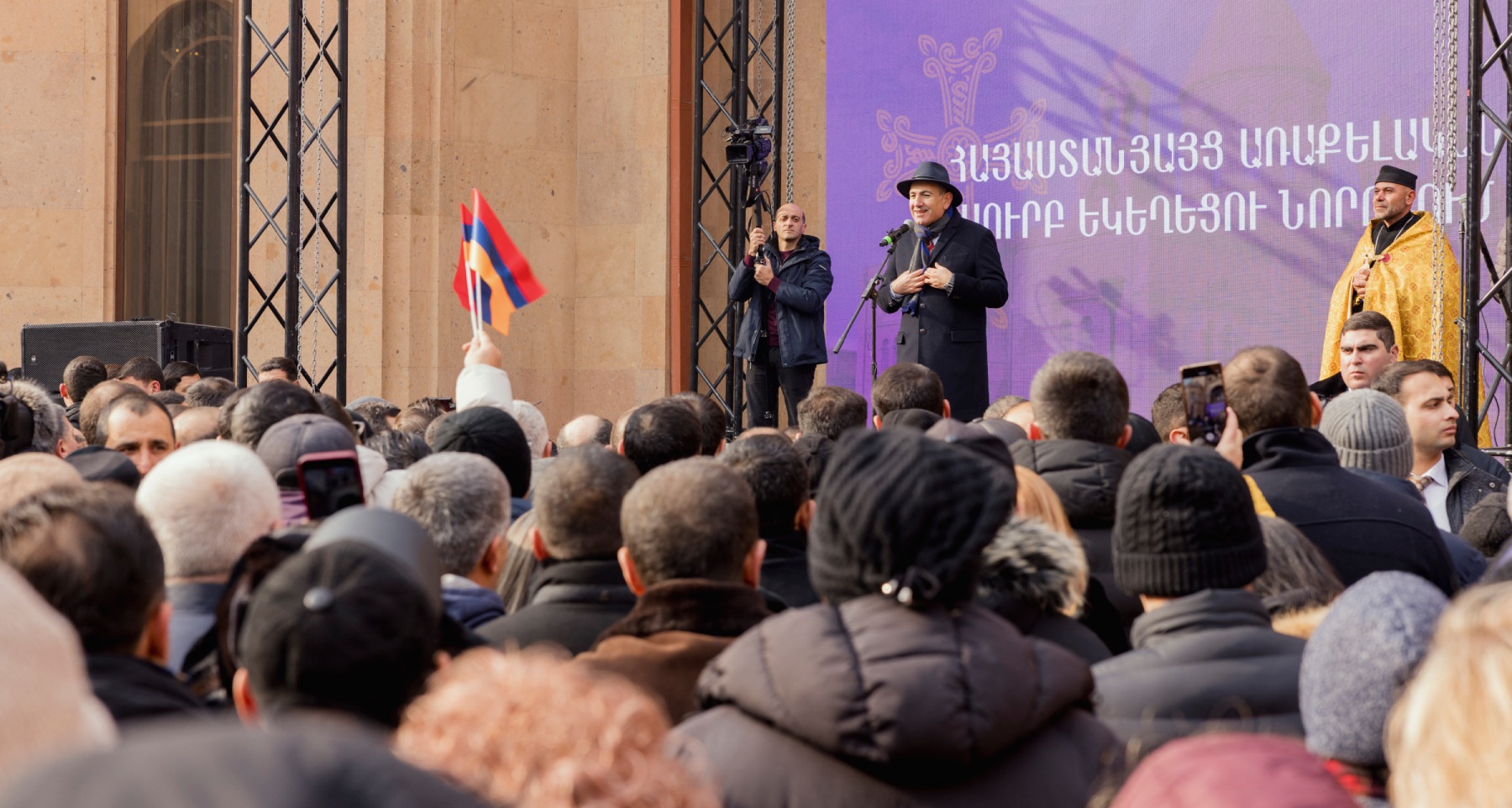
It’s true that many Armenians would vote for anyone just to be rid of Pashinyan, whom they blame for the loss of Nagorno-Karabakh, but the pro-Russia opposition is unlikely to be able to channel that frustration into an electoral victory.
Mikayel Zolyan
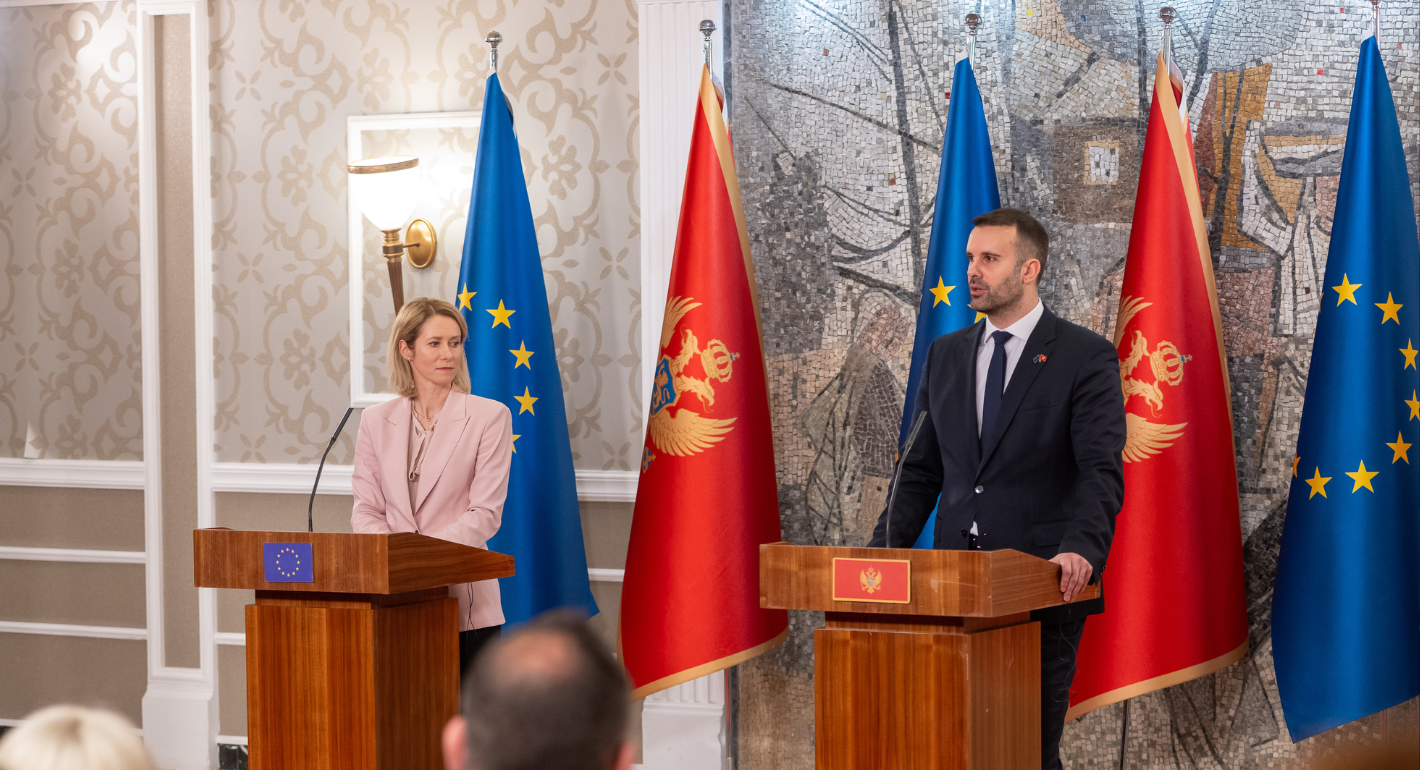
Montenegro and Albania are frontrunners for EU enlargement in the Western Balkans, but they can’t just sit back and wait. To meet their 2030 accession ambitions, they must make a strong positive case.


Dimitar Bechev, Iliriana Gjoni