

Commentary
Closer EU-UK ties could help address urgent European concerns. But is the EU ready for rapprochement with the United Kingdom?
Rym Momtaz, ed.
{
  "authors": [
    "Richard Sokolsky",
    "Aaron David Miller"
  ],
  "type": "legacyinthemedia",
  "centerAffiliationAll": "",
  "centers": [
    "Carnegie Endowment for International Peace"
  ],
  "collections": [
    "Iranian Proliferation"
  ],
  "englishNewsletterAll": "",
  "nonEnglishNewsletterAll": "",
  "primaryCenter": "Carnegie Endowment for International Peace",
  "programAffiliation": "",
  "programs": [],
  "projects": [],
  "regions": [
    "United States",
    "Iran"
  ],
  "topics": [
    "Foreign Policy",
    "Nuclear Policy"
  ]
}
Source: Getty
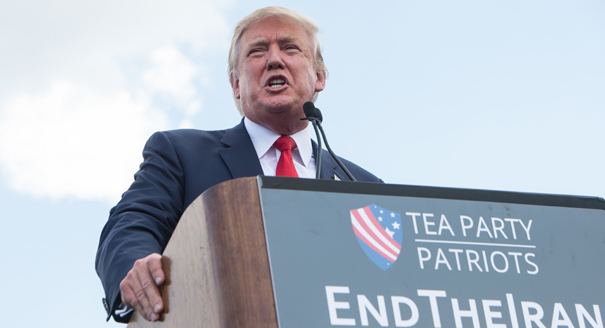
U.S. President Donald Trump’s speech on the Iran deal and Tehran’s activities in the region reflects a tough-minded approach with objectives that are at best unclear and likely unrealistic.
Source: CNN
President Donald Trump's speech on the Iran deal and Tehran's activities in the region reflects a tough-minded approach with objectives that are at best unclear and likely unrealistic.
He appears to want Congress to pass new deal-breaking terms that Iran will never accept, leverage the Europeans into joining, and force Iran through sanctioning the Iranian Revolutionary Guard and ratcheting up the pressure to accept a new accord. None of this is likely to happen. In effect, having opened up the certification process, the President has now guaranteed a new competitive and combustible phase in US-Iranian relations.
But Trump's real objective may be to goad Iran into walking away from the accord and thereby accepting the blame for its demise.
The President's decision not to certify that Iran is complying with the 2015 nuclear agreement is a departure according to the terms of the 2015 Iran Nuclear Review Act (INARA). But unless Congress imposes new sanctions related to nuclear issues, it will allow the administration to maintain a flawed but still functional nuclear agreement that allows the US to avoid responsibility for walking away from the accord for now.
Clearly, the President's national security team tried to find a way to keep the US in the deal and avoid provoking a crisis with its allies and Tehran, particularly at a time when the administration can't solve the North Korean nuclear challenge.
However, Trump did ratchet up the rhetoric against Iran's destabilizing activities in the region and pledged to counter them, particularly singling out the activities of the Iranian Revolutionary Guard Corps (IRGC). But as with so many Trump administration policies, the so-called strategy was long on words and short on actions and implementation plans. If the administration is determined to contain Iran more aggressively, let alone roll-back its influence, it better have the will and skill to do so. If the administration is not prepared, it may well find itself embroiled in messy, open-ended, and unwinnable conflicts with Iran, Russia and their proxies.
Friday's speech was an effort -- as with so many other initiatives in the Trump administration --- to develop a solution to a problem the United States does not have. Make no mistake, the Iran deal is flawed; and many of Iran's policies in the region are inimical to US interests. But the so-called new approach seems to follow a pattern set from the beginning of the Trump administration: policy driven largely by Trump's campaign commitments and the peculiarities of his own ego and persona.
We've seen this play out on the decisions to withdraw from the Trans-Pacific Partnership and the Paris climate change accord and on major immigration issues such as the wall and travel bans. It is questionable whether these initiatives were based on a sound and realistic conception of US national interests; to the contrary, they all seemed designed to satisfy the President's base, his own campaign commitments, and his preternatural desire to overturn his predecessor's signature domestic and foreign policy accomplishments. Indeed, at one point the President reportedly "threw a fit" asking his advisers why he should go along with the failed Obama policy on Iran.
If there is, the President didn't outline it in any detail.
Instead, beyond the symbolism of not certifying, the administration seems to want to kick the can to Congress and get it to do two things: first, to agree on new restrictions in the accord that Iran would have to accept in order to ensure continued adherence to the agreement from the US; and second, enact new or ramp up existing sanctions on issues outside of the accord, such as Iran's support for Hezbollah, terrorism, ballistic missile development and the IRGC.
Sens. Bob Corker and Tom Cotton are already preparing tougher legislation. How far Congress is prepared to go is not entirely clear, but it seems that neither Republicans nor Democrats want to kill the accord.
Iran is implacably opposed to re-opening the agreement, and the other negotiating partners of the US have also expressed their strong opposition. Tehran would also react very negatively to penalties for Iran's behavior outside the nuclear agreement. And if there were additional negotiations, Tehran would have demands of its own that the Trump administration would be unlikely to meet.
Bottom line: Without a more compelling and coherent Plan B, the logic of walking away from Plan A seems unwise and not well thought through. And Congress understands it.
As for toughening up US efforts to counter Iran in the region, we've seen this movie before. It has been almost nine months since former National Security Adviser Michael Flynn put Iran on notice over its objectionable behavior. And for the past several months, senior administration officials have talked publicly about the US taking a harder line on Iran's destabilizing behavior. So far, there has been a wide gap between the administration's pugnacious rhetoric on Iran and the absence of much tougher actions.
Rolling back Iranian influence throughout the Middle East will be easier said than done. The administration will turn up the heat on Iran in Lebanon, Yemen, and Bahrain and in the waters of the Persian Gulf -- areas where a more confrontational US posture poses relatively low risks. But US muscle flexing in Syria and Iraq against Iran and its proxies is more dangerous primarily because it could undermine the war against the Islamic State, trigger a broader US-Iranian military conflict that would doom the nuclear accord, and court confrontation with Russia in Syria. In short, the new strategy toward Iran is unlikely to have a transformative effect on Iranian behavior.
And we wonder whether the administration has the will and skill to follow it through.
The bottom line is that Trump's strategy is as clear as mud.
Having opened up the Pandora's box of decertification and injected urgency into the US-Iran equation all without a coherent plan, it's not entirely clear what will come out. Right now, nobody can say for sure.
But as the President never tires of saying, wait and see, we will find out soon enough, or not.

Nonresident Senior Fellow, Russia and Eurasia Program
Richard Sokolsky is a nonresident senior fellow in Carnegie’s Russia and Eurasia Program. His work focuses on U.S. policy toward Russia in the wake of the Ukraine crisis.

Senior Fellow, American Statecraft Program
Aaron David Miller is a senior fellow at the Carnegie Endowment for International Peace, focusing on U.S. foreign policy.
Carnegie does not take institutional positions on public policy issues; the views represented herein are those of the author(s) and do not necessarily reflect the views of Carnegie, its staff, or its trustees.
Closer EU-UK ties could help address urgent European concerns. But is the EU ready for rapprochement with the United Kingdom?

Rym Momtaz, ed.
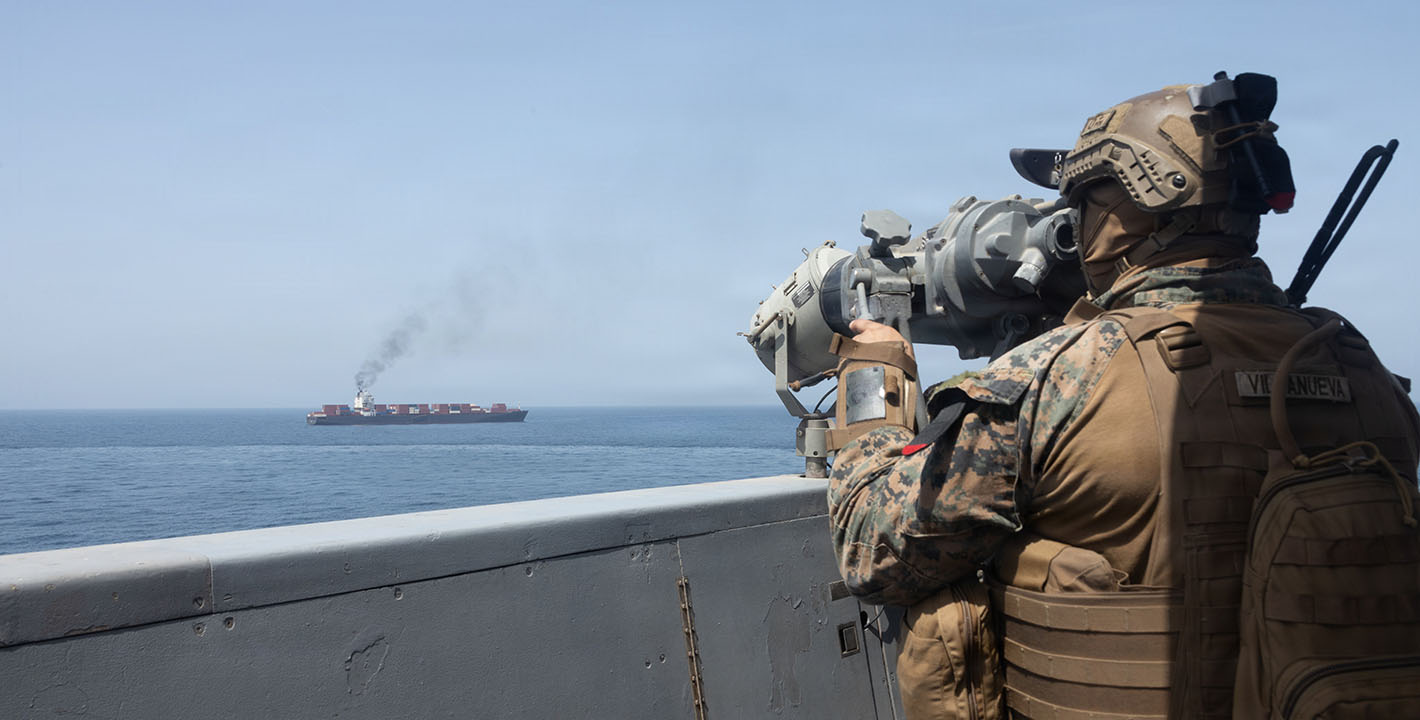
In an interview, Jim Lamson discusses the ongoing regional conflict and sees an unclear picture when it comes to winners and losers.

Michael Young
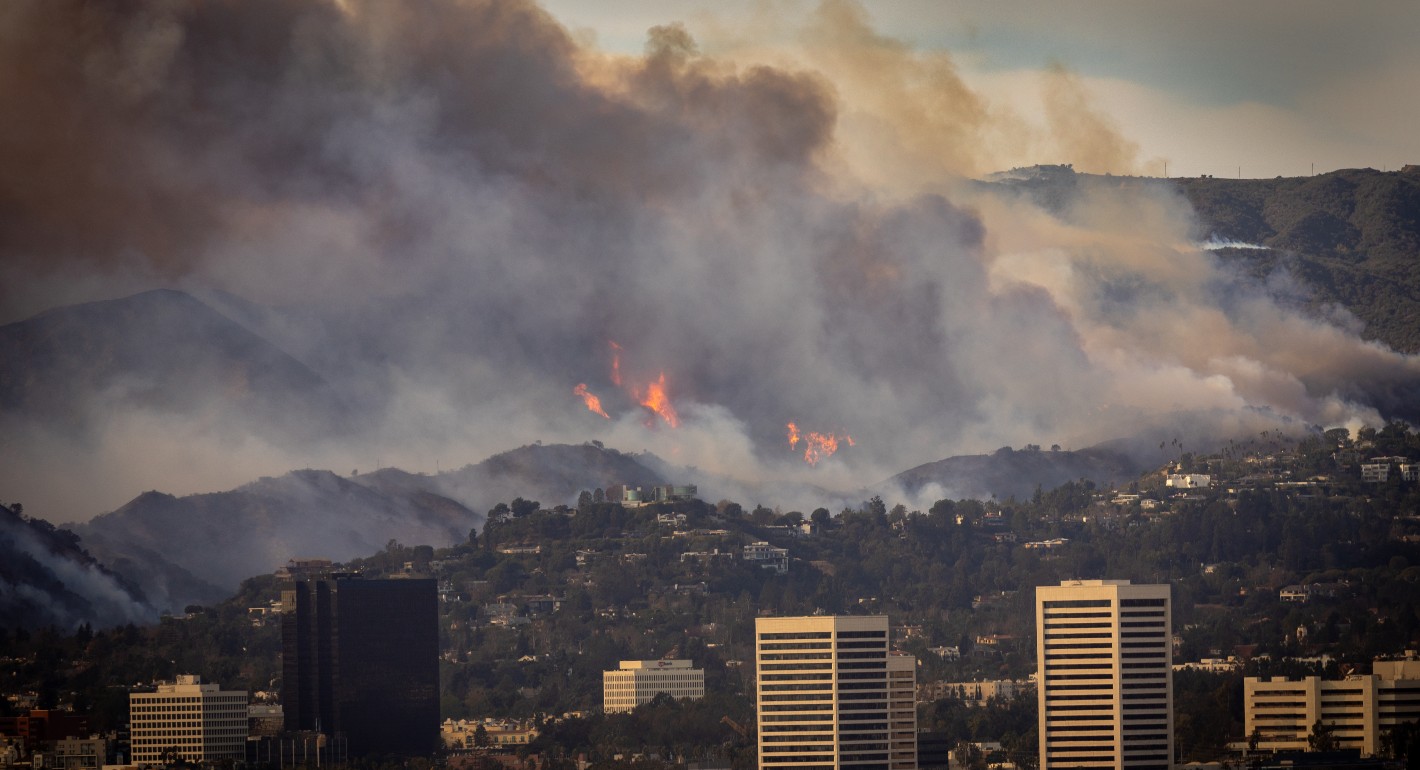
Our new report offers a path forward for local officials and future policymakers.



Joe McCannon, Jenny Keroack, Lauren Jensen, …
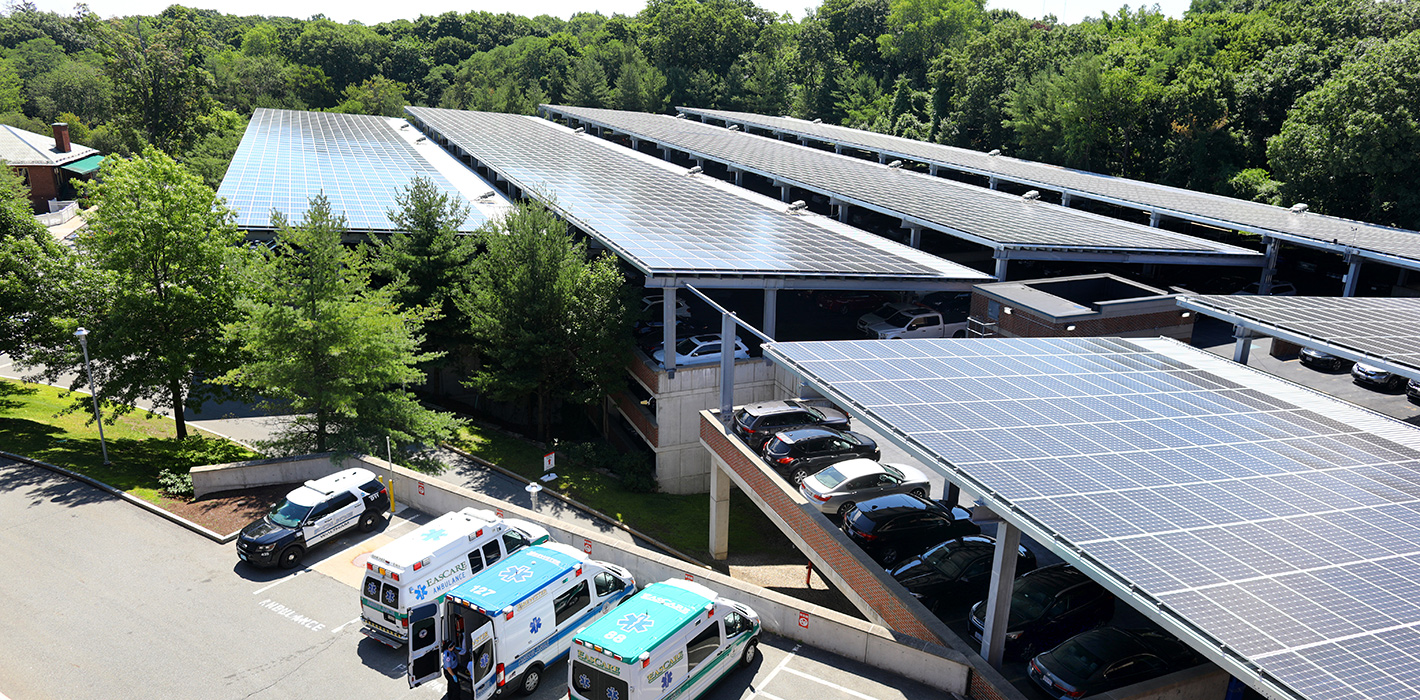
Present and future policymakers seeking to address climate-related health challenges can draw lessons from the successes and failures of the Biden administration.
Joe McCannon, Jenny Keroack, Lauren Jensen, …
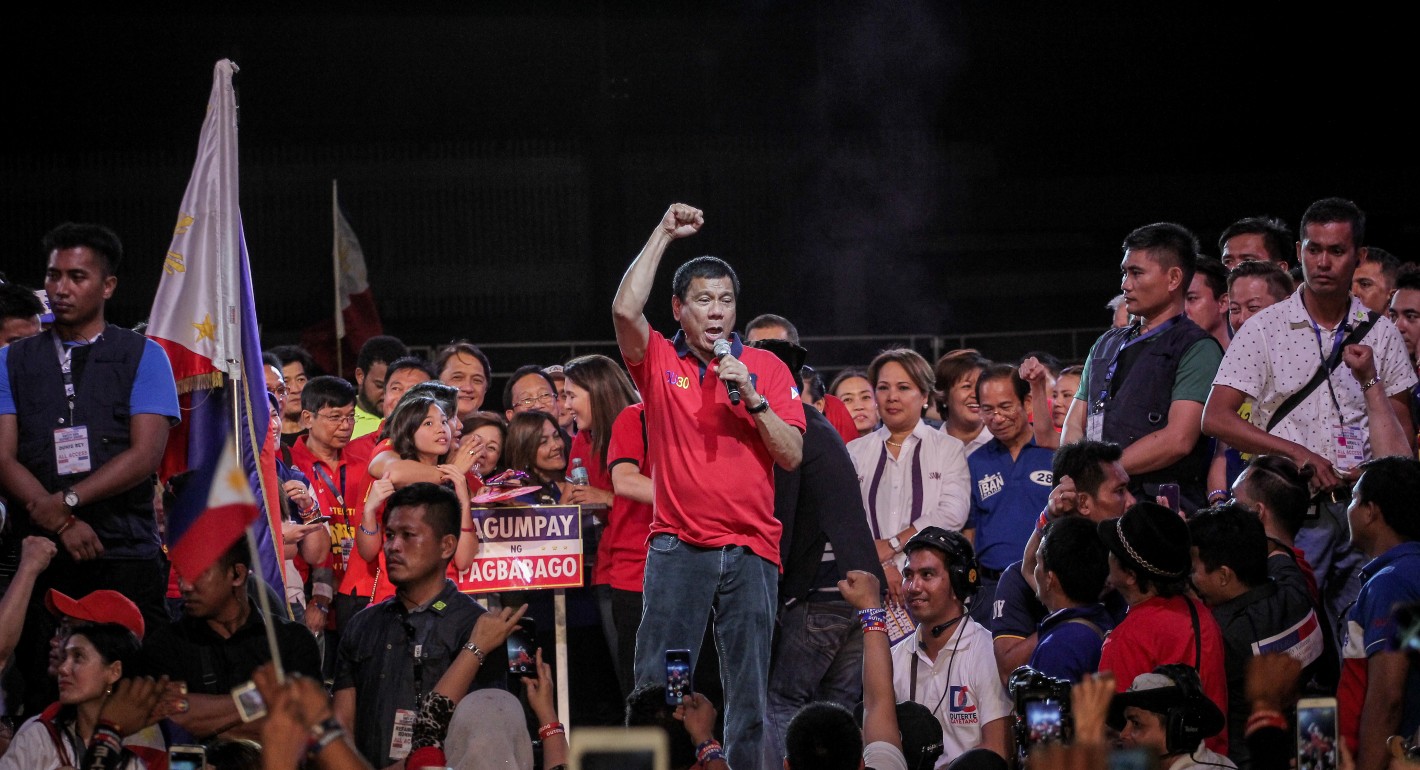
In the Philippines, Duterte-era discourse emphasizing sovereignty, anti-Western skepticism, and strongman diplomacy mirrors tenets of populist foreign policy around the world.
Aries A. Arugay