

Commentary
Europe has been standing by while its Southern neighborhood is being redrawn by force. To establish a path to peace between Israel and Lebanon, it’s time for Europeans to get involved with hard power.
Rym Momtaz
{
  "authors": [
    "Balázs Jarábik",
    "Dovilė Šukytė"
  ],
  "type": "legacyinthemedia",
  "centerAffiliationAll": "dc",
  "centers": [
    "Carnegie Endowment for International Peace",
    "Carnegie Europe"
  ],
  "collections": [
    "Europe’s Eastern Neighborhood"
  ],
  "englishNewsletterAll": "ctw",
  "nonEnglishNewsletterAll": "",
  "primaryCenter": "Carnegie Endowment for International Peace",
  "programAffiliation": "EP",
  "programs": [
    "Europe"
  ],
  "projects": [
    "Reforming Ukraine"
  ],
  "regions": [
    "Caucasus",
    "Azerbaijan",
    "Armenia",
    "Georgia",
    "Eastern Europe",
    "Ukraine",
    "Belarus",
    "Moldova",
    "Russia",
    "Europe",
    "Iran"
  ],
  "topics": [
    "Political Reform"
  ]
}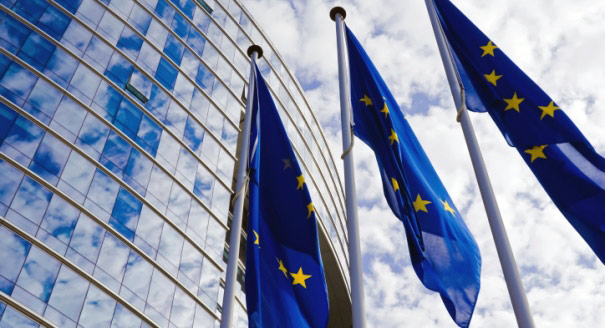
Source: Getty
Europe’s commitment to the Eastern Partnership region has been cemented by Russian aggression. Yet, for internal reasons, the EU is trying to avoid the costs linked to the countries’ integration.
Source: New Eastern Europe
Ahead of the 5th Eastern Partnership Summit, the EU is both weighing the success of engaging its six Eastern Partners – Armenia, Azerbaijan, Belarus, Georgia, Moldova and Ukraine – and responding to a push by some of them that it needs to provide yet another incentive for cooperation, namely an EU membership perspective. Partners’ main, evergreen argument is that in absence of such incentive, it will be impossible to maintain public support for pro-democratic and pro-European reforms.
Yet, the ratification of the Association Agreements with Georgia, Moldova and Ukraine is a serious affirmation of the EU’s soft power. The Union has attracted elites and mobilised societies despite the fact that these Agreements come neither with a membership promise nor with the kind of financial assistance that was given to the EU’s Central European member states.Still, few in the West realise just how profound the effect of the Agreements has been in a number of areas. First, having previously pursued multi-vector international relations, the three “Associated Partners” have all now aligned their priorities with those of the EU and other Western institutions.
Second, there is a continuous and strong public support for European integration in Ukraine and Georgia. Even Moldova’s public opinion has bounced back despite the country’s previous pro-EU governments’ poor governance, large-scale corruption and a pro-Russian challenger in current President Dodon. Pro-EU feelings have risen even in Azerbaijan, in Armenia and in Belarus, the two members of the Eurasian Economic Union, a Moscow-funded competitive integration project.
It would be misleading to assume that the Eastern Partnership policy alone has brought these results. The real game changer was Russia’s reaction to Ukraine’s EuroMaidan revolution. Moscow’s annexation of Crimea and the war in Donbas has consolidated support in the region for the EU, mainly in a hope for protection. This has, by extension, re-assured Brussels about its own policy line.
Yet, the essence of any effective policy is a continuous reflection on its implementation and flexibility. The associated partners are trying to push the EU for more concessions, while the EU for more reforms in the region. The EU’s policy in the Eastern Partnership region can achieve more only if Brussels and the EU member states, realising the policy implications as mentioned above, take more responsibility for the region.
The EU needs to take into account that reforms in the region, as shown by the best reformer – Georgia – require more time and more resources. The EU’s macro financial assistance, together with the International Monetary Fund (IMF), have been particularly effective in restoring macro financial stability in Ukraine, Moldova and Georgia. However, there is a growing realisation that the Deep and Comprehensive Free Trade Agreement (DCFTA), the most important and binding part of the Association Agreements, cannot trigger the necessary economic growth alone.
The EU’s current economic offer is not going to help them in the short-term. Although exports to the EU have risen in all three associated countries, only in Moldova the volume of EU-bound exports – at 63 per cent – can somewhat compensate the loss of the Russian trade (Moscow imposed an embargo of Moldova’s key export products: wines and spirits, in September 2013). For example, while Ukraine’s share of EU-bound exports increased from 25 per cent in 2012 to 37 per cent in 2016, this was mostly the result of a rupture of Kyiv’s trade ties with Russia.
Finally and most importantly, it is becoming obvious that the investment costs associated with the DCFTA implementation, such as modernisation of industries, were neglected when the DCFTAs were drafted. Quotas for each country’s exports to the EU were allocated under vastly different economic conditions. Since then, all three countries have suffered from an economic crisis and Ukraine has endured a costly war. But the EU has caught a special kind of a “Dutch disease”: after the 2016 Dutch referendum the EU and the Netherlands agreed that the association treaty with Ukraine does not guarantee any commitment to a potential EU membership, major financial assistance, the right to work in the EU, or military support.
The Eastern Partnership is now wandering in the trenches it has helped dig out since Russia pulled out the gun in Ukraine and profoundly changed the region’s security and economic situation. The EU’s customs-made update of the Eastern Partnership policy – such as the EU4Business, EU4Innovation, EU4Energy, EU4Digital or the EaP European School – means much less in the region’s transformed security and political context. The EU’s unity is strong enough to keep the sanctions on Russia in place, but it cracks the moment the reaffirmation of a European perspective for the Associated Partners is on the table – this despite the fact that the Agreements already contain such perspective.
Moldova, falling from a touted EU success story to a captured state in a few years, is a reminder that relations with the EU will ultimately be measured by social and economic progress in a given country. Internal political dynamics continues to undermine Brussels’ best policy intentions. Poverty and paternalism, particularly in rural areas, are the biggest enablers of state capture efforts in all Eastern Partnership countries – but Belarus. Although Minsk continues to struggle with human rights and democratic deficit, Alexander Lukashenka has the confidence not to attend the Summit in Brussels despite being invited for the first time.
Achievements remain fragile, while the stakes are high. The EU might be popular, but pro-EU forces at home are not. Rule of law is weak as ever, corruption is exacerbated by political impunity. The lingering feeling of injustice is best characterized that in the eve of the fourth anniversary of the beginning of EuroMaidan, the General Prosecutor Office of Ukraine halted all investigations of the Maidan shooting.
The EU should take credit for what has been achieved and more responsibility for the socio-economic foundation of the region it aims to stabilise. Instead of sticking to dogmas, reflection and flexibility should be the guiding principles. Some concessions for associated partners can be provided without significant costs, for example reviewing exporting quotas within the DCFTA. More flexibility within the financial support could foster economic modernisation.
Last but not least the EU should keep focusing on democratic standards and not only in Belarus. Russia`s real and perceived role should not be misused by the Eastern Partners, otherwise the policy will be lost in the trenches of the Eastern front.
Dovilė Šukytė is the acting director of the Eastern Europe Studies Center in Vilnius, Lithuania.

Political analyst, former Slovak diplomat, and consultant specializing in Eastern Europe
Dovilė Šukytė
Carnegie does not take institutional positions on public policy issues; the views represented herein are those of the author(s) and do not necessarily reflect the views of Carnegie, its staff, or its trustees.
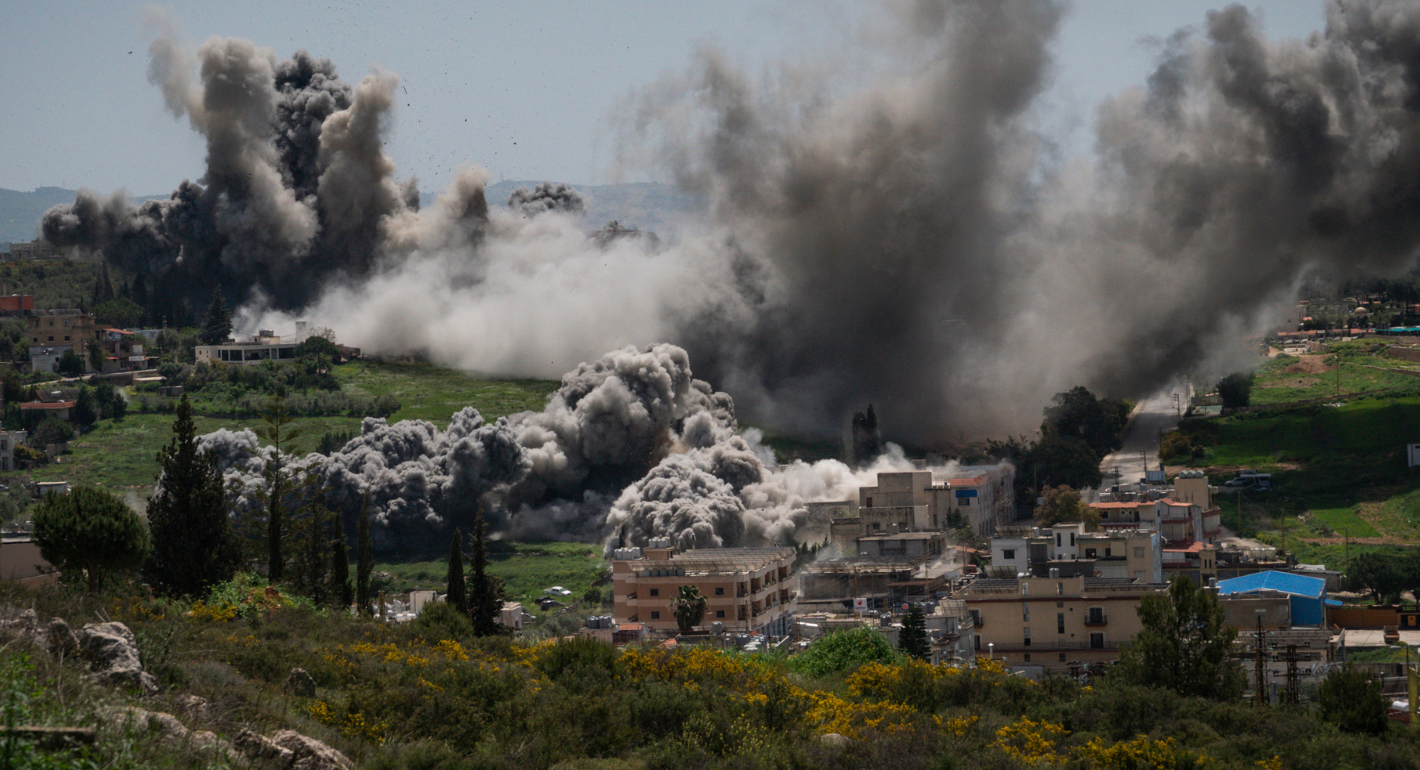
Europe has been standing by while its Southern neighborhood is being redrawn by force. To establish a path to peace between Israel and Lebanon, it’s time for Europeans to get involved with hard power.

Rym Momtaz
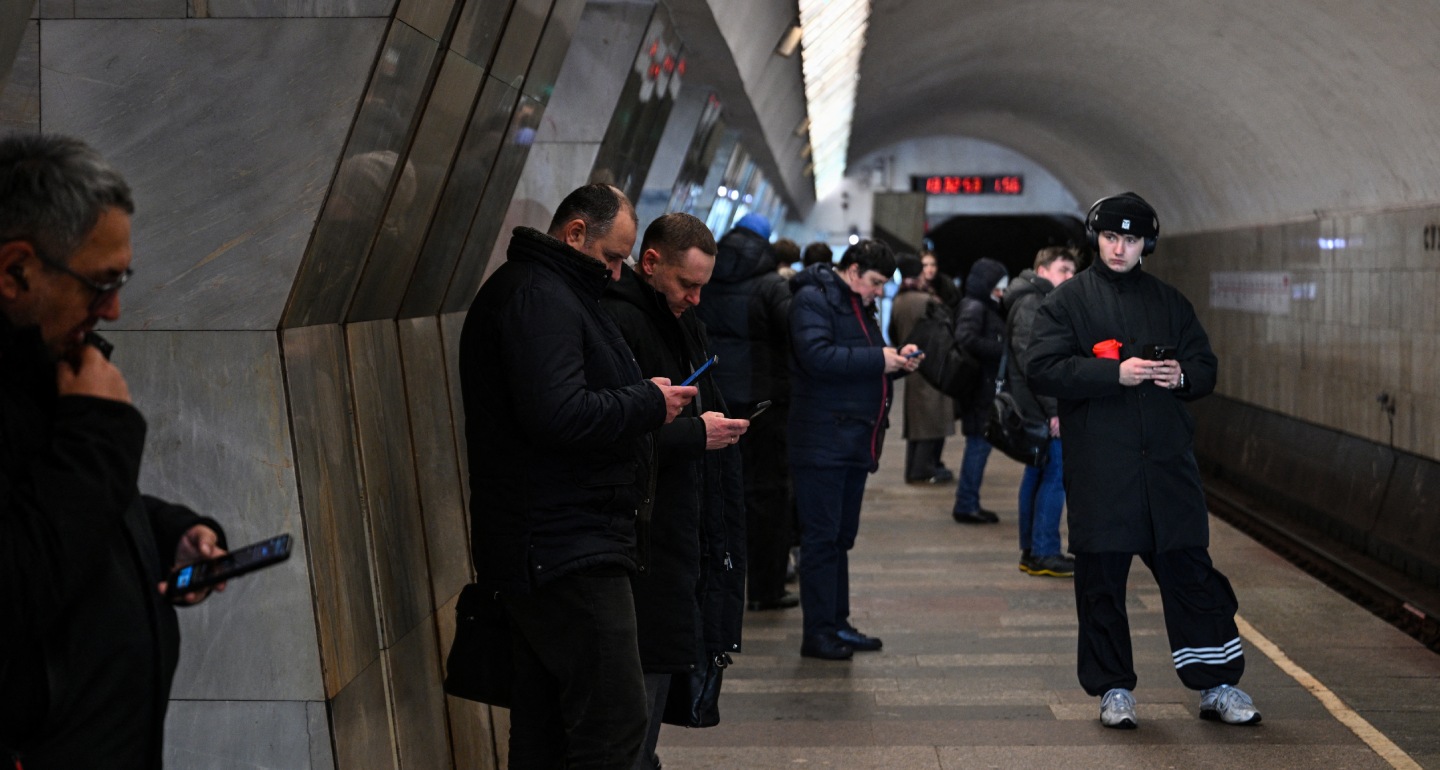
After four years of war, there is no one who can stand up to the security establishment, and President Vladimir Putin is increasingly passive.

Tatiana Stanovaya
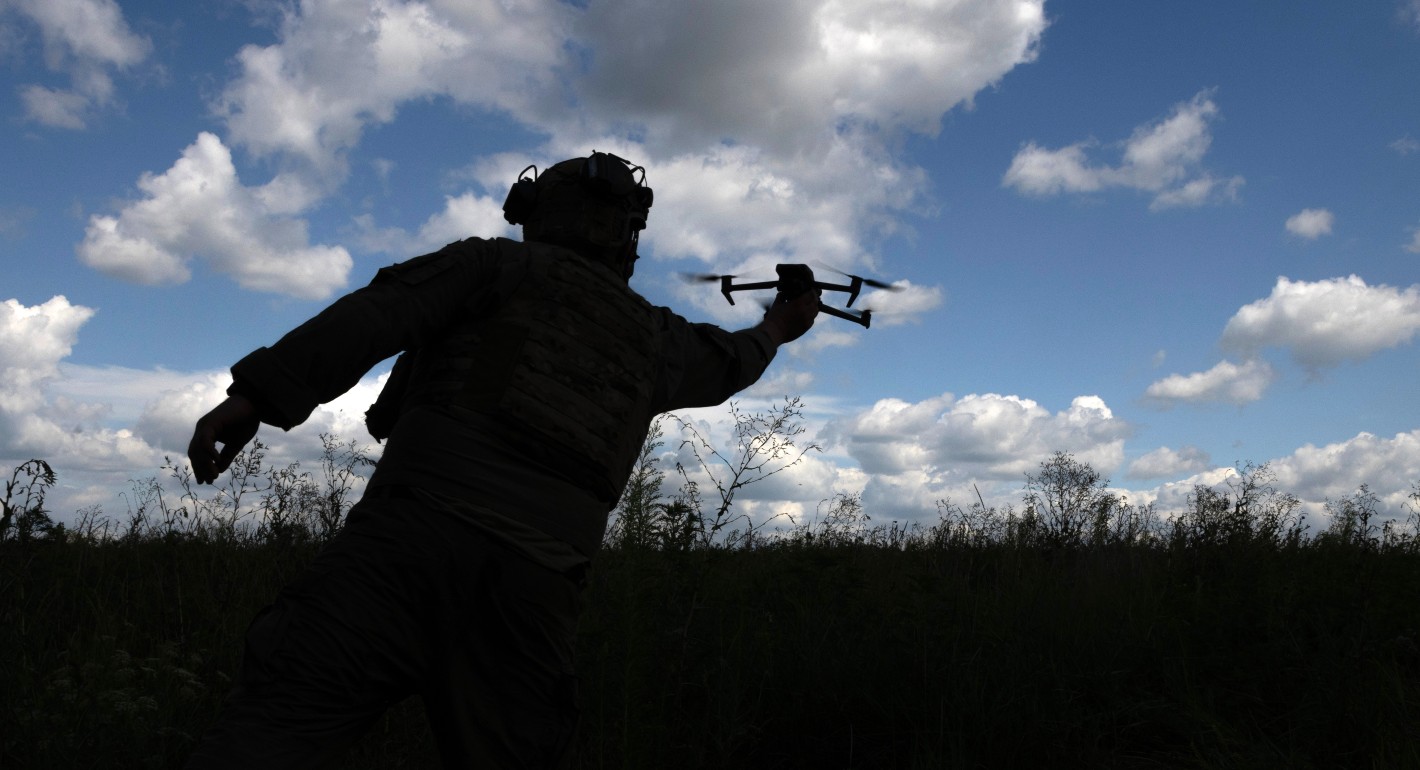
How Ukraine is driving doctrinal change in modern warfare.

Andriy Zagorodnyuk
Although Ukrainian strikes have led to a noticeable decline in the physical volume of Russian oil exports, the rise in prices has more than made up for it.

Sergey Vakulenko
The Russian leadership wants to avoid a dangerous precedent in which it is squeezed out of Iran by the United States and Israel—and left powerless to respond in any meaningful way.

Nikita Smagin