

Commentary
Why Pakistan, Saudi Arabia, and Turkey are joining forces on regional security.
Alper Coşkun, Amr Hamzawy
{
  "authors": [
    "Tim Maurer",
    "Wyatt Hoffman"
  ],
  "type": "other",
  "centerAffiliationAll": "dc",
  "centers": [
    "Carnegie Endowment for International Peace"
  ],
  "collections": [
    "Cyber and Digital Policy"
  ],
  "englishNewsletterAll": "ctw",
  "nonEnglishNewsletterAll": "",
  "primaryCenter": "Carnegie Endowment for International Peace",
  "programAffiliation": "TIA",
  "programs": [
    "Technology and International Affairs"
  ],
  "projects": [],
  "regions": [
    "Iran"
  ],
  "topics": [
    "Security",
    "Technology"
  ]
}
Source: Getty
A look at the emerging and expanding gaps in the governance of private cybersecurity companies and activities and the ways forward and policy options for governments.
Source: Geneva Centre for Security Sector Governance
This paper seeks to identify the emerging and expanding gaps in the governance of private cybersecurity companies and activities and to explore ways forward and policy options for governments. First, it explores the characteristics of typical cyber operations and challenges related to their conduct by private actors. Thereafter, it addresses the governance challenges around cybersecurity and three main departure points for regulation: the fact that geographic scope does not limit cybersecurity companies, that cyber operations can slide from defensive to offensive very quickly; and that cybersecurity services are often exported for the purpose of (or with the knowledge they will be) violating human rights. This section will also integrate perspectives of international law. Finally, the paper lays out suggestions for policy options in relation to international law and existing international normative frameworks. In conclusion, the paper offers a framework and way forward as food for thought in order to address cybersecurity operations in relation to PMSCs.
This analysis was originally published by the Geneva Centre for Security Sector Governance.

Former Senior Fellow, Technology and International Affairs Program
Dr. Tim Maurer was a senior fellow in Carnegie’s Technology and International Affairs program.
Former Senior Research Analyst, Cyber Policy Initiative
Wyatt Hoffman was a senior research analyst with the Nuclear Policy Program and the Cyber Policy Initiative at the Carnegie Endowment for International Peace.
Carnegie does not take institutional positions on public policy issues; the views represented herein are those of the author(s) and do not necessarily reflect the views of Carnegie, its staff, or its trustees.
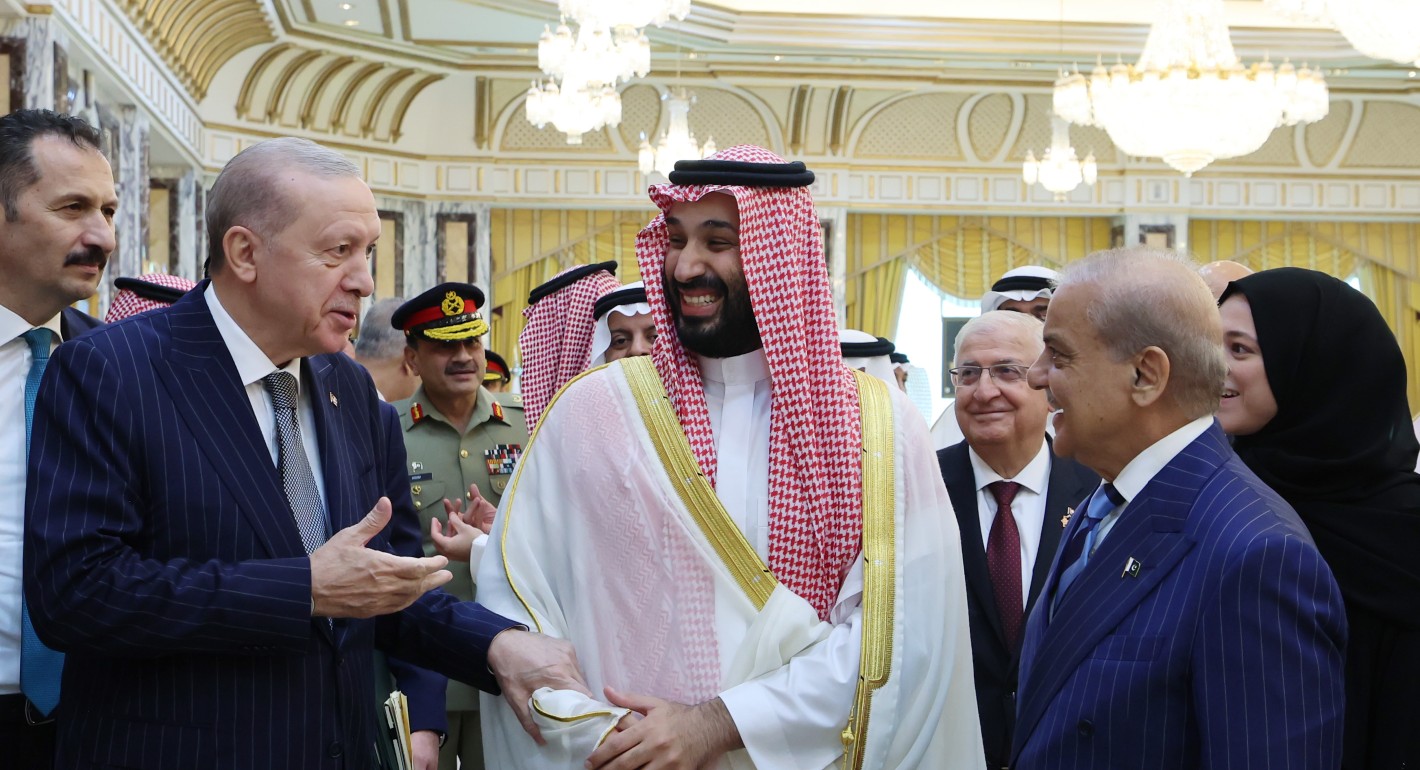
Why Pakistan, Saudi Arabia, and Turkey are joining forces on regional security.


Alper Coşkun, Amr Hamzawy

Scholars and policymakers increasingly use ecological metaphors such as “information environment” and “information ecosystem” to describe contemporary informational spaces. Ecology offers more than loanwords. Its concepts and frameworks can help researchers understand relationships among people, technology, content, and society.



Alicia Wanless, Claire Wardle, David Scales

The truth of the strategic situation is that Europe and Russia are extremely unlikely to be able to “turn the page” on their confrontation within the next two decades.

Arkady Moshes

Protests in Iran follow a similar pattern: Economic grievances turn into political protests that spread nationwide. But increased state repression has begun to shift the arrangement.

Eric Lob

Despite public disputes over trade and immigration, the strategic partnership’s foundations remain sturdy.

Sameer Lalwani