Article
Erik Brattberg, David Whineray
{
  "authors": [
    "David Whineray"
  ],
  "type": "commentary",
  "centerAffiliationAll": "dc",
  "centers": [
    "Carnegie Endowment for International Peace"
  ],
  "collections": [],
  "englishNewsletterAll": "ctw",
  "nonEnglishNewsletterAll": "",
  "primaryCenter": "Carnegie Endowment for International Peace",
  "programAffiliation": "EP",
  "programs": [
    "Europe"
  ],
  "projects": [],
  "regions": [
    "Western Europe",
    "United Kingdom",
    "Iran"
  ],
  "topics": [
    "Political Reform",
    "Foreign Policy"
  ]
}
Source: Getty
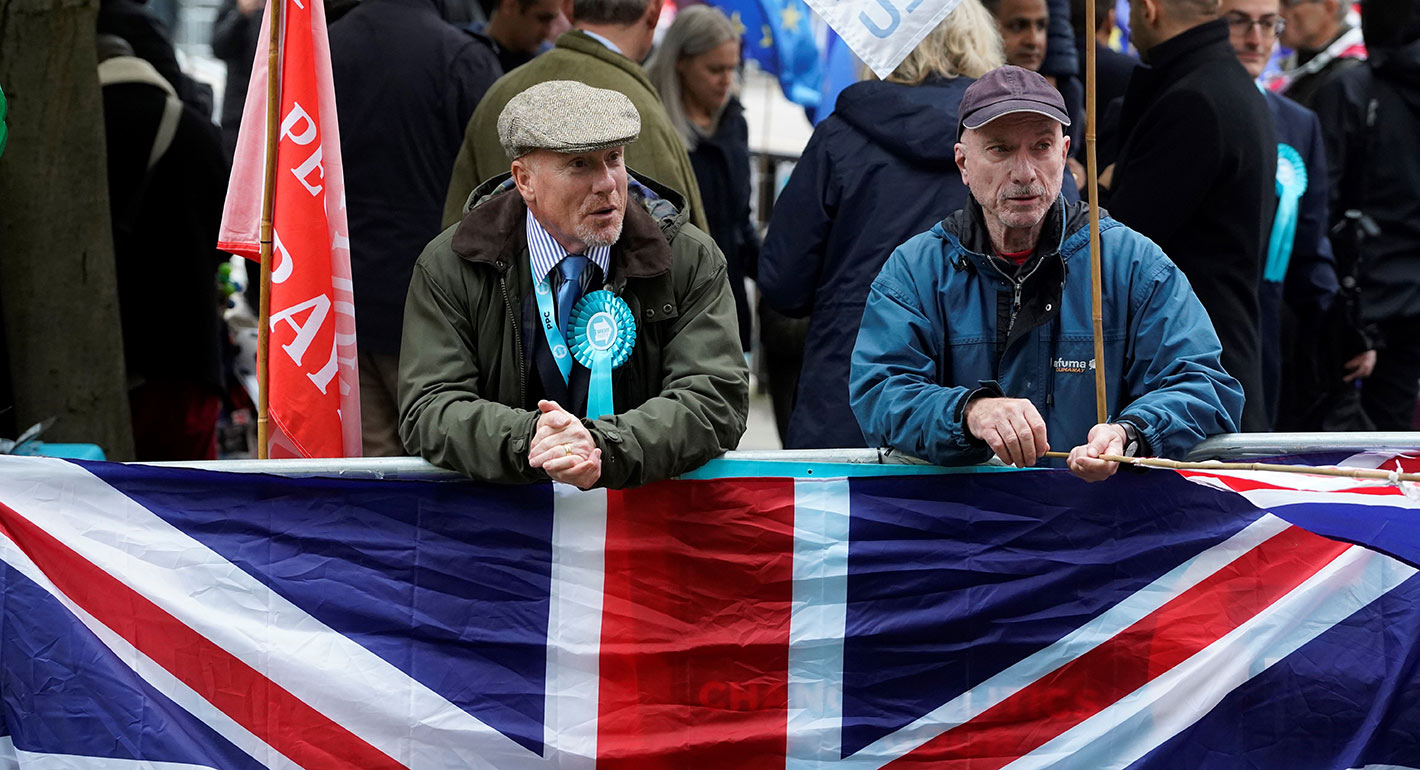
The Brexit endgame is approaching. The UK has put forward new proposals and says it will leave the EU by the end of October. EU heads of government will meet later this week, as teams from the EU and the UK hold intensive negotiations. What might happen next?
In short, there are five broad scenarios for where the Brexit negotiations could end up this month. Some are more likely than others. But as of today all are currently possible. Here they are—along with the arguments typically given in support of, and against, each scenario being realized:
The first scenario is that the UK and EU reach a deal because the EU accepts many of the UK’s new proposals.
The argument made in support of this scenario is that the EU, including Ireland (which arguably will be most impacted by Brexit given its land border with the UK), wants to avoid the costs of an alternative no-deal Brexit, and so will show new flexibility.
The argument given against this scenario is that considerations around the Irish peace process and the integrity of the EU single market mean the EU does not have flexibility to move much toward the UK.
The second scenario is that the UK and the EU agree a deal after the UK shows some new flexibility in its position.
The argument made in support of this scenario is that—if the EU position is firm—the UK will compromise because it does not want to run the costs of a no-deal exit or extend the Article 50 divorce process.
The argument given against this scenario is that the UK has previously made clear its opposition to the ‘backstop’ customs provision in the current withdrawal agreement and to any deal that would undermine the economic integrity of the UK.
The third scenario is that the EU and UK cannot reach an agreement and so the UK leaves at the end of October with no deal.
The argument made in support of this scenario is that the UK government has committed to leaving the EU at the end of October and so, if a deal is not agreed, it will leave with no deal.
The argument given against this scenario is that the British parliament has passed a law (the “Benn Act”) requiring the UK government to continue negotiations with the EU—by extending Article 50—if a deal is not reached this month, making a no-deal Brexit unlawful.
Scenario four is that the UK and EU fail to reach a deal, and the Benn Act means the UK asks the EU for an extension to Article 50, but the EU refuses.
The argument made in support of this scenario is that—with an extension having to be agreed by all twenty-seven EU member states—one or more blocks the agreement, because they want to bring the withdrawal process to a close and prevent Brexit impacting other EU business.
The argument against this scenario is that the EU would ideally like a deal, and wouldn’t insist on no deal against the wishes of the UK, which would make Brussels responsible for any costs of a no-deal Brexit.
The final scenario is that the EU agrees to a UK request for an extension. The UK and EU would need to agree the length of the extension. This would probably either be short—for example, to the start of 2020—or longer—for example, to mid-to-late 2020.
The argument made in support of this scenario is that the EU has indicated openness to a further extension to avoid a no-deal Brexit, especially if the extension allowed time for a change in the current negotiation dynamics. It has been widely speculated in the UK media that a request to extend Article 50 could see a UK general election held.
The argument given against this scenario is that the UK government has been clear that it will leave the EU at the end of October.
Former Nonresident Fellow, Europe Program
David Whineray was a nonresident fellow in the Europe Program at the Carnegie Endowment for International Peace in Washington, DC.
Recent Work

Erik Brattberg, David Whineray
David Whineray
Carnegie does not take institutional positions on public policy issues; the views represented herein are those of the author(s) and do not necessarily reflect the views of Carnegie, its staff, or its trustees.
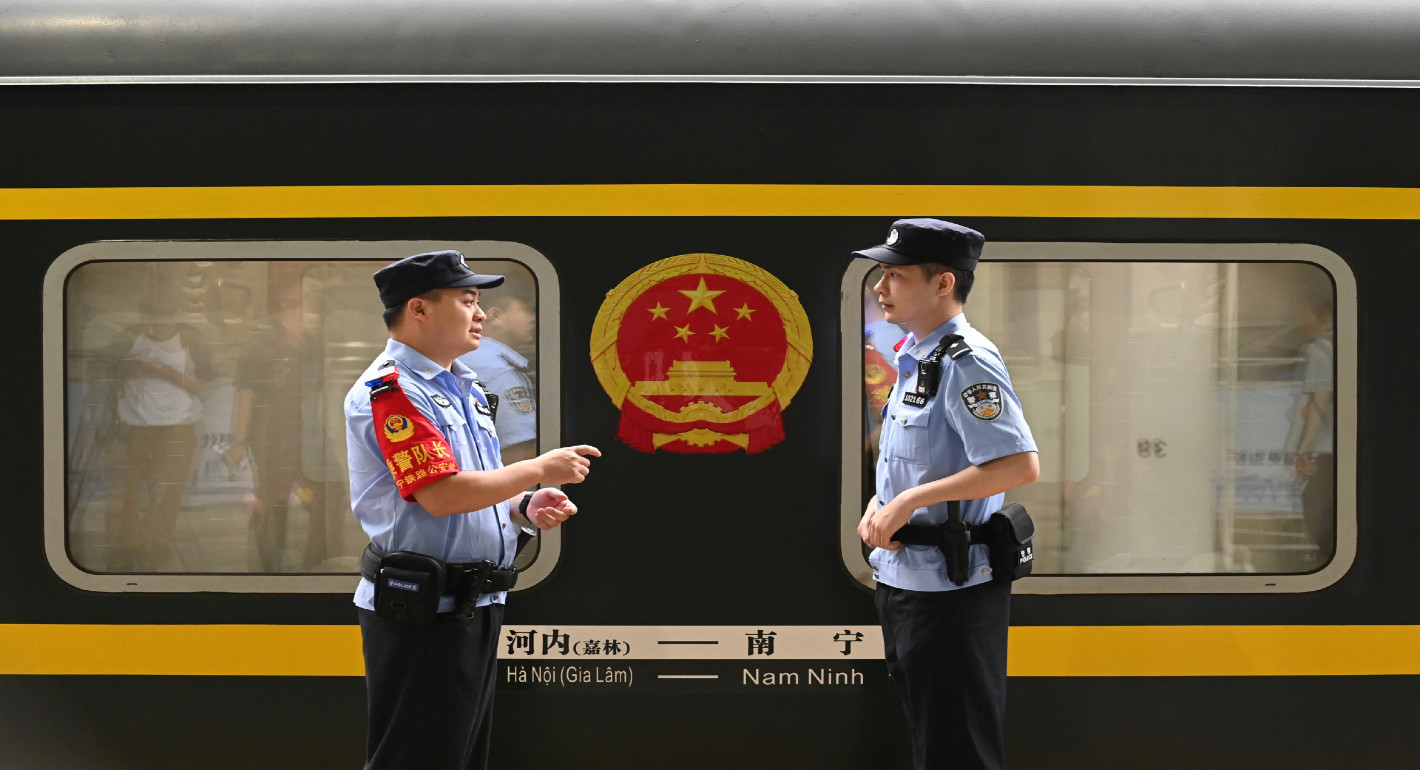
Despite long-standing differences, China and Vietnam are reinforcing common ground for collaboration, especially in public security. This internal security–centered diplomacy offers a strengthened road map for how China moves forward with Southeast Asia.
Sophie Zhuang

Climate mobility interventions can vary, but they all present opportunities to unlock transformative results that mitigate costs associated with inaction.

Alejandro Martin Rodriguez

Four Middle East experts analyze the region’s reactions and next steps.



Amr Hamzawy, Andrew Leber, Eric Lob, …
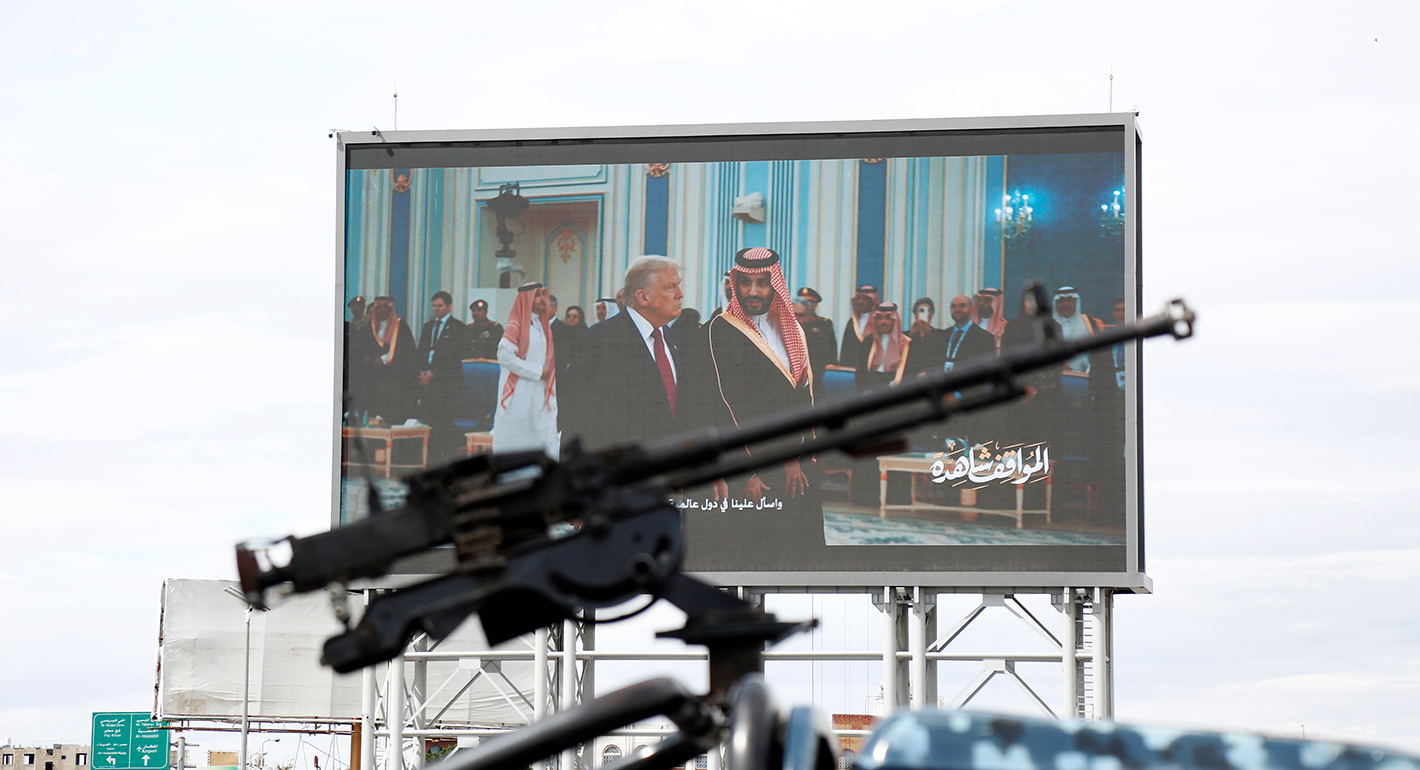
As the war between the United States, Israel, and Iran continues, Carnegie scholars contribute cutting-edge analysis on the events of the war and their wide-reaching implications. From the impact on Iran and its immediate neighbors to the responses from Gulf states to fuel and fertilizer shortages caused by the effective shutdown of the Strait of Hormuz, the war is reshaping Middle East alliances and creating shockwaves around the world. Carnegie experts analyze it all.
The return of war as the organizing factor in Middle Eastern politics has predictable consequences: governments are prioritizing regime stability and becoming averse to political and social reform.

Sarah Yerkes, Amr Hamzawy