Research
- +11
Frances Z. Brown, Nate Reynolds, Priyal Singh, …
{
  "authors": [
    "Frederic Wehrey"
  ],
  "type": "legacyinthemedia",
  "centerAffiliationAll": "dc",
  "centers": [
    "Carnegie Endowment for International Peace",
    "Malcolm H. Kerr Carnegie Middle East Center"
  ],
  "collections": [
    "Civil-Military Relations in Arab States"
  ],
  "englishNewsletterAll": "menaTransitions",
  "nonEnglishNewsletterAll": "",
  "primaryCenter": "Malcolm H. Kerr Carnegie Middle East Center",
  "programAffiliation": "MEP",
  "programs": [
    "Middle East"
  ],
  "projects": [],
  "regions": [
    "North Africa",
    "Tunisia",
    "Maghreb"
  ],
  "topics": [
    "Political Reform",
    "Security",
    "Military"
  ]
}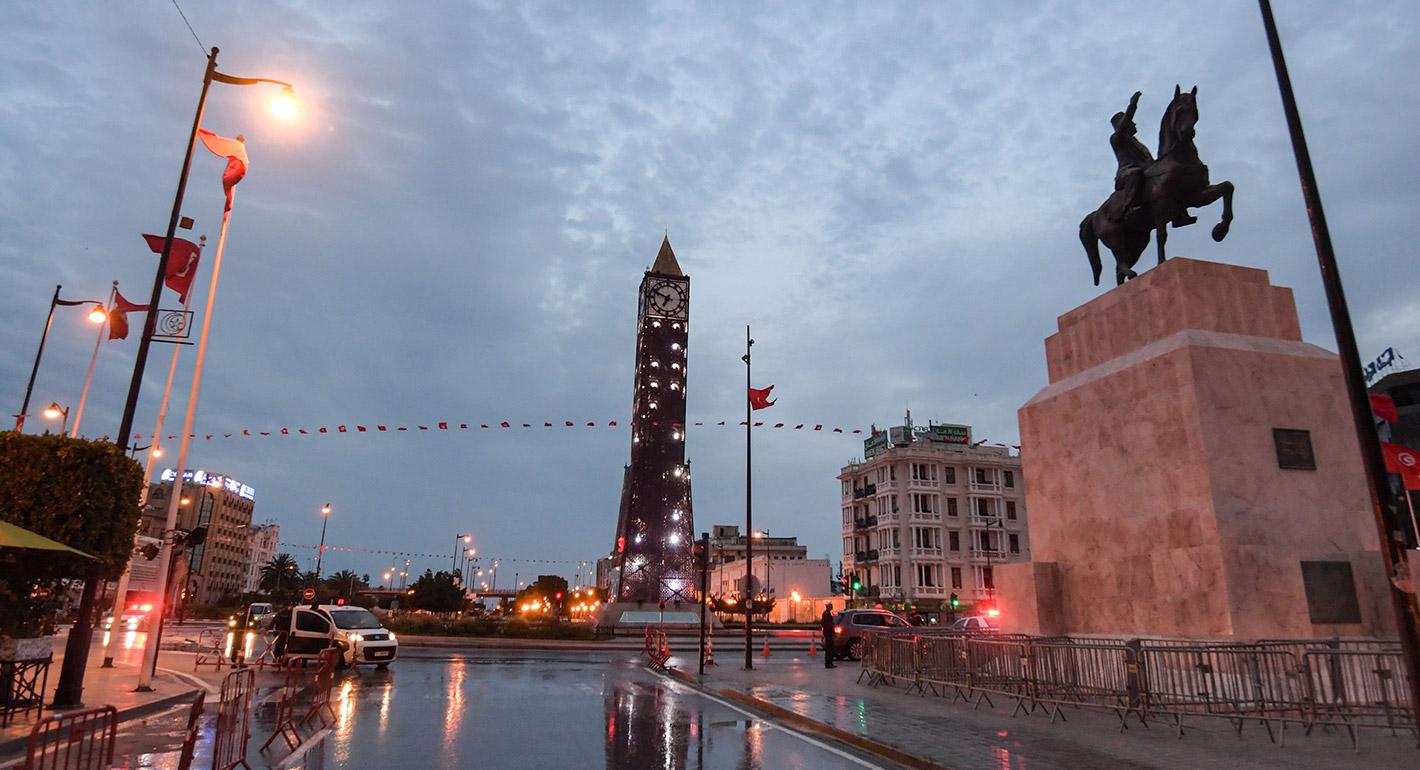
Source: Getty
So far, the Tunisian military’s rapid response to the public health crisis in support of the elected government has been laudable. But there may be darker economic clouds on the horizon affecting the armed forces’ readiness and relations with the government.
Source: War on the Rocks
A military helicopter soars over the urban landscape, its crew scanning the city below through a cockpit video camera. They’re looking not for the enemy, but rather for their fellow citizens —crowds of them, illegally gathering in contravention of the government’s edicts on social distancing to prevent the spread of COVID-19. Sometimes they relay the coordinates of violators to ground patrols. And sometimes, as shown in one widely viewed video of a soccer match, they swoop in directly to break up the gaggle.
These flights are part of a broader mobilization of the Tunisian armed forces that, along with a range of other public health measures, have enabled this struggling Arab democracy to ride out the pandemic — so far — with relatively few cases and deaths. By the accounts of foreign observers and Tunisians alike, this military mobilization has mostly been greeted with popular support. There has been no evidence that the Tunisian military is trying to overstep its legal mandate or assert any national security prerogatives, like demanding that its members have priority in receiving protective equipment or other virus-related aid. Unlike militaries in some Arab autocracies, the Tunisian armed forces do not own commercial businesses or industries on any significant scale, for which they might be tempted to request special exemptions from government-directed restrictions...

Senior Fellow, Middle East Program
Frederic Wehrey is a senior fellow in the Middle East Program at the Carnegie Endowment for International Peace, where his research focuses on governance, conflict, and security in Libya, North Africa, and the Persian Gulf.
Recent Work

Frances Z. Brown, Nate Reynolds, Priyal Singh, …
Charles H. Johnson, Frederic Wehrey
Carnegie does not take institutional positions on public policy issues; the views represented herein are those of the author(s) and do not necessarily reflect the views of Carnegie, its staff, or its trustees.
As the war between the United States, Israel, and Iran continues, Carnegie scholars contribute cutting-edge analysis on the events of the war and their wide-reaching implications. From the impact on Iran and its immediate neighbors to the responses from Gulf states to fuel and fertilizer shortages caused by the effective shutdown of the Strait of Hormuz, the war is reshaping Middle East alliances and creating shockwaves around the world. Carnegie experts analyze it all.
The return of war as the organizing factor in Middle Eastern politics has predictable consequences: governments are prioritizing regime stability and becoming averse to political and social reform.


Sarah Yerkes, Amr Hamzawy
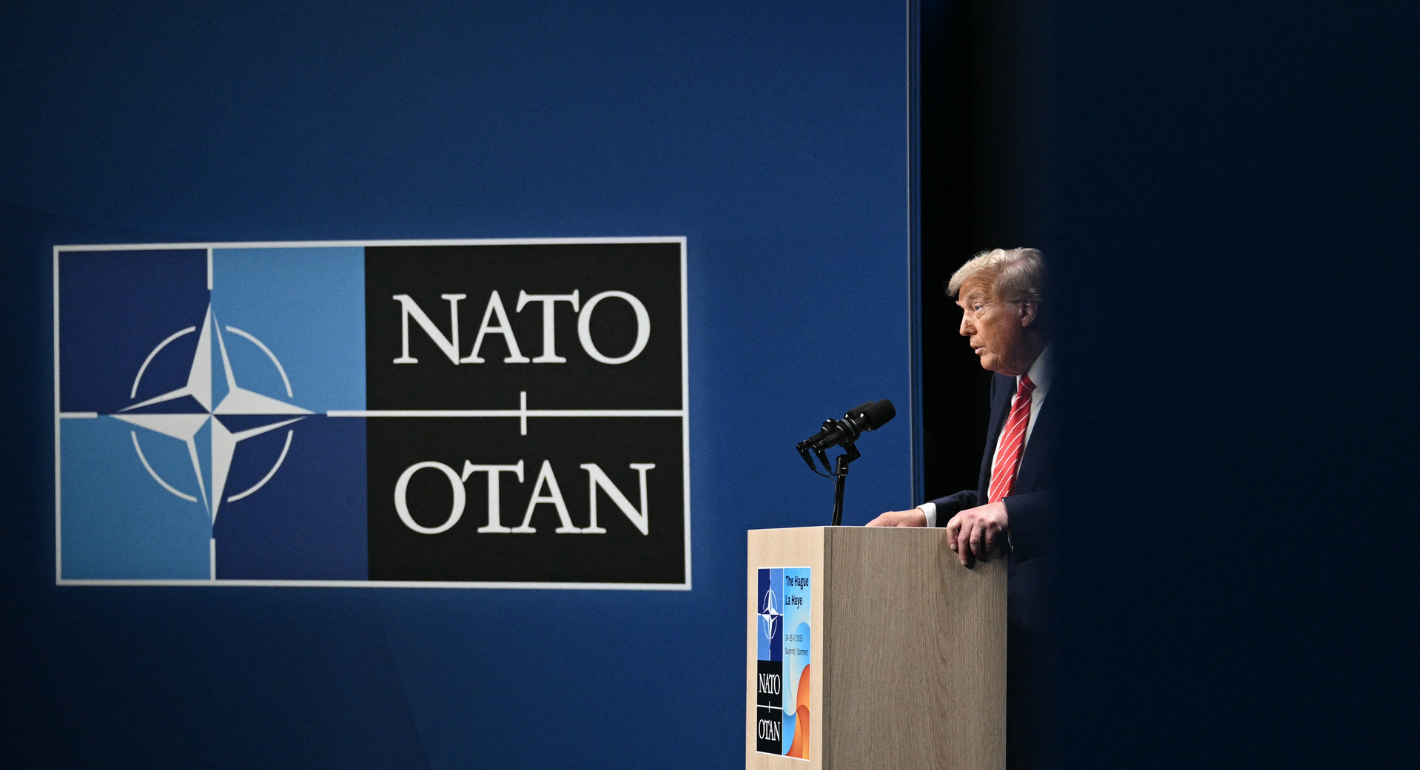
Donald Trump has repeatedly bashed NATO and European allies, threatening to annex Canada and Greenland and deploring their lack of enthusiasm for his war of choice in Iran. Is this latest round of abuse the final straw?

Rym Momtaz, ed.
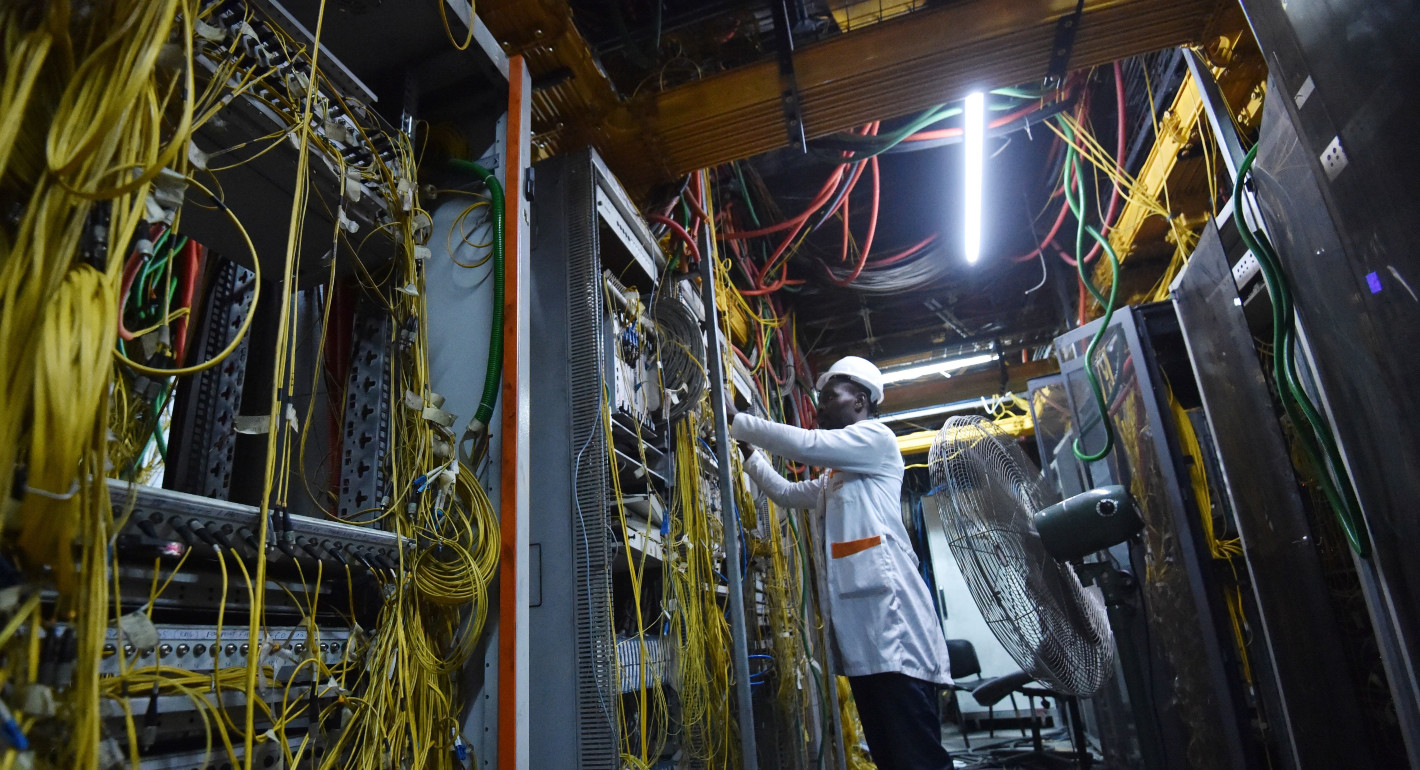
The Africa Technology Policy Tracker reveals policymakers’ priorities for the continent’s digital transformation.
Jane Munga
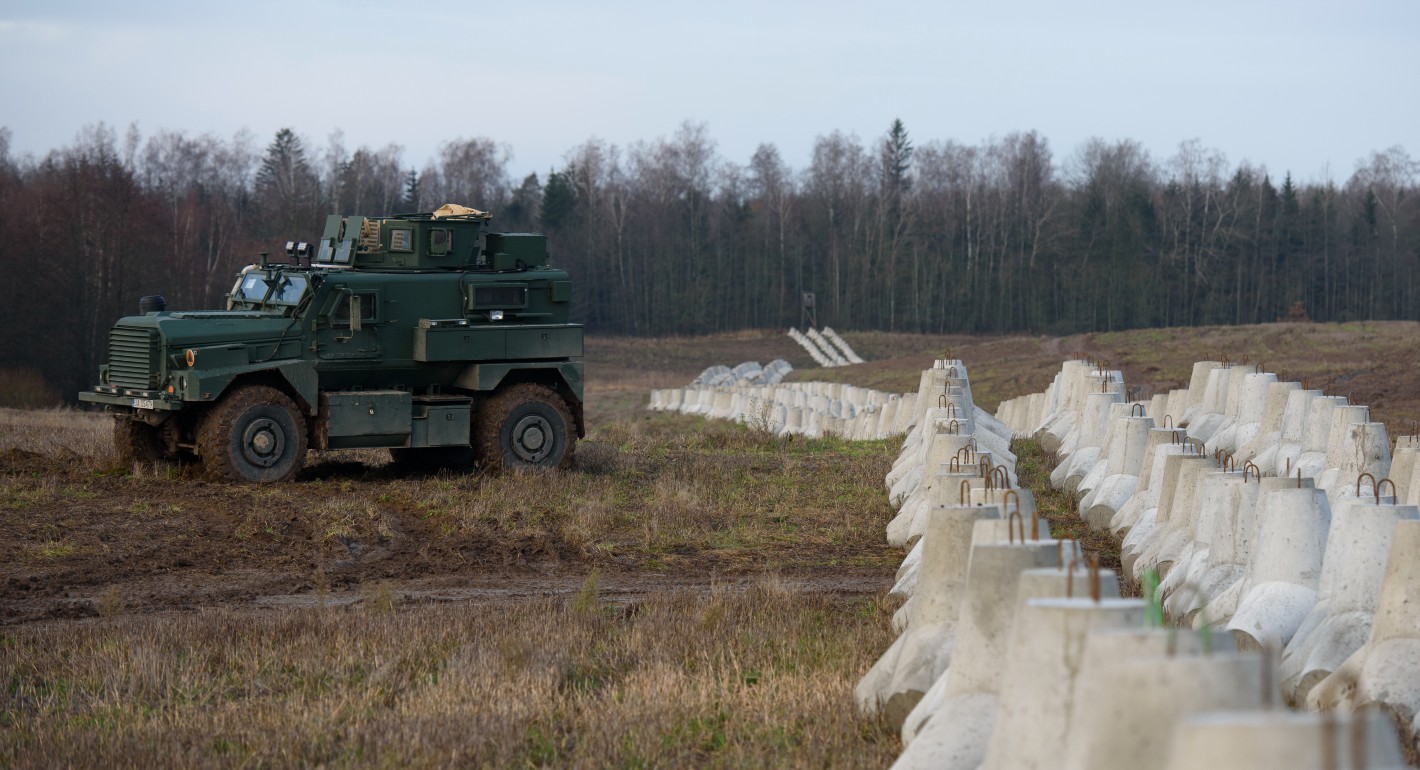
Putin’s blunder has created new and enduring security challenges for Russia and Europe.
Eugene Rumer