

Other
Maksim Samorukov
{
  "authors": [
    "Maksim Samorukov"
  ],
  "type": "legacyinthemedia",
  "centerAffiliationAll": "",
  "centers": [
    "Carnegie Endowment for International Peace",
    "Carnegie Russia Eurasia Center"
  ],
  "collections": [],
  "englishNewsletterAll": "",
  "nonEnglishNewsletterAll": "",
  "primaryCenter": "Carnegie Endowment for International Peace",
  "programAffiliation": "",
  "programs": [],
  "projects": [],
  "regions": [
    "Eastern Europe",
    "Belarus"
  ],
  "topics": [
    "Political Reform"
  ]
}
Source: Getty
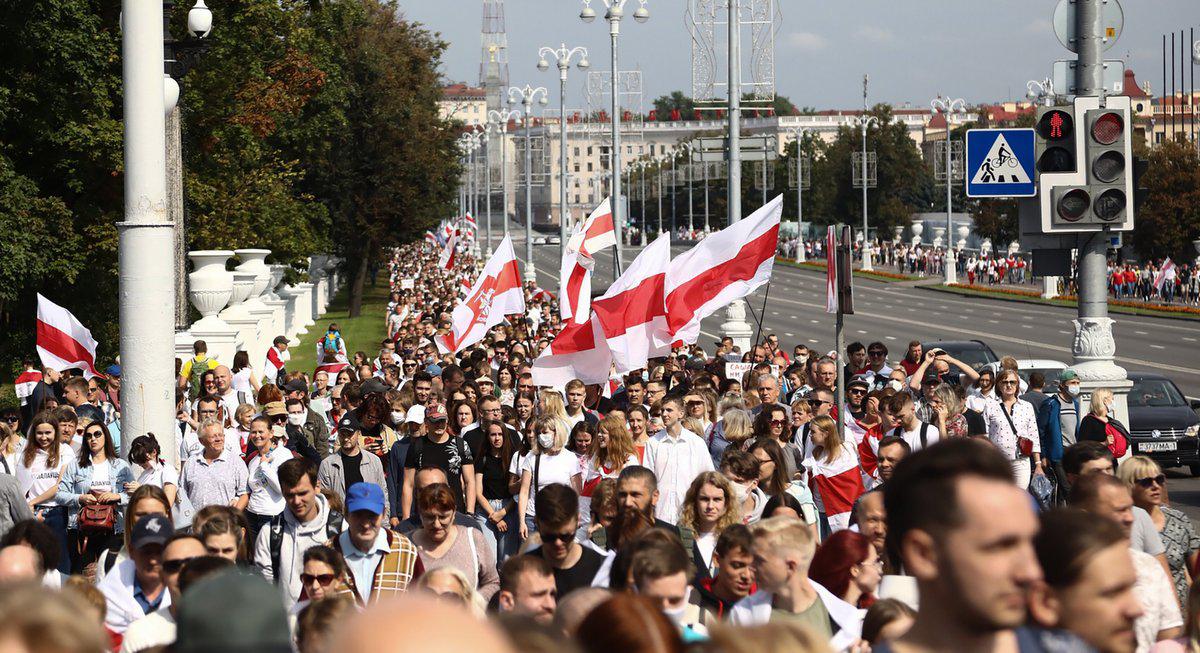
Massive and persistent, protests in the usually quiet country of Belarus have taken the world by surprise and suddenly brought the country to the centre of Europe's attention.
Source: Institut für Sicherheitspolitik
A rigged presidential election and a violent crackdown on the opposition unleashed deep-rooted popular discontent, which had grown mostly undetected over President Alexander Lukashenko’s 26 uninterrupted years in office. Unprecedentedly, 200.000 Belarusians took to the streets in Minsk and other cities to protest police abuses and demand Lukashenko’s immediate resignation.
Unlike in the past, many erstwhile supporters of the regime from the ranks of teachers, doctors, and state factory employees, apparently disenchanted with the country’s long-serving leader, joined the protests. The gravity of the situation has led many observers to question Lukashenko’s ability to survive the turmoil absent a rescue operation by Belarus’s main ally, Russia. However, there is little love left in the Kremlin for the Belarusian leader, and Moscow is in no hurry to reveal its strategy for handling the unfolding crisis.
This working paper was originally published by the Institut für Sicherheitspolitik
Fellow, Carnegie Russia Eurasia Center
Samorukov is a fellow at the Carnegie Russia Eurasia Center.
Recent Work
Maksim Samorukov
Maksim Samorukov
Carnegie does not take institutional positions on public policy issues; the views represented herein are those of the author(s) and do not necessarily reflect the views of Carnegie, its staff, or its trustees.
The return of war as the organizing factor in Middle Eastern politics has predictable consequences: governments are prioritizing regime stability and becoming averse to political and social reform.

Sarah Yerkes, Amr Hamzawy
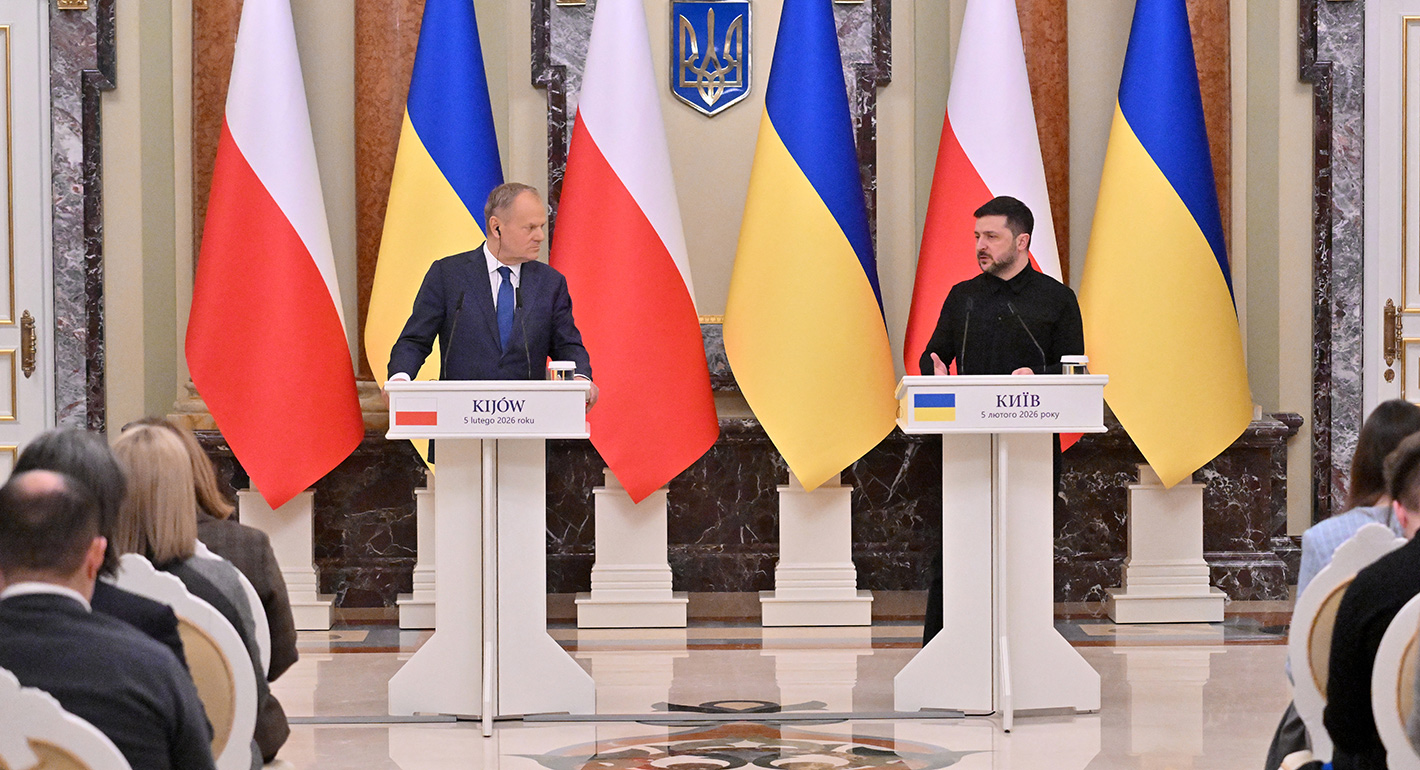
The full-scale invasion cemented Ukraine’s determination to sever its ties with Russia; reimagining the Poland-Ukraine partnership can accelerate Kyiv’s westward alignment and improve the security of both countries.
Eric Green
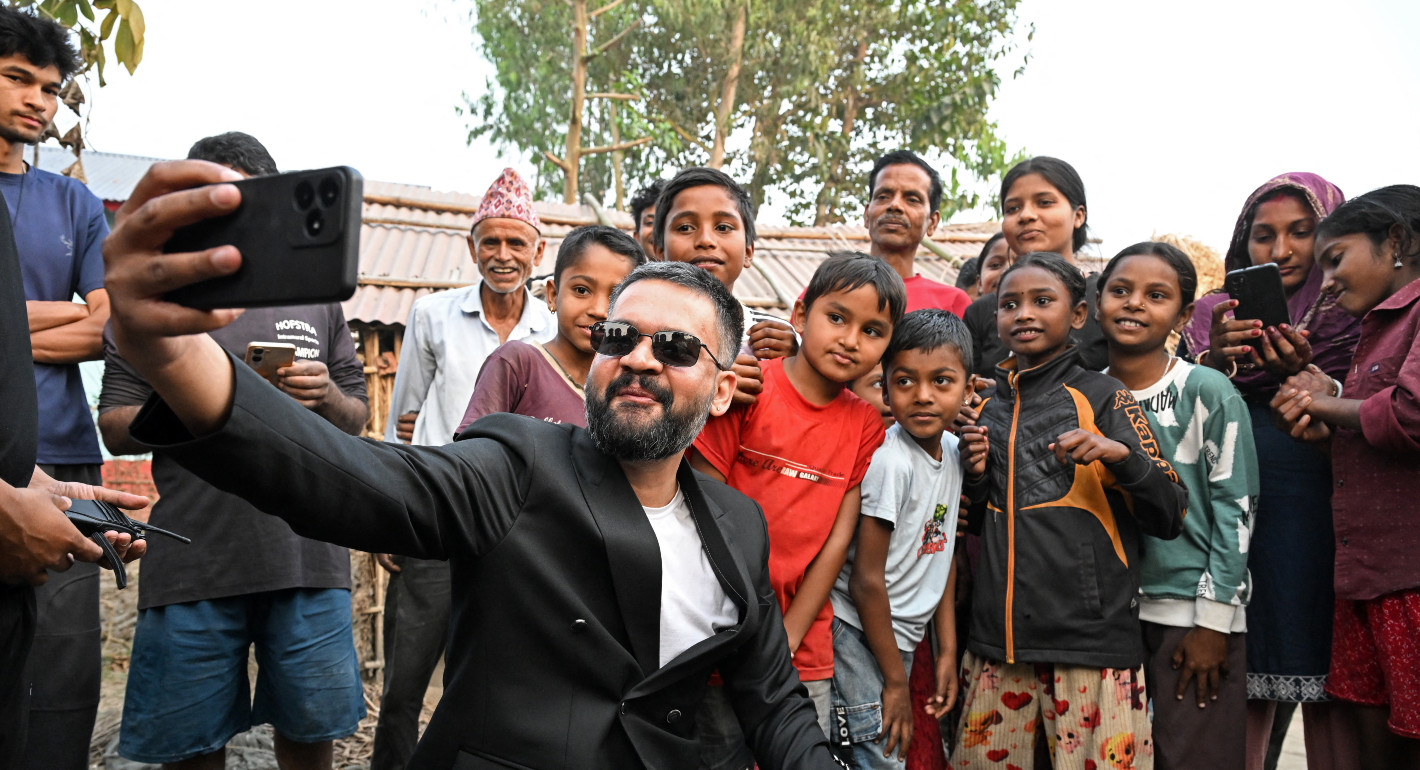
The incoming government has swept Nepal’s election. The real work begins now.
Amish Raj Mulmi
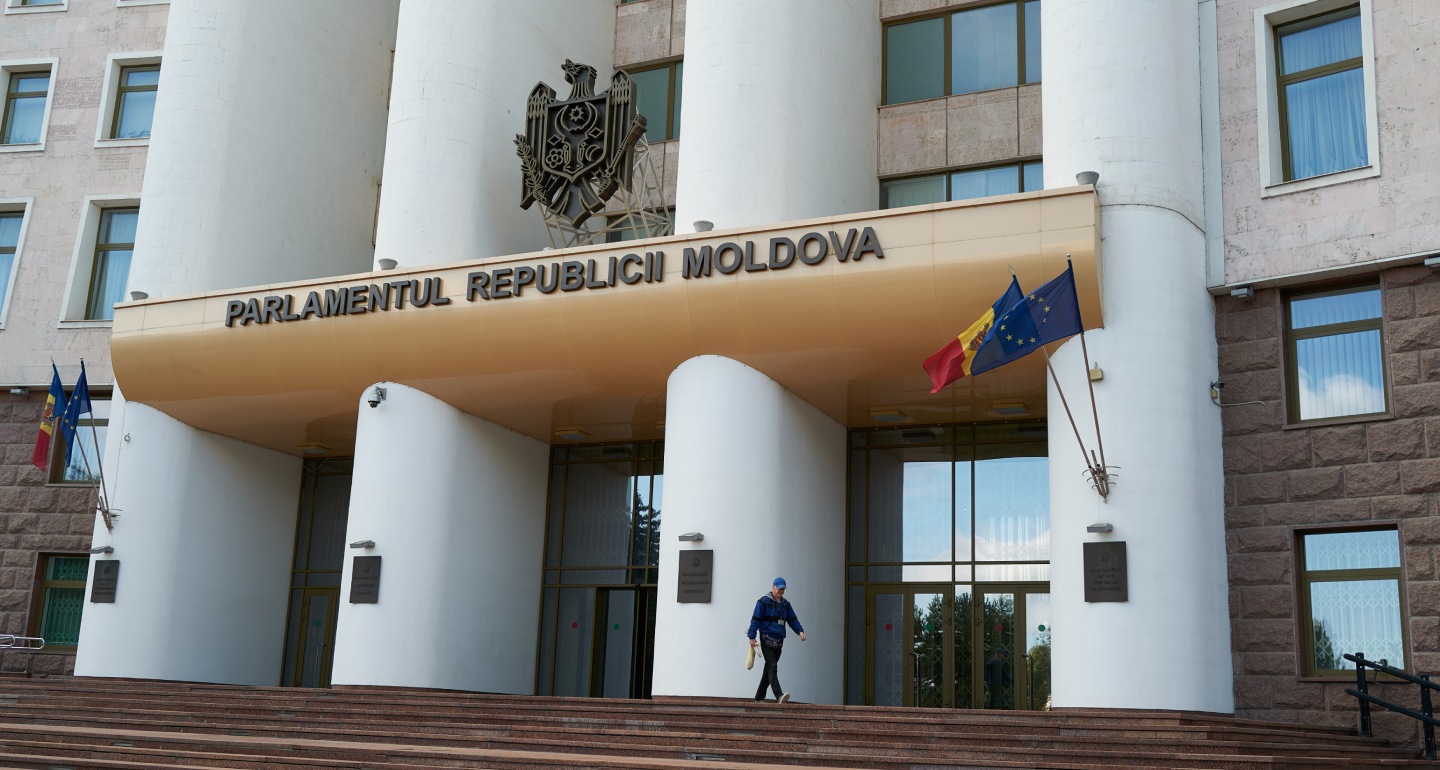
Moldova’s reintegration plan was drawn up to demonstrate to Brussels that Chișinău is serious about the Transnistria issue—and to get the West to react.
Vladimir Solovyov
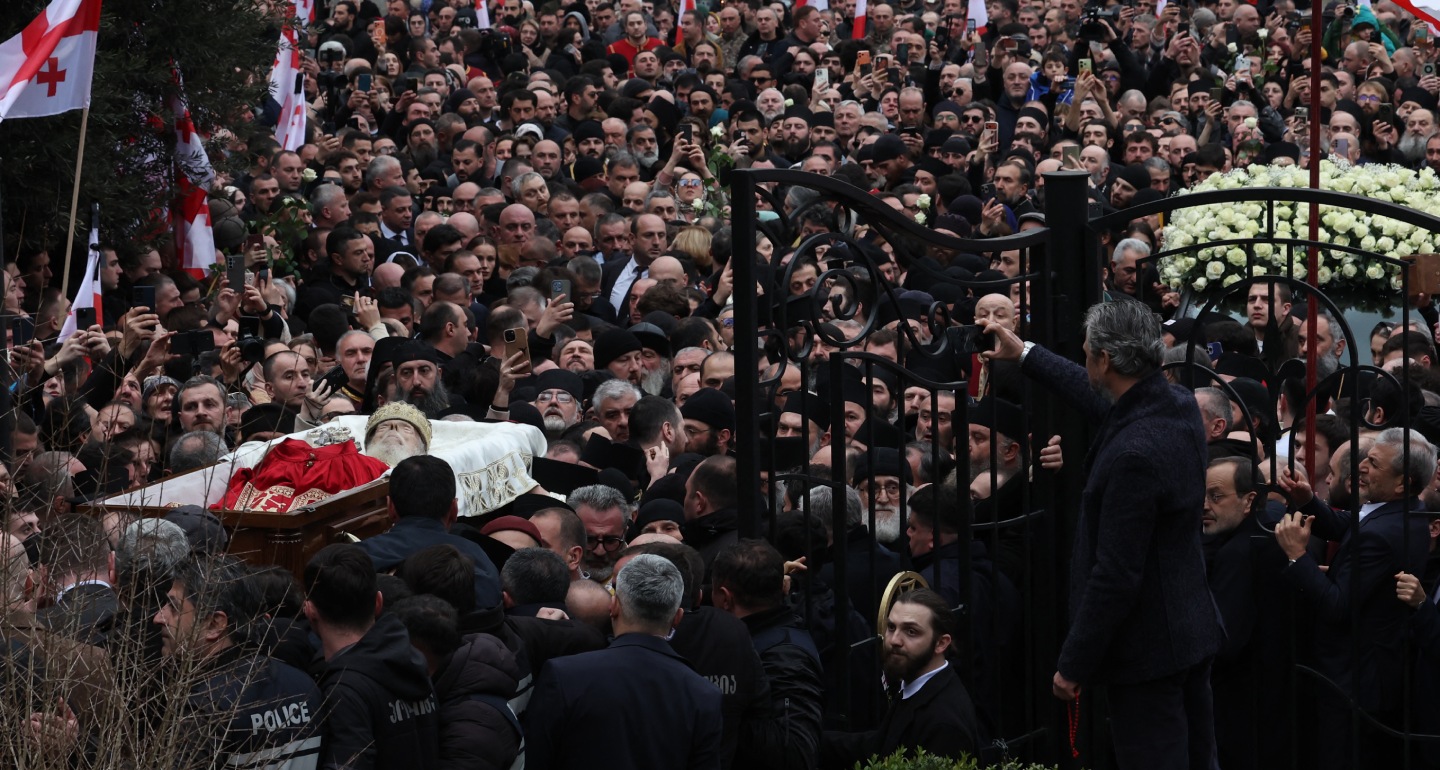
The front-runner to succeed Ilia II, Metropolitan Shio, is prone to harsh anti-Western rhetoric and frequent criticism of “liberal ideologies” that he claims threaten the Georgian state. This raises fears that under his leadership the Georgian Orthodox Church will lose its unifying role and become an instrument of ultraconservative ideology.

Bashir Kitachaev