

Commentary
- +9
Nathan J. Brown, Alper Coşkun, Amr Hamzawy, …
{
  "authors": [
    "Frederic Wehrey"
  ],
  "type": "other",
  "centerAffiliationAll": "dc",
  "centers": [
    "Carnegie Endowment for International Peace",
    "Malcolm H. Kerr Carnegie Middle East Center"
  ],
  "collections": [],
  "englishNewsletterAll": "menaTransitions",
  "nonEnglishNewsletterAll": "",
  "primaryCenter": "Carnegie Endowment for International Peace",
  "programAffiliation": "MEP",
  "programs": [
    "Middle East"
  ],
  "projects": [],
  "regions": [
    "North Africa",
    "Libya"
  ],
  "topics": [
    "Security",
    "Foreign Policy"
  ]
}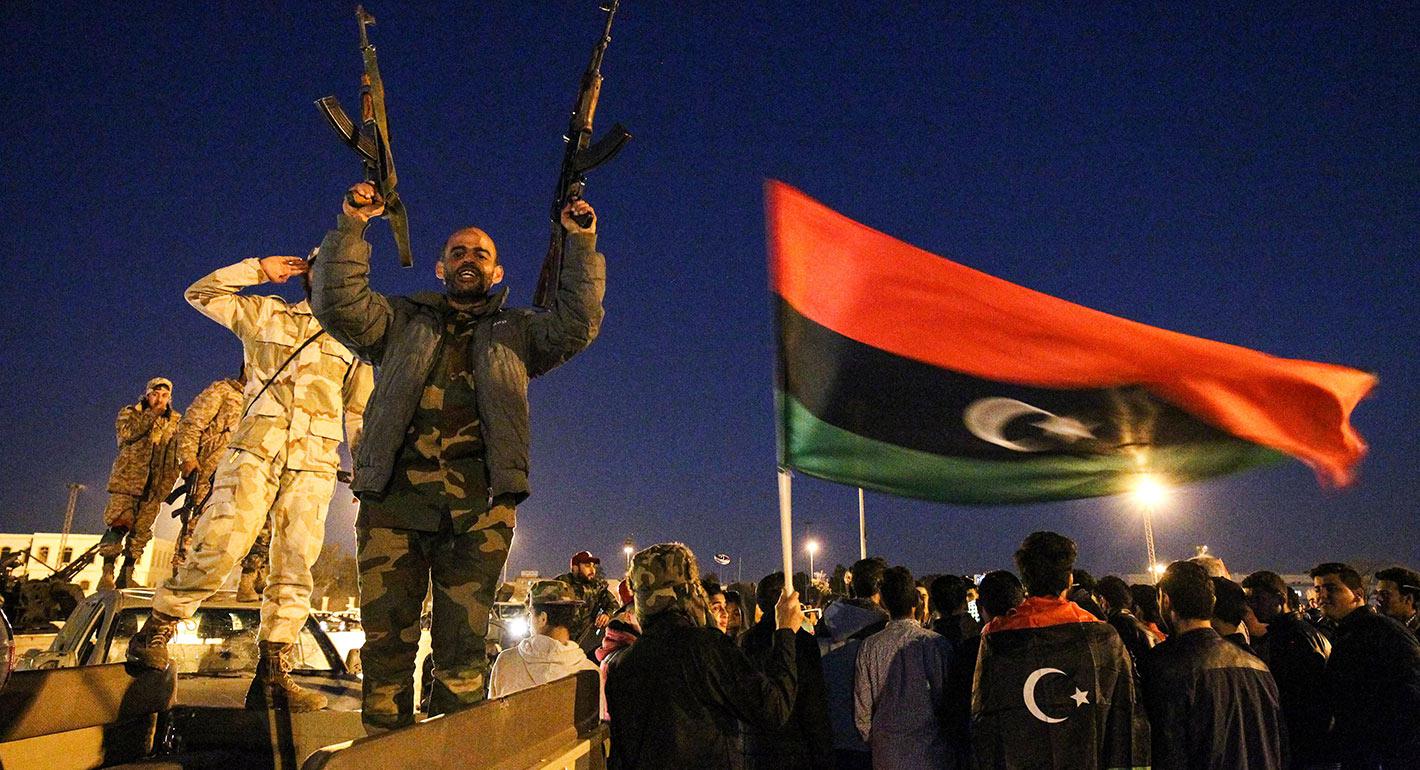
Source: Getty
For almost a decade, Libya has been riven by increasingly internationalized conflicts. Foreign missteps and the failures of Libyan elites to produce political unity and workable institutions have opened the field for an escalating proxy war.
Source: New America
For almost a decade, Libya has been riven by increasingly internationalized conflicts, stemming from local and regional fissures during the 2011 anti-Qadhafi revolution and the NATO-led intervention. In the wake of that conflict, foreign missteps and the failures of Libyan elites to produce political unity and workable institutions opened the field for an escalating proxy war.
Beginning in 2014, Libya’s internecine struggle became militarized, first in Benghazi and then in Tripoli, with a significant uptick in foreign weapons shipments to two opposing constellations of armed groups and political factions. The first was the eastern-based “Operation Dignity” camp, led by General Khalifa Haftar and supported by the United Arab Emirates, Egypt, Jordan, Saudi Arabia, and France. The second was the anti-Haftar “Libya Dawn” coalition in Tripolitania and its militia allies in Benghazi and Derna, backed by Turkey, Qatar, and Sudan. Though outside forces intervened directly with airstrikes and limited raids by special operations forces, Libyans still carried out the actual combat. Starting with Haftar’s attack on Tripoli in 2019, the international actors themselves have assumed a greater prominence in the conflict over local Libyan proxies, via foreign mercenaries, foreign-piloted aircraft, and other forms of interference.
A number of factors have driven the internationalization of Libya’s wars: global disorder and the weakening of multilateral norms and institutions, American ambivalence and mixed signals on Libya, European paralysis, military adventurism by regional powers, and Russian opportunism. However, Libyan elites and local actors themselves also played a key role in internationalizing the conflict by soliciting and manipulating foreign support for self-serving ends.
Amplifying these geopolitical and economic aspects is the convergence of military and technological innovations in the Libyan conflict, especially the widespread use of armed drones and foreign mercenaries. Beyond this kinetic dimension, outside actors have waged a war for public opinion in traditional and social media spaces, often through disinformation tactics that conceal the foreigners’ influence. Even so, notions of a high-tech, sanitized, science-fiction war in which the human (and Libyan) role is absent are misplaced. The fighting remains highly personal for Libyans, who will bear its devastating costs for years to come.
Senior Fellow, Middle East Program
Frederic Wehrey is a senior fellow in the Middle East Program at the Carnegie Endowment for International Peace, where his research focuses on governance, conflict, and security in Libya, North Africa, and the Persian Gulf.
Recent Work

Nathan J. Brown, Alper Coşkun, Amr Hamzawy, …
Frederic Wehrey, Charles H. Johnson
Carnegie does not take institutional positions on public policy issues; the views represented herein are those of the author(s) and do not necessarily reflect the views of Carnegie, its staff, or its trustees.

The global hydrocarbon order is changing. Economic diversification and developing productive economies have become essential for Middle Eastern and North African states, requiring them to address social and political challenges and rethink domestic, regional, and global settlements.
Nur Arafeh, Ishac Diwan, Hamza Meddeb, …
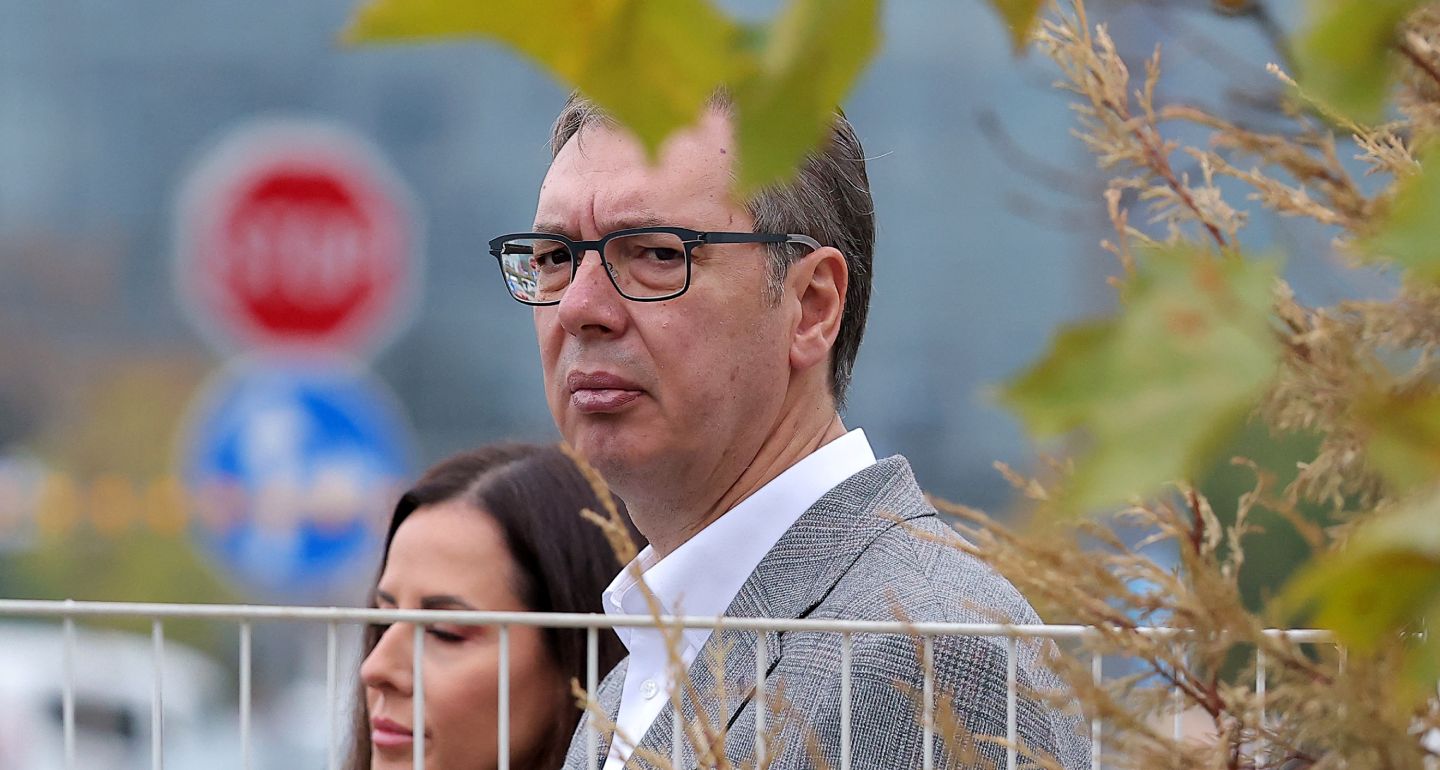
The new Serbian leadership may have promised to keep on cooperating with Russia, but soon they will have to make a choice between fighting corruption and sealing lucrative deals with Moscow. The two are mutually exclusive, even if the new leaders in Belgrade haven’t yet realized it.
Maksim Samorukov
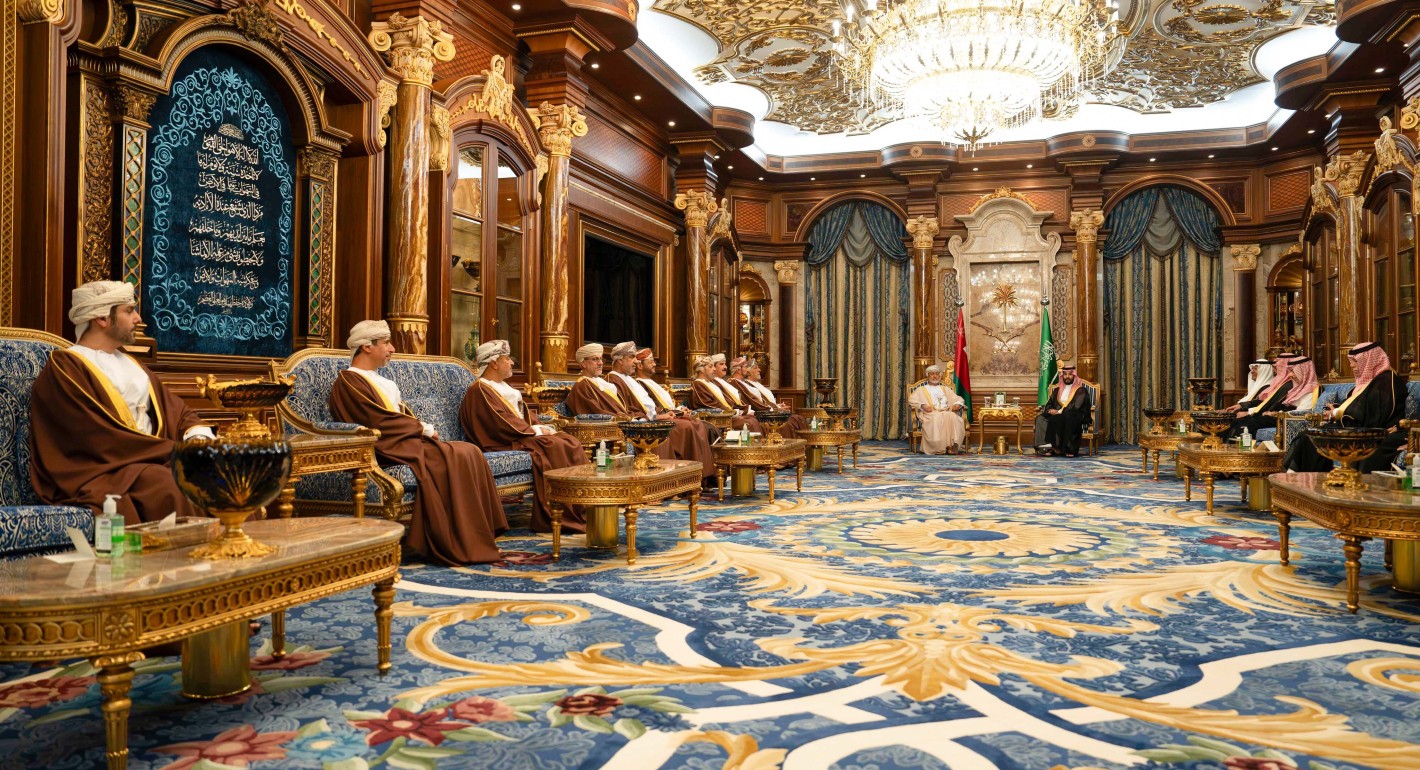
The six GCC members’ unity would be a valued—if not essential—asset for negotiating an end to the simmering regional conflict.
Sam Worby, Andrew Leber
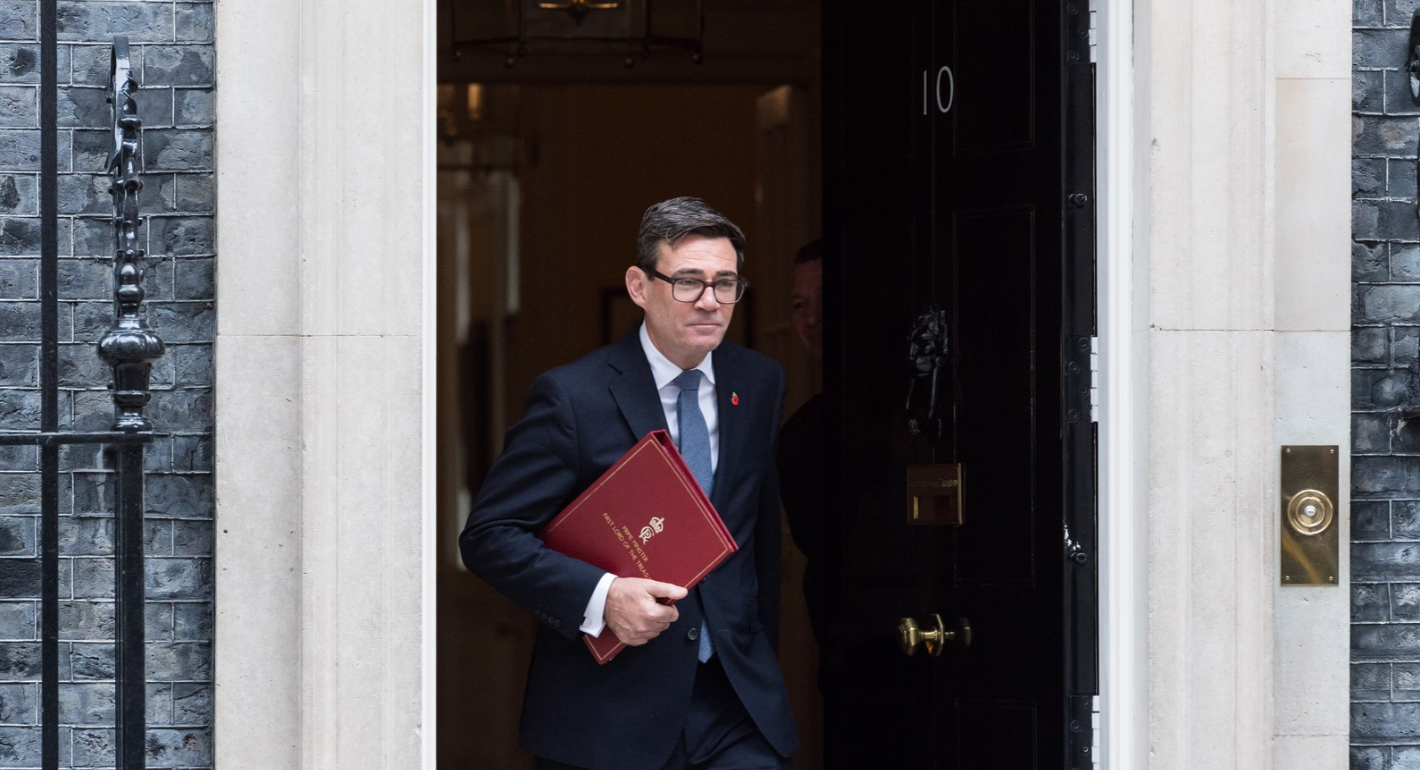
Resetting relations with the EU is a central plank of the UK’s current foreign policy. Is Andy Burnham being bold enough or is he falling into the same trap as his predecessors, misreading the power dynamic?

Rym Momtaz, ed.
Carnegie’s Middle East Program scholars reflect on the impasse and its potential impacts on the Middle East.
Nathan J. Brown, Alper Coşkun, Amr Hamzawy, …