

Article
Paul Stronski
{
  "authors": [
    "Paul Stronski"
  ],
  "type": "commentary",
  "centerAffiliationAll": "dc",
  "centers": [
    "Carnegie Endowment for International Peace"
  ],
  "collections": [],
  "englishNewsletterAll": "ctw",
  "nonEnglishNewsletterAll": "",
  "primaryCenter": "Carnegie Endowment for International Peace",
  "programAffiliation": "russia",
  "programs": [
    "Russia and Eurasia"
  ],
  "projects": [
    "Changing Geopolitics of Eurasia"
  ],
  "regions": [
    "Central Asia",
    "Kazakhstan"
  ],
  "topics": [
    "Political Reform"
  ]
}
Source: Getty
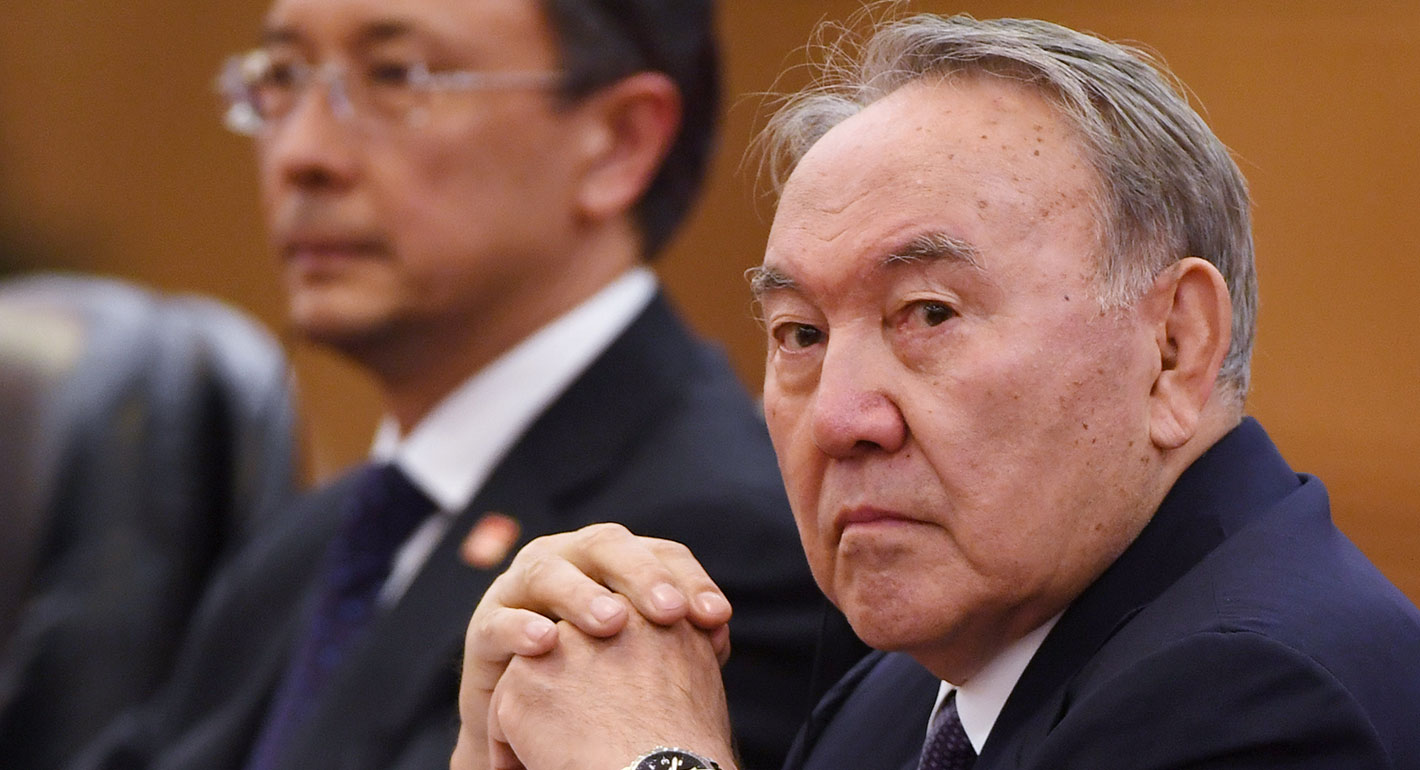
Kazakhstan’s president has fired the government over what he called its failure to shore up crumbling living standards. Will it be enough to satisfy his citizens’ demands?
On February 21, Kazakhstani President Nursultan Nazarbayev sacked his entire government. He scolded former cabinet members and regional governors for failing to address social problems or shore up the country’s social safety net. The decision comes amid growing popular anger over declining living standards, sparked by an early February house fire in the Kazakh capital that killed five children.
Nazarbayev frequently rotates his cabinet. But this mass dismissal was unprecedented in scale, as was his sharp criticism of the outgoing officials. It suggests that Nazarbayev sees an urgent need to appear decisive and divert attention away from rising socioeconomic dissatisfaction and his failed promises to improve the quality of life for average citizens in the country. In an effort to scapegoat his cabinet, Nazarbayev cited its failure to implement his decrees to create economic opportunities for the poor and middle class, diversify the economy, or improve the rule of law.
In his New Year’s address less than two months ago, Nazarbayev highlighted how the country’s quality of life, housing, and public transport have improved under his leadership. Yet average citizens do not feel these benefits. Despite years of high growth, Kazakhstan’s economy is struggling, even after oil prices recovered from the lows of 2015–2016. Economic growth is lethargic and wealth is unevenly distributed. Several rounds of currency devaluations in 2014 and 2015 wiped out the emerging middle class’ savings, and people continue to feel the pinch. Long a destination for migrant labor from other Central Asian countries, some Kazakhstani citizens are now leaving for economic opportunities abroad.
Kazakhstan is witnessing an uptick in nationalist sentiment and anger, as average Kazakhs grow dissatisfied with the status quo. Protests and criticism of the government on social media have likely put an end to rumors of an early election being held in 2019. Instead, the government will probably seek to increase spending on housing, education, health care, and support for families with children. It once again will pledge to diversify the economy away from hydrocarbons and fight corruption.
Nazarbayev has made similar pledges in the past. Yet his government has repeatedly failed to implement its own ambitious plans for political, economic, and social reform. Although Nazarbayev himself continues to enjoy popular legitimacy from his decades as leader of Kazakhstan, the system he put in place is experiencing a credibility crisis.
Former Senior Fellow, Russia and Eurasia Program
Paul Stronski was a senior fellow in Carnegie’s Russia and Eurasia Program, where his research focuses on the relationship between Russia and neighboring countries in Central Asia and the South Caucasus.
Recent Work
Paul Stronski
Paul Stronski
Carnegie does not take institutional positions on public policy issues; the views represented herein are those of the author(s) and do not necessarily reflect the views of Carnegie, its staff, or its trustees.

If the Russian-speaking community in Latvia cannot articulate their interests without being seen as disloyal, they could end up embracing a pro-Kremlin agenda.

Sergejs Potapkins

Russia’s ruling party would have benefited from Putin appearing as its distant patron, but as an active frontman imposing his views on the public, he has done nothing but harm both the party’s election campaign and the ruling system overall.

Andrey Pertsev

In the tenth year of his presidency, President Mirziyoyev’s system is becoming even more personalized than that of his predecessor Karimov.

Galiya Ibragimova

With the growth in points of friction between the great powers, organizations like the SCO will continue to play a role in the strategic adaptation of the smaller powers caught between them.

Temur Umarov
Xi, Putin, and other regional leaders are back-slapping in Bishkek, but the SCO has yet to answer the most serious questions about continental Asia's economic future.

Evan A. Feigenbaum