

Commentary
The books, podcasts, and films that explain the world it made.
Andrew Leber
{
  "authors": [
    "Dan Baer",
    "Sophia Besch"
  ],
  "type": "commentary",
  "blog": "Emissary",
  "centerAffiliationAll": "dc",
  "centers": [
    "Carnegie Endowment for International Peace"
  ],
  "collections": [
    "European Defense"
  ],
  "englishNewsletterAll": "ctw",
  "nonEnglishNewsletterAll": "",
  "primaryCenter": "Carnegie Endowment for International Peace",
  "programAffiliation": "EP",
  "programs": [
    "Europe"
  ],
  "projects": [
    "Baltic Sea Region Security Initiative"
  ],
  "regions": [
    "Europe",
    "United States"
  ],
  "topics": [
    "Security",
    "Military",
    "NATO"
  ]
}
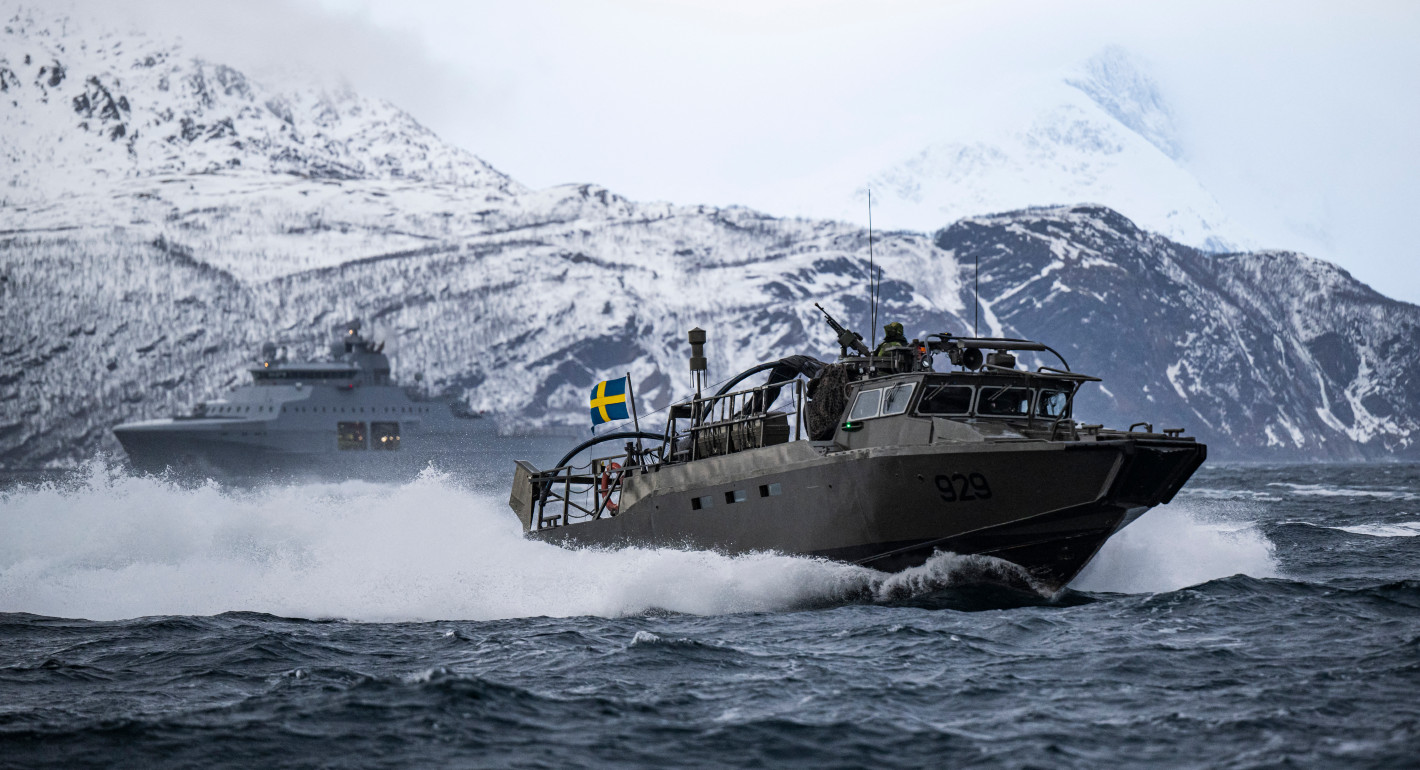
Swedish military vessels participate in a NATO exercise in March. (Photo by Jonathan Nackstrand/AFP via Getty Images)
The question of which Joint Force Command the two newest members fall under is dividing experts.
The accession of Sweden and Finland to NATO has raised the question about how the organization will integrate its two newest members into its command structures. Specifically, how will the two Nordic states fit into the alliance’s Joint Force Commands, or JFCs? And why are experts splitting hairs about which JFC is best suited to assume responsibility for Sweden and Finland?
The JFCs make up the operational level of NATO’s command structure. Each JFCs has to be ready to plan, conduct, and sustain NATO operations in its geographic areas of responsibility.
Invalid video URL
By nature of its location and comparative capability advantages, JFC Brunssum in the Netherlands is responsible for supporting NATO’s operations on the eastern flank, with an emphasis on land forces. JFC Norfolk in the United States is focused on the protection of the Arctic and transatlantic neighborhood, focusing largely on maritime forces.
Finland and Sweden are both Arctic and Baltic Sea states, so either JFC NorfolkorJFC Brunssum could logically be responsible for implementing NATO’s plans to address each country’s defense. For the time being, JFC Brunssum is responsible for implementing NATO operations plans that address the defense of Finland and Sweden. But this stretches Brunssum’s capacity very thin. For this reason, many assume that Finland and Sweden (and the rest of Scandinavia) will eventually fall under JFC Norfolk’s purview, though no official decision has been made.
This has created some debate. On one hand, keeping NATO’s Nordic allies all under the same command makes sense, because these countries already have close defense ties. On the other hand, however, since the remaining Baltic Sea states fall under Brunssum, this would divide the operational-level planning in the region between two JFCs, which could create command-and-control coordination challenges.
NATO is now in the process of updating its command structures at the behest of the Supreme Allied Commander Europe General Christiopher Cavoli. A final decision on the JFC question will likely be announced at NATO’s Washington summit in July.
Understand the world with the latest from our scholars around the world.
Interim President
Dan Baer is the interim president of the Carnegie Endowment for International Peace. Under President Obama, he was U.S. ambassador to the Organization for Security and Cooperation in Europe (OSCE) and he also served deputy assistant secretary of state for the Bureau of Democracy, Human Rights, and Labor.

Former Senior Fellow, Europe Program
Sophia Besch was a senior fellow in the Europe Program at the Carnegie Endowment for International Peace. Her research focuses on European foreign and defense policy.
Carnegie does not take institutional positions on public policy issues; the views represented herein are those of the author(s) and do not necessarily reflect the views of Carnegie, its staff, or its trustees.

The books, podcasts, and films that explain the world it made.

Andrew Leber

U.S. trading partners in Asia are closely watching the dispute for signs of how it may affect their own interests.

Barbara Weisel
Congress should ask tough questions about the agreement’s more unique features and whether they advance U.S. interests or compromise them.

Jane Darby Menton
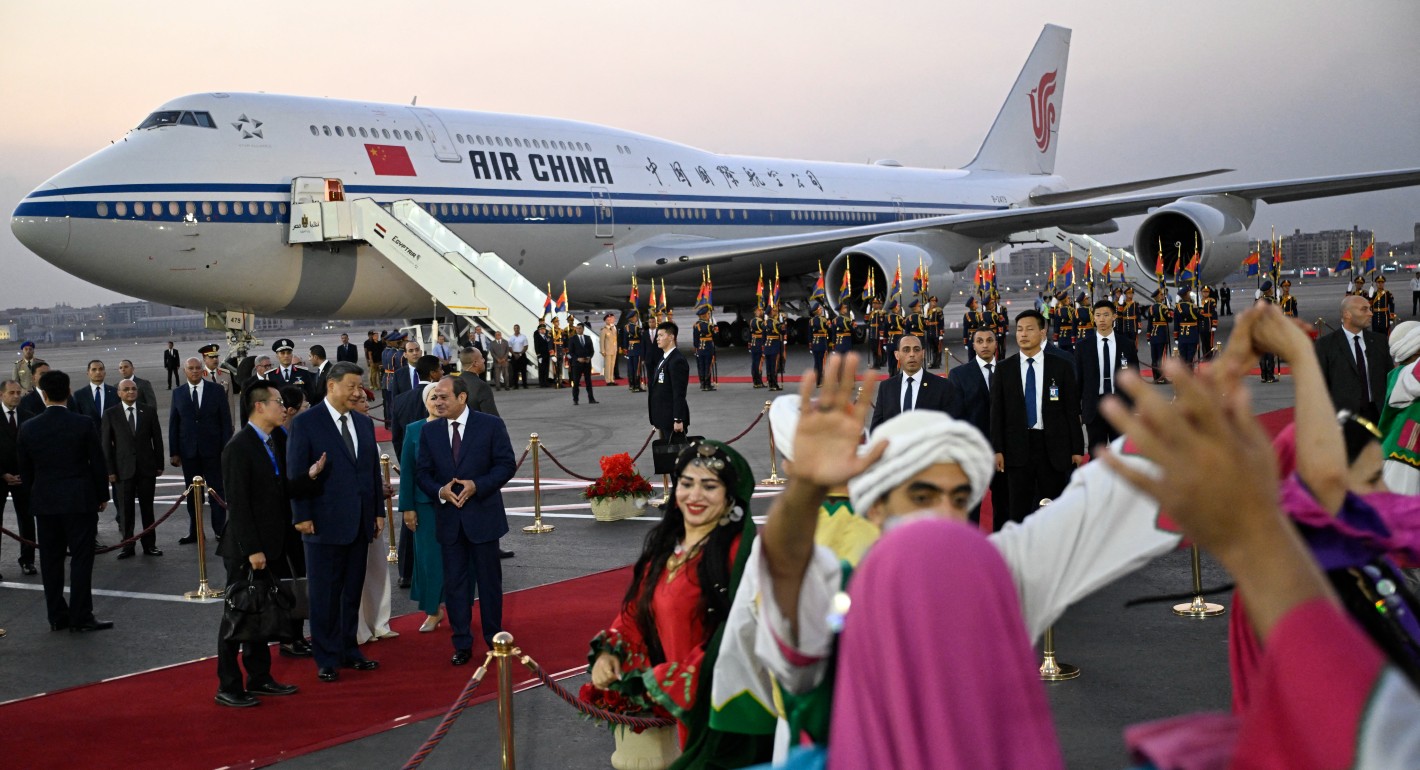
Amid celebrations of bilateral ties was a deeper focus on stability in the Middle East.

Amr Hamzawy
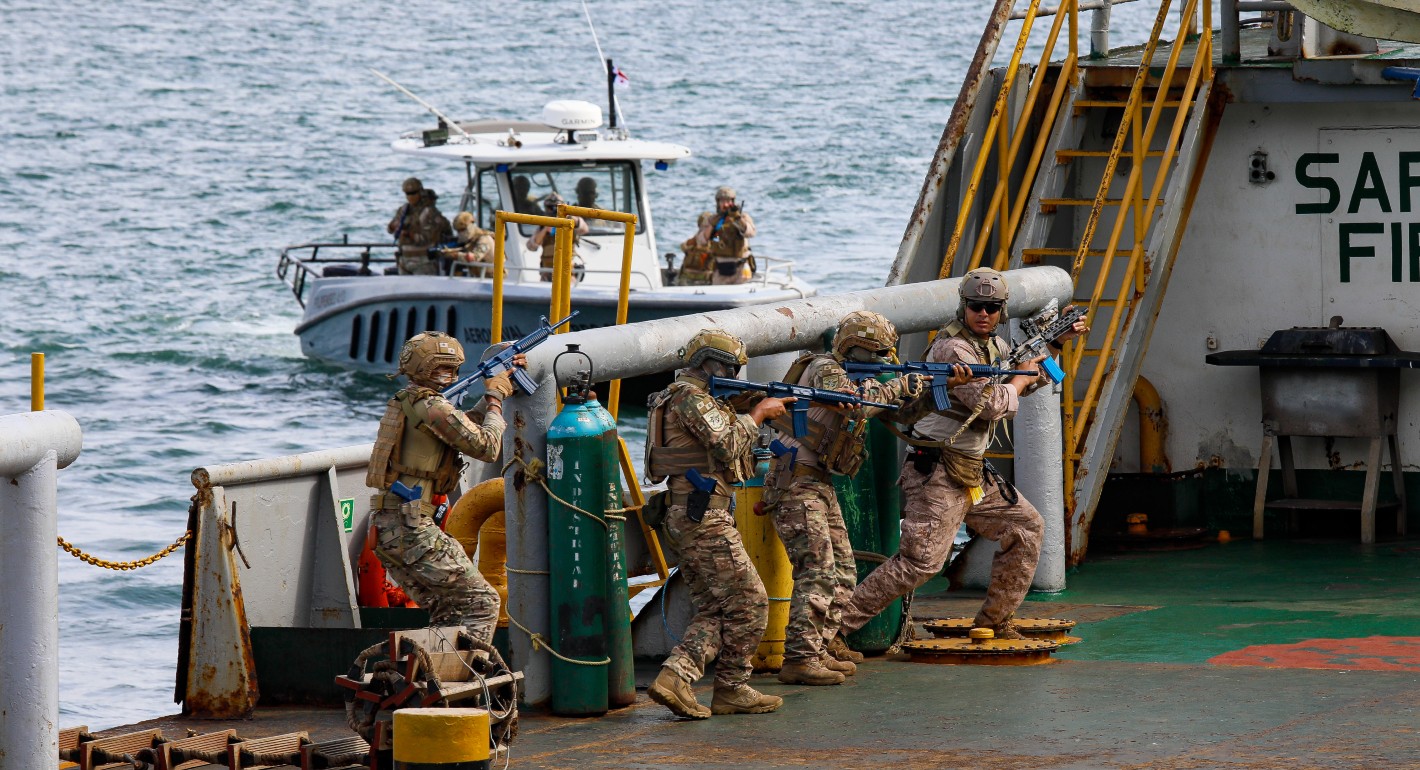
By focusing only on hard security, the Shield ignores the conditions that fuel cartel power.


Alejandro Martin Rodriguez, Kayly Ober