

Q&A
- +1
Sophia Besch, Alper Coşkun, Nate Reynolds, …
{
  "authors": [
    "Nate Reynolds"
  ],
  "type": "commentary",
  "blog": "Emissary",
  "centerAffiliationAll": "dc",
  "centers": [
    "Carnegie Endowment for International Peace"
  ],
  "englishNewsletterAll": "ctw",
  "nonEnglishNewsletterAll": "",
  "primaryCenter": "Carnegie Endowment for International Peace",
  "programAffiliation": "russia",
  "programs": [
    "Russia and Eurasia"
  ],
  "projects": [],
  "regions": [
    "United States",
    "Ukraine",
    "Russia"
  ],
  "topics": [
    "Foreign Policy",
    "Security"
  ]
}
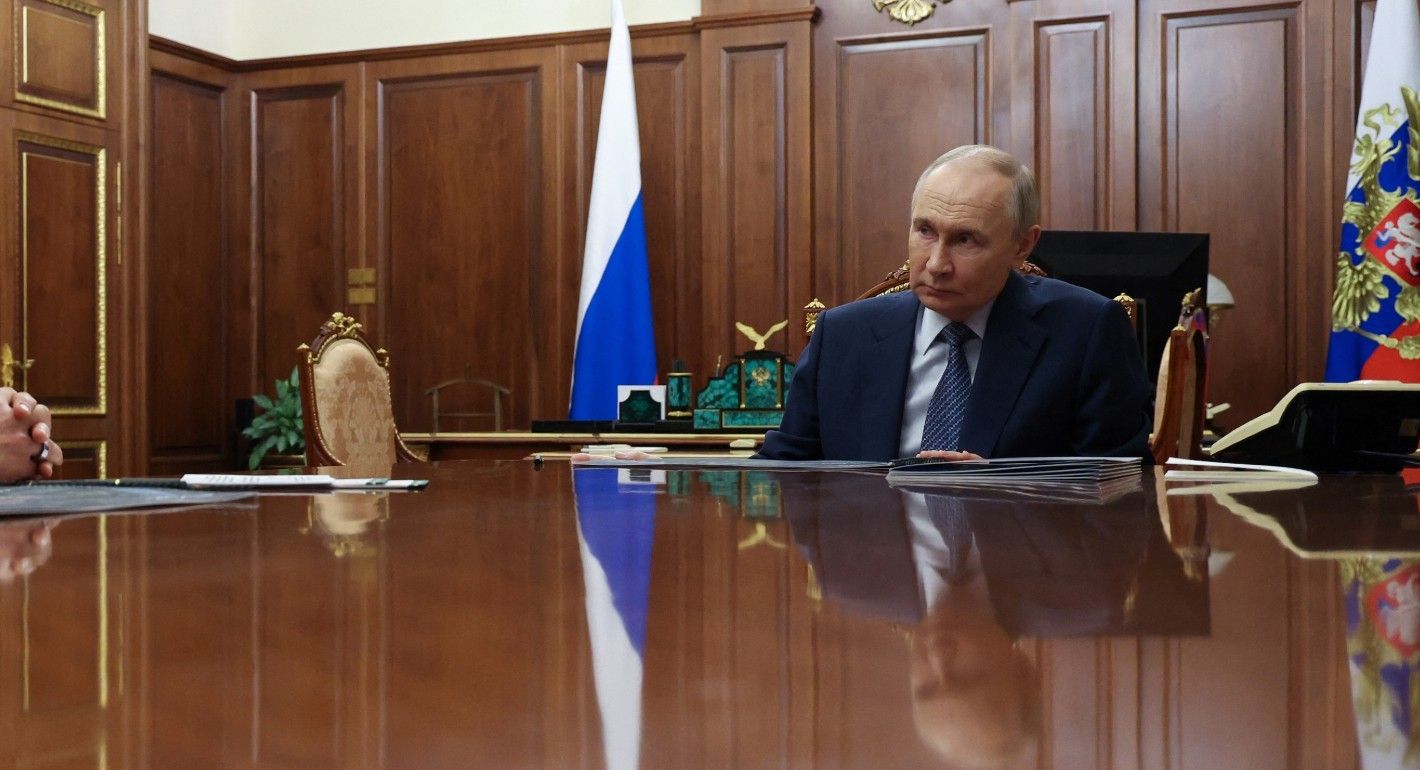
Putin in Moscow on July 29, 2025. (Photo by Mikhail Metzel/pool/AFP via Getty Images)
The Russian president sees an opportunity to drive wedges between Washington and its allies.
Ahead of his meeting with President Donald Trump on Friday, Russian President Vladimir Putin is trying to drive a wedge between Washington and Kyiv. By floating a new proposal that calls for Ukraine to cede the Donbas to Russia as a precondition for a ceasefire, Putin secured a coveted one-on-one with Trump and reignited fears of a backroom deal in Ukraine and Europe. Now he will arrive in Alaska hoping to accomplish what Russia has so far failed to do—persuade Trump to accept demands that will isolate the United States from Ukraine and Europe.
Even getting the summit is a diplomatic coup for Putin, coming after four months of diplomacy that put a spotlight on his intransigence. With Europe’s help, Ukraine embraced a ceasefire that Putin refused. Trump’s public venting about Putin, once periodic and fleeting, became steady and intense, especially as Russia pounded Ukraine with missiles and drones. Russian “peace” proposals didn’t help, with terms so maximalist Vice President JD Vance could only sum it up by saying Russia wants too much. Calls for more pressure on Russia grew, and Trump decided to sell weapons to Ukraine while publicly threatening to punish buyers of Russian oil.
Now, with the summit eclipsing threats of sanctions, Putin sees a chance to flip the script and split the United States from its allies and partners. He does not need a deal, nor does he probably expect one, given the gap between Russia and Ukraine. Instead, the summit is a chance to improve Russia’s strategic position in the war. If Putin can put the United States at odds with Ukraine and Europe, he gains advantages across multiple fronts. Moscow will face less external pressure, and Ukrainian morale will suffer. Even better for Putin, Trump may blame Ukraine if talks fail and he walks away from the conflict.
To drive a wedge between the United States and its partners, Putin needs to convince Trump that Ukraine or Europe must make a painful, or even impossible, concession at the start. Demanding that Ukraine withdraw from the Donbas is exactly this type of concession. The details remain murky, and confusion lingers over what Russia’s proposal actually entails. Ukrainian President Volodymyr Zelenskyy and European leaders have already cried foul, arguing that territorial issues can be addressed only after a ceasefire is in place. This, of course, is the point. Putin wants the United States to latch onto his proposal to split it from the allies.
Using land as a divisive issue is a clever move by the Kremlin. The Trump administration has already shown enormous give on territory, allegedly floating de jure recognition of Russia’s control of Crimea. Now Trump and other officials are openly discussing land swaps, though it remains unclear what—if any—land Russia would give up. The gap in the value the United States and Ukraine place on territory is obvious and natural for Putin to exploit.
Still, Russia’s Donbas proposal is a blatant ploy to put the United States and Ukraine at loggerheads. First, Putin tried to convince Trump that Zelenskyy was illegitimate, claiming negotiations were only possible if Ukraine lifted martial law and held elections—impossible to do if the country is at war and Putin refuses to agree to a ceasefire. In March, Putin even suggested that Ukraine should be placed under UN control. Washington eventually slapped this down, noting correctly that Ukraine’s government should be decided by its citizens and its constitution.
Then Putin tried to convince Trump that a ceasefire was possible only if the West stopped all security assistance to Ukraine. He must have hoped that the United States—in a rush to peace at any price—would cut off aid to Ukraine, triggering a split with Europe. Again, the United States did not take the bait, much to Russia’s frustration. Instead, it has held the principled position that Ukraine can have strong military and intelligence ties to the West, essentially ignoring Russia’s demands for Ukraine’s “demilitarization.”
Indeed, key questions remain on what Moscow is proposing. Is it willing to hand over territory it controls on the southern front in exchange for the Donbas? Is Russia giving up previous demands for Ukraine to demilitarize and hold elections—demands that serve as Moscow’s handmaidens in its quest for Ukraine’s subjugation? There should be no daylight or misunderstandings among the United States, Ukraine, and Europe when Trump sits down with Putin on Friday.
Trump has already noted Putin’s deceitfulness on Ukraine. But the White House clearly hopes Putin will come around. At the Alaska meeting, only one question should matter: Will Putin commit to any credible steps toward peace before he demands painful, near-impossible unilateral concessions from Ukraine or Europe first?
If the answer is no, then Putin is, in Trump’s own words, “tapping [him] along.” Then, getting Russia to negotiate in good faith will require bringing together Ukraine and Europe around a plan—to stabilize the lines, to secure the weaponry that Ukraine needs now and in the future, and to squeeze the Russian economy even more. This won’t be easy or quick, and the light at the end of that tunnel is hazy at best. But it is the only path toward real peace, and it’s certainly better than playing endless games with a Russian leader more interested in splitting the West than making a deal.
The latest from Carnegie scholars on the world’s most pressing challenges, delivered to your inbox.
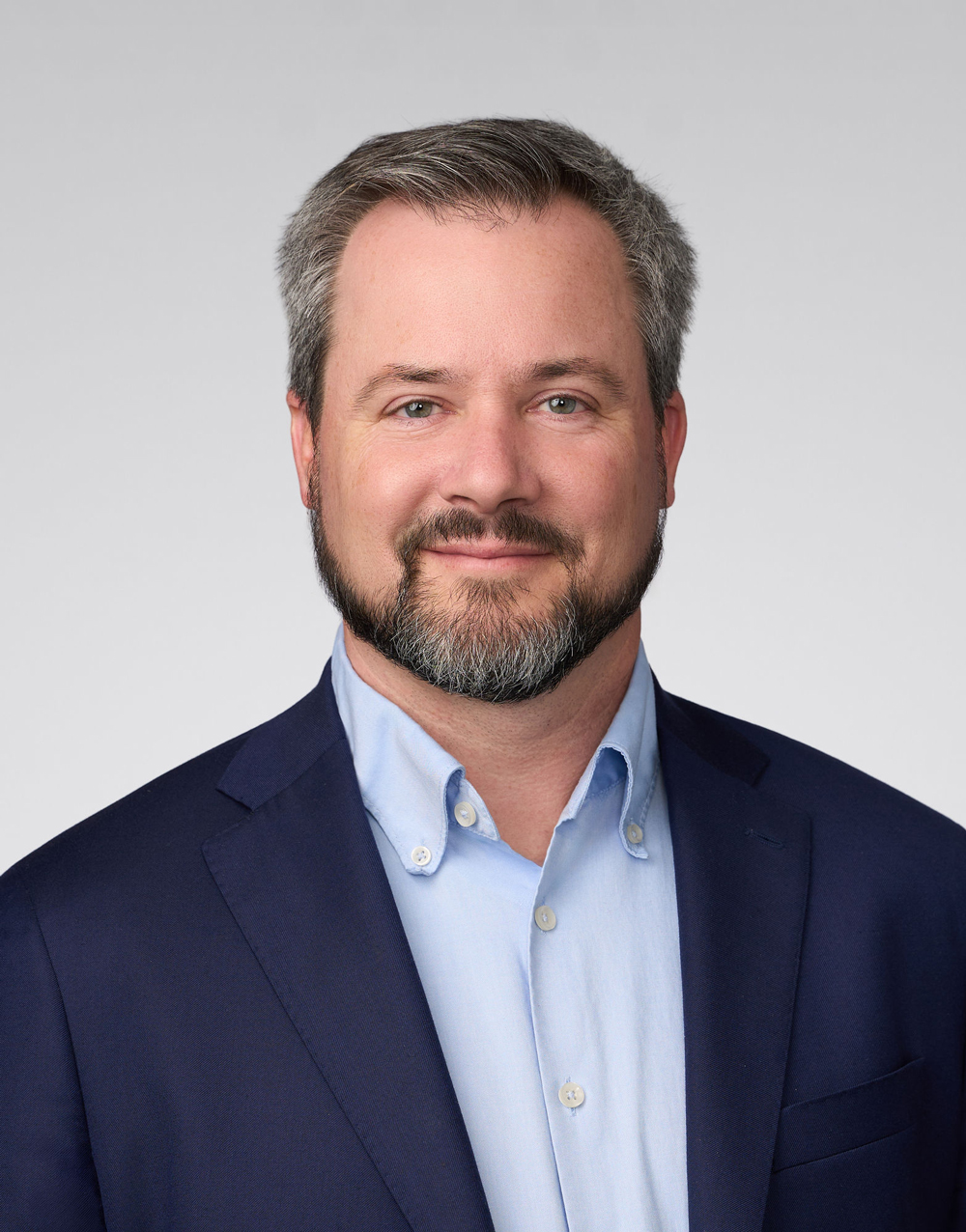
Senior Fellow, Russia and Eurasia Program
Nate Reynolds is a senior fellow in the Russia and Eurasia Program at the Carnegie Endowment for International Peace.
Recent Work


Sophia Besch, Alper Coşkun, Nate Reynolds, …

Frances Z. Brown, Nate Reynolds, Priyal Singh, …
Carnegie does not take institutional positions on public policy issues; the views represented herein are those of the author(s) and do not necessarily reflect the views of Carnegie, its staff, or its trustees.

Despite its flop at the box office, the film raises important questions for the climate community to answer.

Leonardo Martinez-Diaz

The acknowledgment has sparked fears of a new arms race with China and Russia.

Chris O’Meara
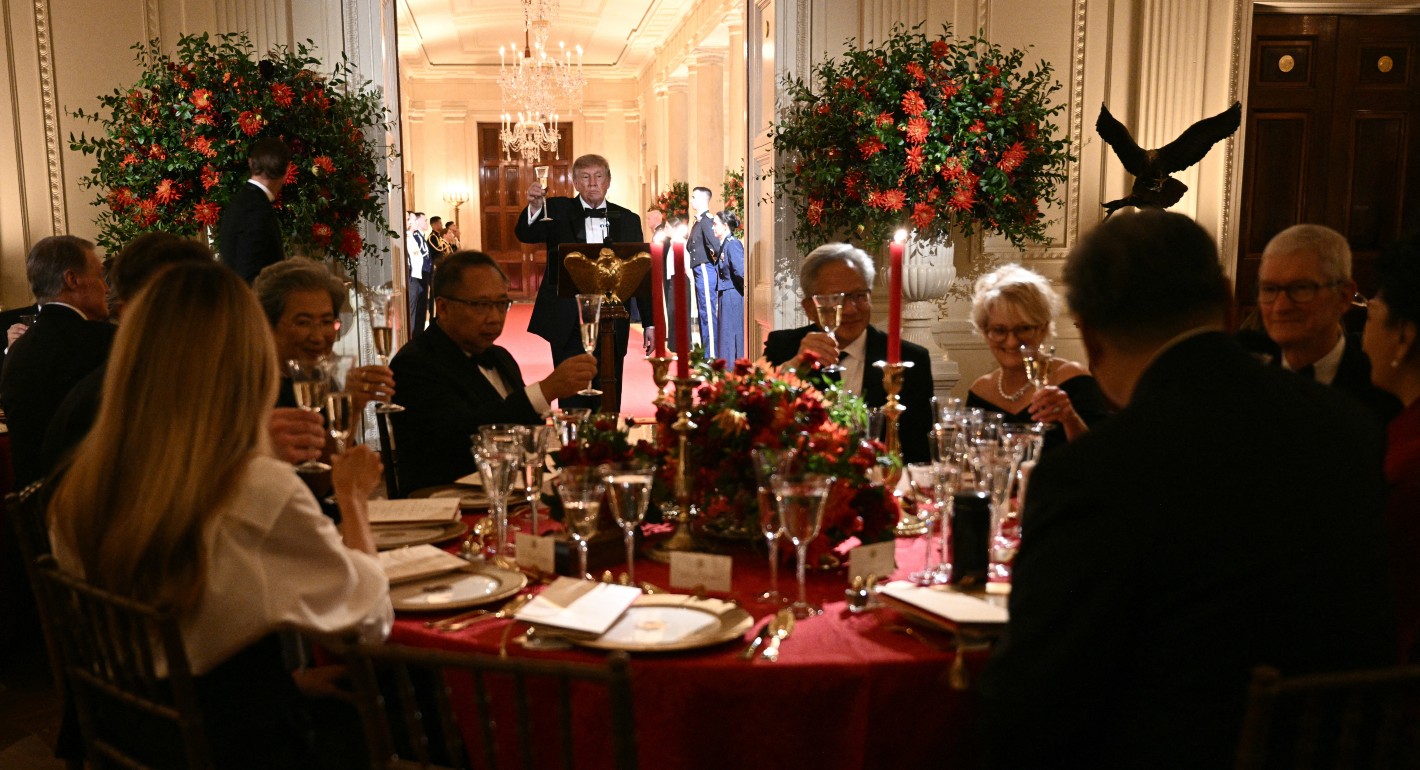
The summit may be remembered as a fatal blunder, when Washington, Beijing, and the AI industry collectively chose ceremony over action.
Jeffrey Prescott

The real test may come after the leaders leave the room.



Sheena Chestnut Greitens, Oriana Skylar Mastro, Yukon Huang, …

The Horn of Africa countries are among those facing a new security calculus.


Andrew Leber, Lesley Anne Warner