

Report
- +9
Richard Youngs, Erik Jones, Dan Baer, …
{
  "authors": [
    "Rosa Balfour"
  ],
  "type": "commentary",
  "blog": "Emissary",
  "centerAffiliationAll": "",
  "centers": [
    "Carnegie Endowment for International Peace",
    "Carnegie Europe"
  ],
  "englishNewsletterAll": "",
  "nonEnglishNewsletterAll": "",
  "primaryCenter": "Carnegie Endowment for International Peace",
  "programAffiliation": "",
  "programs": [],
  "projects": [],
  "regions": [
    "Europe"
  ],
  "topics": [
    "Democracy"
  ]
}
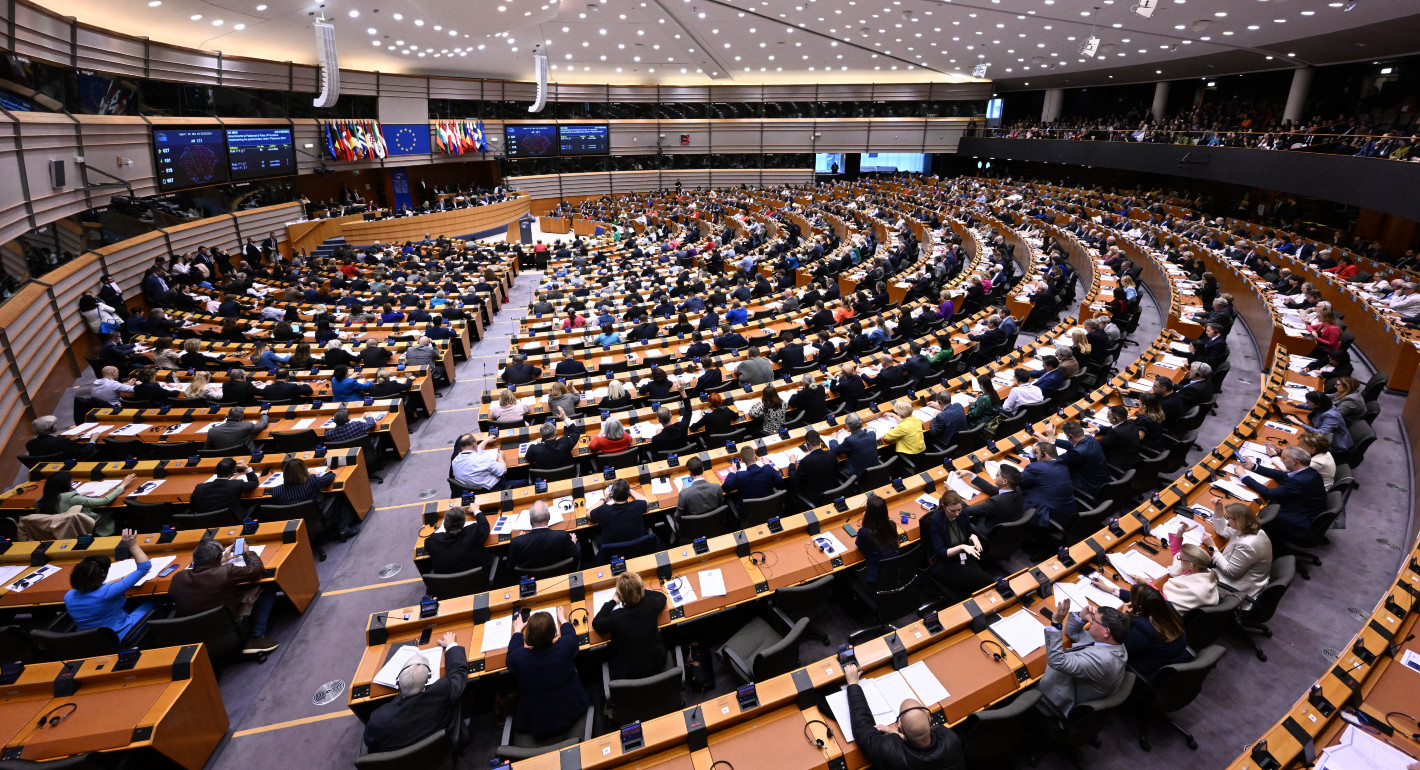
Source: Getty
The next few years will require these lawmakers to make important decisions on key issues that have become existential to the EU’s future.
From June 6 to 9, 347 million Europeans will be called to vote in the European Parliament elections, marking the beginning of an EU leadership change for its 720-member legislature that will approve the next commission. The results will capture the political temperature in the EU’s twenty-seven member states.
According to polls, the radical right will see a surge in support across the EU. Seven governments in Europe currently include radical right parties, and national elections over the course of 2024 may make that number grow. A possible alliance between the center right and the radical right would mark a sharp change in EU policy, which would become more nationalist and inward-looking and put the brake on implementing the many policies on climate, economic security, enlargement, and defense that this legislature had agreed upon.
Whether the center-right sides with the radical right or renews the alliance with the liberals and social democrats is critical to addressing the vast array of problems Europe faces. French President Emmanuel Macron recently spoke of Europe’s mortality, noting that it “can die” if choices and changes aren’t made swiftly. The next few years will require the EU to make important decisions on key issues that have become existential to its future, including climate and security.
Invalid video URL
Many of the measures adopted to fight the climate crisis require implementation. In the face of Russia’s war in Ukraine and the uncertainty of the U.S. commitment to European security, political leaders must convince their publics of the need to invest in defense and economic resilience. The EU has made the historic promise to enlarge to Ukraine and Moldova, alongside the states of the Western Balkans. Even if this will not happen imminently, the union needs to reform its institutions and policies to accommodate new countries.
These politically contentious issues require a herculean investment in terms of vision and finances at home. Citizens voting in June are electing the representatives who will need to agree on how to spend—and perhaps increase—the meager EU budget on enlargement, climate, defense, and economic security. Not doing so would have global repercussions.
A weakened Europe will struggle to support Ukraine’s resistance against Russia’s invasion and to address the competitive and conflictual emerging global order. Paradoxically, the need for the EU to upscale its ambition comes when its politics are driving toward inward-looking Euroskeptic nationalism.

Director, Carnegie Europe
Rosa Balfour is the director of Carnegie Europe. Her fields of expertise include European politics, institutions, and foreign and security policy.
Recent Work


Richard Youngs, Erik Jones, Dan Baer, …
Rosa Balfour

Over the past decade, China has moved from marginal player to major producer of all things batteries. The United States, Europe, and others are aiming to balance the market.

Milo McBride

Most migrants may have left Ceuta, but the effects may linger.


Alejandro Martin Rodriguez, Sarah Yerkes

Saied’s main accomplishment has been to destroy a decade’s worth of democratic progress.
Sarah Yerkes
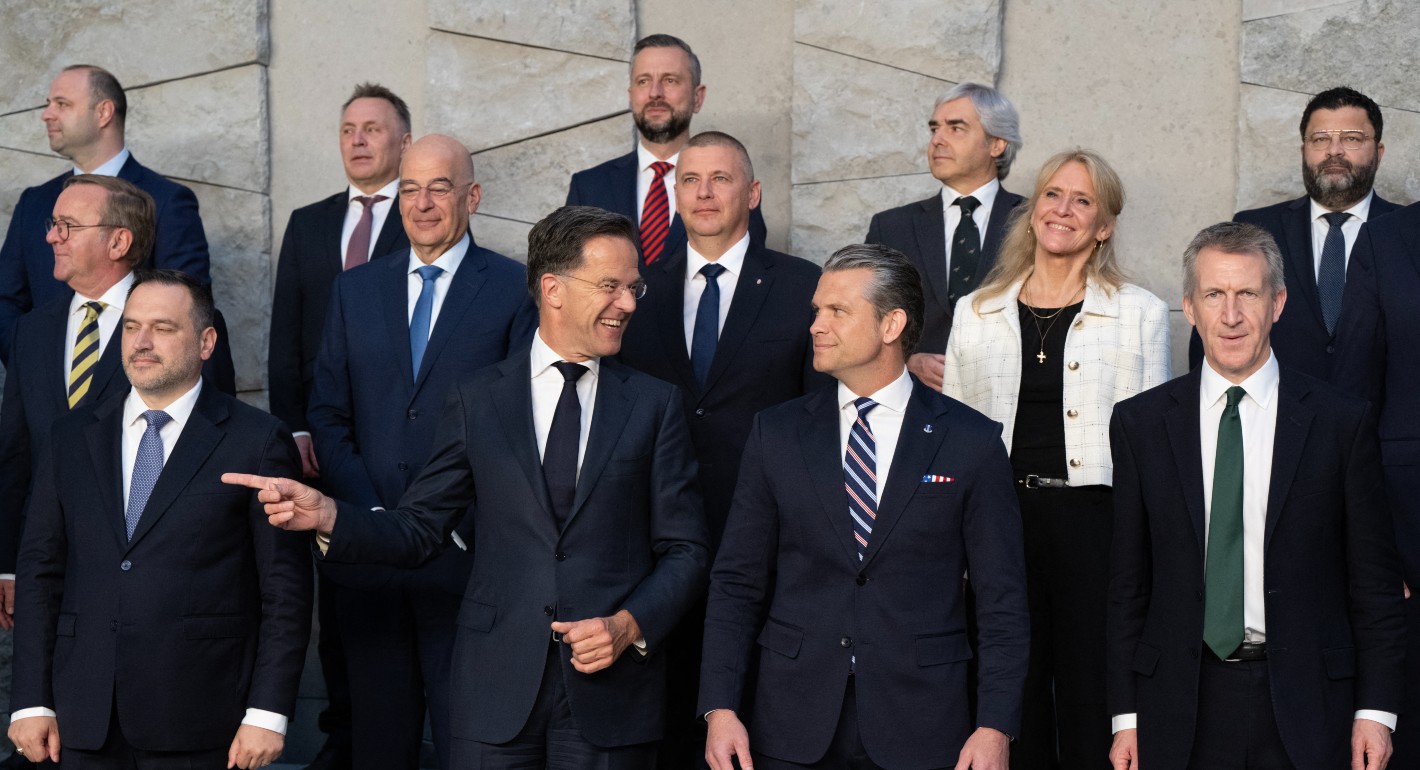
European allies are less focused on appeasing Trump and more focused on smoothing the transition to a Europe-led alliance.


Sophia Besch, Alper Coşkun, Nate Reynolds, …

In Colombia and elsewhere in the region, the United States is trying to shape election outcomes—but at what cost?
Oliver Stuenkel, Adrian Feinberg