

Research
- +5
Herbert Crowther, Darcie Draudt-Véjares, Walter James, …
{
  "authors": [
    "Darcie Draudt-Véjares"
  ],
  "type": "commentary",
  "blog": "Emissary",
  "centerAffiliationAll": "dc",
  "centers": [
    "Carnegie Endowment for International Peace"
  ],
  "collections": [
    "Korea: Emerging Player",
    "Dynamic Governance Risks in Asia"
  ],
  "englishNewsletterAll": "asia",
  "nonEnglishNewsletterAll": "",
  "primaryCenter": "Carnegie Endowment for International Peace",
  "programAffiliation": "AP",
  "programs": [
    "Asia"
  ],
  "projects": [],
  "regions": [
    "South Korea",
    "Asia",
    "East Asia"
  ],
  "topics": [
    "Democracy",
    "Security",
    "Economy",
    "Political Reform"
  ]
}
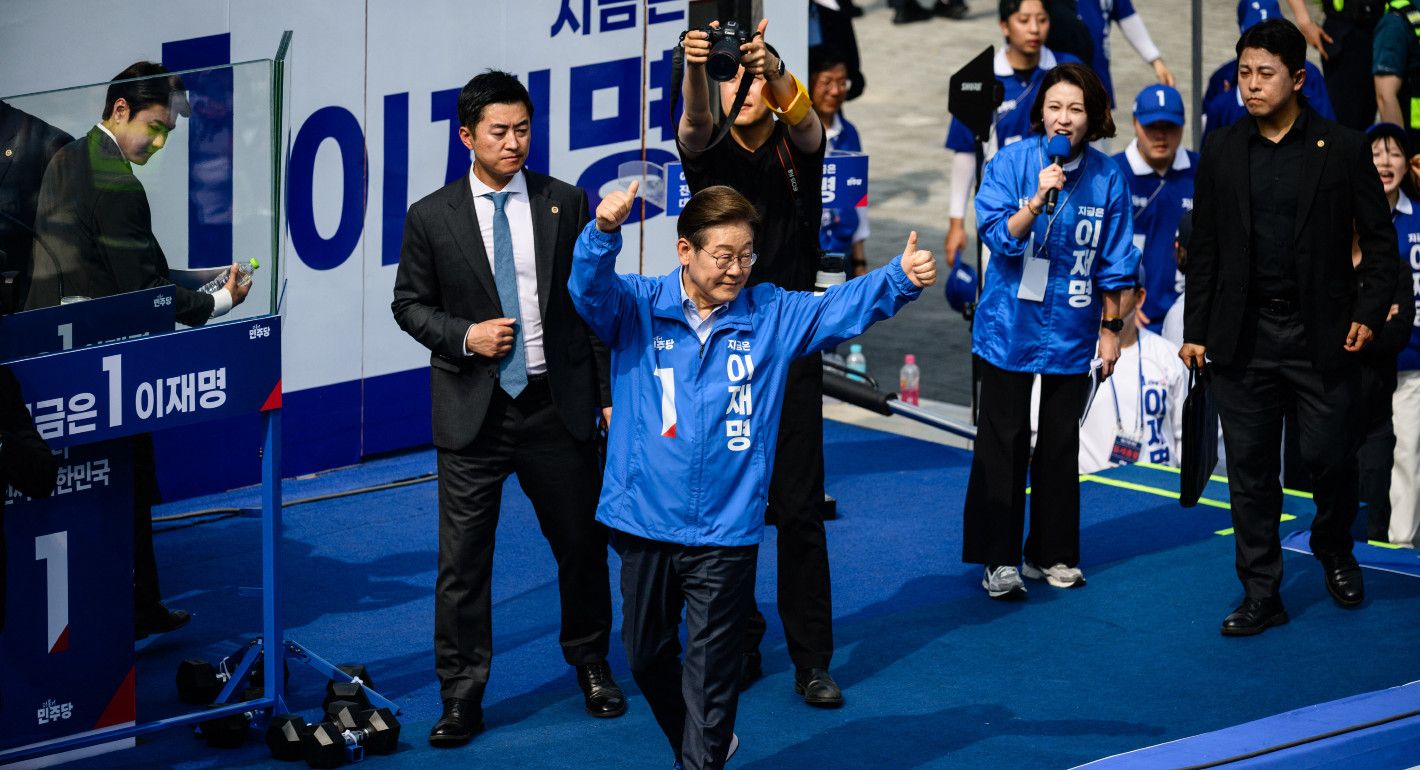
Lee, center, waves during a campaign event on May 21, 2025. (Photo by Anthony Wallace/AFP via Getty Images)
Whether Lee Jae-myung’s posture is a simple campaign tactic or a precursor to strategic renewal will be consequential for both Korean voters and Washington policymakers.
South Korea’s progressive foreign policy tradition is undergoing a profound recalibration. For several decades, the country’s approach to the world has been rooted in inter-Korean engagement and post-authoritarian nationalism that puts ideals ahead of tactics. This shift reflects not only short-term incentives tied to the country’s June 3 presidential election but also deeper anxieties about South Korea’s strategic footing amid intensifying great power competition.
At the center of this transformation is Democratic Party (DP) leader Lee Jae-myung. Lee is not merely the election frontrunner—currently polling at 51 percent, well ahead of conservative challengers Kim Moon-soo (29 percent) and Lee Jun-seok (8 percent)—but also the embodiment of a new strategic posture: one that favors electoral flexibility, economic nationalism, and calibrated engagement with traditional allies over a Peninsula-centric ideological focus.
Lee’s political rise reflects the unraveling of the institutional and generational infrastructure that long anchored progressive foreign policy. Following his razor-thin loss to Yoon Suk Yeol of the conservative People’s Power Party (PPP) in 2022, Lee consolidated control of the DP, sidelining factions aligned with former president Moon Jae-in and elevating loyalists. Yet this power consolidation has not yielded a unified ideological agenda. Like Korea’s other mainline parties, the DP under Lee operates primarily as a personalist vehicle—nimble in messaging, responsive to shifting public moods, and increasingly detached from its historic policy identity.
Invalid video URL
A defining feature of Lee’s 2025 campaign has been his visible shift to the political center, a move widely referred to in South Korean slang as “right-clicking.” Over the past several months, Lee has recast himself not as a populist tribune of the left but as a centrist champion of economic revitalization and national resilience. His messaging emphasizes economic growth, industrial competitiveness, and middle-class security, while blaming the PPP for the current political crisis after Yoon tried to implement martial law and was later impeached. Polling from Gallup Korea suggests this repositioning gained traction: In the most conservative regions of the country, Lee’s polling has climbed from 19 percent to 34 percent (in Daegu and Gyeongbuk) and from 27 percent to 41 percent (in Busan, Ulsan, and Gyeongnam) from the end of March to the end of May.
Political strategists such as Park Sung-min caution, however, that this momentum could stall if Lee’s image as a dominant party leader—backed by a supermajority in the National Assembly—begins to evoke concerns about unchecked power. Park noted that Korean voters retain a deep wariness of absolute power, and Lee’s ability to project moderation while holding sweeping institutional control may prove a delicate balancing act—one that may depend less on the DP’s actions and more on whether the PPP shows real signs of reform. In this sense, Lee and the DP are walking a tightrope between projecting an image of national unity on the one side and evoking perennial concerns over an imperial presidency—which led to the current political crisis in the first place.
Lee’s campaign has deliberately embraced a centrist tack to expand the DP tent. He has muted his once combative rhetorical style and steered clear of polarizing issues unless strategically necessary. Political analyst Yoon Tae-gon notes that Lee has avoided responding directly to the Yoon debacle, which could invite backlash. Meanwhile, Jung Han-wool, a scholar at the Korean Social Research Institute, argues that although Lee’s approach is calibrated to resonate with Korea’s “new center”—a bloc of ambivalent but politically engaged voters—it ultimately misses the mark. According to Jung, what the Korean center wants most now is political stabilization after Yoon, not the ideological commitment to the left or right per se.
But this approach also raises questions about whether Lee’s repositioning is a genuine strategic pivot or a temporary campaign tactic—an uncertainty not limited to his domestic critics. In Washington, alliance-watchers and policymakers remain uncertain about Lee’s long-term intentions.
Once known for his nationalist skepticism toward the United States, Lee now frames the alliance as a pillar of South Korea’s economic and security strategy. In a February 2025 appearance on the popular YouTube channel Sampro TV, Lee described the U.S.–ROK relationship as a “special alliance” that “must be used well,” while cautioning against uncritical alignment: “It is not right to be dragged along unilaterally.” He has called for deeper collaboration in strategic sectors such as shipbuilding and defense—not coincidentally priorities of President Donald Trump’s administration—where South Korea holds comparative advantages over China.
Lee’s balancing act—between measured rhetoric and strategic independence—reflects his broader embrace of transactional pragmatism. He has praised aspects of Trump-era economic nationalism and signaled a willingness to pursue interest-based negotiations with Washington, particularly on defense cost-sharing and industrial cooperation. His February 2025 appointment of Kim Hyun-jong—a veteran of U.S.-ROK free-trade agreement talks and a key trade policy figure in Moon’s administration—underscores a shift toward economic statecraft as the main organizing principle of his foreign policy approach.
Still, warranted doubts remain in Korea and Washington. While this pivot has expanded Lee’s appeal, it has yet to fully reassure policymakers abroad or analysts at home or abroad that these positions will endure beyond the campaign trail. Lee’s economic overtures—such as proposals to ease working-hour limits in semiconductor production—have met with mixed reactions, particularly among moderate voters. A poll commissioned by the Korean Broadcasting System found that only 35 percent of centrists viewed his economic proposals favorably, compared to 37 percent who disapproved.
The core challenge for Lee’s campaign—and his administration, if elected—lies in converting tactical flexibility into a coherent strategic vision. Many observers see his recalibration as more reactive than programmatic, shaped by electoral incentives and shifting political conditions. That fluidity has afforded him room to maneuver during a hotly contested campaign, but it also raises concerns about future policy and governing consistency.
In another sense, Lee’s candidacy represents a test case not only for the viability of a pragmatic, post-ideological foreign policy in South Korea, but also for whether the country’s progressives can build a durable governing consensus that adapts to new geopolitical realities without forfeiting credibility. Whether Lee’s current posture is a precursor to strategic renewal or merely a campaign-era veneer remains a consequential question for both Korean voters and policymakers in Washington.
The latest from Carnegie scholars on the world’s most pressing challenges, delivered to your inbox.

Fellow, Asia Program
Darcie Draudt-Véjares is a fellow for Korea studies in the Asia Program at the Carnegie Endowment for International Peace. Her research focuses on South Korean political economy, governance, and foreign policy, particularly the intersection of economics, technology, and geopolitics.
Recent Work

Herbert Crowther, Darcie Draudt-Véjares, Walter James, …
Darcie Draudt-Véjares
Carnegie does not take institutional positions on public policy issues; the views represented herein are those of the author(s) and do not necessarily reflect the views of Carnegie, its staff, or its trustees.
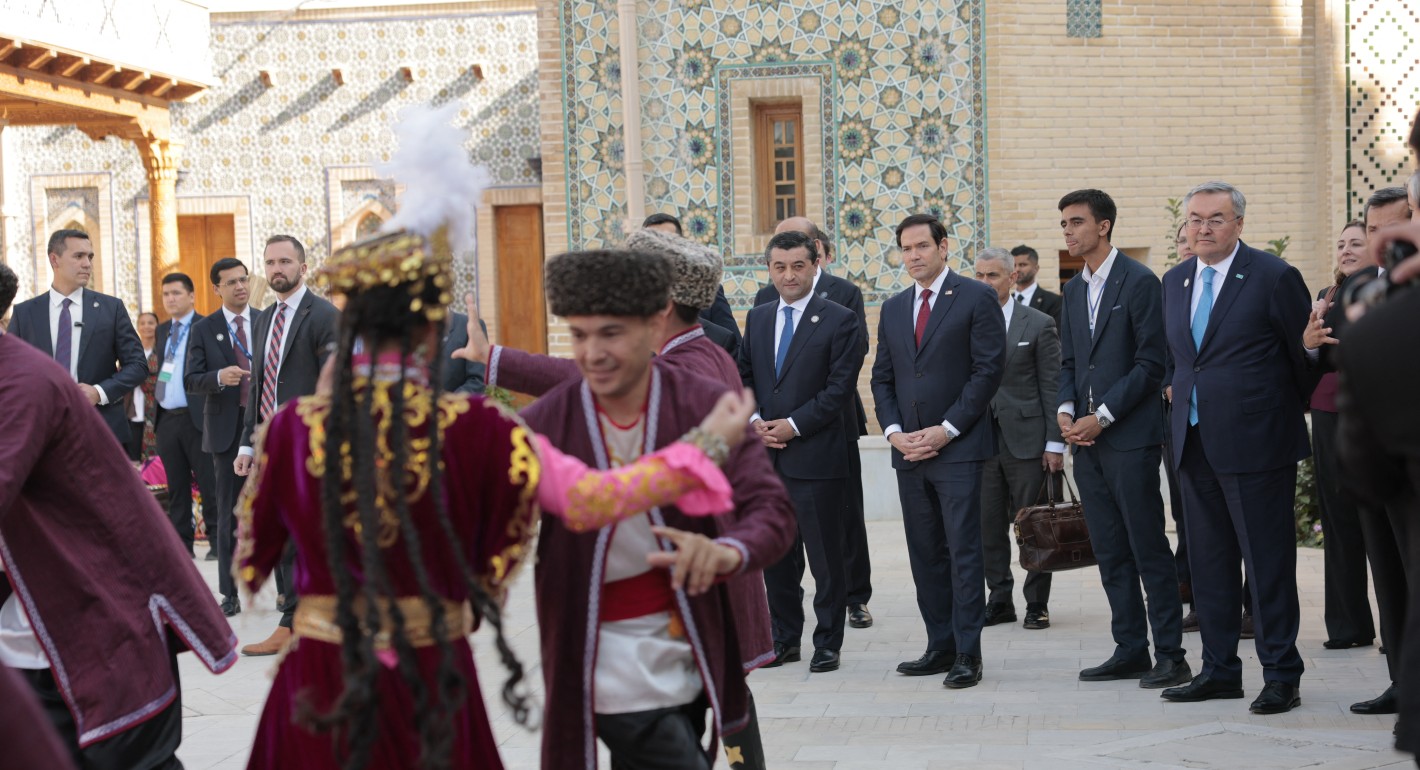
Rubio’s recent visit brought welcome attention, but more capital requires governance changes that may be a hard sell for regional governments.

Jennifer B. Murtazashvili
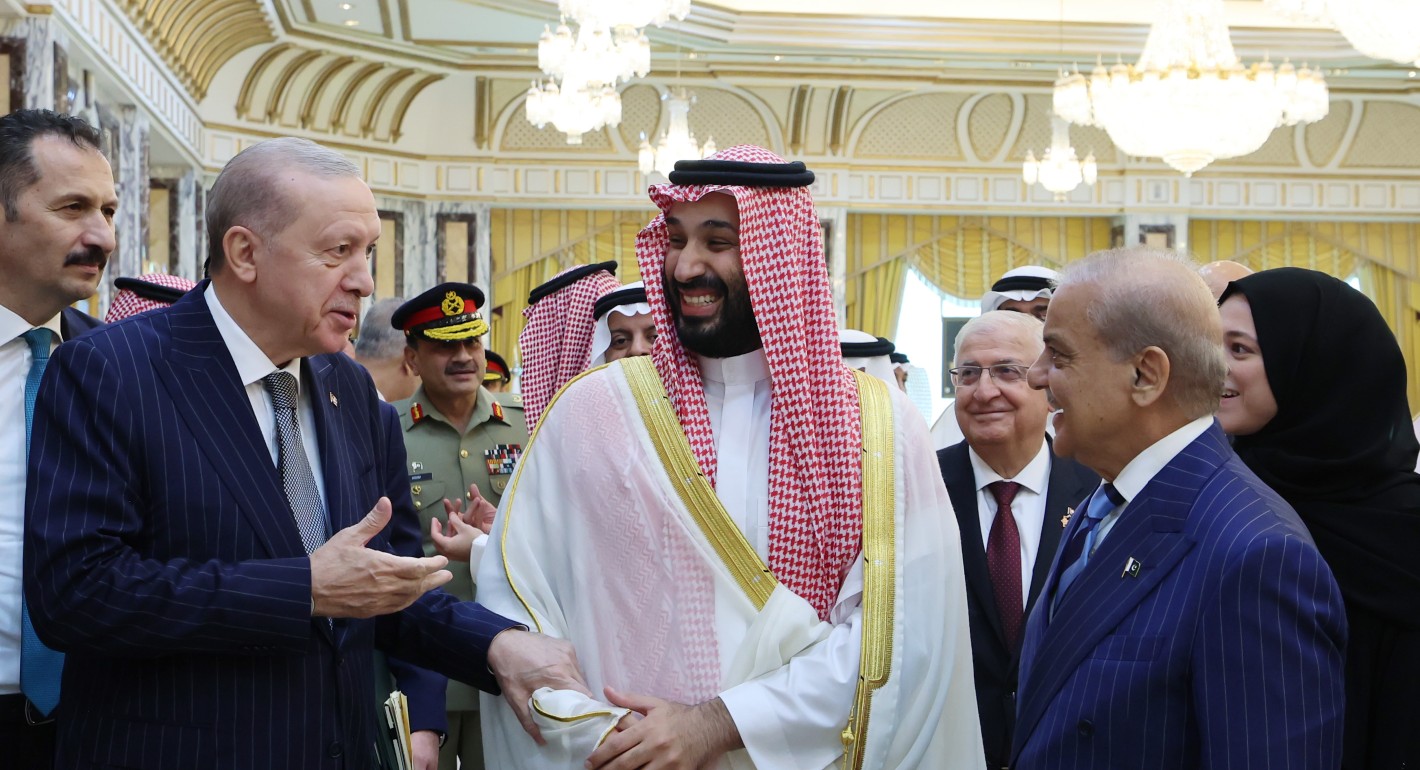
Why Pakistan, Saudi Arabia, and Turkey are joining forces on regional security.


Alper Coşkun, Amr Hamzawy

Despite public disputes over trade and immigration, the strategic partnership’s foundations remain sturdy.

Sameer Lalwani

It signals a new era of tech diffusion and warfare.

Steve Feldstein
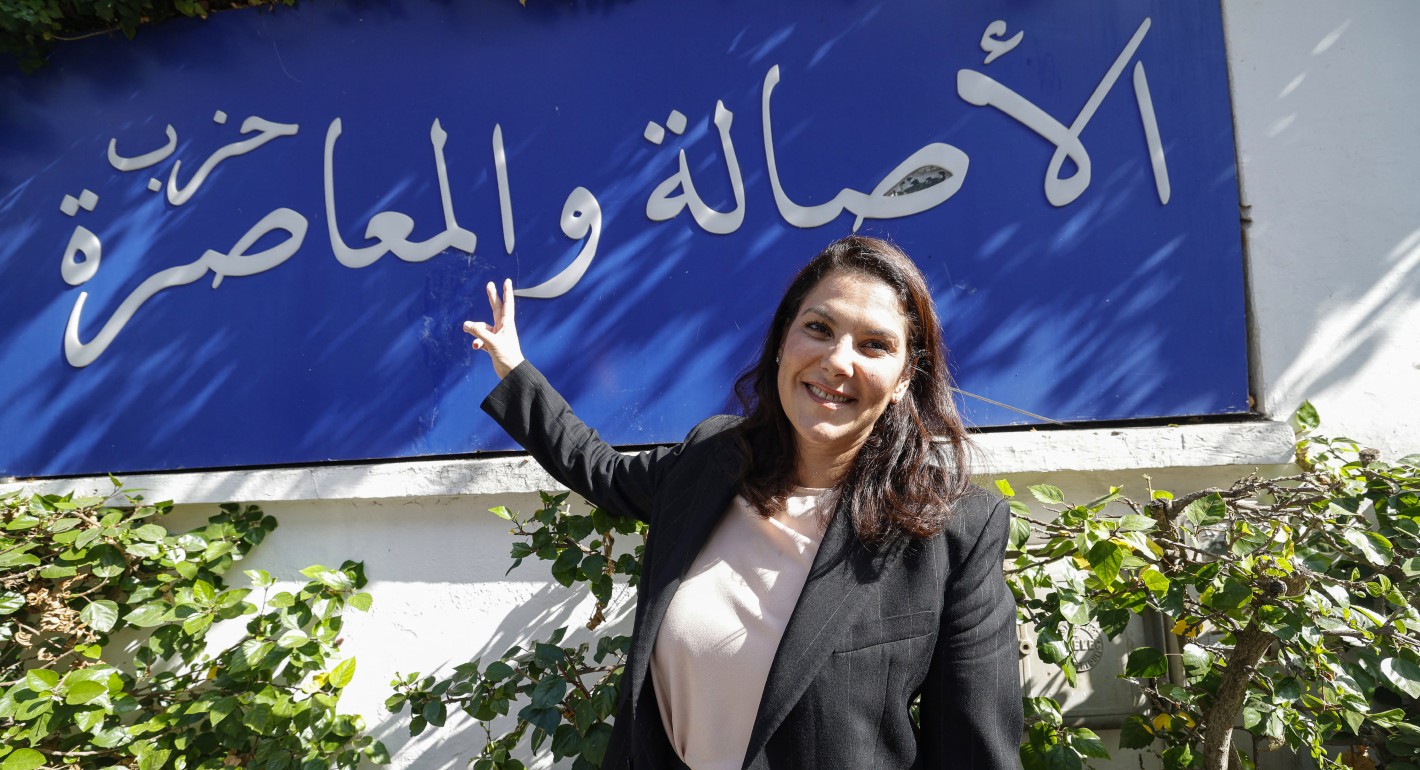
Fatima El Mansouri is the country’s first female prime minister. She’s also a privileged insider in a largely ceremonial position.

Sarah Yerkes