

Commentary
Mark Baldassare, Ian Klaus
{
  "authors": [
    "Ian Klaus"
  ],
  "type": "commentary",
  "blog": "Emissary",
  "centerAffiliationAll": "dc",
  "centers": [
    "Carnegie Endowment for International Peace"
  ],
  "collections": [
    "Trans-Pacific Relationships"
  ],
  "englishNewsletterAll": "ctw",
  "nonEnglishNewsletterAll": "",
  "primaryCenter": "Carnegie Endowment for International Peace",
  "programAffiliation": "CC",
  "programs": [
    "Carnegie California"
  ],
  "projects": [],
  "regions": [
    "United States"
  ],
  "topics": [
    "Democracy",
    "Civil Society",
    "Subnational Affairs"
  ]
}

Protesters and National Guardsmen in Los Angeles on June 10, 2025. (Photo by Benjamin Hanson/Middle East Images/AFP via Getty Images)
President Donald Trump and the state of California have long had an uneasy relationship. In the November 2024 election, Trump increased his vote share in the vast majority of California counties. Then, in early January, fires ravaged areas in and around Los Angeles, leaving behind a vast recovery effort in need of federal support.
So, for a moment in early 2025, a moratorium on vitriol seemed to develop between the president and the state’s political leadership. “There can be no golden age without the Golden State,” declared the president, while Governor Gavin Newsom spoke of a “hierarchy of needs” that put fire recovery above other priorities.
But neither national nor state policies or politics would support such an accord. The return to rhetorical and legislative antagonism between a Republican president and Congress and a state governed by Democrats felt a bit inevitable. Yet the events this month seem to go past the usual tension between Washington and Sacramento.
The Trump administration has deployed the state’s National Guard as well as active-duty Marines, previously stationed at Twentynine Palms, to downtown Los Angeles. The proximate reason for the deployment was protests—some of which are reported to have included vandalism, looting, and the destruction of property—by Angelenos against raids by U.S. Immigration and Customs Enforcement across the city. Demonstrations that were largely isolated appear to be spreading throughout Los Angeles and to other American cities. The president has floated the idea of arresting Newsom, the governor of the most populous state that also boasts the most active-duty service members.
That the Trump administration and California would find themselves at odds over immigration is hardly surprising. The president has made immigration issues central to his political identity, while California’s economy, culture, architecture, infrastructure, and history are products of decades of migration. The first Trump administration threatened to withhold Department of Transportation funding over the state’s sanctuary cities.
The difference now is that—in a political contest shaped by fiscal levers, judicial jousting, and state and federal legislation—the president has introduced military force. The previous politics were administrative and often abstruse, fought via legal briefs and subnational coalitions. The new politics has introduced not only new power but also new imagery, with the potential to accelerate the already rapidly changing terrain that is U.S. politics and democracy.
The first few months of the Trump administration put previously unseen pressure on California institutions, including its public university system, but the broad parameters of the typical political contest between Sacramento and the administration were familiar.
From Washington, administration officials sought to influence California policies by targeting funding, such as from the Federal Emergency Management Agency for fire recovery and the Department of Transportation for high-speed rail. In turn, senior state officials sought to limit the impact of new federal policies, most notably around trade, through judicial means.
Meanwhile, the Republican-led Congress moved to limit the ability of California lawmakers to implement policies that impact markets and jurisdictions beyond the state’s borders. The specific action relates to California’s 2035 electric vehicle mandate, but the larger question relates to the so-called California effect, in which the state’s policies influence other jurisdictions around the world due to its economic size. (When we asked Californians in 2023 how comfortable they were with this influence, nearly 50 percent of respondents were at least somewhat supportive, but with dramatic splits between Republicans and Democrats.)
Similar contests occurred during Trump’s first term, when then governor Jerry Brown made efforts to lead globally on climate change after the administration pulled out of the Paris Agreement. In 2018, the Supreme Court upheld California’s ability to implement legislation around animal rights that would influence pork producers around the country, thereby reinforcing the California effect.
Now, the script has seemingly flipped: rather than contesting California’s influence and role in the world, the Trump administration is flexing its own might in the state.
But Los Angeles is difficult to control. By many measures—size, economy, energy, creativity—it is one of the world’s great cities. But even more than most great cities, it is the product of imagery and narratives, captured on screens and in stories. Its architecture is not just buildings, but—as critic Reyner Banham pointed out—highways, hot dogs, and surfboards. London has Christopher Wren’s steeples. LA has the Watts Towers.
The relationships between the federal government and subnational jurisdictions—whether states, counties, or cities—are complex products of administrative and constitutional law, the domain of policymakers, bureaucrats, and experts. During both Democratic and Republican administrations, they are renegotiated and tested and defy easy explanation or iconography. But the streets of Los Angeles are a known iconic quantity—as is the U.S. military.
LA residents, the National Guard, and the Marines are being put in a very difficult spot. The deployment of military force to its streets will, like so much in California, have extrajurisdictional influence. It’s an exercise of power, but also a political act that will produce visuals and rhetoric around it. Anxious democracy advocates and ambitious autocrats around the world will be watching.
The latest from Carnegie scholars on the world’s most pressing challenges, delivered to your inbox.
Founding Director, Carnegie California
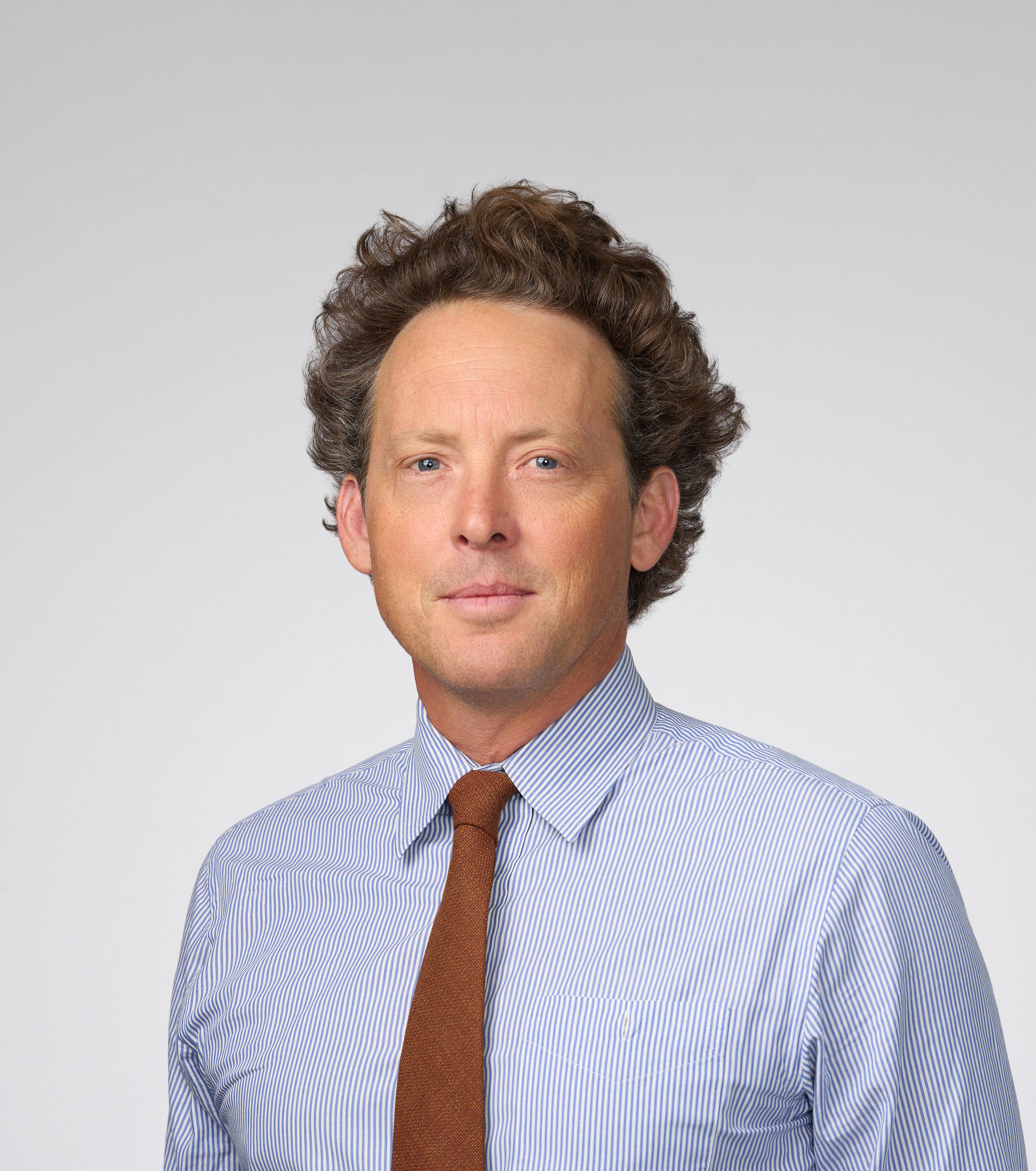
Ian Klaus is the founding director of Carnegie California. He is a leading scholar on the nexus of urbanization, geopolitics, and global challenges, with extensive experience as a practitioner of subnational diplomacy.
Recent Work
Mark Baldassare, Ian Klaus
Scott Singer, Jon Bateman, Michael Chen, …
Carnegie does not take institutional positions on public policy issues; the views represented herein are those of the author(s) and do not necessarily reflect the views of Carnegie, its staff, or its trustees.
Even if the administration maintains its broader trade policy, it should use tariffs more strategically and work with U.S. partners, not against them.
Barbara Weisel
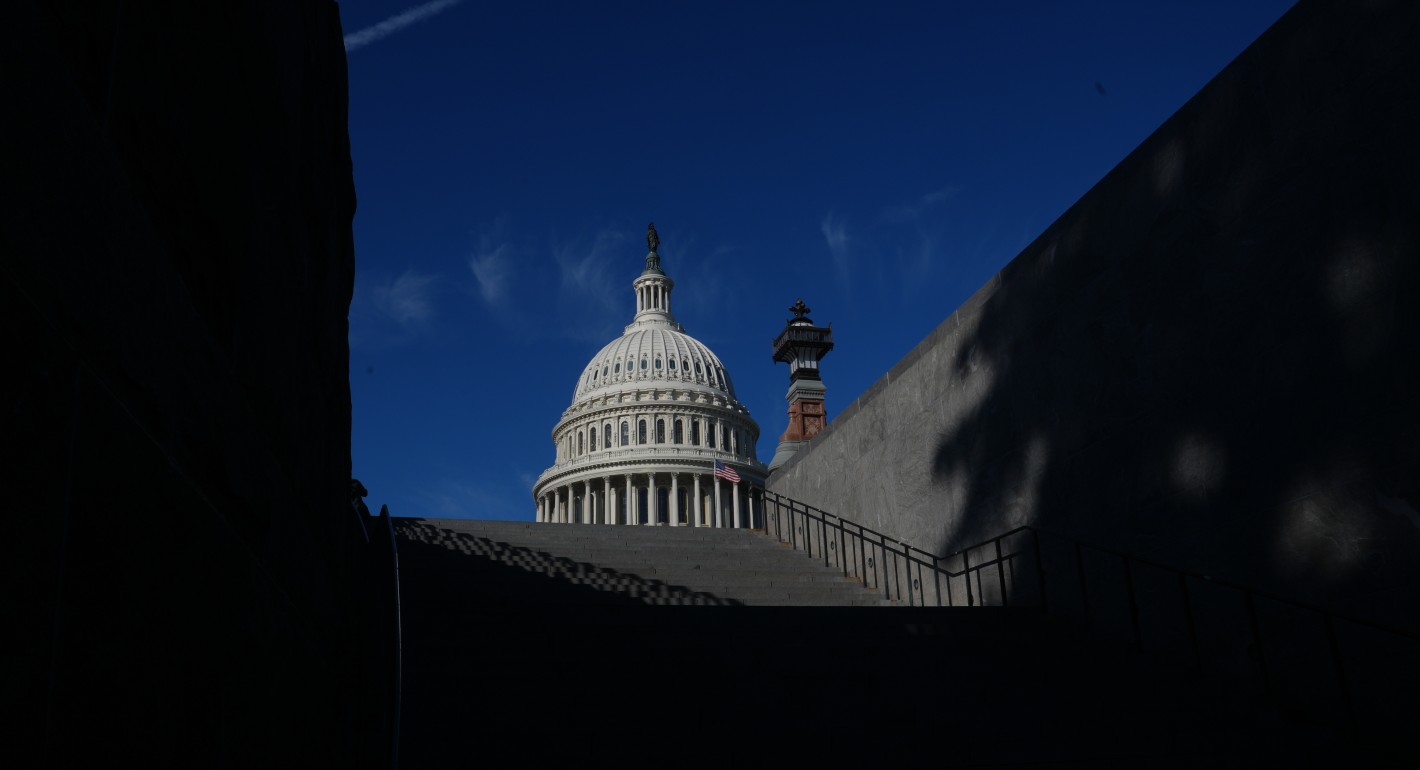
Democrats now have the gavel and the purse, but the executive branch still pulls the levers on the U.S. role in the world.
James M. Acton, Dan Baer, Mark Baldassare, …
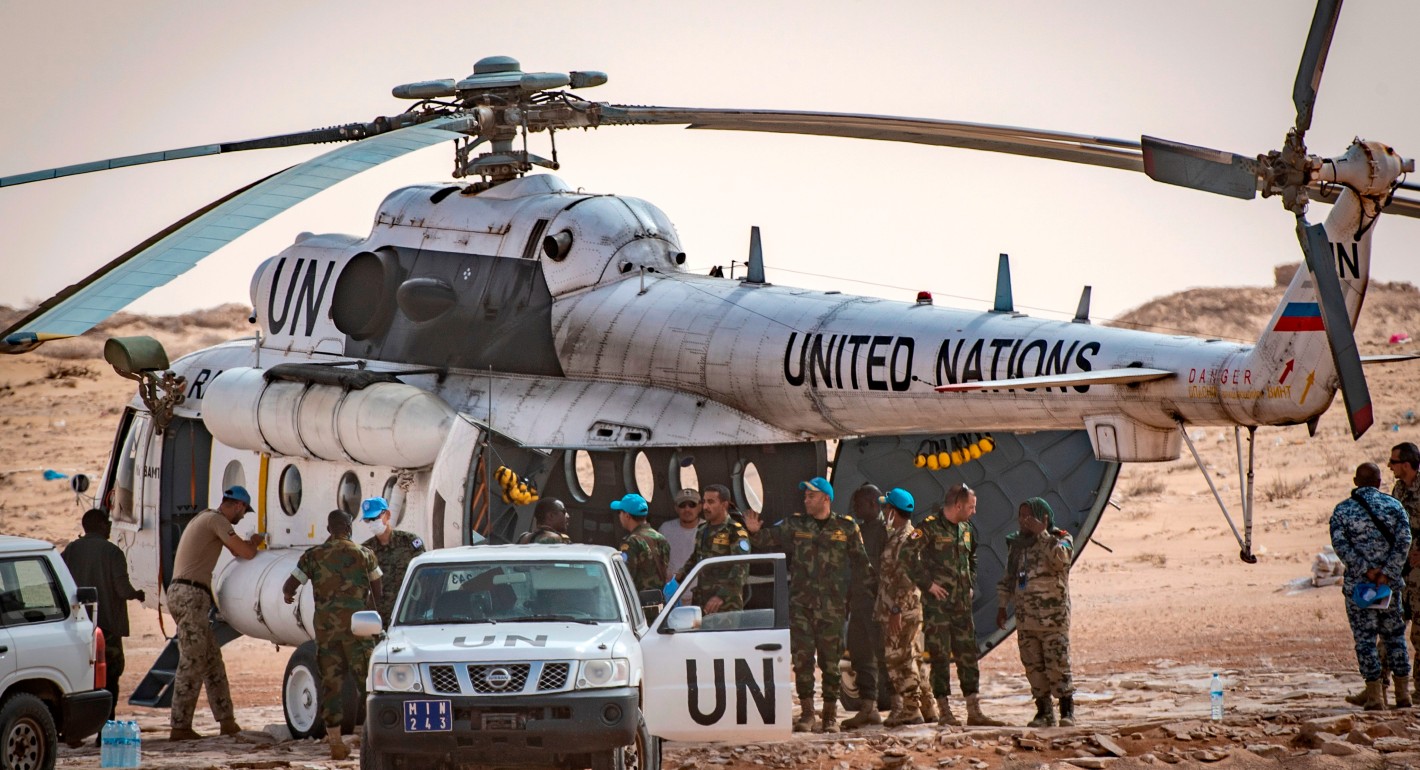
MINURSO’s renewal by the Security Council became highly politicized. Its expiration brings concerns about renewed violence and the future of demining efforts.
Sarah Yerkes
How Capitol Hill might reassert checks on the executive branch.
Jennifer Hendrixson White
Carnegie’s Middle East Program scholars reflect on the impasse and its potential impacts on the Middle East.
Nathan J. Brown, Alper Coşkun, Amr Hamzawy, …