

Commentary
Rubio’s recent visit brought welcome attention, but more capital requires governance changes that may be a hard sell for regional governments.
Jennifer B. Murtazashvili
{
  "authors": [
    "Philip Gamaghelyan",
    "Zaur Shiriyev"
  ],
  "type": "commentary",
  "blog": "Emissary",
  "centerAffiliationAll": "dc",
  "centers": [
    "Carnegie Endowment for International Peace"
  ],
  "collections": [
    "Aso Tavitian Initiative"
  ],
  "englishNewsletterAll": "ctw",
  "nonEnglishNewsletterAll": "",
  "primaryCenter": "Carnegie Endowment for International Peace",
  "programAffiliation": "russia",
  "programs": [
    "Russia and Eurasia"
  ],
  "projects": [],
  "regions": [
    "Caucasus",
    "Armenia",
    "Azerbaijan",
    "United States"
  ],
  "topics": [
    "Domestic Politics",
    "Foreign Policy"
  ]
}
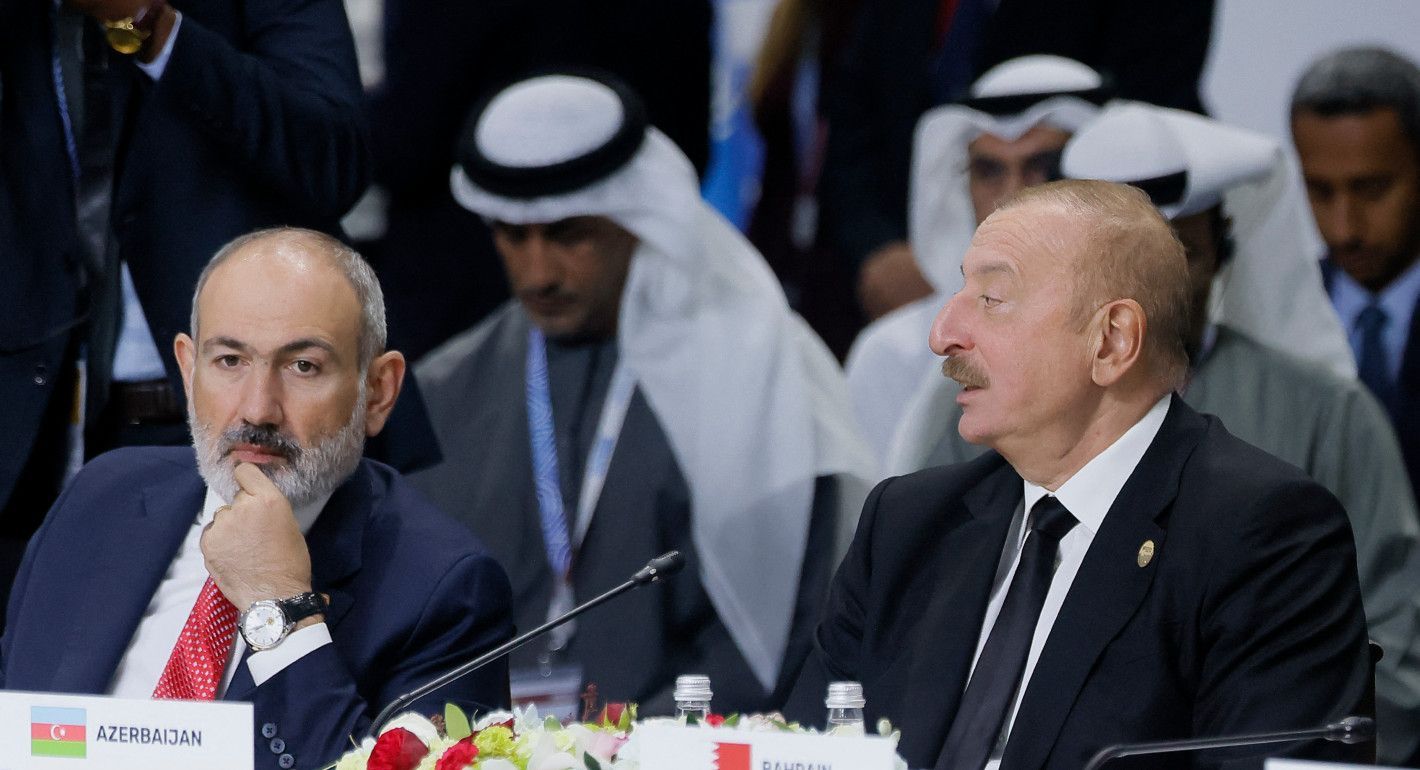
Aliyev and Pashinyan attend a plenary session at the BRICS summit in Kazan on October 24, 2024. (Photo by Maxim Shemetov/pool/AFP via Getty Images)
Whether the Washington summit marks a breakthrough or distraction will depend on both leaders’ commitment to finish what they started.
When Armenian Prime Minister Nikol Pashinyan and Azerbaijani President Ilham Aliyev meet in Washington on Friday, the optics will be irresistible: flags, handshakes, and the promise of peace under American patronage. A few documents likely will be signed—some symbolic, others potentially more consequential, such as a deal on regional connectivity. All progress and external support for the peace process is certainly welcome. Yet it’s important not to lose sight of an important achievement: bilateral direct engagement that has brought the two sides closer to peace than decades of external mediation did. That progress is fragile. This summit could mark a breakthrough, or Washington could turn it into a distraction. The outcome will depend less on the symbolism of the moment and more on the commitment of both leaders to finish what they have started.
Since the outbreak of war between Armenia and Azerbaijan in the early 1990s, the two countries have rarely communicated directly. They fought by relying on allies and negotiated through mediators, each seeking a sympathetic sponsor among the great powers. This pattern persisted after the Second Karabakh War in 2020, when mediation turned into geopolitical competition— Russia on one side, Brussels and Washington on the other, more often hindering than helping the cause of peace.
The impediment to peace has not only been the rivalry among foreign capitals, but also the postimperial mindset of local actors themselves. Emerging from the long shadows of Ottoman, Persian, British, and Russian empires, the states of the South Caucasus developed habits of vertical diplomacy. They looked up to distant metropoles to protect their interests and rarely across the border to their neighbors.
That pattern began to shift in 2023. Baku and Yerevan abandoned the practice of “forum shopping” for friendly mediators and turned instead to direct bilateral talks. Progress was swift. In just two years, they came closer to a final peace agreement than they had in decades of externally managed negotiations.
A key breakthrough came last month, when Pashinyan and Aliyev met in Abu Dhabi shortly after their teams finalized the text of a peace accord. Their public recommitment to completing the process was widely praised—but similar opportunities have come and gone before.
Two dangers now loom. The first is the residual instinct in both capitals to look abroad for validation, security guarantees, or financial sweeteners. The second is the risk of external powers, wittingly or not, playing the role of spoilers.
Of the two, the first is more fundamental. The past two years have seen real movement in Baku and Yerevan toward taking ownership of their relations as sovereign states—an overdue break from colonial dependencies. Yet even as they near a final agreement, both sides continue to cast expectant glances toward foreign powers. They may be looking in vain.
Understandably, both capitals, having relatively predictable relations with Russia and the EU, now seek to improve ties with the new U.S. administration—one of the reasons both are at the White House. But history shows that when one foreign capital attempts to take the lead in the peace process, rival capitals react, often derailing progress. The era of altruistic great-power engagement is over. The West, like Russia, now deals in interests, not ideals. Moreover, what used to be relatively stable Western foreign policy, especially America’s, has become increasingly erratic.
Any renewed Western involvement is unlikely to be a gift; more likely, it would be an attempt to supplant Moscow’s influence with Washington’s, risking backlash, instability, and eventual retreat. Russia sought control of trade routes between Azerbaijan and Armenia, which both sides now reject. Washington’s attempt to instill itself as the sole extraterritorial peacemaker would give Moscow and Tehran, as well as possible other detractors locally and globally, a pretext to obstruct and raise political costs of the possible peace agreement.
Relying on the West to once again assume leadership in the peace process and act as an arbiter between the sides could unravel the fragile progress made through bilateral diplomacy. Worse, it could strip Armenia and Azerbaijan of the agency they have only recently begun to exercise. At this juncture, progress would be best served if the sides were to coordinate in advocating that outside attention focus on supporting the bilaterally reached agreement, rather than attempting to assert patronage over it.
Washington and Brussels could still get a seat at the table, assuming their proposed role is practical and offers mutual benefits to the West and the conflict parties. Such offerings could include funding to reopen connectivity routes for a new West-to-East corridor and for border demarcation, mine action, and incident prevention. They could also include interoperable customs and digitized transit audited by neutral experts, without any carve-outs from sovereign jurisdiction. Proposals hinting at extraterritorial “leases” or managed corridors merely reprise hierarchies that the parties have already rejected from regional powers. Overseas actors are even less likely to succeed in such endeavors. The more uncoordinated and self-serving the West appears, the more likely the two states are to placate the great powers while deepening ties with regional actors to their south, east, and even north.
Western engagement, grounded in mutual benefit and respect for local agency, remains possible. Washington may enjoy the spotlight with this meeting, but Brussels should not leave the stage. Although the same level of agility we see from Moscow and Washington is unreasonable to expect from Brussels due to bureaucracy and competing interests of member states, the EU brings the tools that count: finance, standards, and implementation. Investments in green energy, infrastructure, postconflict reconstruction, and bilateral reconciliation are better bets than Washington’s grandstanding or micromanagement.
Symbolism now must be replaced with substance and acknowledgment of local agency. The parties should sign the agreement they have negotiated and keep the pen, while outsiders support implementation rather than authorship. Judge peace not by speeches or photo ops, but by trains that run, customs that clear, and borders that stay quiet.
The latest from Carnegie scholars on the world’s most pressing challenges, delivered to your inbox.
Philip Gamaghelyan
Philip Gamaghelyan is an associate professor at the University of San Diego and editor of Caucasus Edition.

Nonresident Scholar, Carnegie Russia Eurasia Center
Zaur Shiriyev is a nonresident scholar at the Carnegie Russia Eurasia Center.
Carnegie does not take institutional positions on public policy issues; the views represented herein are those of the author(s) and do not necessarily reflect the views of Carnegie, its staff, or its trustees.
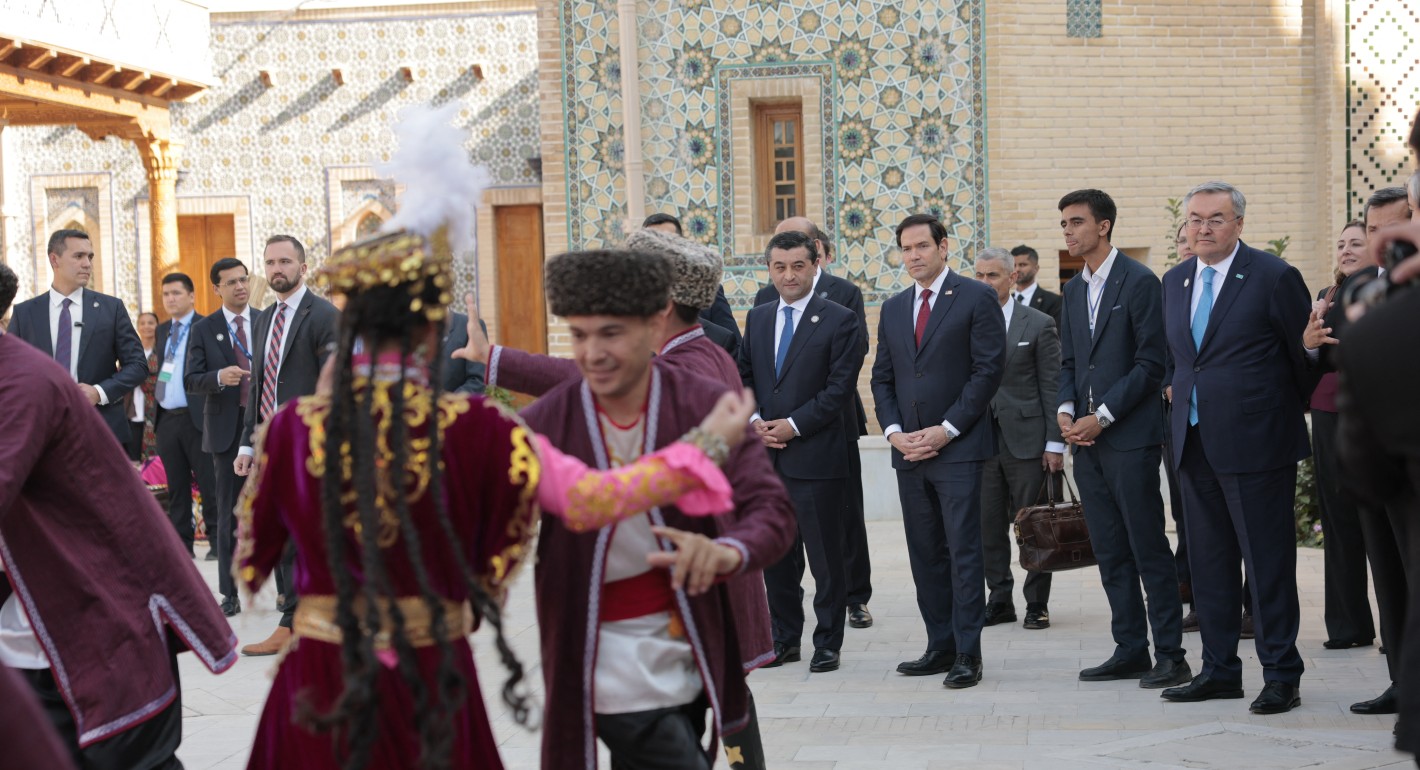
Rubio’s recent visit brought welcome attention, but more capital requires governance changes that may be a hard sell for regional governments.

Jennifer B. Murtazashvili
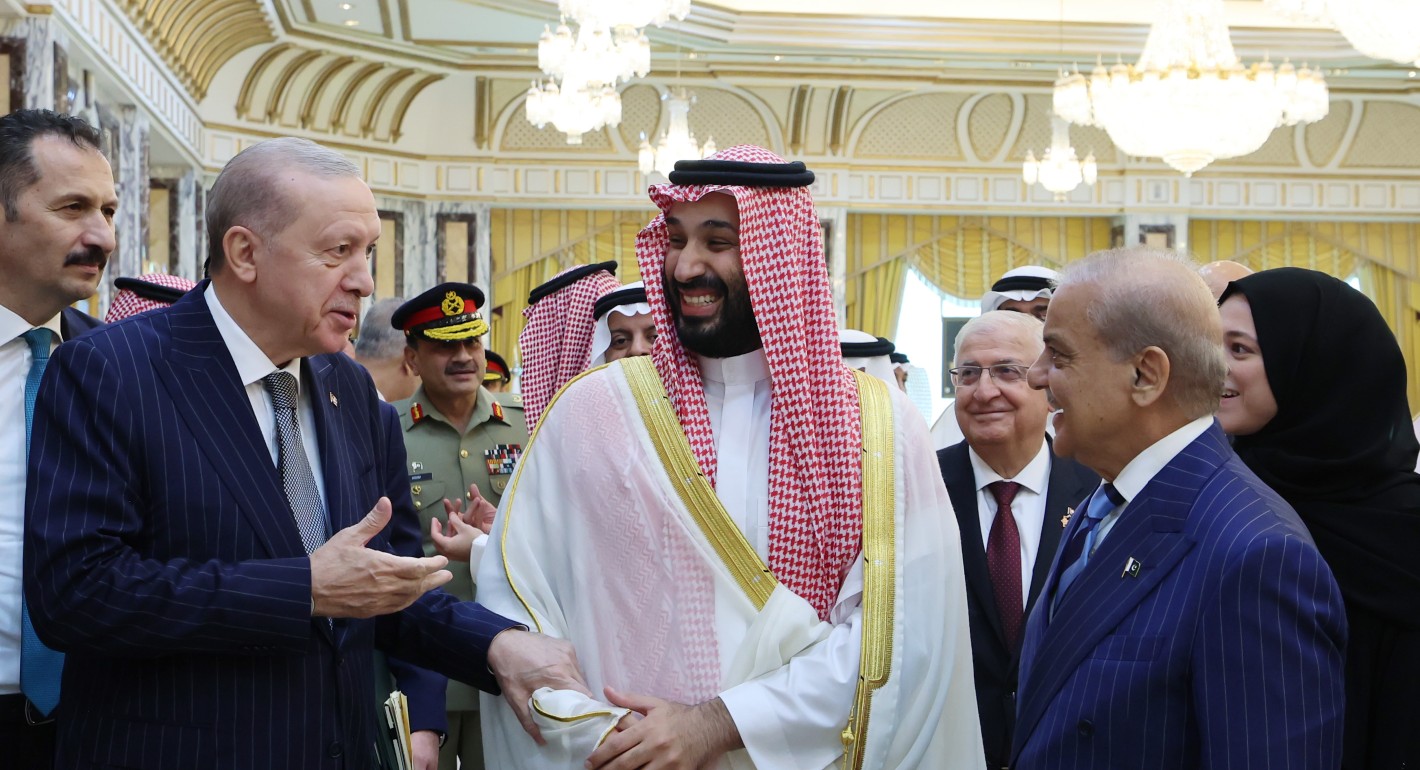
Why Pakistan, Saudi Arabia, and Turkey are joining forces on regional security.


Alper Coşkun, Amr Hamzawy

Despite public disputes over trade and immigration, the strategic partnership’s foundations remain sturdy.

Sameer Lalwani

It signals a new era of tech diffusion and warfare.

Steve Feldstein

Despite its flop at the box office, the film raises important questions for the climate community to answer.

Leonardo Martinez-Diaz