

Commentary
Neither the Abraham Accords nor the presence of large U.S. bases are enough to protect Arab Gulf states.
Marwan Muasher
{
  "authors": [
    "Amr Hamzawy",
    "Sarah Yerkes"
  ],
  "type": "commentary",
  "blog": "Emissary",
  "centerAffiliationAll": "dc",
  "centers": [
    "Carnegie Endowment for International Peace"
  ],
  "englishNewsletterAll": "menaTransitions",
  "nonEnglishNewsletterAll": "",
  "programAffiliation": "MEP",
  "programs": [
    "Middle East"
  ],
  "regions": [
    "Middle East",
    "Iran",
    "United States"
  ],
  "topics": [
    "Democracy",
    "Foreign Policy",
    "Domestic Politics",
    "Security"
  ]
}
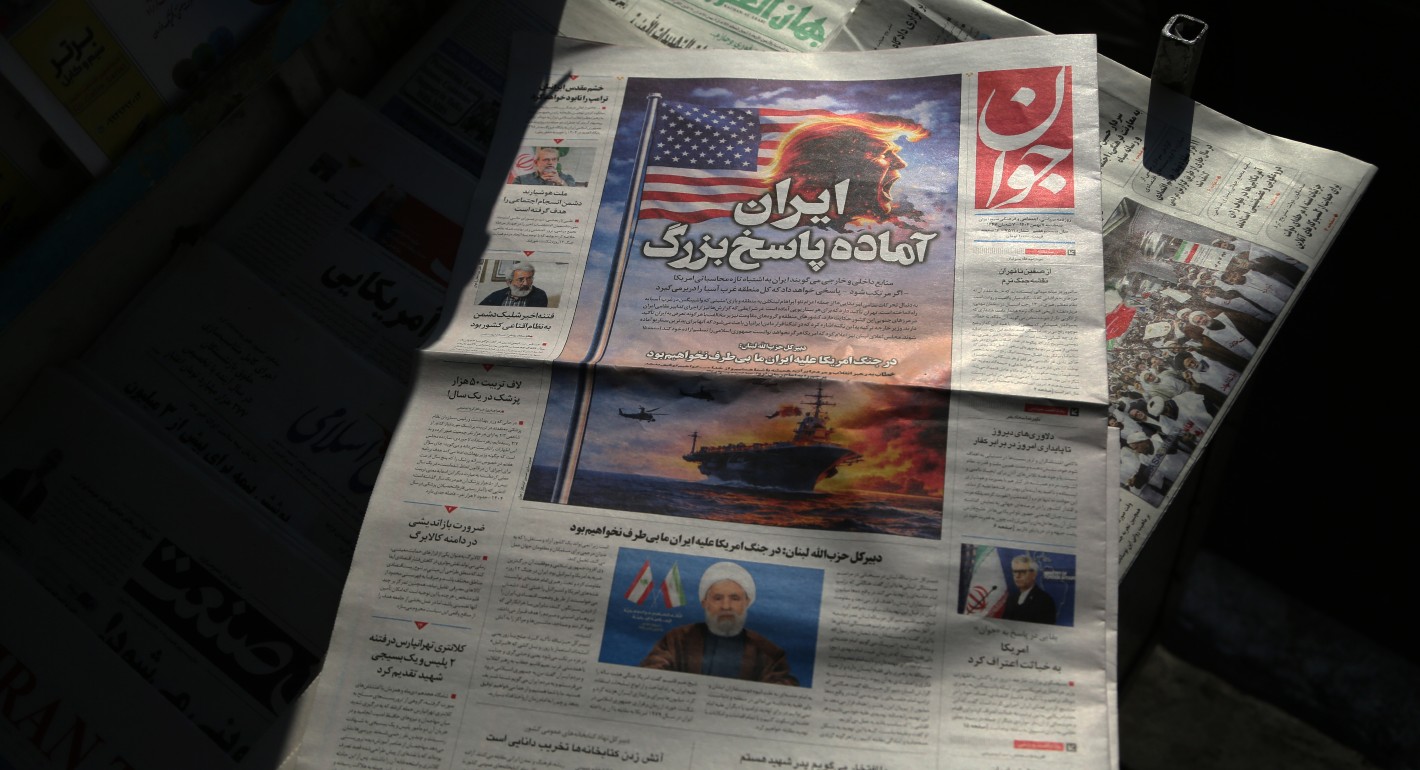
Newspapers in Tehran on January 28, 2026. (Photo by Fatemeh Bahrami/Anadolu via Getty Images)
The uprisings showed that foreign military intervention rarely produced democratic breakthroughs.
With popular protests in Iran receding rather than escalating, the United States faces a narrower but still consequential set of policy options. The experience of the Arab Spring underscores that external military intervention amid domestic upheaval rarely produces democratic breakthroughs and more often entrenches disorder. In Syria, Libya, and Yemen, foreign military involvement during moments of popular mobilization destroyed already fragile state institutions, militarized political competition, and generated prolonged civil wars whose regional spillovers continue to destabilize the Middle East. These cases suggest that even when regimes face legitimacy crises, intervention does not translate social protest into political reform. Instead, it collapses the political arena into armed conflict.
Equally important, threatening military action against a regime confronting internal unrest tends to harden authoritarian behavior rather than moderate it. When rulers interpret external pressure as an existential threat, they are more likely to frame domestic opposition as an extension of foreign hostility and to treat politics as a zero-sum struggle for survival. The Arab Spring offers ample evidence that such dynamics intensify repression, close off space for reformist actors within incumbent regimes, and marginalize nonviolent opposition. In Iran’s case, U.S. military threats risk reinforcing the security establishment’s dominance and legitimizing harsher internal controls, even as popular mobilization loses momentum.
But the United States still has a viable strategy, one that would prioritize calibrated incentives and sanctions aimed at shaping regime behavior without triggering collapse or militarization. Targeted sanctions can remain a tool for constraining the most coercive elements of the regime, but they should be paired with credible pathways for economic relief and diplomatic engagement tied to measurable reforms. This approach acknowledges political realities: Regimes under pressure are unlikely to concede reforms unless they can frame them as stabilizing rather than capitulatory. Conditional incentives—economic access, sanctions relief, or regional de-escalation arrangements—can strengthen pragmatic actors within the regime while avoiding the destructive consequences associated with external coercion.
Ultimately, U.S. policy toward Iran should be guided less by the pursuit of rapid political transformation and more by the management of risk in an already volatile region. The Arab Spring demonstrated that destabilizing regimes through force or maximalist pressure often produces outcomes worse than the status quo, both for societies in transition and for regional security. Working—however imperfectly—with existing power structures to encourage gradual reform may be frustrating and slow, but it remains the most reliable option for advancing U.S. interests while avoiding another cycle of collapse, repression, and regional spillover.
Washington can pursue four nonviolent, concrete measures that combine pressure with inducements. Such measures would be aligned with the preferences of Saudi Arabia, the United Arab Emirates, Qatar, Turkey, and Egypt—key Middle Eastern middle powers that oppose military confrontation with Iran out of concern for regional destabilization.
First, the United States can reframe sanctions as conditional and reversible instruments rather than permanent punishment. This would involve clearly articulating specific steps—on nuclear transparency, regional de-escalation, or domestic governance issues—that would trigger partial sanctions relief, particularly in sectors affecting civilian welfare. Such clarity would undercut claims of regime hardliners that concessions yield no benefits and threaten regime survival.
Second, Washington can actively support and work through regional de-escalation frameworks in which middle powers already play a mediating role. Encouraging and quietly backing Saudi-Iranian and Gulf-Iranian dialogue, as well as Turkish and Egyptian openings toward Iran, allows the United States to influence Iranian behavior indirectly while lowering the temperature of regional rivalries. These states possess economic, diplomatic, and security channels with Tehran that Washington lacks, and they have strong incentives to prevent a slide toward war that would threaten energy markets, maritime security, and internal stability.
Third, the United States can expand humanitarian exemptions, educational exchanges, and other people-to-people channels while protecting them from being subjected to sanctions. Such measures can mitigate the societal costs of isolation and prevent the regime from monopolizing narratives of siege and resistance. Importantly, these steps signal that U.S. policy distinguishes between the Iranian state and Iranian society, reducing the regime’s ability to justify repression as a response to foreign hostility.
Finally, Washington should coordinate closely with middle powers to establish a shared red line against military escalation while maintaining unified diplomatic pressure for incremental change. A visible convergence between U.S. and regional positions—opposing war, favoring de-escalation, and advocating gradual reform—would deprive Tehran of opportunities to exploit divisions and would reinforce the message that stability and reform are not mutually exclusive.
In an already volatile Middle East, nonviolent, regionally coordinated policies offer the best chance of influencing Iran’s trajectory without falling into the trap of military intervention and domestic disorder that several cases of the Arab Spring demonstrated.

Director, Middle East Program
Amr Hamzawy is a senior fellow and the director of the Carnegie Middle East Program. His research and writings focus on governance in the Middle East and North Africa, social vulnerability, and the different roles of governments and civil societies in the region.

Senior Fellow, Middle East Program
Sarah Yerkes is a senior fellow in Carnegie’s Middle East Program, where her research focuses on Tunisia’s political, economic, and security developments as well as state-society relations in the Middle East and North Africa.
Carnegie does not take institutional positions on public policy issues; the views represented herein are those of the author(s) and do not necessarily reflect the views of Carnegie, its staff, or its trustees.
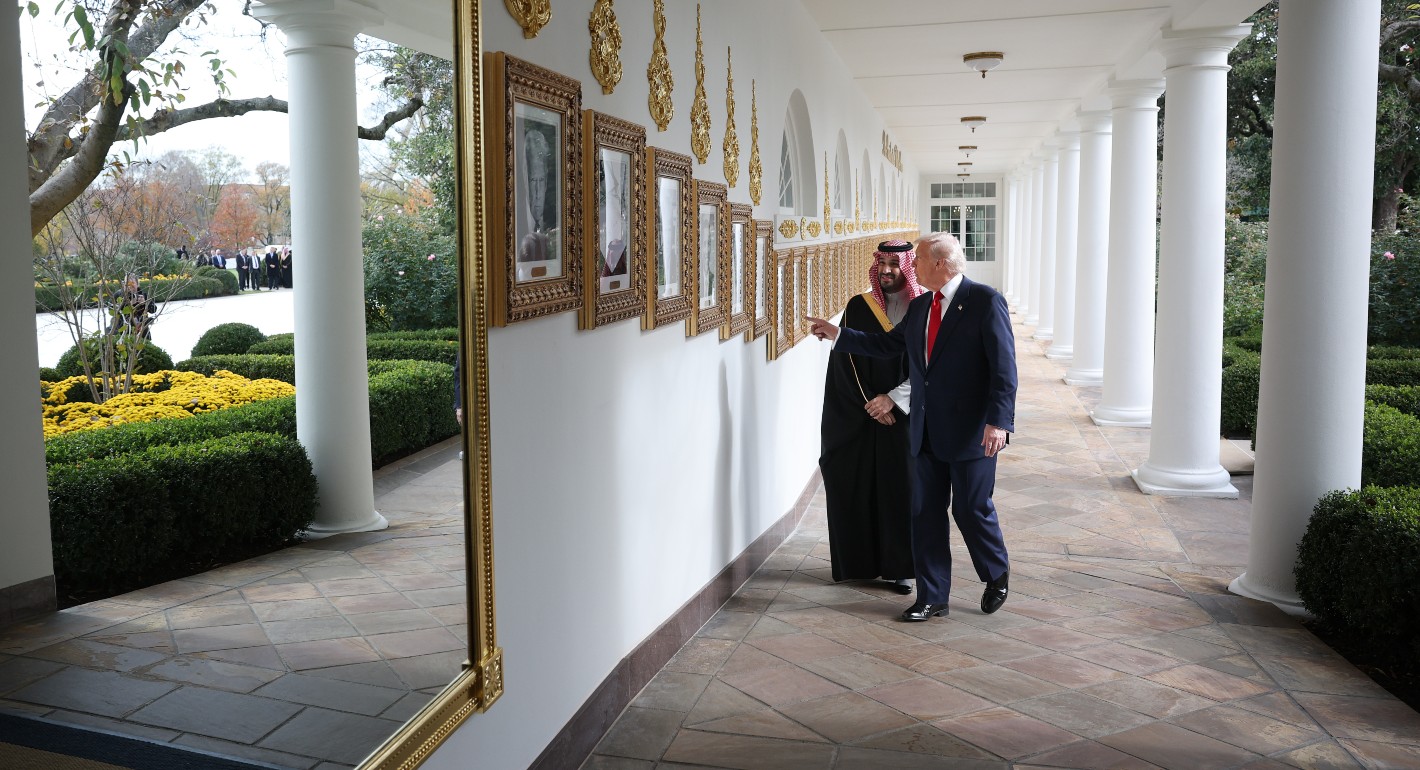
Neither the Abraham Accords nor the presence of large U.S. bases are enough to protect Arab Gulf states.

Marwan Muasher

In the latest Five-Year Plan, the Chinese president cements the shift to an innovation-driven economy over a consumption-driven one.

Damien Ma
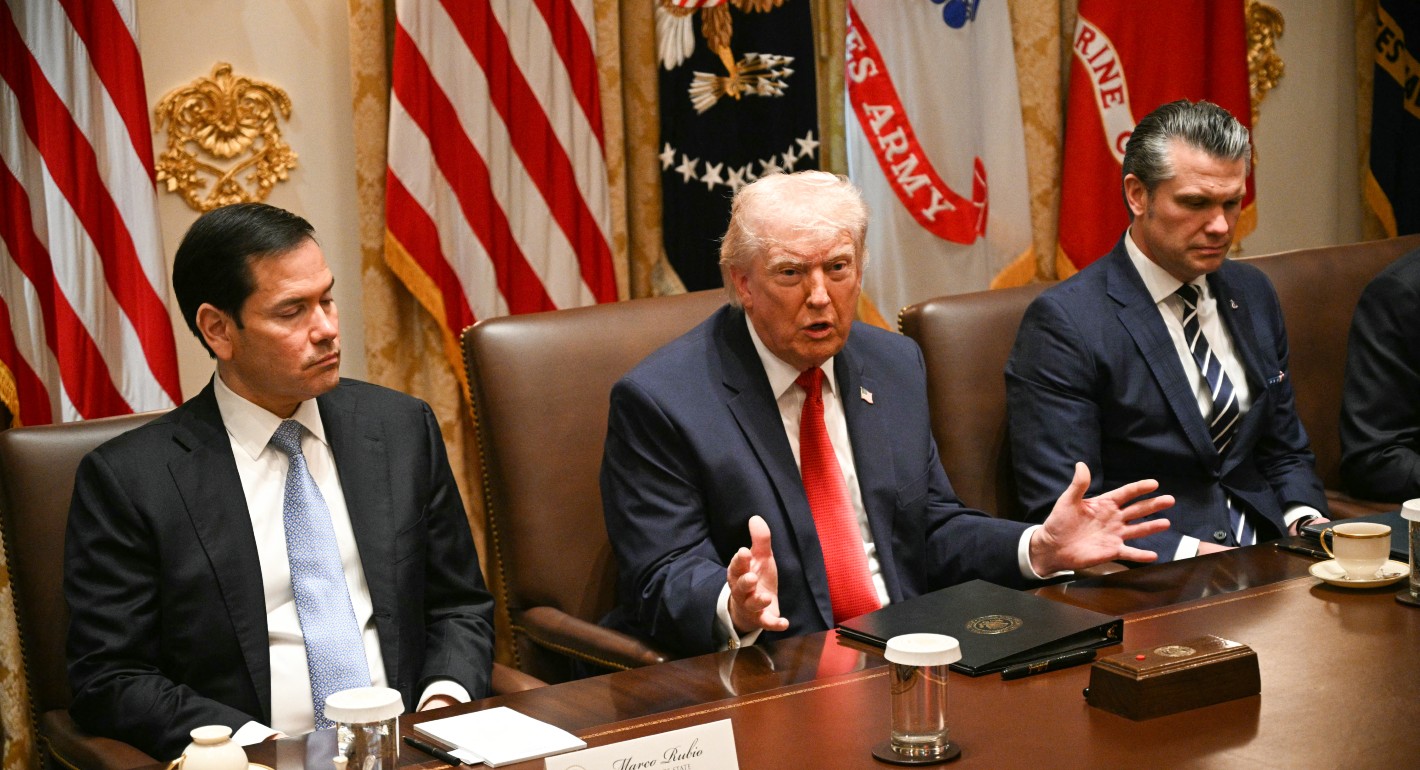
A conflict launched in the name of American security is producing the opposite effect.
Sarah Yerkes
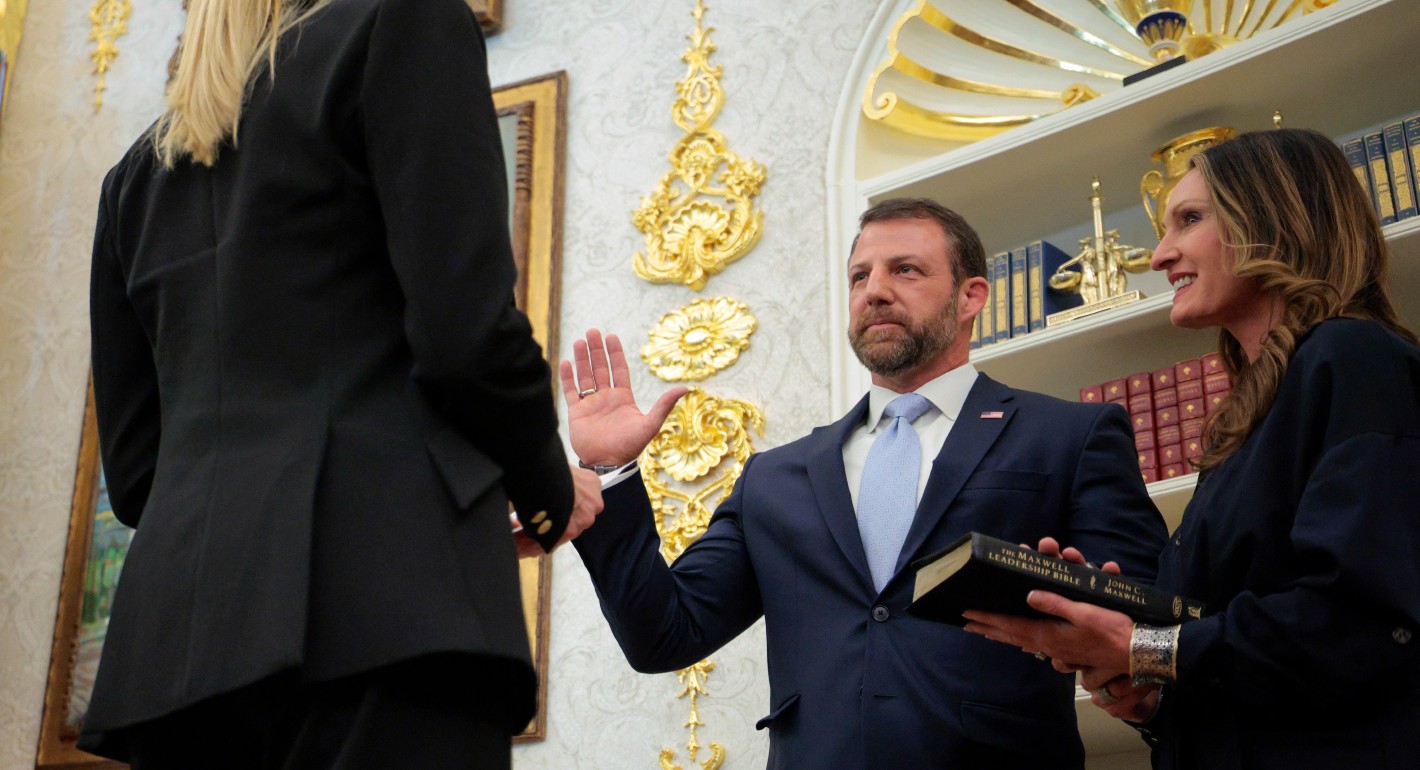
Restoring competence and trust to the anemic, neglected disaster recovery agency is a matter of national security.


Sarah Labowitz, Debbra Goh

Although the IAA often differs from the IRA, European policymakers can still take note of the U.S. act’s shortcomings.

Milo McBride