

Article
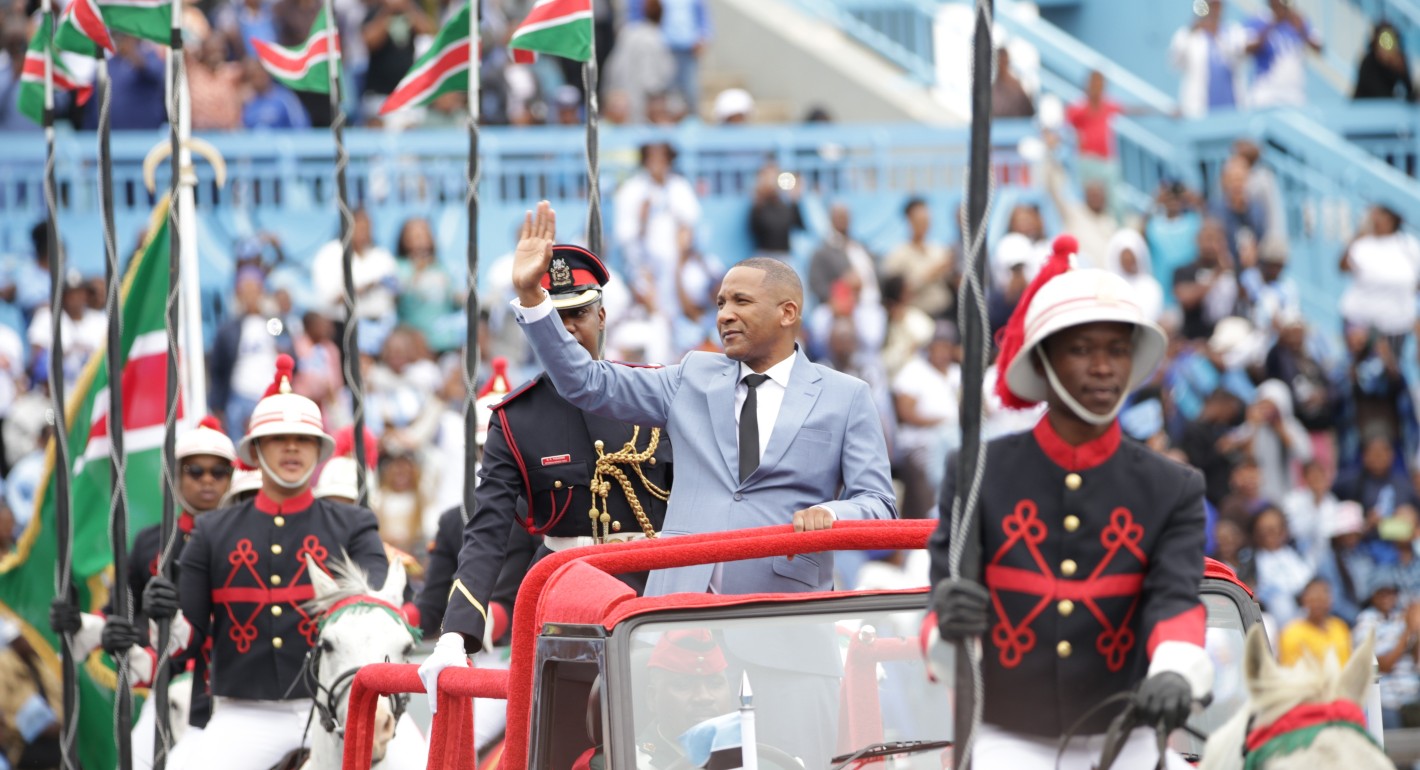
Supporters of democracy within and outside the continent should track these four patterns in the coming year.
Saskia Brechenmacher, Frances Z. Brown
{
  "authors": [],
  "type": "pressRelease",
  "centerAffiliationAll": "",
  "centers": [
    "Carnegie Endowment for International Peace"
  ],
  "collections": [],
  "englishNewsletterAll": "",
  "nonEnglishNewsletterAll": "",
  "primaryCenter": "Carnegie Endowment for International Peace",
  "programAffiliation": "",
  "programs": [
    "Russia and Eurasia"
  ],
  "projects": [],
  "regions": [],
  "topics": []
}
REQUIRED IMAGE
Source: Carnegie
America's New Alliance with Pakistan: Avoiding the Traps of the Past
Policy Brief 19
Husain Haqqani
Full text (PDF
format)
Press
Release
Summary
Pakistan has become a strategic U.S. ally in the war against al Qaeda. For
now, Washington's support of General Pervez Musharraf's military regime is untempered
by any insistence on the restoration of democracy. But military rule is likely
to increase hostility between Pakistan and India and undercut efforts to root
out Islamic extremists, who have been the armed forces' political allies in
the past.
Despite intervals of strained relations, the United States and Pakistan were allies for most of the Cold War. Like past periods of engagement, the present spell of close relations is likely to sour into disillusion unless the United States strongly encourages Pakistan to return to democracy. A democratic regime, however flawed, is more likely to provide long-term stability to Pakistan. Specifically, democratic rule would help contain Islamic militancy and would probably lead to improved India-Pakistan relations.
Husain Haqqani, a leading journalist, diplomat, and former advisor to Pakistan prime ministers, is a visiting scholar in Carnegie’s Russian and Eurasian Program.
A limited number of print copies will be available.
Request
a copy.
Carnegie does not take institutional positions on public policy issues; the views represented herein are those of the author(s) and do not necessarily reflect the views of Carnegie, its staff, or its trustees.
Supporters of democracy within and outside the continent should track these four patterns in the coming year.

Saskia Brechenmacher, Frances Z. Brown

On January 12, 2026, India's "workhorse," the Polar Satellite Launch Vehicle, experienced a consecutive mission failure for the first time in its history. This commentary explores the implications of this incident on India’s space sector and how India can effectively address issues stemming from the incident.
Tejas Bharadwaj
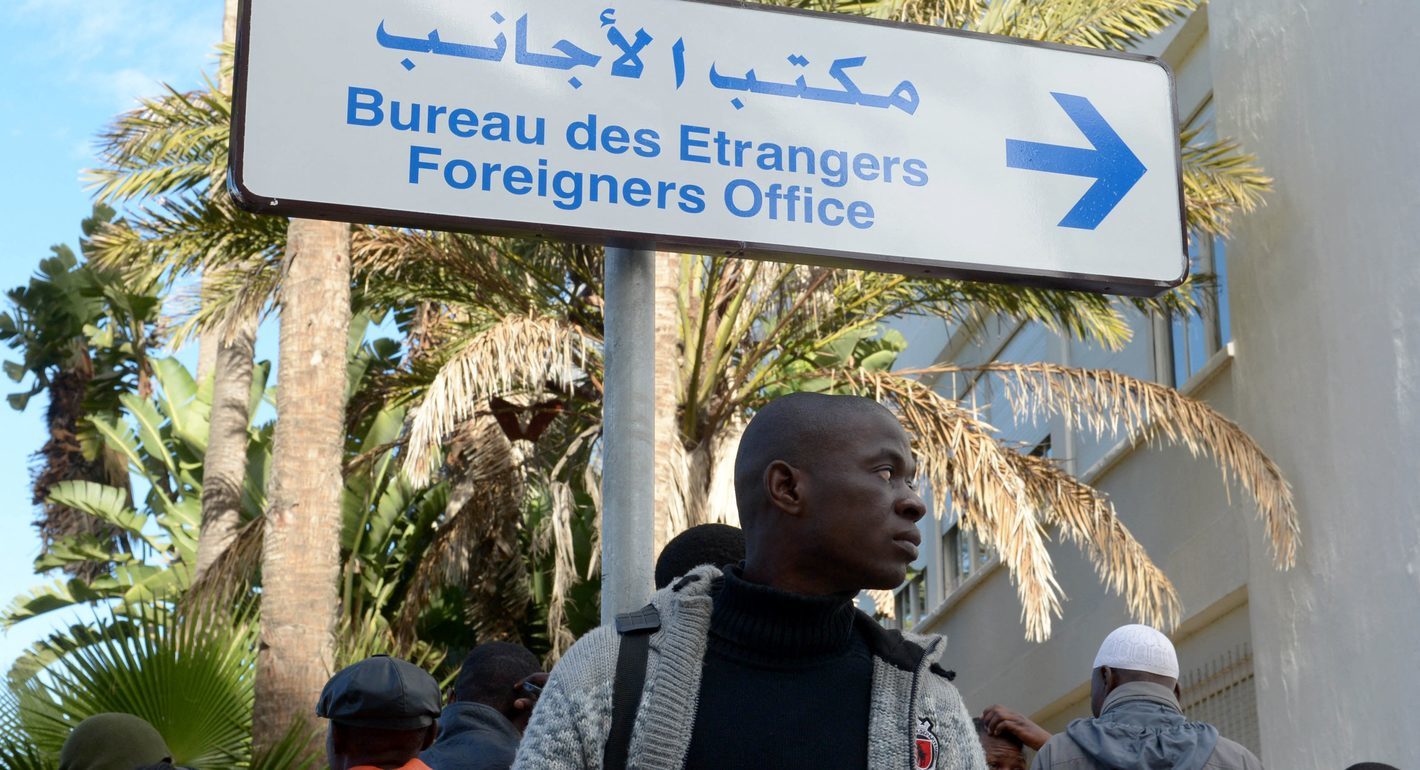
Is Morocco’s migration policy protecting Sub-Saharan African migrants or managing them for political and security ends? This article unpacks the gaps, the risks, and the paths toward real rights-based integration.
Soufiane Elgoumri
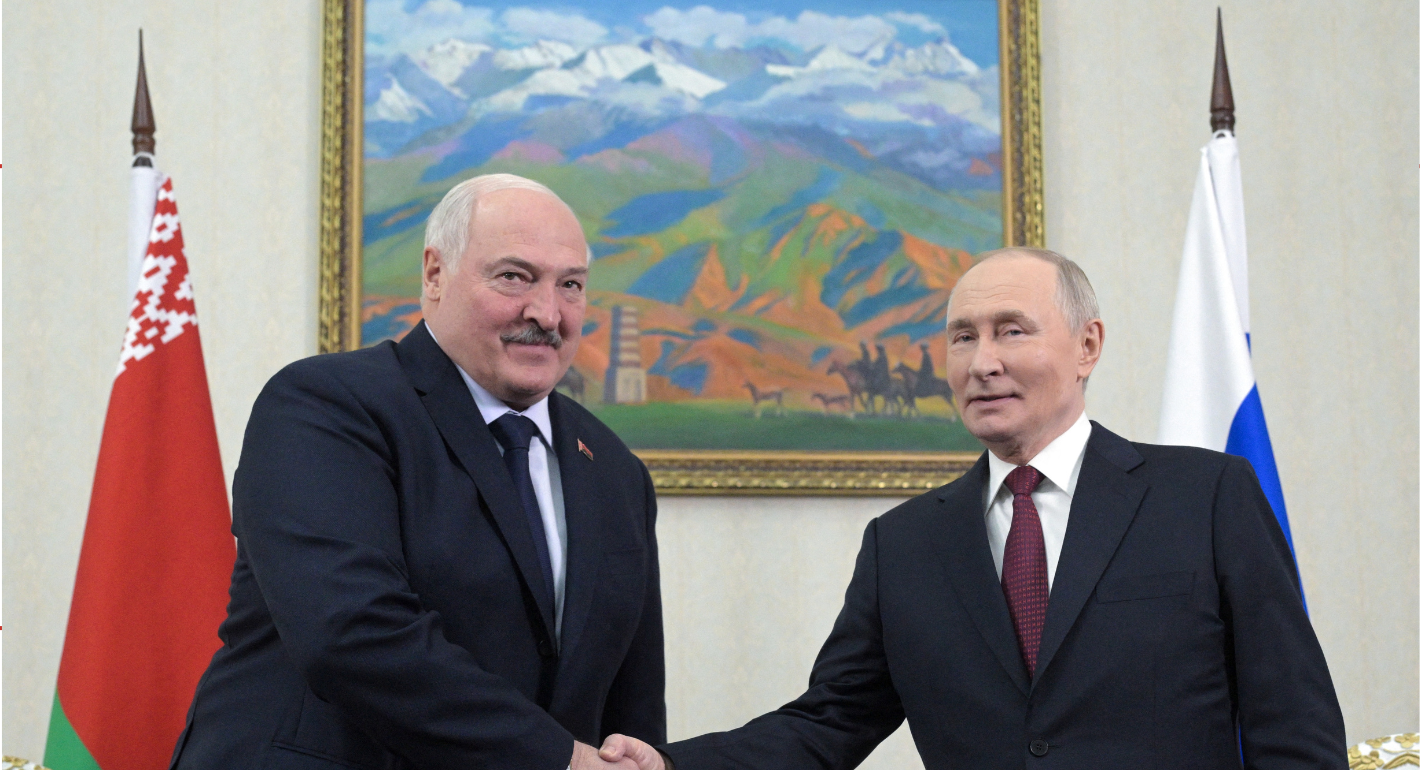
In return for a trade deal and the release of political prisoners, the United States has lifted sanctions on Belarus, breaking the previous Western policy consensus. Should Europeans follow suit, using their leverage to extract concessions from Lukashenko, or continue to isolate a key Kremlin ally?
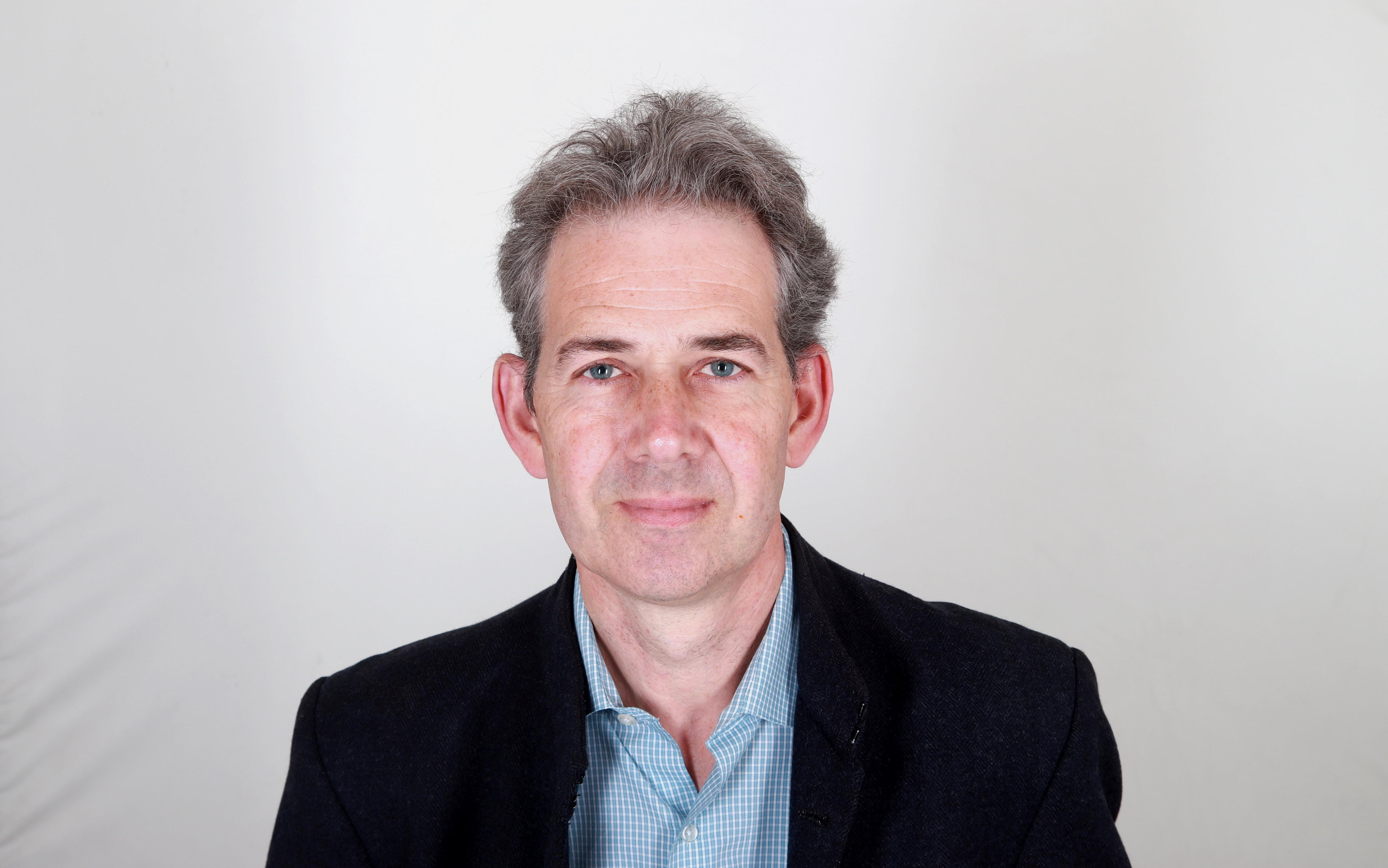
Thomas de Waal, ed.
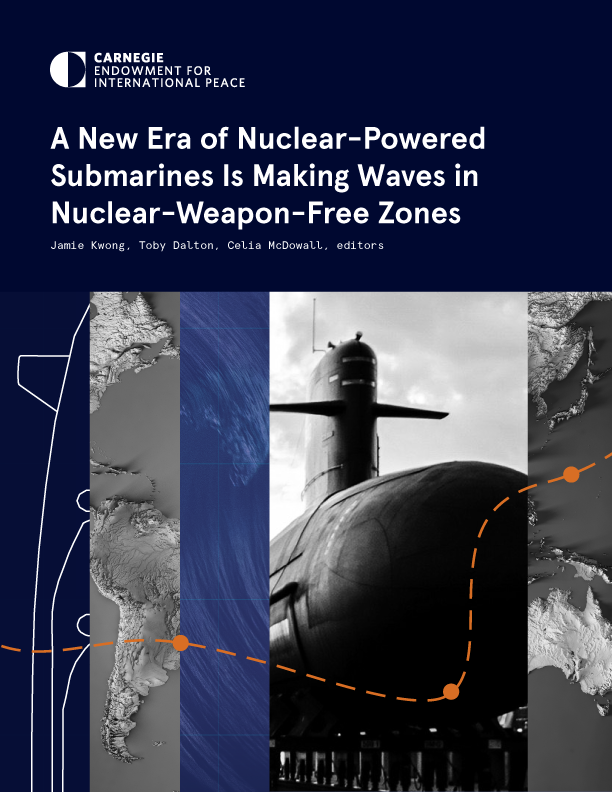
As states without nuclear weapons develop nuclear-powered submarines, can NWFZ regimes adapt to manage new technical, legal, procedural, and normative challenges?
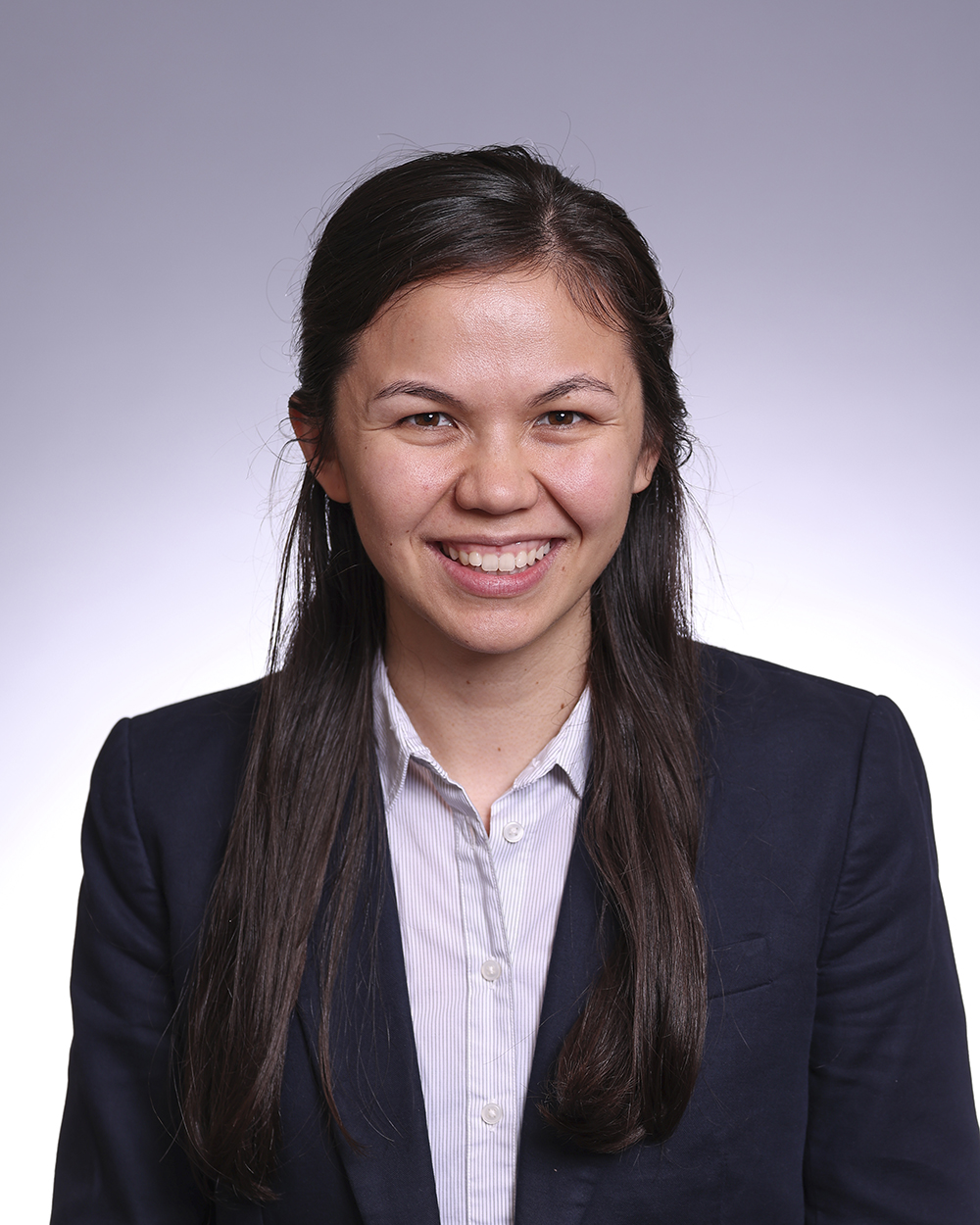
Jamie Kwong, ed., Toby Dalton, ed., Celia McDowall, ed.