

Commentary
Venezuelans deserve to participate in collective decisionmaking and determine their own futures.
Jennifer McCoy
{
  "authors": [
    "Moisés Naím"
  ],
  "type": "legacyinthemedia",
  "centerAffiliationAll": "",
  "centers": [
    "Carnegie Endowment for International Peace"
  ],
  "collections": [],
  "englishNewsletterAll": "",
  "nonEnglishNewsletterAll": "",
  "primaryCenter": "Carnegie Endowment for International Peace",
  "programAffiliation": "",
  "programs": [],
  "projects": [],
  "regions": [
    "North America",
    "United States",
    "South America",
    "Middle East",
    "Iran",
    "China",
    "Southeast Asia"
  ],
  "topics": [
    "Economy"
  ]
}
REQUIRED IMAGE
Source: The New York Times
My friend was visibly shaken. He had just learned that he had lost one of his clients to Chinese competitors. "It's amazing," he told me. "The Chinese have completely priced us out of the market. We can't compete with what they're able to offer."
Click here for full text
This article appeared in The New York Times.
Carnegie does not take institutional positions on public policy issues; the views represented herein are those of the author(s) and do not necessarily reflect the views of Carnegie, its staff, or its trustees.
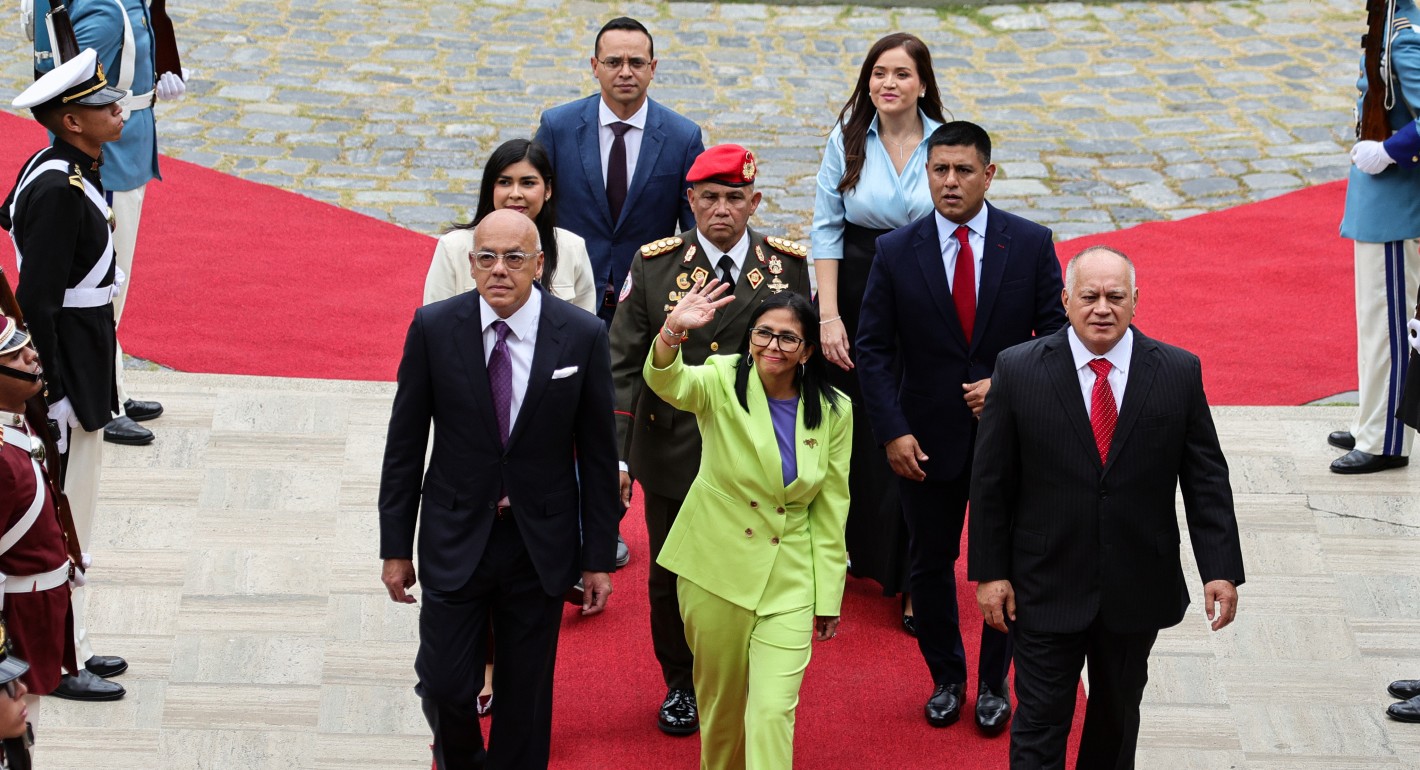
Venezuelans deserve to participate in collective decisionmaking and determine their own futures.

Jennifer McCoy
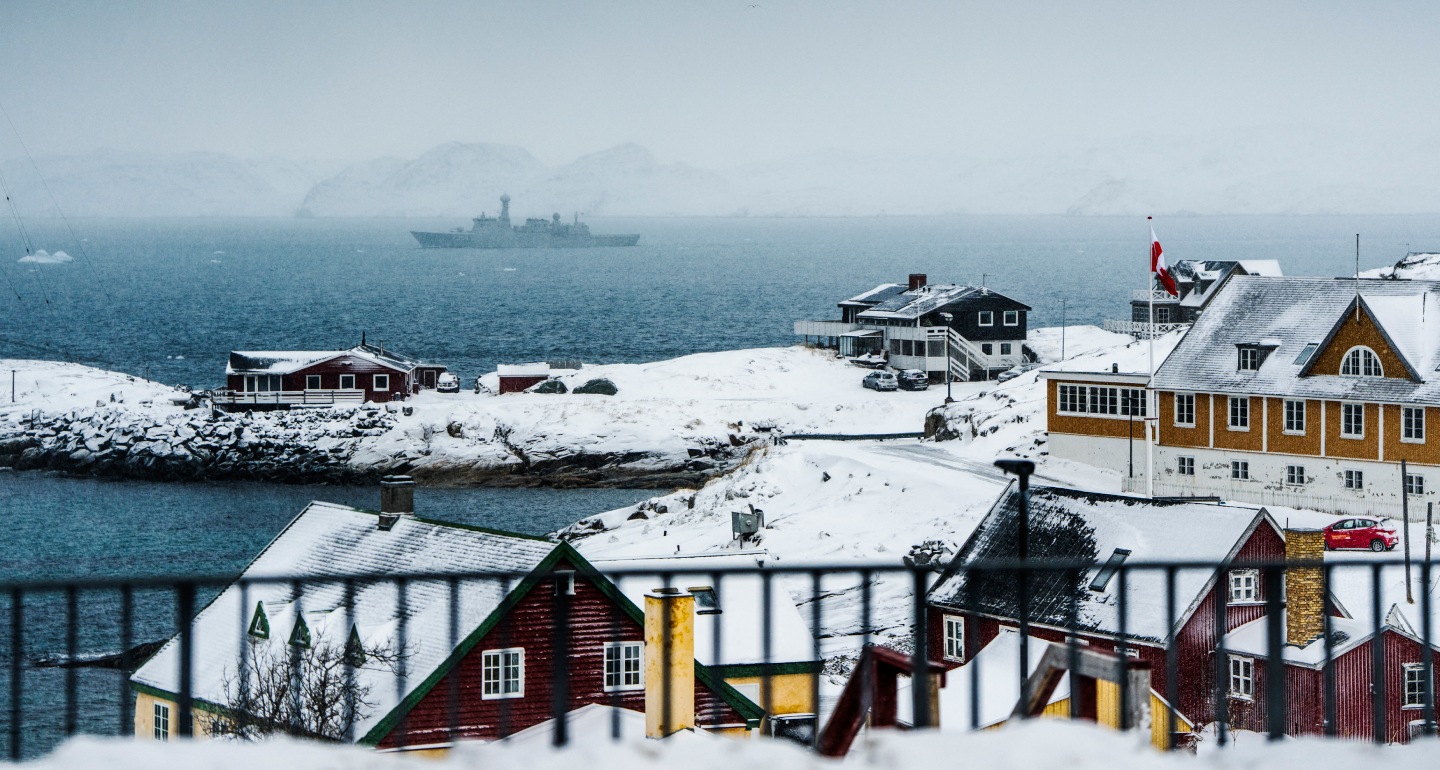
The supposed threats from China and Russia pose far less of a danger to both Greenland and the Arctic than the prospect of an unscrupulous takeover of the island.

Andrei Dagaev
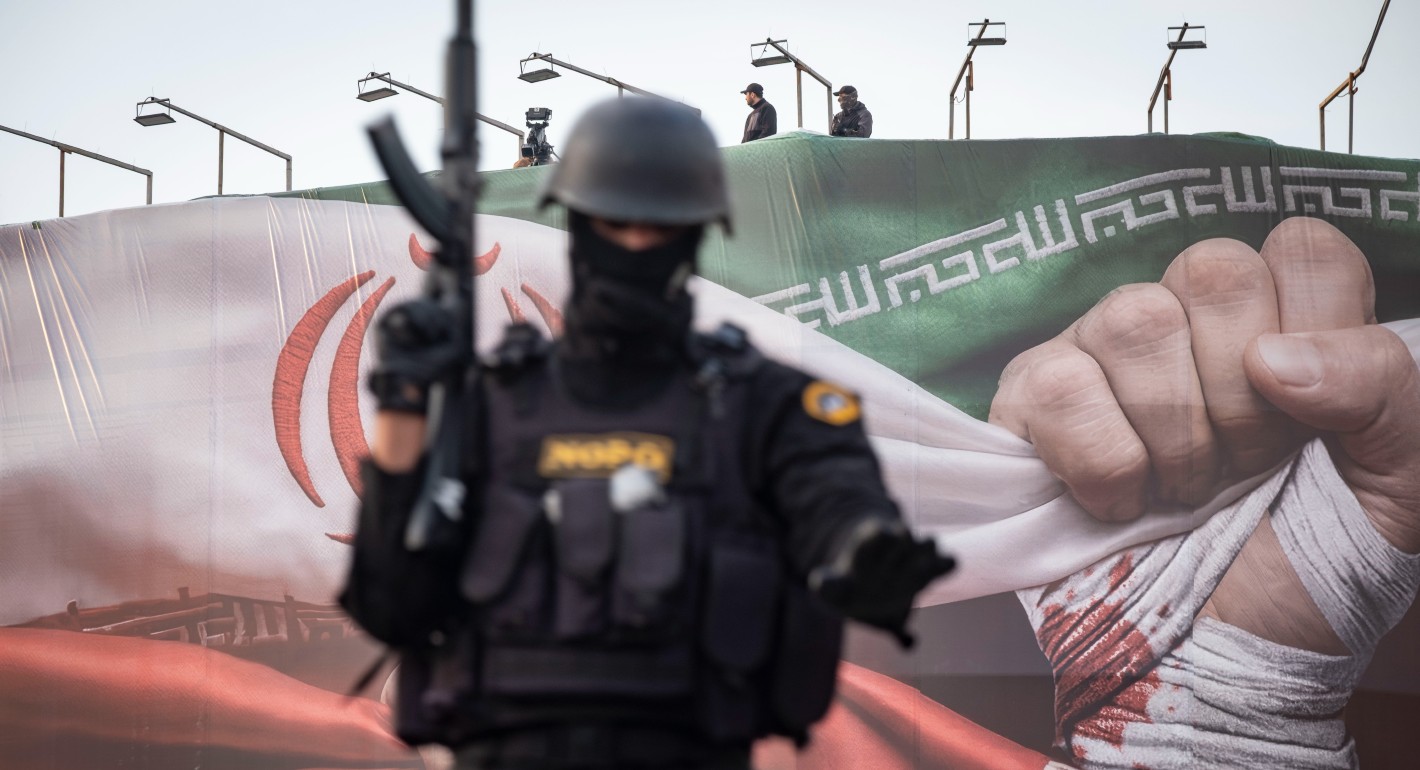
A conversation with Karim Sadjadpour and Robin Wright about the recent protests and where the Islamic Republic might go from here.


Aaron David Miller, Karim Sadjadpour, Robin Wright
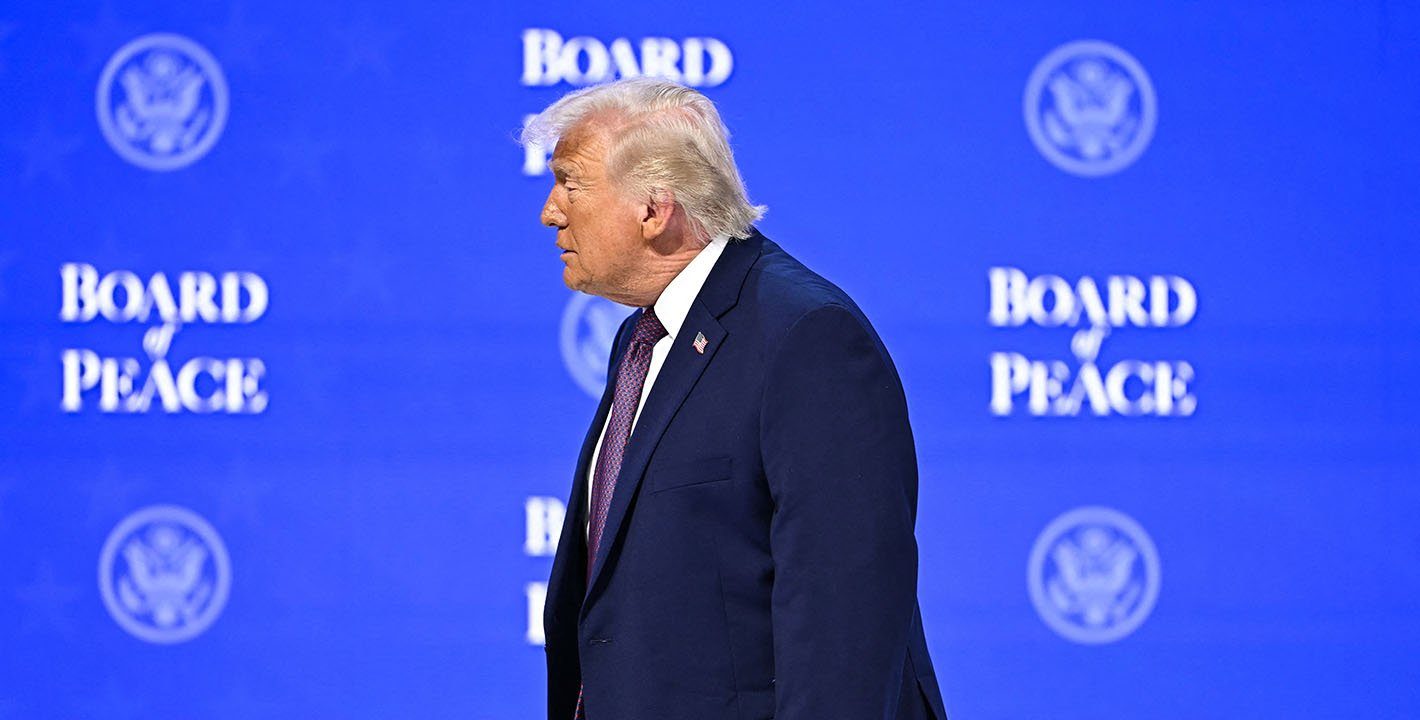
Implementing Phase 2 of Trump’s plan for the territory only makes sense if all in Phase 1 is implemented.

Yezid Sayigh
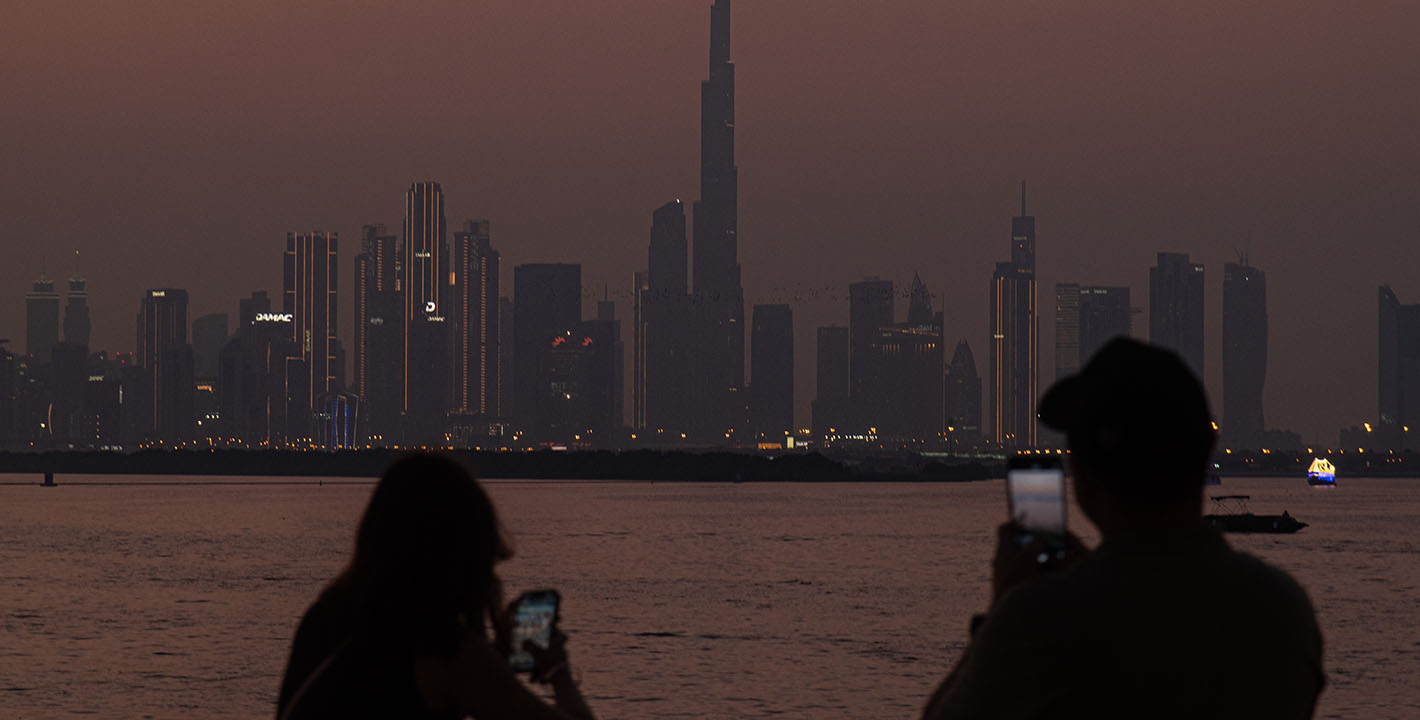
Fifteen years after the Arab uprisings, a new generation is mobilizing behind an inclusive growth model, and has the technical savvy to lead an economic transformation that works for all.

Jihad Azour