

Commentary
Why Pakistan, Saudi Arabia, and Turkey are joining forces on regional security.
Alper Coşkun, Amr Hamzawy
{
  "authors": [
    "Jihad Azour"
  ],
  "type": "commentary",
  "centerAffiliationAll": "",
  "centers": [
    "Malcolm H. Kerr Carnegie Middle East Center",
    "Carnegie Endowment for International Peace"
  ],
  "englishNewsletterAll": "",
  "nonEnglishNewsletterAll": "",
  "primaryCenter": "Malcolm H. Kerr Carnegie Middle East Center",
  "programAffiliation": "",
  "regions": [
    "Middle East"
  ]
}
Source: Getty
Fifteen years after the Arab uprisings, a new generation is mobilizing behind an inclusive growth model, and has the technical savvy to lead an economic transformation that works for all.
Fifteen years after start of the Arab uprisings in 2010–2011, a new generation across the Middle East and North Africa is stepping forward with renewed ambition and expectation. Generation Z, more educated, digitally connected, and globally engaged than any generation before it, is mobilizing in support of an inclusive growth model that delivers opportunity, fairness, and dignity. This generational engagement reflects an aspiration that economic transformation can and should work for all.
Key aspirations and priorities of Gen Z in the Middle East and North Africa are being shaped by rapidly changing economies, expanding digital cultures, and persistent structural challenges. More specifically, Gen Z is seeking economic security, meaningful work, education that matches opportunities, digital empowerment, and social inclusion and social mobility. This generation is trying to fulfill its aspirations for a better future, such as independence and purpose, amid local challenges that include unemployment, lack of inclusion, and calls for reform.
The scale of the challenge is well known. The potential demographic dividend in the Middle East and North Africa remains unrealized due to weak job creation. Youth unemployment ranks among the highest worldwide, hovering around 25 percent in 2024, almost double the global average. For young women, unemployment approaches 40 percent, and among university graduates it is often higher still. These figures underscore the urgency of reform and help explain the strong demand for solutions and the growing momentum behind inclusive growth agendas across the region.
In October 2023, at the conclusion of the International Monetary Fund (IMF) and World Bank annual meetings that took place in Marrakech, IMF Managing Director Kristalina Georgieva issued a “Call for Action” that outlined a comprehensive economic and social agenda to foster inclusive growth across the region.
The call targeted five areas, identified as key dimensions where policy actions are needed to secure a more resilient and inclusive model of economic development for Middle Eastern and North African countries: developing a more buoyant private sector; reforming social protection systems; addressing youth unemployment; reducing barriers to women’s participation in the economy; and advancing in the net-zero transition.
Encouragingly, inclusive growth is increasingly moving from an aspiration to a policy priority. Governments across the region are translating these principles into specific reforms efforts, reflected in their national vision documents and reform plans, which set out forward-looking roadmaps for strengthening opportunity, resilience, and cohesion across various social groups. These initiatives indicate a shared understanding that sustainable growth has to be broad-based, private sector-led, and underpinned by strong institutions.
The push to boost private-sector growth has delivered uneven results, with most progress concentrated in the countries of the Gulf Cooperation Council. In 2024, Saudi Arabia streamlined its investment code and updated its Public-Private Partnership regulations to level the playing field for domestic and foreign investors; and the United Arab Emirates (UAE) reduced regulatory burdens, enhanced legal clarity and efficiency, and strengthened intellectual property protections.
Social protection has seen the most visible progress. Drawing on lessons from the coronavirus pandemic, several countries have invested in more resilient safety nets: Morocco, Saudi Arabia, and Egypt improved the targeting of support to vulnerable groups through unified social registries; Bahrain, Morocco, and Egypt expanded health coverage to previously excluded populations; Oman launched a comprehensive social protection system with universal child, disability, and elderly benefits; and the UAE introduced mandatory unemployment insurance and new pension and social security laws for nationals. As the IMF has emphasized, these systems are not only social policy tools, but macroeconomic stabilizers that support resilience and inclusive growth.
Artificial intelligence offers a powerful opportunity for the Middle East and North Africa. IMF analysis shows that artificial intelligence (AI) can boost productivity, transform labor markets, and drive inclusive growth, especially among the digitally savvy Gen Z. With the right policies, AI can lower barriers for entrepreneurs, improve public services, and foster new sectors from fintech to health tech. Investment in digital infrastructure governance will allow countries to harness AI’s benefits while managing its risks. Governments should also step up investment in talent and skills, recognizing human capital as the region’s most valuable asset, with strategies centered on digital literacy, technical training, and closer alignment with labor market needs.
Progress on women’s economic participation has likewise advanced through labor market reforms, childcare support, and greater workplace flexibility. Over the course of 2024, for example, Saudi Arabia has equalized the retirement age between men and women and extended maternity leave. Oman, in turn, enacted new labor laws offering women greater workplace flexibility, protection, and child-care support. While important reforms remain generally insufficient to achieve meaningful gender parity in the Middle Eastern and North African workforce, as IMF has research consistently noted, closing gender gaps would deliver large and lasting gains in productivity, economic growth, and resilience.
Gen Z’s engagement should be seen as a powerful asset. This generation is not calling for disruption, but for inclusion—seeking to contribute, innovate, and participate fully in the economy. Its aspirations align closely with the reform priorities already embraced by many governments and supported by the IMF and other partners.
Lasting progress and stability are built through opportunity. Inclusive growth, powered by reform, investment, and adoption of emerging technologies such as AI, is no longer an abstract concept, it is an increasingly shared national project across the region. If sustained through political commitment, institutional depth, and regional cooperation, today’s reforms can turn demographic pressure into demographic opportunity. For the young generation in the Middle East and North Africa, and for the region as a whole, the path toward shared prosperity is increasingly within reach. The moment to act is now.
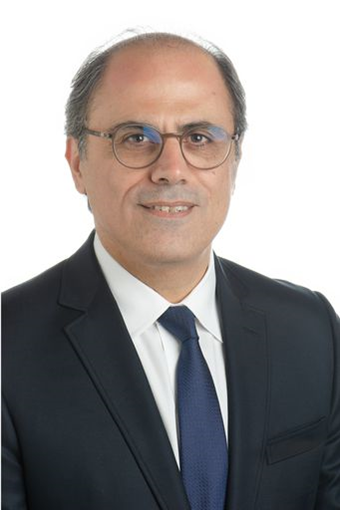
Jihad Azour
Director of the Middle East and Central Asia Department at the International Monetary Fund
Director of the Middle East and Central Asia Department at the International Monetary Fund where he oversees the Fund’s work in the Middle East, North Africa, Central Asia and Caucasus.
Carnegie does not take institutional positions on public policy issues; the views represented herein are those of the author(s) and do not necessarily reflect the views of Carnegie, its staff, or its trustees.
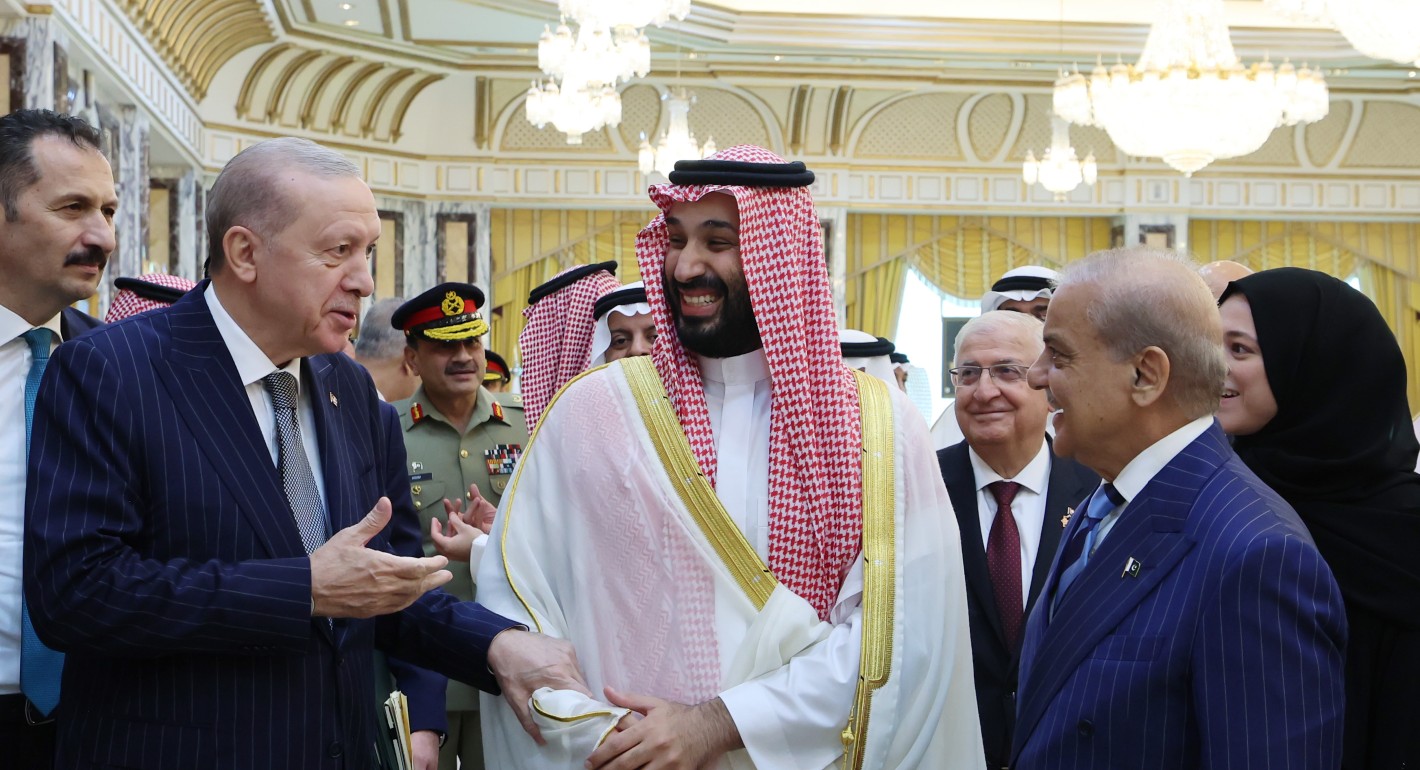
Why Pakistan, Saudi Arabia, and Turkey are joining forces on regional security.


Alper Coşkun, Amr Hamzawy

Protests in Iran follow a similar pattern: Economic grievances turn into political protests that spread nationwide. But increased state repression has begun to shift the arrangement.

Eric Lob

The Horn of Africa countries are among those facing a new security calculus.


Andrew Leber, Lesley Anne Warner

As the U.S. stumbles in its war with Iran, we are likely to see an acceleration of its disengagement from the region.

Michael Young
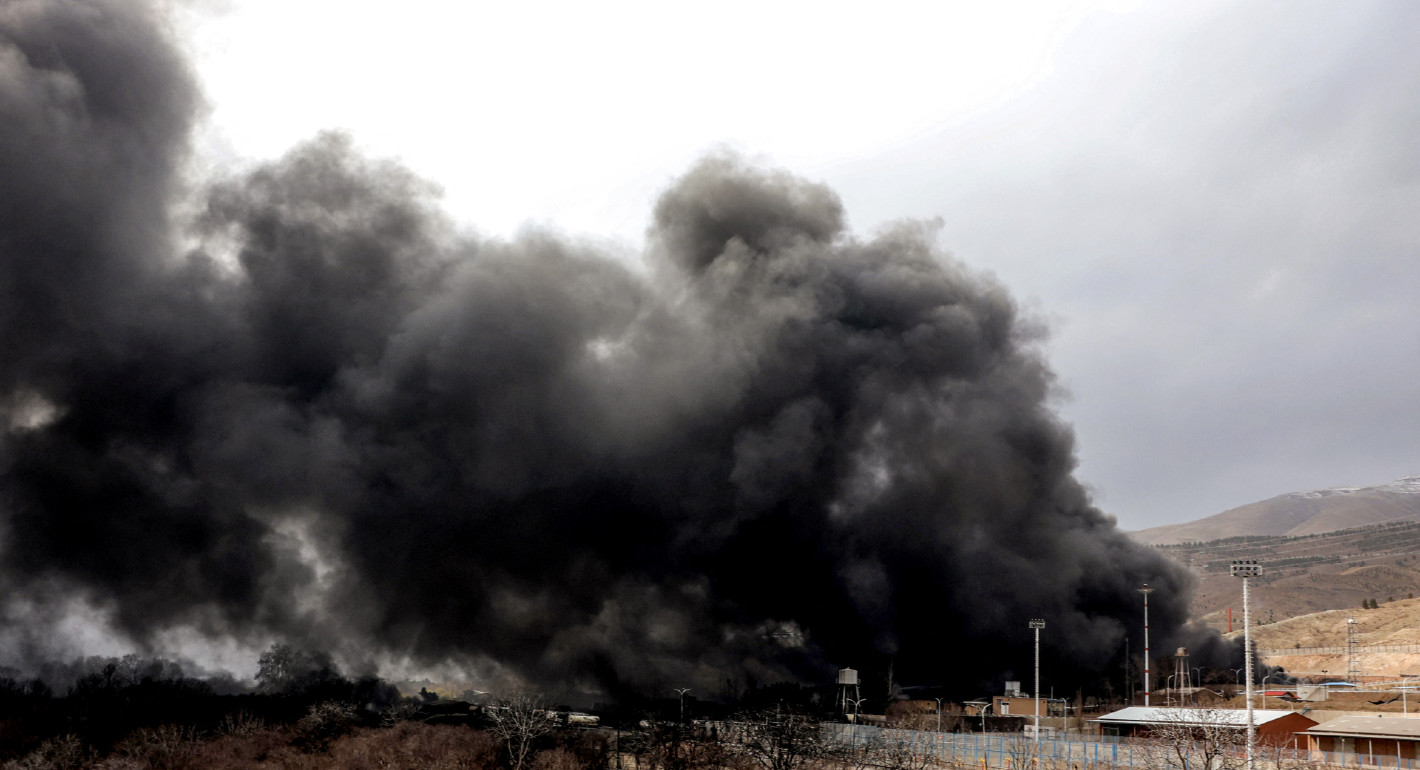
Understanding the climatic pain points is necessary for policymakers hoping to minimize the war’s negative environmental consequences.



Alejandro Martin Rodriguez, Joy Arkeh, Sarah Yerkes