• Research
  • Emissary
  • About
  • Experts
Carnegie Global logoCarnegie lettermark logo
Democracy
  • Donate
{
  "authors": [
    "Ashley J. Tellis"
  ],
  "type": "legacyinthemedia",
  "centerAffiliationAll": "",
  "centers": [
    "Carnegie Endowment for International Peace"
  ],
  "collections": [
    "U.S. Nuclear Policy"
  ],
  "englishNewsletterAll": "",
  "nonEnglishNewsletterAll": "",
  "primaryCenter": "Carnegie Endowment for International Peace",
  "programAffiliation": "",
  "programs": [
    "Nuclear Policy",
    "South Asia"
  ],
  "projects": [],
  "regions": [
    "North America",
    "United States",
    "India"
  ],
  "topics": [
    "Nuclear Policy"
  ]
}
Source: Getty

In The Media

U.S.-India Nuclear Disagreement

Link Copied
By Ashley J. Tellis
Published on Apr 23, 2007
Program mobile hero image

Program

Nuclear Policy

The Nuclear Policy Program aims to reduce the risk of nuclear war. Our experts diagnose acute risks stemming from technical and geopolitical developments, generate pragmatic solutions, and use our global network to advance risk-reduction policies. Our work covers deterrence, disarmament, arms control, nonproliferation, and nuclear energy.

Learn More
Program mobile hero image

Program

South Asia

The South Asia Program informs policy debates relating to the region’s security, economy, and political development. From strategic competition in the Indo-Pacific to India’s internal dynamics and U.S. engagement with the region, the program offers in-depth, rigorous research and analysis on South Asia’s most critical challenges.

Learn More

Source: The Kojo Nnamdi Show

The United States and India made headlines in 2005 when they announced a deal to share U.S. civilian nuclear technology. Now, the agreement seems to be on the rocks, and officials from both countries are scrambling to salvage the deal. In an interview on The Kojo Nnamdi Show, Ashley Tellis, Senior Associate at the Carnegie Endowment, joined Edward Luce, Washington Bureau Chief of the Financial Times, to discuss the dispute and its impact on security in an increasingly strategic region.

Click here to listen to the audio or order a transcript.

Ashley J. Tellis
Former Senior Fellow
Nuclear PolicyNorth AmericaUnited StatesIndia

Carnegie does not take institutional positions on public policy issues; the views represented herein are those of the author(s) and do not necessarily reflect the views of Carnegie, its staff, or its trustees.
More Work from Carnegie Endowment for International Peace

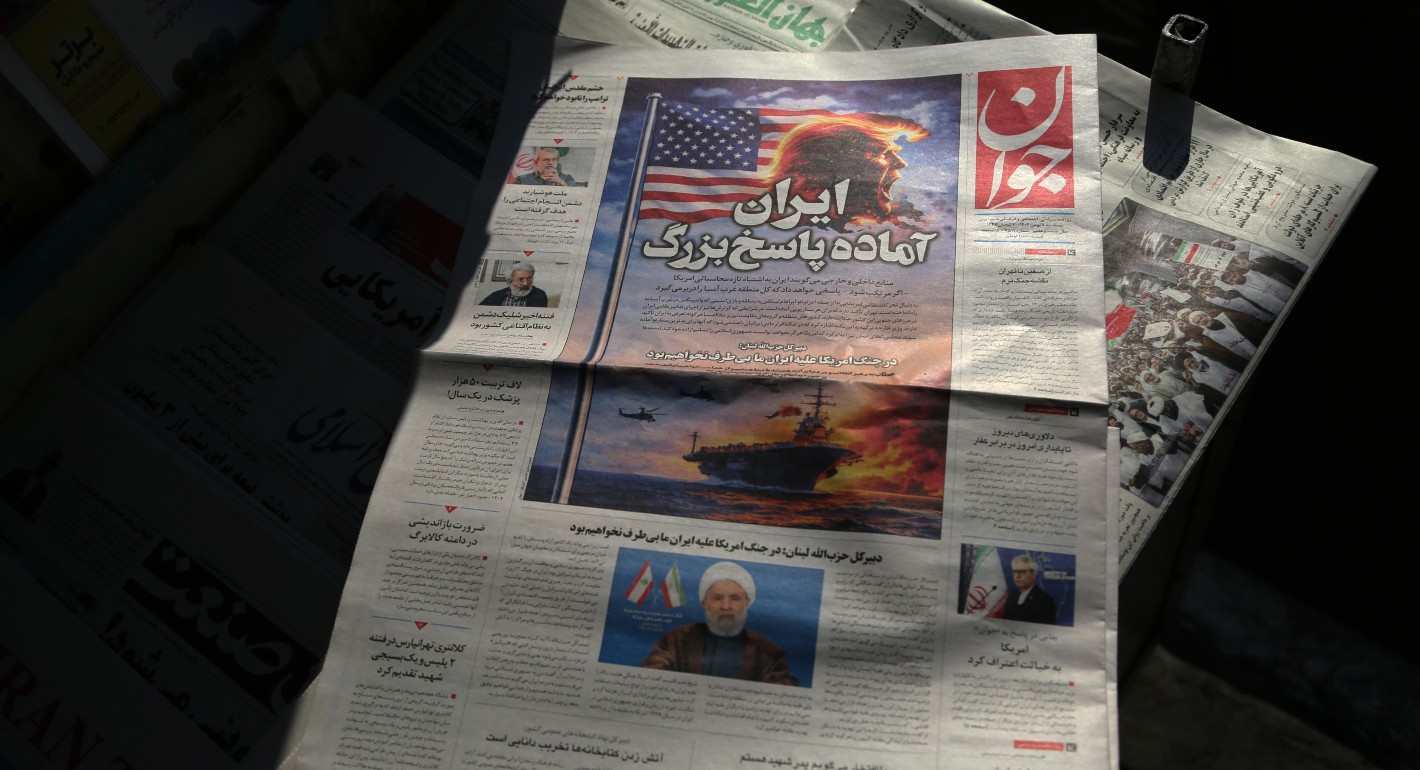
  • Stack of Iranian newspapers featuring Trump's face and a burning American flag
    Commentary
    Emissary
    The United States Should Apply the Arab Spring’s Lessons to Its Iran Response

    The uprisings showed that foreign military intervention rarely produced democratic breakthroughs.
      • Sarah Yerkes

      Amr Hamzawy, Sarah Yerkes

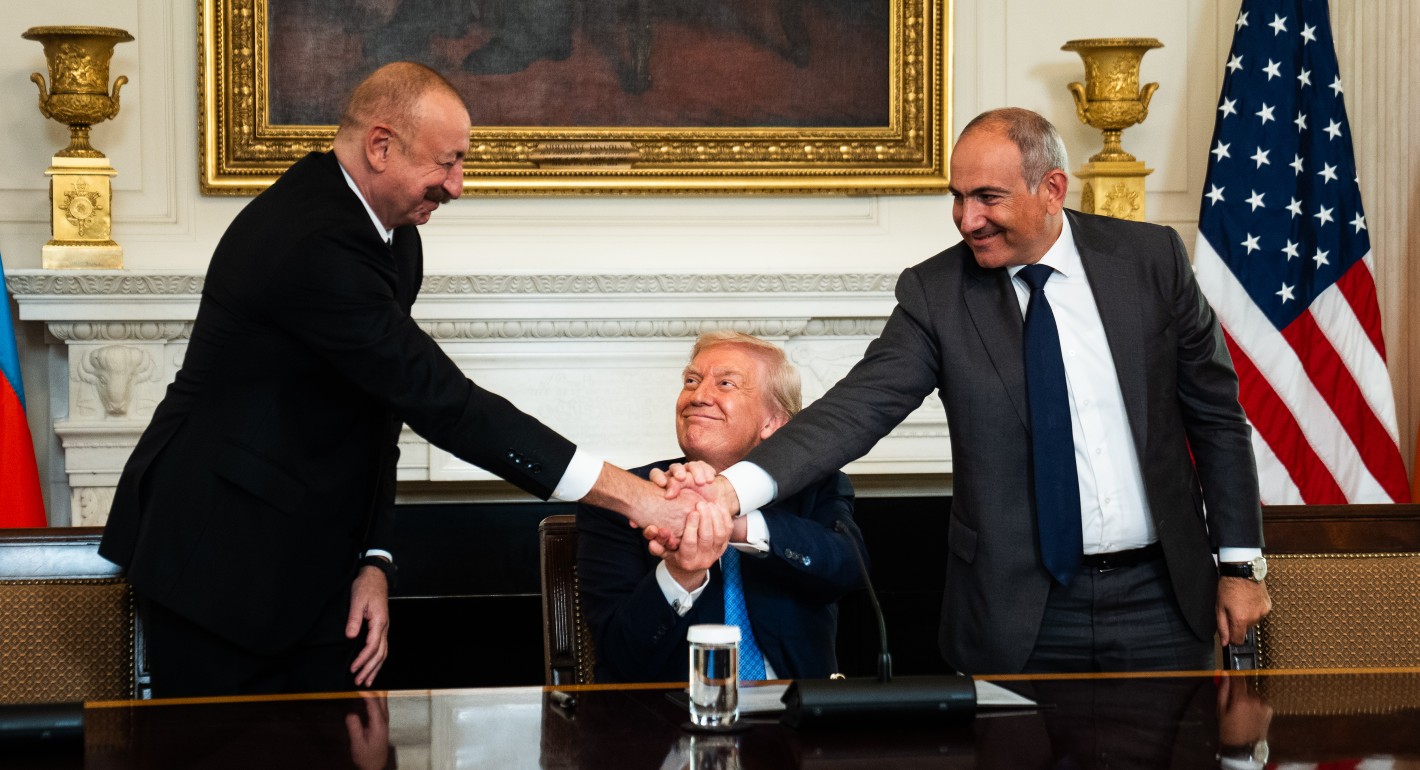
  • Three men shaking hands at once
    Commentary
    Emissary
    Trump Wants “Peace Through Construction.” There’s One Place It Could Actually Work.

    An Armenia-Azerbaijan settlement may be the only realistic test case for making glossy promises a reality.
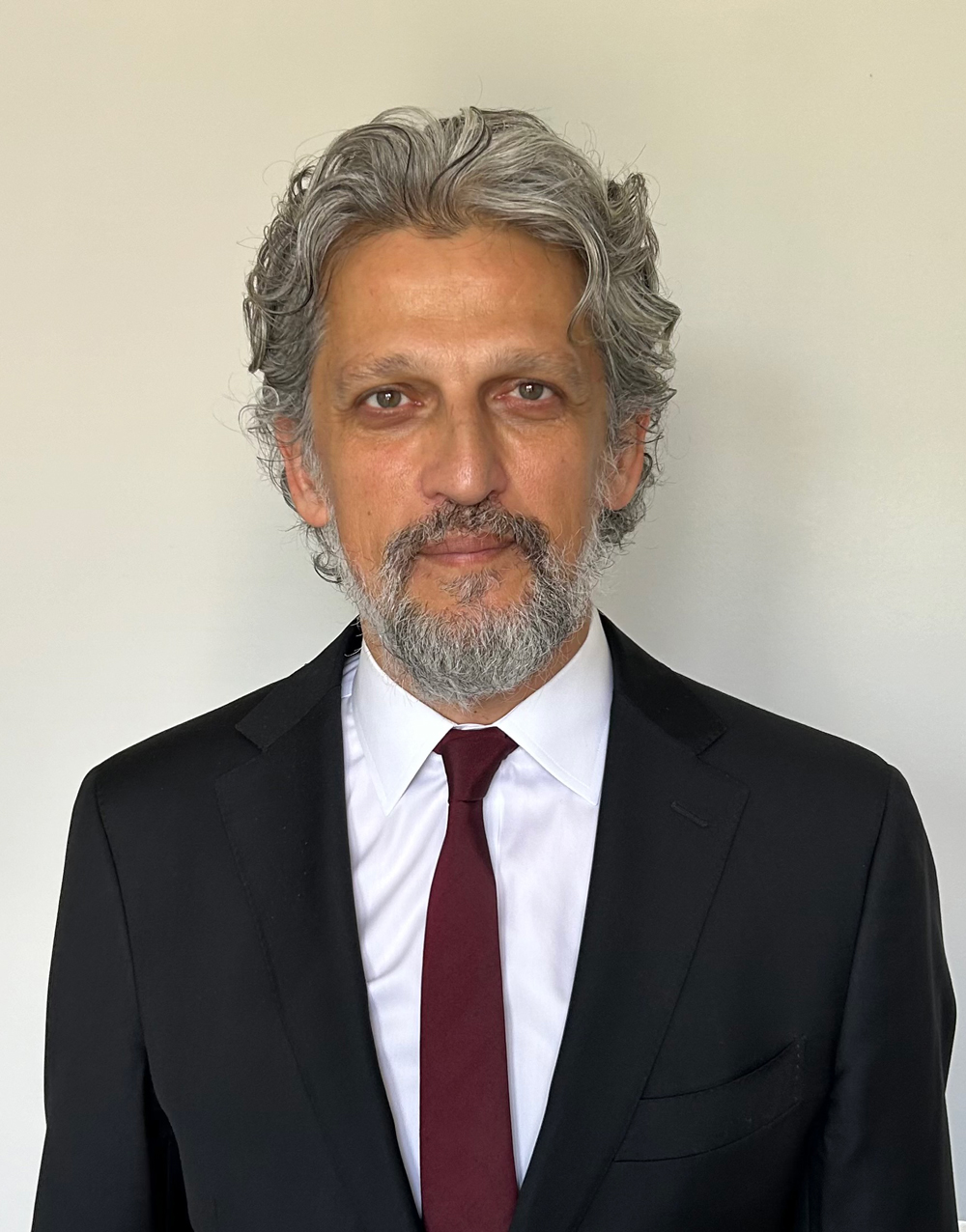
      • Garo Paylan

      Garo Paylan

  • Commentary
    The PSLV Setback: Restoring India’s Workhorse

    On January 12, 2026, India's "workhorse," the Polar Satellite Launch Vehicle, experienced a consecutive mission failure for the first time in its history. This commentary explores the implications of this incident on India’s space sector and how India can effectively address issues stemming from the incident.
      Tejas Bharadwaj
  • Commentary
    Strategic Europe
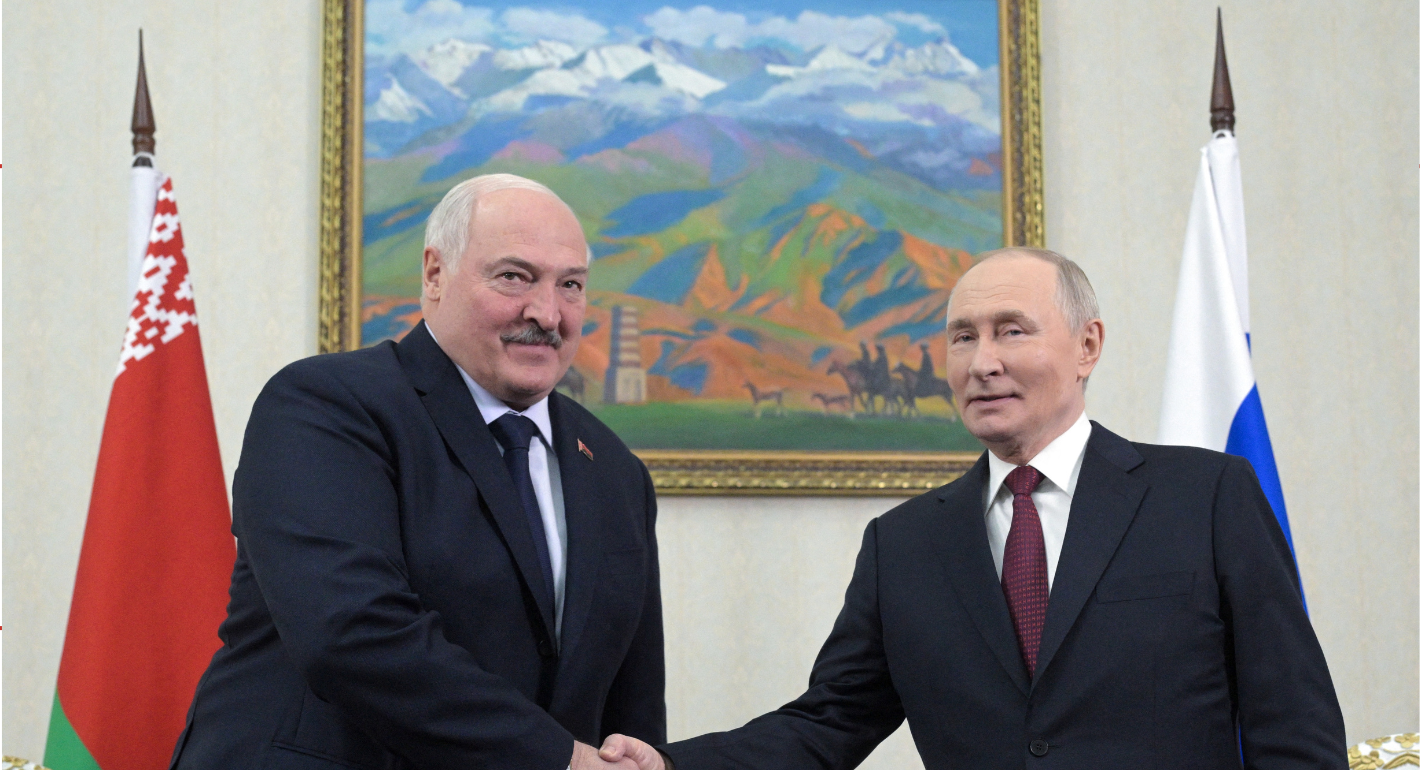
    Taking the Pulse: Is It Time for Europe to Reengage With Belarus?

    In return for a trade deal and the release of political prisoners, the United States has lifted sanctions on Belarus, breaking the previous Western policy consensus. Should Europeans follow suit, using their leverage to extract concessions from Lukashenko, or continue to isolate a key Kremlin ally?
      Thomas de Waal, ed.
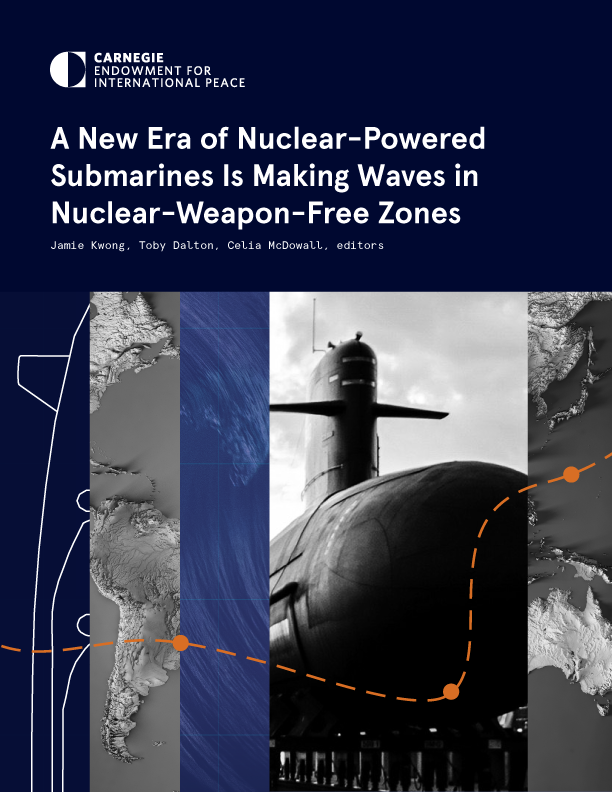
  • A New Era of Nuclear-Powered Submarines Is Making Waves in Nuclear-Weapon-Free Zones
    Research
    A New Era of Nuclear-Powered Submarines Is Making Waves in Nuclear-Weapon-Free Zones

    As states without nuclear weapons develop nuclear-powered submarines, can NWFZ regimes adapt to manage new technical, legal, procedural, and normative challenges?

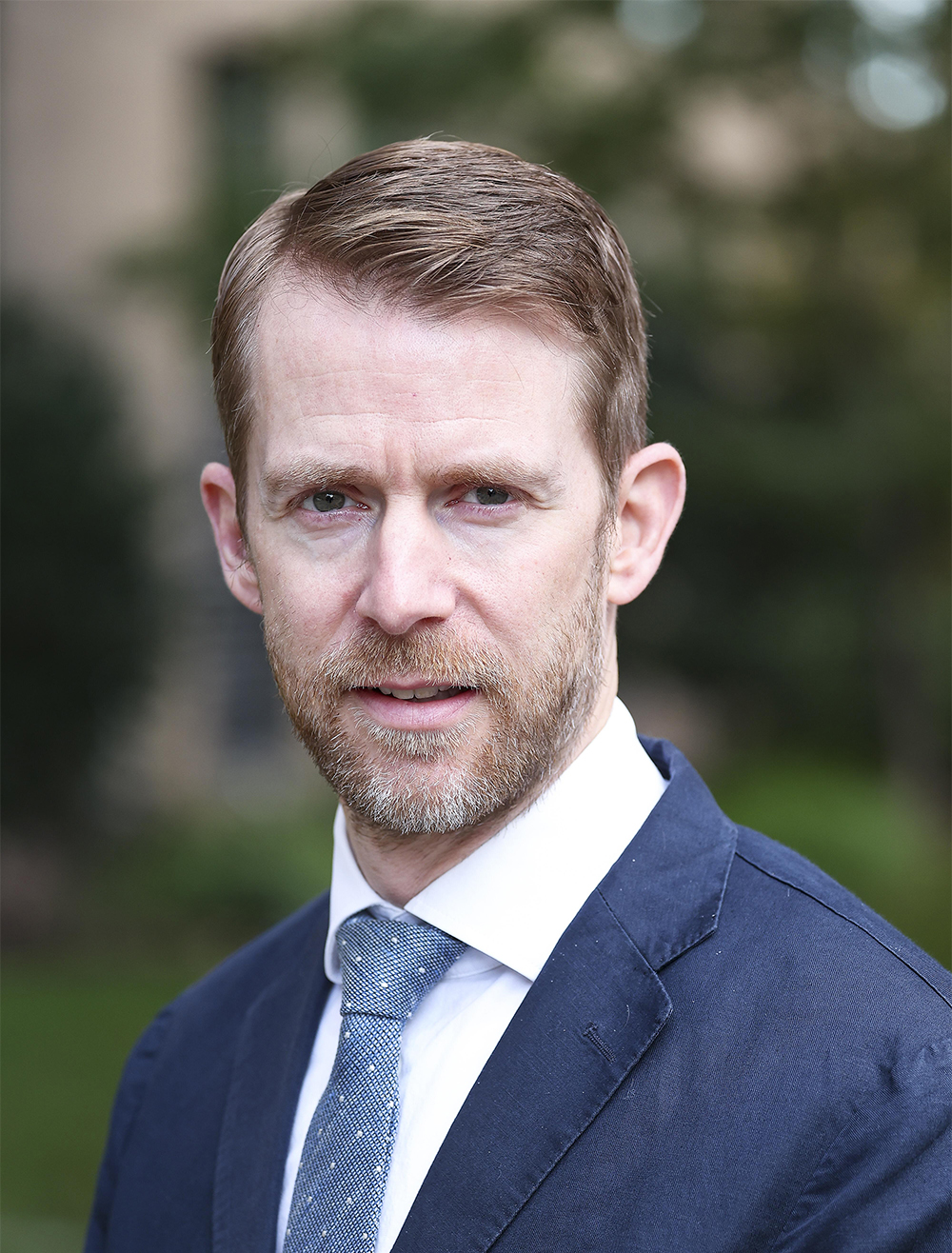
      Jamie Kwong, ed., Toby Dalton, ed., Celia McDowall, ed.

Get more news and analysis from
Carnegie Endowment for International Peace
Carnegie global logo, stacked
1779 Massachusetts Avenue NWWashington, DC, 20036-2103Phone: 202 483 7600Fax: 202 483 1840
  • Research
  • Emissary
  • About
  • Experts
  • Donate
  • Programs
  • Events
  • Blogs
  • Podcasts
  • Contact
  • Annual Reports
  • Careers
  • Privacy
  • For Media
  • Government Resources
Get more news and analysis from
Carnegie Endowment for International Peace
© 2026 Carnegie Endowment for International Peace. All rights reserved.